Category: Travel

  • Finding Hidden Gem Locations for Your Next Trip

    Finding Hidden Gem Locations for Your Next Trip

    I’ve spent a good portion of my life chasing the feeling of being truly present in a new place, but lately, I’ve noticed how much of travel has become a repetitive loop of the same polished, Instagrammable landmarks. It feels like we’re all following the same digital breadcrumbs, often missing the very soul of a city in our rush to check a box. Finding true hidden gem locations isn’t just about avoiding the crowds; it’s about finding those rare, unscripted moments where a culture actually breathes. I’ve learned that the most profound connections rarely happen in front of a monument, but rather in the quiet, dusty corners where the locals actually live and eat.

    In this post, I’m pulling back the curtain on five specific places that have left a lasting imprint on my notebook and my heart. I won’t be pointing you toward any curated tourist hubs; instead, I’m sharing five spots where you can really sink your teeth into the local life. From the scent of woodsmoke in a mountain village to the rhythmic chaos of a seaside market, these are the places that offer a glimpse into the authentic pulse of a destination. Get ready to look past the postcards.

    Table of Contents

    The Scent of Saffron in the Medina

    The Scent of Saffron in the Medina.

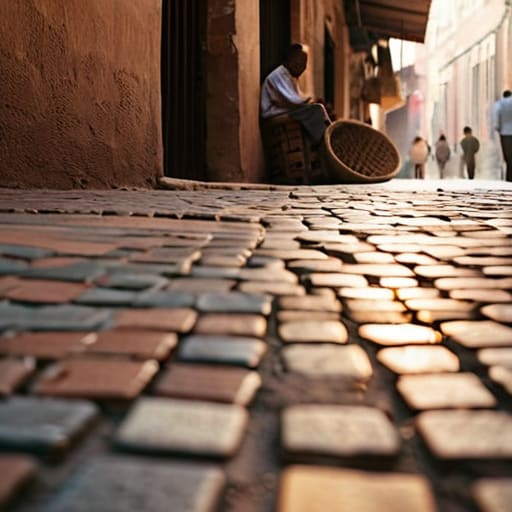
    Most people arrive in Marrakech and head straight for the bright lights of the main square, but I prefer to lose myself in the labyrinthine side streets of the northern Medina. There is a specific moment, usually just as the sun begins to dip, when the air thickens with the scent of toasted cumin and dried rose petals. I always pull out my notebook here; the smell of the spice stalls is so layered it feels like a physical weight against your skin.

    Morning Mist and Miso in Kanazawa

    Morning Mist and Miso in Kanazawa.

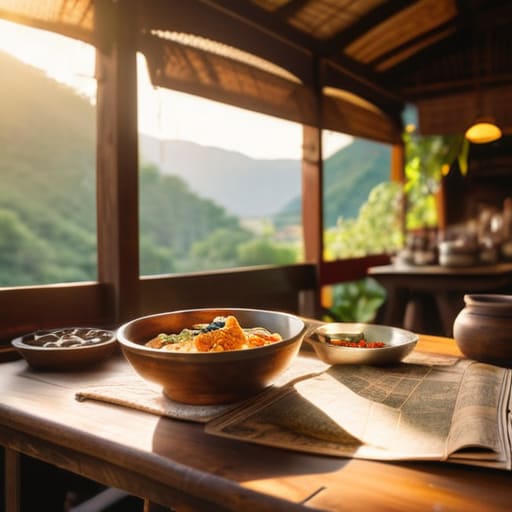
    While everyone else is fighting for a view of the temples in Kyoto, I find myself drifting toward the quiet, coastal atmosphere of Kanazawa. There is a certain melancholy beauty to the way the morning mist clings to the old wooden machiya houses. It feels less like a destination and more like a living, breathing museum that doesn’t realize it’s being watched.

    Salt Air and Slow Simmering in Essaouira

    Salt Air and Slow Simmering in Essaouira.

    There is a ruggedness to the Atlantic coast of Morocco that the more manicured resorts simply can’t replicate. In Essaouira, the wind carries a constant, sharp tang of salt that seems to settle in your hair and your clothes almost immediately. I love the way the blue-and-white walls look when they are slightly weathered by the sea spray, stripped of any pretension.

    The Quiet Hearth of the Alentejo

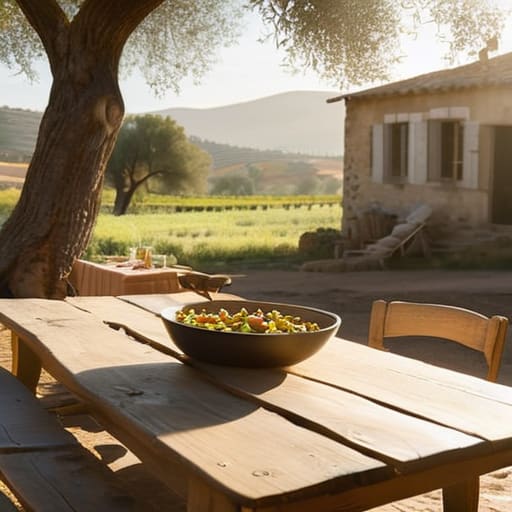
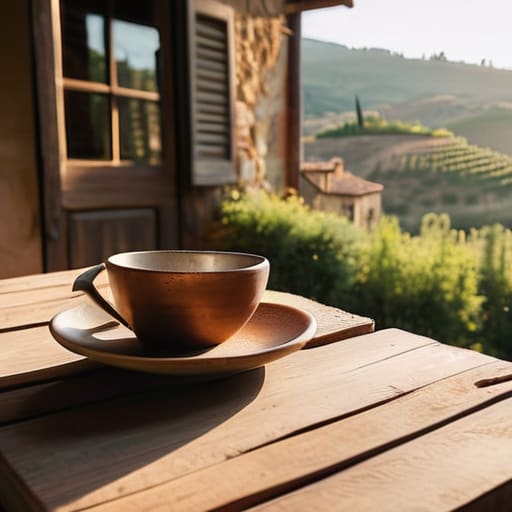
    Portugal has a way of revealing its soul through its landscapes, but I found mine in the rolling, sun-baked hills of the Alentejo. It is a region of vast horizons and stark, beautiful simplicity, where time seems to stretch out like the shadows of the cork trees at dusk. It’s the kind of place that demands you put your phone away and just listen to the wind.

    Hidden Courtyards in Tbilisi

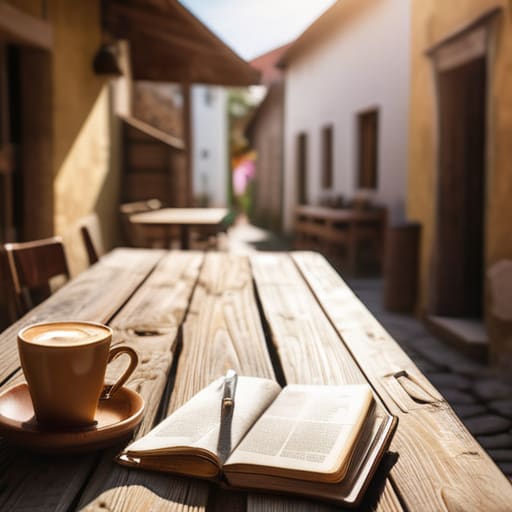
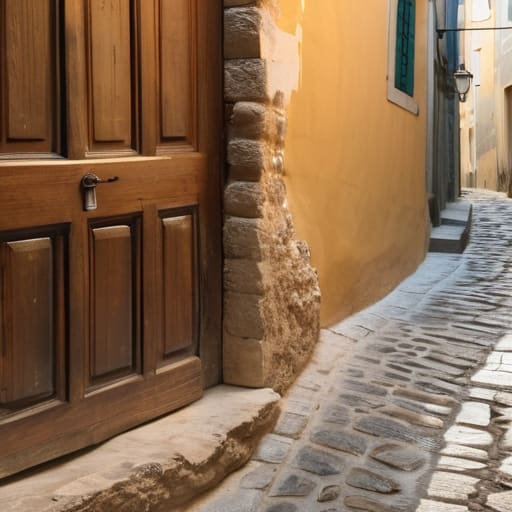
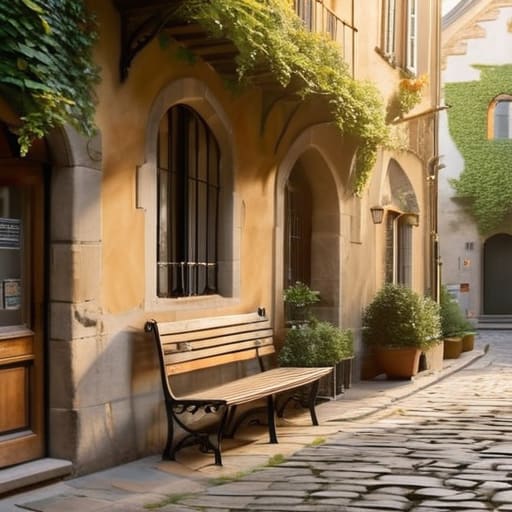
    Tbilisi is a city of layers, where Soviet architecture clashes with ancient churches and modern glass structures. But the real magic happens when you step through a heavy, peeling wooden door and find yourself in a hidden courtyard. These shared spaces are the lungs of the city, filled with hanging laundry, climbing vines, and the low hum of neighbors catching up over coffee.

    How to Find the Soul of a New City

    Stop following the maps and start following your senses; the most authentic experiences usually hide behind the scent of woodsmoke or the sound of a busy, unscripted kitchen.

    True connection happens in the quiet, unpolished corners—look for the places where locals linger, not where tourists queue.

    Travel is less about checking off landmarks and more about understanding the rhythm of a place through its food, its markets, and its everyday rituals.

    Finding the Soul of a Place

    “The most profound stories aren’t found in the monuments we see on postcards, but in the steam rising from a nameless street stall or the way a stranger offers you a seat in a crowded, quiet kitchen. A ‘hidden gem’ isn’t just a location; it’s any place where you can finally hear the city breathing.”

    Anouk Verhoeven

    The Real Journey Begins

    Looking back at these five spots, it’s clear that the magic isn’t found in a guidebook’s top ten list or a perfectly curated Instagram feed. Whether it was the scent of charred corn in that nameless alleyway or the way the light hit the chipped tiles of a family-run bistro, these places reminded me that the most profound connections happen when we stop performing and start observing. It’s about trading the polished tourist routes for the grit and warmth of a local market, and realizing that the best way to truly map a city is through its flavors and quiet rhythms.
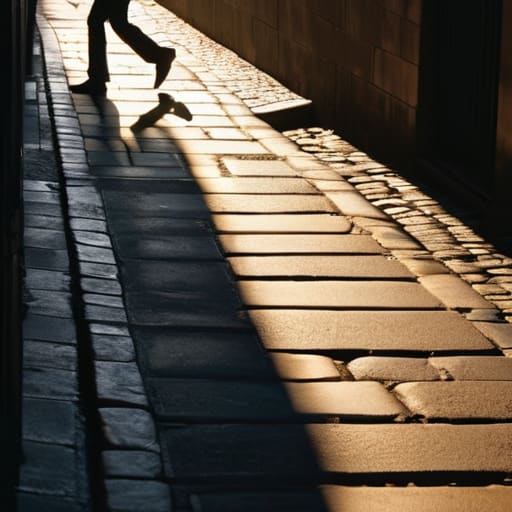
    As I pack my notebook and prepare for my next flight, I find myself thinking less about the landmarks I need to check off and more about the stories waiting in the steam of a morning coffee. Travel shouldn’t be a checklist; it should be a way to feel more awake to the world around us. So, the next time you find yourself in a new city, I urge you to put the map away for an hour. Let your curiosity—and perhaps your appetite—lead the way, because the true heart of a culture is almost always found in its most unassuming corners.

    Frequently Asked Questions

    How do I know if a place is actually a local favorite or just a clever marketing trap?

    Look for the things that don’t show up on a polished Instagram feed. If the menu is only in the local language and the chairs look a little mismatched, you’re likely on the right track. I always check for the “noise” level—not loud music, but the hum of actual conversation. If the people eating there aren’t looking at their phones, but are instead leaning in to talk over their plates, you’ve found something real.

    Is it difficult to navigate these smaller, less-documented spots without a formal guide?

    Honestly, it can be a little intimidating at first. Without a guide, you’re relying more on intuition and a decent map than a curated itinerary. But that’s actually where the magic happens. You’ll find yourself asking a local for directions or stumbling upon a tiny bakery just because you followed a scent. It requires a bit more patience and a willingness to get lost, but that’s usually when the best stories begin.

    How can I make sure I'm being a respectful traveler when visiting these quiet, everyday corners of a community?

    It’s a question I ask myself every time I pull out my camera or a notebook. The key is to remember you’re a guest in someone else’s living room, not a spectator in a museum. Slow down. Instead of rushing to snap a photo, try sitting quietly first. Buy a coffee, make eye contact, and let the rhythm of the place settle into you. If you lead with curiosity rather than consumption, the respect follows naturally.

  • Choosing Budget Travel Destinations

    Choosing Budget Travel Destinations

    I’ve spent a lot of my life wondering why we’ve been taught to equate “travel” with a certain kind of expensive, polished aesthetic. We see these curated, high-end escapes on our feeds and start to believe that seeing the world requires a massive savings account and a penchant for luxury hotels. But honestly? I’ve found that the most profound connections—the ones that actually stay with you long after you’ve unpacked your bag—rarely happen in a five-star lobby. The real magic happens when you’re sitting on a plastic stool in a humid alleyway, or navigating a chaotic morning market where your money actually stretches. Finding true budget travel destinations isn’t about deprivation or sleeping in hostels that feel like dormitories; it’s about reclaiming your agency as a traveler so you can spend your resources on experiences rather than just overhead.

    In this post, I’m moving away from the glossy brochures to share five places where your budget allows you to actually live, rather than just observe. I’ve curated this list based on where I can find the most incredible street food, the deepest cultural roots, and the kind of unfiltered authenticity that makes a city feel like home. Get ready to discover five corners of the world where you can wander deeply without constantly checking your bank balance.

    Table of Contents

    The Steam and Spice of Hanoi

    The Steam and Spice of Hanoi streets.

    There is a specific kind of magic in the chaos of Hanoi, a city that feels like it’s constantly breathing through its narrow alleys. I remember sitting on a tiny plastic stool that felt far too small for my frame, watching the motorbikes swarm past like a single, living organism. The air was thick with the scent of charred pork and star anise, a fragrance I immediately scribbled into my notebook. It’s a place where you don’t need a reservation or a heavy wallet; you just need an appetite for discovery.

    Slow Mornings in Oaxaca

    Slow Mornings in Oaxaca at local markets.

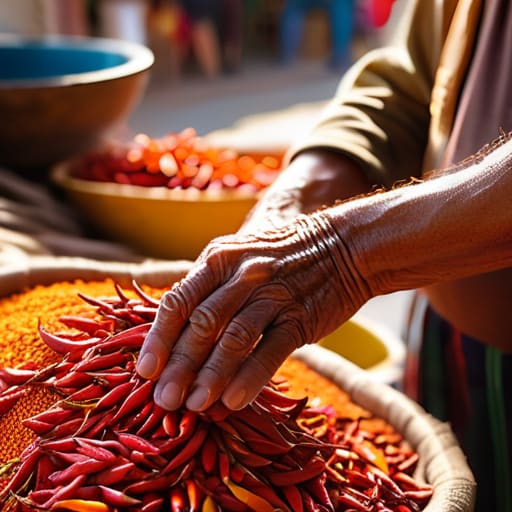
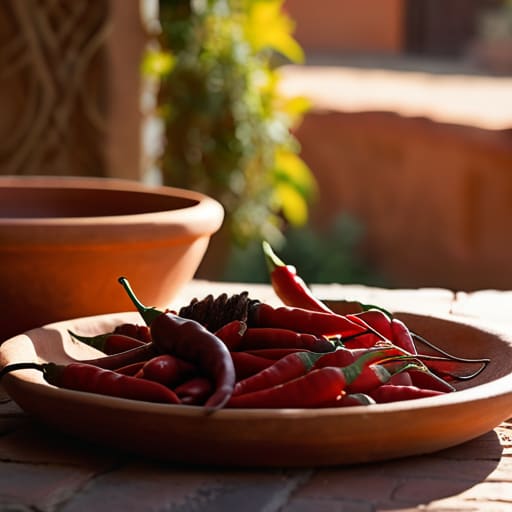
    If you want to understand the heartbeat of Mexico, you have to find your way to the markets of Oaxaca. I arrived here with a heavy camera bag and a light wallet, looking for something more substantial than the polished, predictable experiences offered in the larger resort towns. What I found instead was a kaleidoscope of color and a culinary tradition that feels utterly ancient. The smell of toasted cacao and dried chilies clings to the air, a scent that stays with you long after you’ve left the market stalls.

    The Coastal Rhythms of Albania

    The Coastal Rhythms of Albania turquoise cove.

    While everyone else is crowding onto the overpriced beaches of the Amalfi Coast, I found myself drifting toward the Albanian Riviera. It’s a rugged, sun-drenched stretch of coastline that still feels like a well-kept secret. There is something incredibly liberating about finding a turquoise cove where the only sound is the Mediterranean lapping against the rocks and the distant chatter of a fisherman. It’s unpretentious travel in its purest form, stripped of the glossy, curated veneer of more famous destinations.

    Hidden Courtyards in Tbilisi

    Tbilisi is a city of layers, a place where Soviet architecture meets ancient, winding streets and modern, avant-garde energy. I fell in love with the way the city feels like a living museum, especially when you wander away from the main thoroughfares and into the residential courtyards. These are the spaces where life actually happens—where laundry hangs between balconies and the scent of baking bread drifts from basement kitchens. It’s a city that demands you get lost on purpose.

    The Gentle Pace of Luang Prabang

    There is a stillness in Luang Prabang that is hard to find anywhere else in Southeast Asia. As the morning mist rises off the Mekong River, the city wakes up with a sense of ritual and grace. I spent my early hours watching the saffron-robed monks walk silently through the streets, a sight that feels almost sacred in its simplicity. It’s a place that encourages you to put down your phone and simply observe the passage of time.

    The Real Value of a Budget Trip

    Travel isn’t about how much you spend, but how deeply you’re willing to step off the paved path and into the local rhythm.

    The most authentic cultural exchanges usually happen at the lowest price points—over a shared table in a crowded market or a simple street food stall.

    Save your money for experiences that feed your senses, like a seasonal ingredient hunt, rather than the polished, overpriced tourist traps.

    Beyond the Price Tag

    Budget travel isn’t about deprivation or counting every cent; it’s about the freedom to stop being a spectator and start being a participant in a culture’s daily rhythm, usually found in the steam of a street stall rather than the lobby of a hotel.

    Anouk Verhoeven

    The Real Value of a Journey

    Looking back at these destinations, it’s easy to see that the common thread isn’t just the lower price point, but the unfiltered access they provide to something genuine. Whether you are navigating the aromatic chaos of a street market in Hanoi or sitting on a weathered wooden stool in a coastal village, these places prove that you don’t need a massive bank account to experience profound cultural richness. By choosing locations where your currency stretches further, you aren’t just saving money; you are actually buying more time to sit, observe, and truly engage with the people who call these places home. It’s about prioritizing meaning over luxury every single time.

    At the end of the day, my notebook is rarely filled with notes about five-star hotel amenities or expensive excursions. Instead, it’s stained with the scent of woodsmoke and the memory of a shared meal with a stranger. Travel shouldn’t be a checklist of expensive landmarks, but a collection of quiet, sensory moments that ground us in the world. So, pack light, keep your eyes open, and don’t be afraid to wander down that narrow, unmapped alleyway. The most beautiful stories—and the most delicious meals—are almost always found where the crowds thin out and the real life begins.

    Frequently Asked Questions

    How do I balance staying on a tight budget without missing out on the authentic, local food experiences that make these places special?

    It’s a delicate dance, isn’t it? I’ve learned that “budget” shouldn’t mean “cheap food,” but rather “intentional eating.” Instead of one big, expensive dinner, I lean into the street food culture or those tiny, family-run stalls that don’t have English menus. I skip the mid-range restaurants entirely. My rule is simple: if the locals are standing in line for a specific snack or a bowl of something steaming, that’s where you’ll find the soul of the city without breaking the bank.

    Are there certain seasons when these affordable destinations become unexpectedly expensive or difficult to navigate?

    It’s a fair question. Even the most budget-friendly spots have their “expensive” seasons. For instance, if you hit Southeast Asia during the peak dry season, prices for those cozy guesthouses can spike, and the crowds make navigating local markets a bit of a squeeze. I usually aim for the “shoulder seasons”—that sweet spot just before or after the rush. You get the milder weather and lower rates, plus a much more authentic, quiet connection to the place.

    How can I tell the difference between a genuine local market and a tourist-heavy spot designed just to capture my money?

    Follow your nose, not the signage. If the air smells like heavy perfume or fried dough designed for quick snacking, turn around. I look for the chaos: the rhythmic sound of heavy cleavers, the shouting of prices, and the smell of bruised herbs and raw spices. If the vendors aren’t haggling with locals or if the menus are translated into five different languages, you’ve likely wandered into a stage set. Real markets are messy, loud, and unapologetic.

  • Discovering the Best Street Food in Asia

    Discovering the Best Street Food in Asia

    I’ve spent most of my life chasing scents—the sharp tang of fermented chilies, the heavy sweetness of roasting nuts, and the smoky drift of charcoal that pulls you down a narrow side street. There is a specific kind of exhaustion that comes from eating at “recommended” restaurants that feel more like museums than kitchens; they are polished, predictable, and entirely hollow. I’ve always felt that if you want to actually understand a city, you have to stop looking at the menus with gold-leafed borders and start looking for the steam rising from a dented metal cart. Finding the best street food isn’t just about satisfying hunger; it’s about finding the unfiltered heartbeat of a place, tucked away where the locals actually congregate.

    In this post, I’m stepping away from the guidebooks to share five specific bites that changed how I see the world. I won’t be giving you a list of famous landmarks or overpriced stalls, but rather the small, messy, and profound culinary moments that define a culture. These five items are my personal roadmap to the authentic flavors that a suitcase can’t hold, but a memory certainly can. Let’s go find them.

    Table of Contents

    The Steam and Soul of Banh Mi

    The Steam and Soul of Banh Mi.

    I remember stumbling upon a tiny stall in a humid Saigon alleyway just as the sun was beginning to dip. There was no sign, just a woman with practiced, rhythmic movements slicing through crusty baguettes. The smell was the first thing that hit me—a heady mix of warm yeast and savory pate that felt more like a hug than a scent. It’s a sandwich that demands your full attention, even as you try to navigate the sea of motorbikes around you.

    Midnight Magic in a Bowl of Ramen

    Midnight Magic in a Bowl of Ramen.

    There is a specific kind of loneliness you feel in a foreign city at 2 AM, and honestly, I think it’s one of my favorite feelings. I found myself in a cramped, wood-paneled shop in Tokyo, tucked away from the neon glare of the main streets. The air was thick with the scent of simmering pork bones and toasted sesame, a fragrance so deep it felt like it had been aging for decades. It was the kind of place where the only sound was the rhythmic slurping of locals finding solace in their bowls.

    The Spice of the Marrakech Souks

    The Spice of the Marrakech Souks sausages.

    Navigating the Medina in Marrakech is a sensory overload that can leave you feeling completely untethered. My notebook was practically overflowing with descriptions of cumin, saffron, and dried rose petals by the time I reached the food stalls near the square. I settled on a vendor whose stall was nothing more than a charcoal brazier and a mountain of spiced merguez sausages. The smoke hung heavy in the air, weaving through the crowd like a living thing.

    Golden Mornings with Arepas

    In a small corner of Medellín, I learned that breakfast isn’t just a meal; it’s a communal event. I followed the scent of toasted corn to a small, brightly painted stall where the sound of heavy griddles hitting the heat provided the soundtrack. The arepas were being pressed by hand, the dough smelling sweet and earthy, a scent I’ve since tried to replicate in my own tiny kitchen but always fail to capture.

    The Art of the Empanada

    While wandering through a bustling market in Buenos Aires, I found myself drawn to a small window where a woman was expertly folding dough into perfect crescents. The air was heavy with the smell of frying oil and seasoned beef, a scent that promised something deeply satisfying. I didn’t need a menu; I just watched the way the locals gathered around, waiting their turn with a sense of quiet, hungry anticipation.

    How to Eat Like a Local

    Look past the neon signs and polished menus; the most honest flavors are usually found where the locals are lining up on folding stools.

    Don’t be afraid of the chaos—the noise, the steam, and the crowded alleys are often the best indicators of a truly authentic kitchen.

    Trust your senses, especially your nose, to guide you toward the stalls that actually smell like fresh spices rather than heavy oils.

    The Language of the Street

    You can learn more about a city’s heartbeat from the scent of charred spices in a narrow alleyway than you ever will from a museum guide; street food isn’t just a quick meal, it’s the most honest conversation a culture has with its people.

    Anouk Verhoeven

    The Flavor of Real Life

    At the end of the day, these five stalls represent more than just a quick bite or a way to satisfy hunger; they are the beating heart of the local rhythm. Whether it was the smoky char of the grilled skewers or that first, unexpected hit of spice from the noodle bowls, each dish tells a story of heritage and survival. We’ve wandered through the narrowest alleys and sat on those uncomfortable plastic stools, but that’s exactly where the magic happens. It’s in those unpolished, chaotic moments—away from the white tablecloths and the curated menus—that you truly begin to understand the soul of a place.

    As I pack my notebook and prepare for my next transit, I’m reminded that travel shouldn’t be a checklist of monuments, but a collection of sensory memories. Don’t be afraid to follow your nose into a crowded market or sit beside a stranger in a dim alleyway. The most profound connections often happen when we lower our guard and simply eat what is being shared. So, next time you find yourself in a new city, ignore the glossy guidebooks for a moment. Look for the steam rising from a sidewalk stall and the laughter of locals; that is where you will find the real story waiting to be told.

    Frequently Asked Questions

    How can I tell if a street food stall is safe to eat at without feeling like I'm being too paranoid?

    I used to overthink this, but I’ve learned to trust my senses over my anxiety. Look for the crowds—not the ones with cameras, but the locals grabbing lunch on their break. High turnover means the ingredients are fresh. I also watch the cook: is there a sense of organized chaos, or does it feel neglected? If the stall is busy and the food is being cooked hot right in front of you, you’re usually in good hands.

    Are there specific times of day or certain neighborhoods where the best vendors tend to set up?

    If you’re looking for the real deal, timing is everything. I’ve learned to avoid the midday lull; the best vendors usually emerge in the late afternoon as the heat breaks, or during the frantic energy of the pre-dawn market hours. Look for the neighborhoods tucked just behind the main thoroughfares—the ones where the locals are actually doing their shopping. If a stall has a crowd of locals and a sense of urgency, you’ve found it.

    Do I need to carry a lot of small change, or is it common to pay via mobile apps in these markets?

    I’ve learned the hard way that relying solely on my phone is a gamble. While the bigger stalls in cities like Bangkok or Mexico City are increasingly quick with QR codes, the real magic happens at those tiny, family-run carts where the vendor might not even own a smartphone. Always keep a stash of small coins and low-denomination bills tucked in a side pocket of my bag. It saves so much awkwardness when you’re just trying to grab a quick snack.