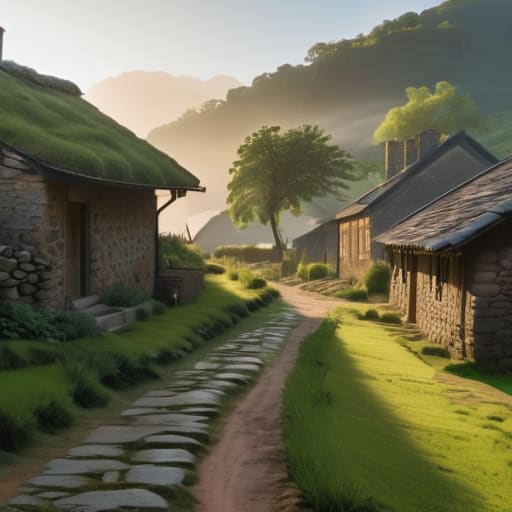
I was sitting on a rickety, sun-bleached stool in a kitchen in the Atlas Mountains, my notebook open and my pen hovering, when I realized I had completely forgotten to check my phone for signal. The air was thick with the scent of toasted cumin and the sharp, earthy tang of freshly crushed mint—a smell I’ll always associate with that moment of sudden, quiet clarity. We often talk about remote village life as if it’s some curated, aesthetic escape for the weary traveler, but the reality is much more visceral and unpolished than a filtered Instagram feed suggests. It’s about the grit under your fingernails and the way a shared meal can bridge a language gap that no guidebook could ever explain.
I’m not here to sell you on a romanticized fantasy or a list of “must-see” landmarks that are actually just tourist traps. Instead, I want to pull back the curtain on what it actually feels like to slow down and truly inhabit these spaces. I’ll be sharing the honest, messy, and beautiful realities of finding connection through food and community, offering you the kind of practical, grounded insights you only get from living it.
Table of Contents
- The Rhythm of Slow Living and Shared Tables
- Preserving Heritage Through Traditional Agricultural Practices
- Small Gestures: How to Move Through a Village Without Leaving a Footprint
- What the Quiet Moments Taught Me
- The Quiet Language of the Kitchen
- The Quiet Lessons of the Hinterlands
- Frequently Asked Questions
The Rhythm of Slow Living and Shared Tables
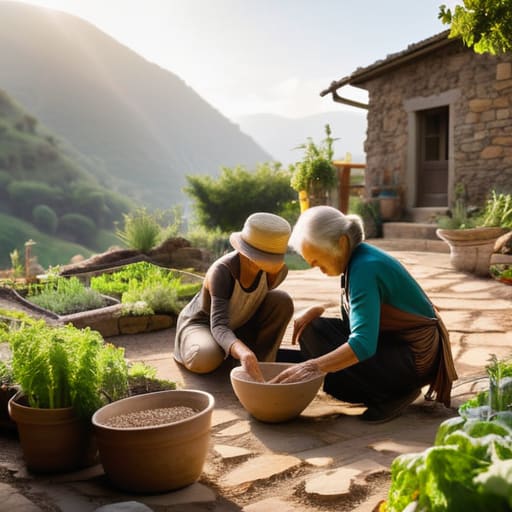
In these small, tucked-away corners of the world, time doesn’t move in minutes or hours, but in the cycles of the soil and the sun. I spent a Tuesday afternoon in a mountain hamlet watching a family prepare a meal that had taken nearly all day to coordinate. There is no rush here, only a profound sense of community interdependence that dictates when you eat and how you work. You don’t just buy ingredients; you participate in a cycle of traditional agricultural practices that have been passed down through hands that are as weathered as the landscape itself.
Sitting at their long, scarred wooden table, I realized that this isn’t just about food—it’s about the quiet resistance of the slow living movement. While the rest of the world races toward the next digital notification, these villages find their strength in the stillness. The meals are communal, often loud and heavy with the scent of rosemary and woodsmoke, serving as a daily ritual to reinforce bonds. It’s a way of life that feels incredibly fragile yet deeply rooted, reminding me that the most meaningful connections are often found in the simplest, shared moments.
Preserving Heritage Through Traditional Agricultural Practices
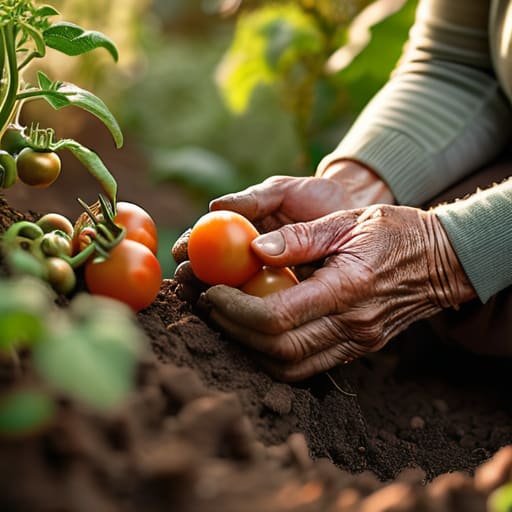
Walking through the terraced hillsides of the valley last Tuesday, I realized that these landscapes aren’t just scenery; they are living archives. I watched an elderly woman, her hands stained dark by the soil, carefully tending to heirloom seeds that haven’t changed in generations. It struck me that traditional agricultural practices are more than just a way to survive; they are a form of resistance against a world that demands everything be fast and uniform. When you eat a tomato grown in soil that has been tended by the same family for a century, you aren’t just tasting fruit—you’re tasting history.
This connection to the land is the backbone of cultural preservation in villages across the globe. It’s a delicate dance between man and nature, one that requires a deep, intuitive understanding of the seasons. While modern farming often prioritizes yield above all else, these small-scale methods prioritize the health of the earth and the continuity of the community. It’s a slower, more intentional way of existing that reminds me why I started traveling in the first place: to find the things that time cannot erase.
Small Gestures: How to Move Through a Village Without Leaving a Footprint
- Leave the guidebook in your bag and follow your nose. The most meaningful encounters don’t happen at a designated “cultural site,” but in the steam rising from a roadside stall or the quiet corner of a bakery at dawn.
- Learn the local rhythm of the morning. In many small villages, life begins long before the sun is high; showing up when the markets are setting up or the farmers are heading out shows a level of respect that a simple “hello” can’t match.
- Pack light, but bring a way to record the sensory details. I never travel without my notebook for scents and my film camera for the light; these small, analog tools help me stay an observer rather than just another consumer passing through.
- Embrace the art of the slow conversation. If you’re invited to sit, even for just a moment, take it. The real history of a place isn’t found in its monuments, but in the stories shared over a shared plate of seasonal vegetables.
- Be mindful of the “observer effect.” It’s easy to feel like a spectator, but remember that these are living, breathing communities, not museum exhibits. Approach every interaction with the quiet humility of a guest, not the entitlement of a tourist.
What the Quiet Moments Taught Me
Real connection isn’t found in landmarks, but in the slow, unhurried rhythm of a shared meal and the stories told over steam rising from a communal pot.
Preserving a culture means more than just keeping traditions alive; it’s about the tactile, everyday work of tending to the land and honoring the seasons.
To truly see a place, you have to step away from the guidebook and learn to listen to the smaller, quieter sounds—the hum of a market or the scent of woodsmoke in a village kitchen.
The Quiet Language of the Kitchen
“In the city, we eat to fuel a schedule, but in these small, tucked-away villages, you realize that every meal is a slow conversation between the soil, the season, and the hands that prepared it.”
Anouk Verhoeven
The Quiet Lessons of the Hinterlands
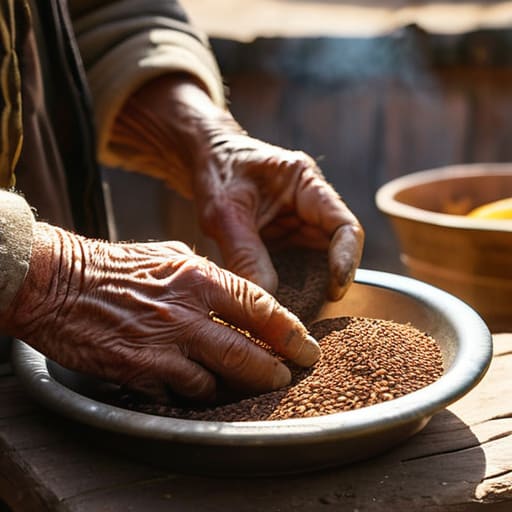
As I pack my notebook away, the lessons from these remote corners stay with me far more than any souvenir could. We’ve seen how the deliberate pace of life and the ritual of the shared table create a sense of belonging that modern cities often struggle to replicate. More importantly, we’ve explored how the hands that till the soil are the same hands that preserve a culture’s very soul through traditional agricultural wisdom. These villages aren’t just relics of the past; they are living, breathing ecosystems where food and heritage are inextricably linked, proving that survival and identity go hand in hand.
Ultimately, traveling to these distant places isn’t about ticking a destination off a list or finding a “hidden gem” to photograph for social media. It is about stripping away the noise to rediscover the fundamental connections that sustain us. I hope that next time you find yourself in a new place, you look past the landmarks and instead follow the scent of woodsmoke or the sound of a communal meal. If you lean in and listen to the quiet rhythms of a local kitchen, you might just find that the most profound way to see the world is to simply sit down and eat.
Frequently Asked Questions
How do these small communities manage to keep their traditional recipes alive when younger generations are increasingly moving toward cities?
It’s a delicate dance, really. I’ve noticed it isn’t just about formal teaching; it’s the osmosis of daily life. Even when the kids move to the city, they carry the sensory memory of their grandmother’s kitchen. They return for holidays, drawn back by the specific scent of a slow-simmered stew or a particular spice blend. Those recipes become a tether—a way to reclaim a sense of belonging in a fast-paced, urban world.
Is it actually possible for a traveler to visit these remote areas without accidentally disrupting the very way of life they are trying to observe?
It’s a heavy question, and honestly, one that keeps me up in hostels sometimes. I don’t think we can ever be completely invisible, but there’s a difference between being a spectator and being a guest. For me, it means slowing down. Don’t rush in with a camera; sit, observe, and ask permission before you document. If you approach a village as a student rather than a consumer, the disruption turns into a quiet, respectful exchange.
Beyond the food, what are the most subtle ways the pace of life in a village changes how people interact with one another compared to a city?
In a city, we move through crowds like ghosts, eyes fixed on screens or the pavement to avoid collision. But in these villages, there is a profound sense of being seen. It’s in the way a neighbor pauses their work to nod as you pass, or the lingering silence of a conversation that doesn’t feel rushed. People don’t just exchange information; they exchange presence. The slow pace allows for a quiet, unhurried recognition of one another.
