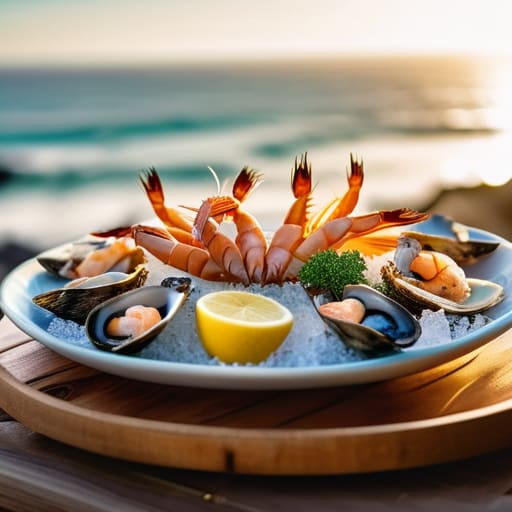
The scent of brine and charred wood always hits me before I even see the water. I remember sitting on a plastic crate in a narrow alleyway in Essaouira, my notebook tucked into my pocket, watching an old man pull a single, perfect sea bream from a smoking grill. There was no white linen here, no tasting menus, and certainly no pretense—just the sharp, salt-heavy reality of true coastal cuisine. It’s in those unpolished moments, where the steam from a communal pot meets the humid sea air, that you actually taste the geography of a place.
I’m not here to point you toward the Michelin-starred establishments that charge a month’s rent for a single scallop. Instead, I want to help you navigate the real flavors of the shoreline. I’ll be sharing the stories behind the ingredients and the specific, quiet corners where the locals actually eat. My promise to you is simple: no tourist traps and no fluff. We are going to find the authentic pulse of the coast, one chipped ceramic bowl at a time.
Table of Contents
Tracing the Rhythm of Ocean to Table Dining
Tracing the Rhythm of Ocean-to-Table Dining
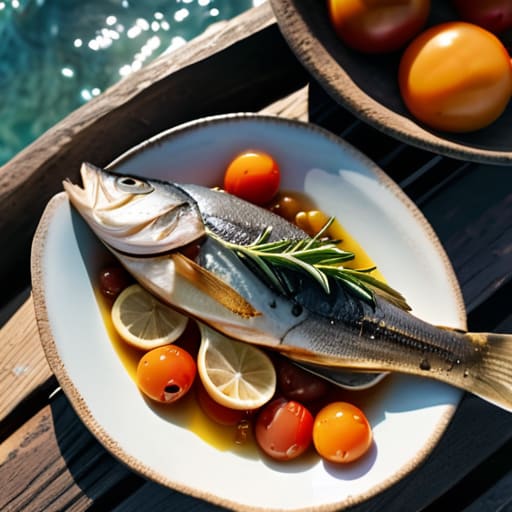
I’ve found that the heartbeat of a seaside village isn’t in its souvenir shops, but in the early morning fog rolling over the docks. There is a specific, rhythmic cadence to ocean-to-table dining that you can only feel if you’re willing to wake up before the sun. It’s in the way the fishermen unload their crates, the silver scales catching the first light, and the immediate, frantic energy of the local market. You see it in the hands of the older women who know exactly which seasonal shellfish varieties are at their peak this week, sorting through the catch with a practiced, almost meditative grace.
To eat here is to participate in a cycle that has remained largely unchanged for generations. It isn’t about luxury; it’s about the integrity of the ingredient. When I sit in a cramped kitchen overlooking the harbor, I’m looking for those traditional coastal cooking techniques—the simple salt-crusting, the quick searing over driftwood fires, or the slow poaching in local oils. It’s a way of eating that demands respect for the tide, teaching you that the best meals are always dictated by what the sea is willing to give.
The Quiet Magic of Sustainable Seafood Sourcing
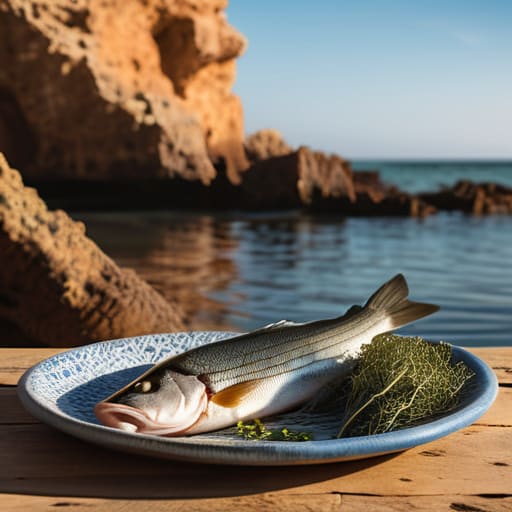
I remember sitting on a weathered wooden stool in a tiny cove outside of Essaouira, watching an old man sort through a mesh net. There was no neon sign, no polished menu—just the rhythmic sound of the tide and the smell of brine. This is where the concept of sustainable seafood sourcing stops being a buzzword on a high-end menu and becomes a way of life. It’s about respect for the cycles of the sea; knowing that you only eat what the ocean is currently offering, rather than demanding a specific species out of season.
When you lean into these natural rhythms, the food tastes different. It’s more honest. I’ve found that the most profound meals don’t come from large-scale distributors, but from those who honor traditional coastal cooking techniques passed down through generations. There is a certain magic in eating seasonal shellfish varieties that were pulled from the water only hours before. It forces you to slow down and actually listen to the landscape, realizing that the plate in front of you is a direct reflection of the water’s health and the community’s history.
Small Habits for Eating Well by the Water
- Follow the tides, not the menus. The best seafood isn’t what’s listed in a glossy brochure; it’s whatever the local fisherman is unloading at the dock at 6:00 AM. If the catch of the day changes every single morning, you’re in the right place.
- Look for the chipped ceramics. I’ve learned that the most authentic meals rarely come on pristine white porcelain. Seek out the family-run spots where the tables are a little wobbly and the bowls have seen decades of salt air—that’s where the real recipes live.
- Let your nose lead the way. My little notebook is full of descriptions of brine, toasted seaweed, and charred citrus. When you’re wandering a market, don’t just look at the displays; smell the air. The scent of a properly seasoned seafood broth will guide you better than any GPS.
- Embrace the seasonal lull. There’s a temptation to want everything all year round, but there is a specific kind of magic in eating what the ocean is actually offering right now. If a certain shellfish is out of season, let it go. The wait makes the eventual taste so much more profound.
- Eat where the locals linger. If you see a group of elderly neighbors sharing a plate of small fried fish and a carafe of local wine, pull up a chair nearby. They aren’t there for the view; they’re there for the flavor, and that’s the only endorsement you’ll ever need.
The Heart of the Coast
True coastal flavor isn’t found in a polished menu, but in the seasonal, unpretentious dishes served in the places where the community actually gathers.
Understanding what we eat means respecting the rhythm of the tides and the small-scale fishermen who honor the ocean’s natural limits.
To truly taste a seaside culture, you have to look past the tourist-friendly seafood towers and find the quiet, everyday meals that tell a real story.
The Language of the Tide
“You don’t truly understand a coastline until you’ve tasted the brine on your lips and the history of a thousand tides in a single, unpretentious bowl of broth; it’s not just food, it’s the ocean’s way of telling you exactly where you are.”
Anouk Verhoeven
The Lingering Taste of the Tide
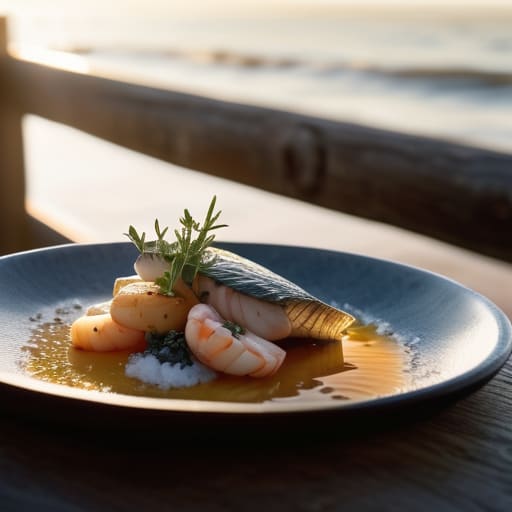
Looking back at the salt-crusted stalls and the early morning chaos of the docks, it becomes clear that coastal cuisine is never just about the ingredients on the plate. It is a delicate, shifting dialogue between the sea and the people who have learned to listen to its rhythms. From understanding the seasonal ebb and flow of the tides to respecting the quiet, often invisible work of sustainable sourcing, we see that every meal is a tribute to the ocean’s generosity. When we choose to eat with intention—seeking out the small-scale fishermen and the family-run kitchens—we aren’t just feeding ourselves; we are preserving the very heartbeat of these coastal communities.
So, the next time you find yourself near the water, I encourage you to step away from the polished menus and the bright neon signs of the boardwalk. Follow the scent of woodsmoke and brine instead. Look for the places where the floorboards creak and the locals speak in low, comfortable tones. There is a profound, quiet beauty in realizing that a simple meal can connect you to a thousand years of maritime history. Travel isn’t about checking landmarks off a list; it’s about finding home in a foreign kitchen and realizing that the most meaningful stories are often told over a shared bowl of something warm, fresh, and honest.
Frequently Asked Questions
How can I tell if a small, local seafood stall is actually practicing sustainable fishing rather than just using it as a marketing buzzword?
Don’t look for glossy posters; look for the names. A stall truly committed to sustainability won’t just say “local”—they’ll tell you exactly which boat or cove the catch came from. Ask them, “What’s in season today?” or “What are you not catching right now?” If they can’t answer, or if their selection is too perfect and too varied, it’s probably a buzzword. Real sustainability is messy, seasonal, and specific.
What are some ways to find authentic coastal flavors in cities that aren't directly on the water?
It’s a challenge, but there’s a certain thrill in hunting for it. I usually start by looking for the immigrant enclaves—the neighborhoods where people have carried their coastal traditions in their suitcases. Look for the tiny, unpretentious markets or specialty grocers that stock specific sea salts or preserved lemons. If you find a spot where the menu feels more like a map of a coastline than a list of ingredients, you’re on the right track.
Are there specific seasonal ingredients I should look for to ensure I'm eating what's freshest and most respectful to the local ecosystem?
It really depends on where you’re standing, but I always look for the “unfashionable” stuff. Instead of chasing the big, expensive catches, I look for what’s peaking right now—like small, silver sardines in the summer or hardy shellfish when the water turns cold. Check the local chalkboard; if a fish isn’t listed, don’t ask for it. Eating seasonally means following the ocean’s clock, not the supermarket’s, which keeps the ecosystem in balance.
