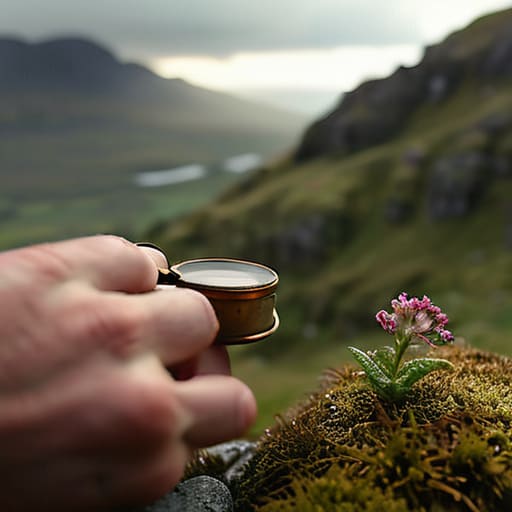
I was sitting on a damp stone step in a narrow alleyway in Oaxaca last spring, my notebook open and my fingers smelling faintly of roasted cacao and woodsmoke. I wasn’t looking for a guided tour or a curated “top ten” list; I was just watching an elderly woman hand a steaming tamale to a construction worker through a window no wider than my shoulders. This is where the real magic happens, far away from the polished itineraries that try to commodify niche travel interests into something safe and sterile. Most people think finding a unique way to travel requires a massive budget or a specialized degree, but I’ve learned that the most profound connections are often found in the unscripted gaps between the landmarks.
I’m not here to sell you on expensive, boutique “experiences” that feel more like performances than reality. Instead, I want to show you how to cultivate your own curiosity so you can find the soul of a place through its smallest details. My goal is to share the practical, unfiltered ways you can lean into your own specific passions to transform a simple trip into a way of truly living.
Table of Contents
The Quiet Magic of Cultural Immersion Travel
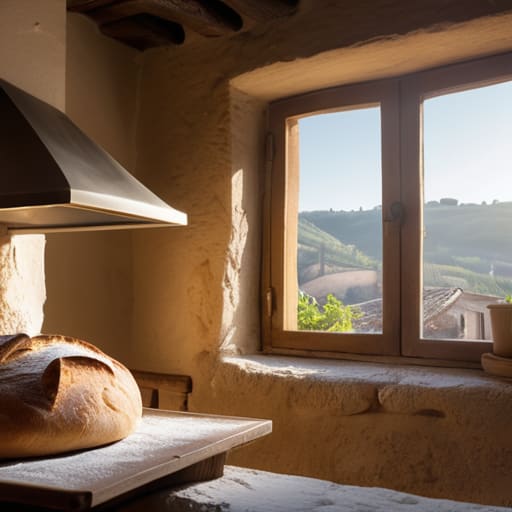
There’s a specific kind of loneliness that hits when you’re standing in front of a famous monument, surrounded by hundreds of people all holding up their phones in unison. It feels performative, like you’re watching a movie rather than living a life. For me, the shift happened when I stopped chasing the “must-see” lists and started leaning into cultural immersion travel. Instead of checking off landmarks, I began looking for the spaces in between—the tiny, family-run bakeries where the flour dust hangs in the morning light, or the communal tables where the conversation flows faster than the wine.
This shift is part of a larger movement toward passion-driven itineraries, where the goal isn’t just to see a place, but to feel its rhythm. It’s about choosing a destination because you want to learn how to ferment kimchi in a Seoul alleyway, or because you heard a specific spice market in Marrakech holds the key to a certain kind of memory. When you travel with a specific curiosity, the world stops being a backdrop and starts becoming a teacher. You aren’t just a spectator anymore; you’re a participant in the quiet, unscripted magic of the everyday.
Crafting Passion Driven Itineraries That Feel Like Home
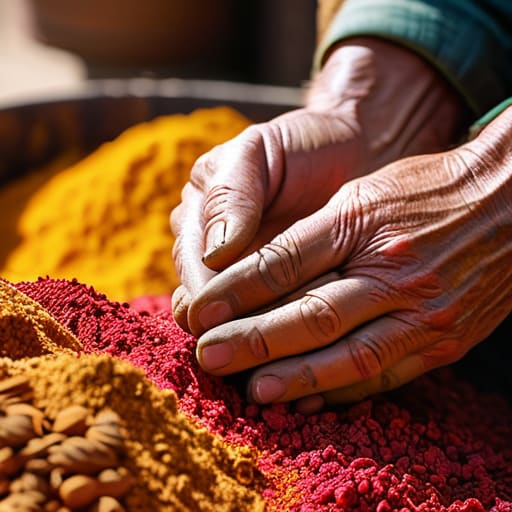
I’ve learned the hard way that following a pre-packaged tour guide is the fastest way to feel like a stranger in a place you’ve traveled miles to see. Instead, I’ve started leaning into passion-driven itineraries that prioritize curiosity over checklists. For me, that means skipping the famous monuments to spend a Tuesday morning tracing the scent of roasted cardamom through a spice market. When you build a trip around what actually makes your heart beat faster—whether it’s hunting for vintage film cameras or finding the perfect sourdough—the travel stops feeling like a series of chores and starts feeling like living.
This shift is part of a larger movement toward more intentional, tailor-made travel experiences that reject the “one size fits all” approach. I don’t want to see everything; I want to see the things that matter. It’s about finding that specific corner of the world that resonates with your own odd little obsessions. When you design your journey around these small, personal anchors, you aren’t just a spectator anymore. You become a participant in the local rhythm, finding a sense of belonging in the most unexpected, quiet corners.
How to Find the Real Story (Without the Tourist Map)
- Follow your nose, not the guidebook. I’ve learned that the most authentic cultural insights don’t come from a museum plaque, but from the scent of toasted spices or fermenting dough wafting through a back alley. If a street smells like history, walk toward it.
- Learn the “language of the table.” You don’t need to be fluent to connect with people, but knowing how to order a coffee or thank a vendor in their local dialect opens doors that a translation app never will. It shows you’re there to listen, not just to consume.
- Embrace the discomfort of the unknown. The best stories usually start when I realize I’m lost or when I’m sitting on a tiny, wobbly stool in a place where no one speaks English. If your itinerary feels too safe, you’re probably missing the soul of the destination.
- Carry a physical notebook. There’s something about the tactile act of writing—recording the specific humidity of a market or the exact shade of a bruised peach—that keeps you grounded in the moment rather than viewing the world through a smartphone lens.
- Look for the seasonal rhythm. Instead of chasing “top ten” lists, travel when the ingredients are at their peak. Understanding what a culture eats during its harvest or its leanest months tells you more about their resilience and joy than any landmark ever could.
Lessons from the Road
Stop chasing the “must-see” checklists and start following your senses; often, the most profound cultural connections happen when you follow the scent of a spice market or the sound of a local kitchen.
Build your trips around what you love to do, not just what you’re “supposed” to see—if you’re a photographer, let the light dictate your schedule, not a tour bus.
Real travel isn’t about the grand monuments, but the small, unscripted moments found in the quiet corners of a city where the locals actually live and eat.
The Heart of the Matter
“We spend so much time checking off landmarks like they’re items on a grocery list, but the real magic happens when you stop looking for the view and start looking for the flavor—the kind of travel that lives in the steam of a street vendor’s pot or the specific, dusty scent of an old spice market.”
Anouk Verhoeven
The Art of Wandering Intentionally
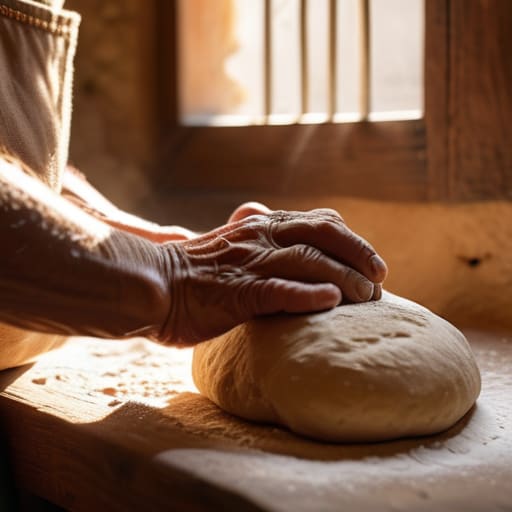
At the end of the day, moving away from the curated checklists and the “must-see” monuments isn’t just about seeing more things; it’s about feeling more deeply. Whether you are tracing the history of a spice route through a local market or spending an afternoon learning the rhythm of a village’s daily bread-making, these niche interests are the threads that weave a trip together. When we stop trying to check off boxes and start following our curiosities—be it through the lens of a camera, a kitchen, or a dusty archive—we transform from mere spectators into active participants in the world’s story.
So, my advice for your next journey is simple: leave a little room for the unplanned. Don’t be afraid to let a scent from a street stall or a recommendation from a stranger dictate your afternoon. The most profound connections rarely happen at the top of a famous landmark; they happen in the quiet, unscripted gaps between the sights. Travel isn’t a performance to be captured for a feed, but a sensory dialogue between you and the unknown. Go find the small things, because that is where the real magic is always hiding.
Frequently Asked Questions
How do I figure out what my own "niche" interest is without it feeling forced or performative?
Stop trying to “curate” a personality. Honestly, the most performative thing you can do is hunt for a niche that looks good on a grid. Instead, just pay attention to what you do when no one is watching. What’s that one thing you find yourself researching at 2 a.m.? Is it the history of salt? The way light hits old architecture? Follow your genuine curiosity; the “niche” will find you in the details.
Is it actually possible to find these authentic, quiet moments in cities that are clearly built for mass tourism?
It’s a fair question, and honestly, it’s the hardest part of the job. In cities like Venice or Bangkok, the “tourist veneer” is thick, but it’s never absolute. You just have to learn to look for the cracks. I usually find them by walking two streets away from the main plaza or following the scent of roasting coffee into a narrow alley. The magic isn’t gone; it’s just hiding behind the souvenir shops.
How do I balance the desire for deep cultural immersion with the practicalities of traveling solo on a budget?
It’s a delicate dance, isn’t it? I used to think deep immersion required a huge budget, but honestly, the most profound moments usually happen when you’re broke. I lean into slow travel—staying in one neighborhood longer to find that one specific bakery where the baker knows my face. Use hostels for the social connection, but eat at the street stalls where the locals congregate. It’s cheaper, and the flavors are always more honest.
