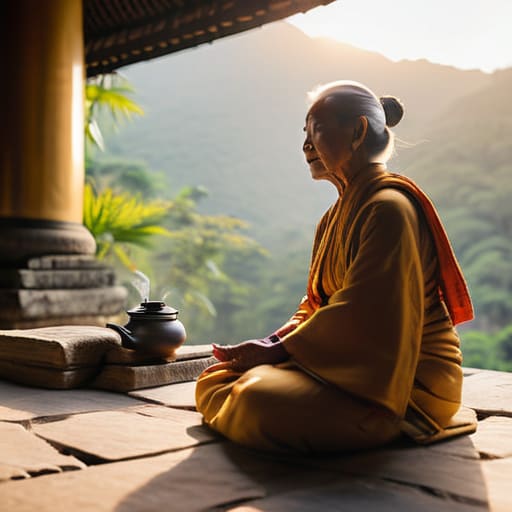
I was sitting on a low, chipped wooden stool in a narrow alleyway in Hanoi last October, my notebook tucked into my pocket, when the smell of charred star anise and fermented fish sauce hit me like a physical wave. There was no museum nearby, no polished marble monument, and certainly no tour guide with a colorful umbrella. Yet, in that humid, chaotic moment, I felt more connected to the heartbeat of Vietnam than I ever did standing in a silent gallery. This is the reality of traveling for culture that the glossy brochures tend to scrub clean: it isn’t found in a curated exhibit, but in the steam rising from a street vendor’s pot at dawn.
I’m not here to give you a checklist of the world’s most famous landmarks or tell you which five-star hotels offer the best “local experiences.” Instead, I want to show you how to find the soul of a place through its kitchens, its markets, and its quiet, unscripted corners. I promise to share the kind of honest, unfiltered lessons I’ve learned from living out of a suitcase—the kind that help you move past being a mere spectator and start actually living in the places you visit.
Table of Contents
Seeking Authentic Local Experiences in Crowded Market Stalls
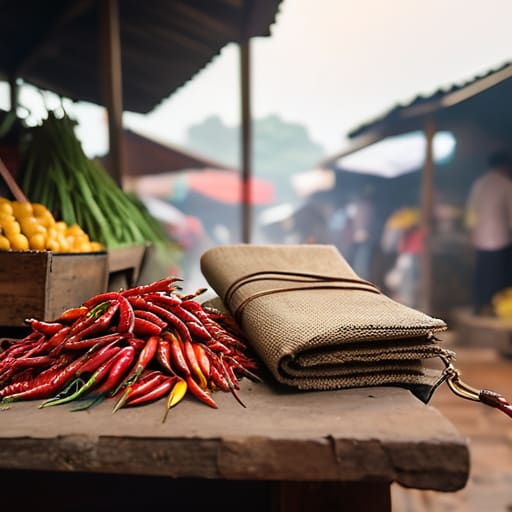
There is a specific kind of sensory overload that happens when you step into a wet market at dawn. It isn’t just the noise; it’s the thick, humid air heavy with the scent of crushed lemongrass, fermented fish sauce, and damp earth. While most people head straight for the polished marble counters of a city center, I’ve always found that the real authentic local experiences are tucked away in these narrow, chaotic aisles. I usually find myself leaning against a stall, notebook in hand, trying to capture the exact smell of a spice vendor’s corner before the heat of the day settles in.
Navigating these spaces requires more than just a hungry stomach; it’s a lesson in unspoken etiquette in foreign countries. You learn quickly that a respectful nod to the woman prepping vegetables or the way you hold your small change matters more than any guidebook tip. It’s a subtle form of cross-cultural communication that happens without a single shared word. When you stop being a spectator and start participating in the rhythm of the market, the city finally starts to feel less like a postcard and more like a home.
Understanding Historical Landmarks Significance Through Shared Meals
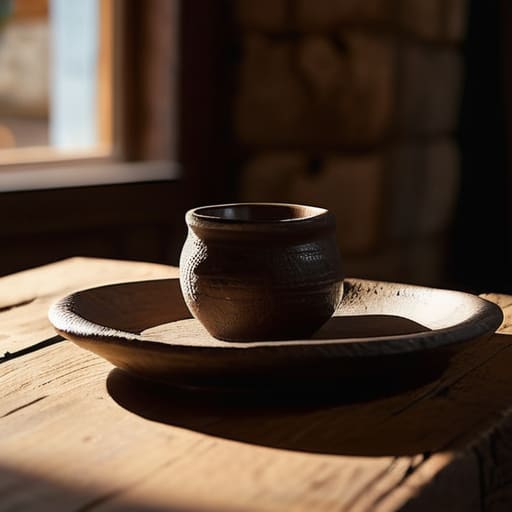
We often spend our days tracing the outlines of ancient ruins or staring up at crumbling cathedrals, trying to grasp the weight of history through stone and mortar. But I’ve found that the true historical landmarks significance often reveals itself more clearly when you step away from the monument and into the tavern next door. There is a specific kind of magic in sitting in a place that has served the same recipe for centuries, watching how the light hits the same wooden tables that generations of locals have leaned over.
It’s in these quiet, shared moments—perhaps over a heavy stew or a simple loaf of bread—that the past stops being a textbook entry and starts feeling alive. Engaging with these long-standing traditional customs and rituals around a dinner table provides a bridge to the people who actually inhabit these historic spaces. You realize that while the empires may have fallen, the way people gather to break bread remains a constant, grounding thread through the centuries.
How to actually find the heartbeat of a place
- Let your nose lead the way. I always keep a small notebook in my pocket, not just for addresses, but to jot down the specific scent of a street corner—charred meat, damp stone, or jasmine. If a place smells like nothing, it’s probably a tourist trap.
- Follow the “plastic stool rule.” If you see locals sitting on low, uncomfortable plastic stools on a sidewalk, that’s where the real magic is happening. If the seating is ergonomic and the menu is in three languages, you’ve already lost the plot.
- Learn the “language of ingredients.” You don’t need to be fluent, but knowing the names of three local vegetables or a specific spice can turn a transaction into a conversation. It shows you aren’t just there to consume; you’re there to understand.
- Embrace the slow mornings. Instead of rushing to a museum by 9 AM, find a neighborhood bakery or a small coffee stall and just sit. Watch how the locals interact before the city’s frantic energy takes over. The real culture is in the quiet, repetitive rituals of daily life.
- Ditch the curated itineraries. Leave at least two days of your trip completely blank. The best stories I’ve ever written didn’t come from a guidebook; they came from taking a wrong turn and ending up in a tiny, family-run kitchen where no one spoke my language, but everyone understood a shared meal.
The Lessons I’ve Learned Between Bites
Stop looking for the “best” rated spots on an app and start looking for the places where the locals aren’t in a rush; the most profound cultural stories are usually found in the quiet, unpolished corners of a neighborhood cafe.
Treat every meal as a piece of living history, because understanding how a community uses its seasonal ingredients tells you more about their resilience and heritage than any museum plaque ever could.
Travel isn’t about checking off a list of monuments, but about slowing down enough to notice the small, sensory details—the scent of toasted spices in a morning market or the rhythm of a shared family dinner—that make a place feel like home.
The Flavor of Belonging
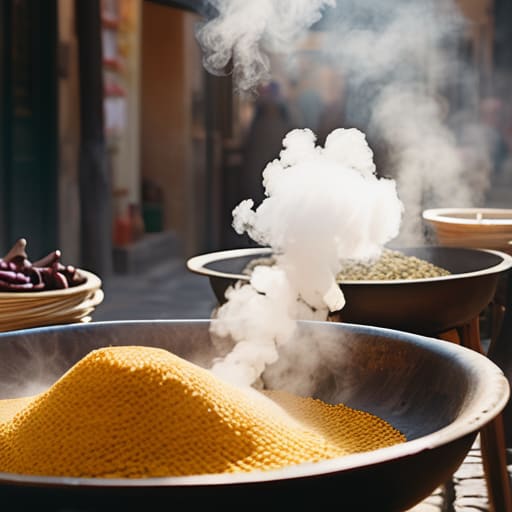
We spend so much time staring at monuments, trying to read history in stone, when we should be looking for it in the steam of a street vendor’s pot or the way a stranger offers a seat at a crowded table; culture isn’t something you observe from a distance, it’s something you taste.
Anouk Verhoeven
The Flavor of Belonging
At the end of the day, traveling for culture isn’t about checking a famous monument off a bucket list or standing in a three-hour line for a photo op. It’s about those smaller, more visceral connections—the way the steam from a street vendor’s pot hits your face, or the shared silence of a crowded cafe where everyone is focused on the same ritual of eating. Whether I’m navigating a chaotic morning market or sitting in a quiet courtyard sharing a meal that tastes like history, I’ve realized that true understanding comes from the senses. We find the soul of a place not in the polished museum displays, but in the unscripted, everyday rhythms of its people.
So, the next time you find yourself in a new city, I challenge you to put down the guidebook and follow your nose instead. Let yourself get a little lost in the backstreets, sit on the uncomfortable chairs, and eat the food that looks nothing like what you have at home. There is a profound kind of magic in realizing that, despite our different languages and customs, we all find common ground around a table. Travel isn’t just about seeing new landscapes; it is about learning to see the world through the delicious, messy, and beautiful lens of human connection.
Frequently Asked Questions
How do you distinguish between a genuine local spot and a place that’s just performing "authenticity" for tourists?
It usually comes down to the rhythm of the room. If the menu is a glossy, translated booklet and the staff seems more focused on the front door than the stove, walk away. I look for the places where the noise is local—the clatter of heavy ceramic, the rapid-fire dialect, and people eating because they’re hungry, not because they’re posing. Authenticity isn’t a performance; it’s a lack of interest in being watched.
Is it possible to truly connect with a culture through food without knowing anything about the local language?
Absolutely. In fact, I think the lack of language sometimes forces a deeper kind of presence. When you can’t rely on a menu or a long explanation, you start paying attention to the things that actually matter: the steam rising from a bowl, the rhythmic chop of a knife, or the way a vendor’s eyes light up when you nod in appreciation. Food is its own dialect. You don’t need verbs to understand a shared smile over a plate of something incredible.
How do you manage the logistical side of traveling so minimally while still trying to experience these deep, slow-paced cultural moments?
It’s a constant balancing act. I stick to a strict “one bag” rule—everything I own has to be functional and lightweight. If I can’t carry it through a rain-slicked alleyway or onto a local bus, it doesn’t make the cut. I trade fancy hotel amenities for small, quiet guesthouses. It’s less about luxury and more about shedding the excess so I can actually focus on the scent of roasting spices instead of my luggage.
