
I was sitting in a cramped, humid market in Oaxaca last July, clutching my notebook and trying to capture the scent of toasted cacao and dried chilies, when I realized how much “green” advice actually feels like a performance. Everywhere I look online, people are peddling these expensive, sanitized versions of sustainable travel tips—buy this specific bamboo utensil set, stay in this overpriced eco-resort, or follow these rigid, soul-crushing rules. It feels less like protecting the planet and more like a lifestyle brand designed for people with more money than time.
I’m not here to sell you a curated aesthetic or a checklist of products you don’t need. Instead, I want to talk about how we can actually move through the world with intention, without losing the joy of discovery. My goal is to share the messy, practical, and deeply human side of things: how to eat locally so your money actually stays in the community, and how to travel in a way that honors the quiet, everyday rhythms of the places we visit. This isn’t about perfection; it’s about being a better guest in someone else’s home.
Table of Contents
Supporting Local Economies Through Tourism and Small Kitchens
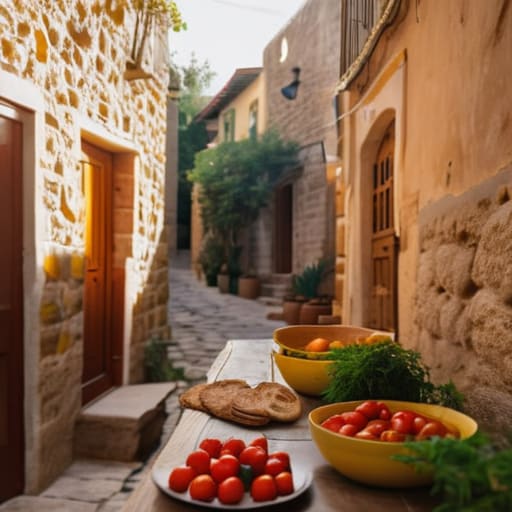
There’s a specific kind of magic that happens when you bypass the polished, international hotel chains in favor of a family-run guesthouse or a tiny, sun-drenched bistro. When I’m navigating a new city, I try to make it a rule to spend my money where the hands that prepared the food are the same hands that own the building. By supporting local economies through tourism, we ensure that the wealth stays within the community rather than being siphoned off by global corporations. It’s about more than just a transaction; it’s about keeping the unique pulse of a neighborhood alive.
I’ve found that the most profound cultural exchanges happen over a shared plate of something seasonal and unpretentious. Instead of looking for a Michelin star, I look for the steam rising from a street vendor’s cart or the handwritten chalkboard menu in a corner cafe. These small choices are core to my low impact travel habits, as they prioritize authenticity over convenience. When we eat locally, we aren’t just feeding ourselves; we are investing in the survival of the very traditions that make a destination worth visiting in the first place.
Reducing Carbon Footprint While Traveling Without Losing the Magic

I used to think that being an eco-conscious traveler meant sacrificing the very spontaneity that makes moving between cities so intoxicating. I thought I had to choose between seeing the world and protecting it. But lately, I’ve realized that low impact travel habits don’t have to feel like a chore; they can actually make the journey feel more intentional. Instead of rushing from one airport lounge to another, I’ve started taking the overnight train through the Alps. There is something about watching the landscape shift slowly through a window—rather than being suspended in a pressurized metal tube—that makes you feel much more connected to the earth beneath you.
It also starts with what we carry in our bags. I’ve leaned heavily into a minimalist eco-friendly packing list, focusing on versatile pieces that don’t require constant washing. My most prized possessions aren’t high-tech gadgets, but my zero waste travel essentials: a lightweight bamboo utensil set and a sturdy water flask. Using these means I can grab a quick lunch at a street stall without contributing to the mountain of single-use plastics that often plagues beautiful coastal towns. It’s about small, quiet choices that keep the magic of these places intact.
Small Shifts for a Lighter Footprint
- Pack a reusable kit that actually works—I never leave my linen tote and a collapsible silicone cup behind. It sounds small, but avoiding the constant stream of single-use plastics at street food stalls makes a massive difference in how much waste you leave in your wake.
- Choose slow transit whenever the schedule allows. There is a specific kind of magic in watching the landscape shift through a train window that you just can’t catch while flying over it, and it gives you a much more honest sense of the geography.
- Look for “zero-waste” grocers or seasonal markets instead of big-chain supermarkets. Buying what is actually in season means you aren’t eating something that had to be flown halfway across the world just to satisfy a craving.
- Respect the local rhythm by staying longer in one place. Instead of rushing through five cities in ten days, pick one and really settle in. You’ll find yourself visiting the same baker or coffee stall, and that’s when the real connections—and the real sustainability—begin.
- Opt for eco-certified stays that prioritize local ownership over international luxury brands. I’ve found that the tiny, family-run guesthouses often care far more about their local environment and community than a massive resort ever could.
Small Shifts, Big Impact
Trade the polished hotel lobbies for the grit and charm of neighborhood markets; your wallet stays local, and your palate actually learns something new.
Choose slow movement over frantic itineraries, whether that’s a train ride through the countryside or a long walk through a new district, to truly feel the rhythm of a place.
Pack with intention by choosing reusable, functional gear that respects the environments you’re visiting, rather than leaving a trail of single-use plastic behind you.
The Soul of the Journey
“Sustainability isn’t about checking boxes or following a rigid set of rules; it’s about slowing down enough to notice that when we choose the corner bakery over the hotel buffet, we aren’t just eating—we’re participating in the heartbeat of a place.”
Anouk Verhoeven
Finding Your Own Rhythm
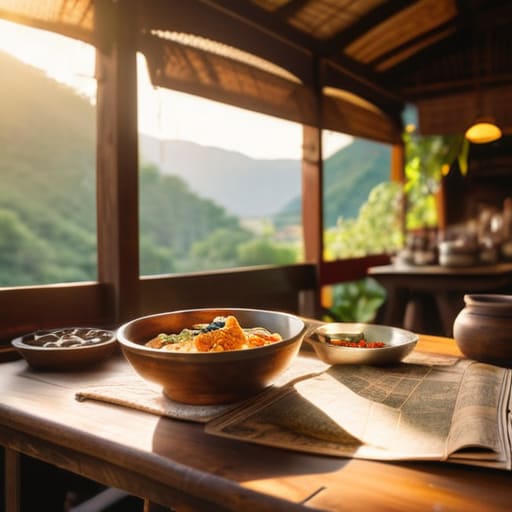
At the end of the day, sustainable travel isn’t about following a rigid checklist or feeling guilty about every single choice you make. It’s really about a shift in perspective—moving away from the convenience of the mass-produced and leaning into the intentionality of the local. Whether you are choosing a slow train over a short-haul flight to see the landscape unfold, or opting to eat at that tiny, unnamed stall in a crowded market rather than a global chain, you are making a choice to connect. By prioritizing small kitchens and mindful movement, we ensure that the places we fall in love with actually have a future worth visiting.
I often find that my best memories don’t come from the polished, eco-certified resorts, but from the quiet, messy, and unscripted moments that happen when we slow down. Travel shouldn’t be a race to check off landmarks; it should be an invitation to listen to the heartbeat of a new city. When we travel with a lighter footprint and a heavier curiosity, we don’t just see a destination—we truly inhabit it. So, pack light, eat deeply, and leave nothing behind but a genuine appreciation for the stories you’ve gathered along the way.
Frequently Asked Questions
How do I find authentic, locally-owned eateries when I'm in a city where every street seems to be taken over by international chains?
When the neon signs of global chains start to feel overwhelming, I tuck my phone away and just walk. I look for the places where the menu isn’t translated into five languages, or where the steam from a kitchen window smells more like garlic and spices than processed oil. Usually, the best spots are tucked into side alleys or near residential blocks. If you see a local grandmother sitting at a corner table, follow her lead.
Is it actually possible to travel sustainably on a budget, or does "eco-friendly" usually mean paying a premium for boutique hotels?
Honestly, that’s the biggest misconception out there. “Eco-friendly” has been hijacked by luxury resorts charging a premium for bamboo straws and organic linens. For me, sustainability is actually much cheaper when you strip away the branding. It’s about choosing a local guesthouse over a massive chain, taking the train instead of a short-haul flight, and eating what’s in season at the market. Real sustainability is grounded in simplicity, not a high price tag.
How can I balance my desire to see as much as possible with the need to slow down and minimize my environmental impact?
I used to fall into the “checklist trap” too, trying to tick off every monument in a single weekend. It’s exhausting and, honestly, pretty hollow. Now, I try to pick one neighborhood and really inhabit it. Instead of a high-speed train to three different cities, I’ll take a slow bus to one and spend my afternoons wandering through local markets. You see so much more when you stop rushing past the life happening on the sidewalks.
