Category: Travel

  • Exploring Travel Through Niche Interests

    Exploring Travel Through Niche Interests

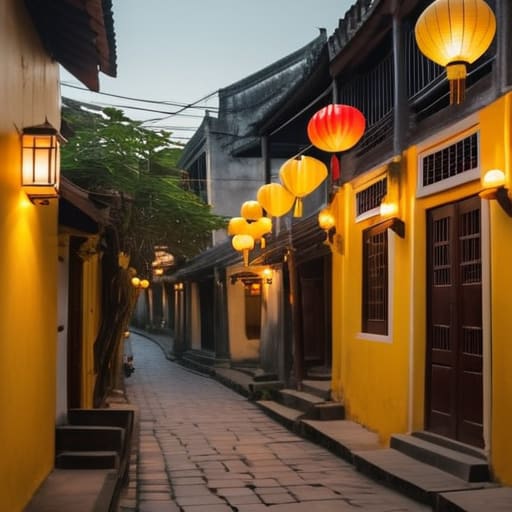
    I was sitting on a damp stone step in a narrow alleyway in Oaxaca last spring, my notebook open and my fingers smelling faintly of roasted cacao and woodsmoke. I wasn’t looking for a guided tour or a curated “top ten” list; I was just watching an elderly woman hand a steaming tamale to a construction worker through a window no wider than my shoulders. This is where the real magic happens, far away from the polished itineraries that try to commodify niche travel interests into something safe and sterile. Most people think finding a unique way to travel requires a massive budget or a specialized degree, but I’ve learned that the most profound connections are often found in the unscripted gaps between the landmarks.

    I’m not here to sell you on expensive, boutique “experiences” that feel more like performances than reality. Instead, I want to show you how to cultivate your own curiosity so you can find the soul of a place through its smallest details. My goal is to share the practical, unfiltered ways you can lean into your own specific passions to transform a simple trip into a way of truly living.

    Table of Contents

    The Quiet Magic of Cultural Immersion Travel

    The Quiet Magic of Cultural Immersion Travel

    There’s a specific kind of loneliness that hits when you’re standing in front of a famous monument, surrounded by hundreds of people all holding up their phones in unison. It feels performative, like you’re watching a movie rather than living a life. For me, the shift happened when I stopped chasing the “must-see” lists and started leaning into cultural immersion travel. Instead of checking off landmarks, I began looking for the spaces in between—the tiny, family-run bakeries where the flour dust hangs in the morning light, or the communal tables where the conversation flows faster than the wine.

    This shift is part of a larger movement toward passion-driven itineraries, where the goal isn’t just to see a place, but to feel its rhythm. It’s about choosing a destination because you want to learn how to ferment kimchi in a Seoul alleyway, or because you heard a specific spice market in Marrakech holds the key to a certain kind of memory. When you travel with a specific curiosity, the world stops being a backdrop and starts becoming a teacher. You aren’t just a spectator anymore; you’re a participant in the quiet, unscripted magic of the everyday.

    Crafting Passion Driven Itineraries That Feel Like Home

    Crafting Passion Driven Itineraries That Feel Like Home

    I’ve learned the hard way that following a pre-packaged tour guide is the fastest way to feel like a stranger in a place you’ve traveled miles to see. Instead, I’ve started leaning into passion-driven itineraries that prioritize curiosity over checklists. For me, that means skipping the famous monuments to spend a Tuesday morning tracing the scent of roasted cardamom through a spice market. When you build a trip around what actually makes your heart beat faster—whether it’s hunting for vintage film cameras or finding the perfect sourdough—the travel stops feeling like a series of chores and starts feeling like living.

    This shift is part of a larger movement toward more intentional, tailor-made travel experiences that reject the “one size fits all” approach. I don’t want to see everything; I want to see the things that matter. It’s about finding that specific corner of the world that resonates with your own odd little obsessions. When you design your journey around these small, personal anchors, you aren’t just a spectator anymore. You become a participant in the local rhythm, finding a sense of belonging in the most unexpected, quiet corners.

    How to Find the Real Story (Without the Tourist Map)

    • Follow your nose, not the guidebook. I’ve learned that the most authentic cultural insights don’t come from a museum plaque, but from the scent of toasted spices or fermenting dough wafting through a back alley. If a street smells like history, walk toward it.
    • Learn the “language of the table.” You don’t need to be fluent to connect with people, but knowing how to order a coffee or thank a vendor in their local dialect opens doors that a translation app never will. It shows you’re there to listen, not just to consume.
    • Embrace the discomfort of the unknown. The best stories usually start when I realize I’m lost or when I’m sitting on a tiny, wobbly stool in a place where no one speaks English. If your itinerary feels too safe, you’re probably missing the soul of the destination.
    • Carry a physical notebook. There’s something about the tactile act of writing—recording the specific humidity of a market or the exact shade of a bruised peach—that keeps you grounded in the moment rather than viewing the world through a smartphone lens.
    • Look for the seasonal rhythm. Instead of chasing “top ten” lists, travel when the ingredients are at their peak. Understanding what a culture eats during its harvest or its leanest months tells you more about their resilience and joy than any landmark ever could.

    Lessons from the Road

    Stop chasing the “must-see” checklists and start following your senses; often, the most profound cultural connections happen when you follow the scent of a spice market or the sound of a local kitchen.

    Build your trips around what you love to do, not just what you’re “supposed” to see—if you’re a photographer, let the light dictate your schedule, not a tour bus.

    Real travel isn’t about the grand monuments, but the small, unscripted moments found in the quiet corners of a city where the locals actually live and eat.

    The Heart of the Matter

    “We spend so much time checking off landmarks like they’re items on a grocery list, but the real magic happens when you stop looking for the view and start looking for the flavor—the kind of travel that lives in the steam of a street vendor’s pot or the specific, dusty scent of an old spice market.”

    Anouk Verhoeven

    The Art of Wandering Intentionally

    The Art of Wandering Intentionally through culture.

    At the end of the day, moving away from the curated checklists and the “must-see” monuments isn’t just about seeing more things; it’s about feeling more deeply. Whether you are tracing the history of a spice route through a local market or spending an afternoon learning the rhythm of a village’s daily bread-making, these niche interests are the threads that weave a trip together. When we stop trying to check off boxes and start following our curiosities—be it through the lens of a camera, a kitchen, or a dusty archive—we transform from mere spectators into active participants in the world’s story.

    So, my advice for your next journey is simple: leave a little room for the unplanned. Don’t be afraid to let a scent from a street stall or a recommendation from a stranger dictate your afternoon. The most profound connections rarely happen at the top of a famous landmark; they happen in the quiet, unscripted gaps between the sights. Travel isn’t a performance to be captured for a feed, but a sensory dialogue between you and the unknown. Go find the small things, because that is where the real magic is always hiding.

    Frequently Asked Questions

    How do I figure out what my own "niche" interest is without it feeling forced or performative?

    Stop trying to “curate” a personality. Honestly, the most performative thing you can do is hunt for a niche that looks good on a grid. Instead, just pay attention to what you do when no one is watching. What’s that one thing you find yourself researching at 2 a.m.? Is it the history of salt? The way light hits old architecture? Follow your genuine curiosity; the “niche” will find you in the details.

    Is it actually possible to find these authentic, quiet moments in cities that are clearly built for mass tourism?

    It’s a fair question, and honestly, it’s the hardest part of the job. In cities like Venice or Bangkok, the “tourist veneer” is thick, but it’s never absolute. You just have to learn to look for the cracks. I usually find them by walking two streets away from the main plaza or following the scent of roasting coffee into a narrow alley. The magic isn’t gone; it’s just hiding behind the souvenir shops.

    How do I balance the desire for deep cultural immersion with the practicalities of traveling solo on a budget?

    It’s a delicate dance, isn’t it? I used to think deep immersion required a huge budget, but honestly, the most profound moments usually happen when you’re broke. I lean into slow travel—staying in one neighborhood longer to find that one specific bakery where the baker knows my face. Use hostels for the social connection, but eat at the street stalls where the locals congregate. It’s cheaper, and the flavors are always more honest.

  • Exploring Diverse Scenic Landscapes

    Exploring Diverse Scenic Landscapes

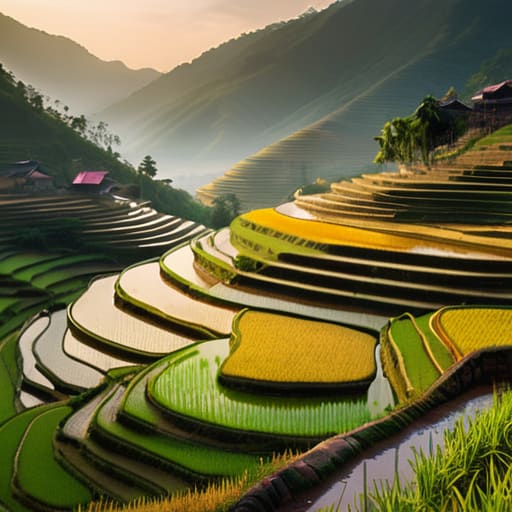
    I was standing on a windswept ridge in the Highlands last autumn, clutching a lukewarm thermos and watching a group of tourists scramble over a safety barrier just to snap the exact same photo they’d seen on a thousand Instagram feeds. It struck me then how much we’ve commodified the idea of scenic landscapes; we’ve turned them into mere backdrops for digital validation rather than places to actually be. We chase these curated, postcard-perfect views, often overlooking the quiet, unpolished beauty that exists just a few miles off the paved road.

    I’m not here to give you a list of the most “Instagrammable” spots or tell you which expensive viewpoints are worth the entry fee. Instead, I want to show you how to find the real soul of a place—the kind of views that make you put your camera away and just breathe. I’ll be sharing my personal maps to the overlooked corners and the quiet, sensory details that make a landscape feel like a home rather than a destination. We’re going to look past the hype and find the authentic connection between the land and the life it sustains.

    Table of Contents

    Seeking Breathtaking Mountain Vistas in Quiet Corners

    Seeking Breathtaking Mountain Vistas in Quiet Corners

    I’ve always found that the most profound sense of scale doesn’t come from standing at a crowded summit, but from the quiet moments spent navigating the approach. Last autumn, while wandering through a lesser-known stretch of the Dolomites, I realized that the best photography locations for landscapes aren’t the ones pinned on every influencer’s map. Instead, they are the tucked-away ridges where the air smells of damp pine and crushed stone. I spent an afternoon perched on a limestone ledge, far from the main tourist arteries, simply watching the light shift across the peaks.

    There is a specific kind of stillness you only find when you commit to true wilderness exploration. It’s not about checking a box or conquering a trail; it’s about the way the fog rolls through a valley, momentarily erasing the world below. When you finally break through the cloud line to find those breathtaking mountain vistas waiting for you, it feels less like a view and more like a conversation with the earth itself. I find myself reaching for my notebook, not to sketch the peaks, but to capture that sharp, biting scent of high-altitude snow.

    National Park Scenery Without the Crowds

    National Park Scenery Without the Crowds

    I’ve learned the hard way that the most famous entrance gates to our national parks are often where the magic starts to fade, replaced by idling engines and the hum of a thousand selfie sticks. If you’re looking for true national park scenery, my advice is to look for the “second-tier” parks or the lesser-known boundary zones. Last autumn, I found myself in a corner of a park that most people bypassed on their way to the main canyon, and the silence was almost deafening in the best way possible. There is something deeply grounding about standing in a vast space where the only thing competing for your attention is the wind through the pines.

    For those of us who treat wilderness exploration as a way to reset, the goal isn’t just to see a view, but to feel the scale of it. I often find that the best photography locations for landscapes aren’t the ones with the most Instagram tags, but the ones that require a bit of extra grit to reach. I’d much rather spend an hour navigating a dusty, unmapped trail than wait in a queue for a paved overlook. It’s in those quiet, unscripted moments—when you’re miles from the nearest gift shop—that the landscape actually starts to speak to you.

    How to actually see the view (without the selfie sticks)

    • Pack a small, dedicated notebook—not just for sketches, but to jot down the specific scent of the air, like damp pine or sun-baked salt. It anchors the visual memory in something much deeper.
    • Forget the “Top 10” lists on TripAdvisor. I’ve found that the most honest landscapes are usually found by following a local’s suggestion of a “nice walk” rather than a designated lookout point.
    • Time your arrivals for the “in-between” hours. There’s a specific, quiet magic in a landscape just before the morning mist burns off, or right as the light turns heavy and golden before dusk.
    • Bring an analog camera if you can. The process of slowing down to frame a shot, rather than mindlessly snapping fifty digital photos, forces you to actually observe the textures of the earth.
    • Always look for the edges. The most interesting perspectives aren’t always at the center of the vista; sometimes the real character of a place is found in the way the scrubland meets the cliffside or how a river bends through a valley.

    Finding the Soul Beyond the View

    The most profound landscapes aren’t found at the crowded viewpoints, but in the quiet, overlooked spaces where you can actually hear yourself think.

    True connection to a place comes from slowing down; a single, unhurried hour in a remote valley often tells a better story than a dozen rushed photos at a famous landmark.

    Look for the edges—the places where the well-trodden paths end and the real, unscripted character of the land begins to show.

    The Texture of a View

    A landscape isn’t just a pretty picture to be checked off a list; it’s the way the air changes temperature as you climb, the scent of damp pine needles underfoot, and that heavy, beautiful silence you can only find when you stop looking for the view and start actually feeling the place.

    Anouk Verhoeven

    The View Beyond the Frame

    The View Beyond the Frame landscape.

    Looking back on the trails we’ve traced, it becomes clear that the most profound landscapes aren’t always the ones that make it onto a glossy travel brochure. Whether it was finding that unexpected stillness in a high-altitude mountain pass or stumbling upon a hidden corner of a national park that felt entirely my own, the lesson remains the same: the magic happens when you step off the paved path. We’ve talked about seeking out those quiet vistas and avoiding the heavy foot traffic of the main attractions, but more importantly, we’ve explored how these spaces allow us to breathe. It’s about finding that specific, uninterrupted silence that tells you you’re exactly where you need to be.

    As I pack my notebook and clean my lenses for the next destination, I’m reminded that a landscape is more than just a visual feast; it’s a sensory experience that anchors us to the earth. Don’t just chase the perfect shot or the most famous summit. Instead, let yourself get lost in the scent of damp pine needles or the way the light shifts across a valley just before dusk. The real beauty of travel isn’t found in checking a landmark off a list, but in the quiet, fleeting moments where the world feels vast, ancient, and entirely real. Go find your own corner of the world, and let it change you.

    Frequently Asked Questions

    How do you find these quieter spots without getting lost or ending up somewhere completely inaccessible?

    I’ve learned the hard way that “off the beaten path” can quickly turn into “lost in the woods.” I usually rely on topographical maps—the paper kind, if I can find one—alongside offline GPS apps like Gaia. But my real secret? I talk to the locals. I’ll find a small bakery or a corner shop and ask where they go for a weekend walk. They know the paths that don’t show up on Google.

    Are there specific times of year when these landscapes are most beautiful but least crowded?

    It really depends on the latitude, but I’ve found that the “shoulder seasons”—late spring and early autumn—are where the magic happens. In the fall, the air turns crisp and the light becomes softer, which is a dream for my analog film. You avoid the summer heat and the heavy crowds, and there’s this quiet, melancholic beauty in the shifting colors. It feels less like a tourist destination and more like a living, breathing place.

    Do you have any tips for capturing these views on film without needing a massive, professional setup?

    Honestly, I’ve learned to embrace the limitations. I never lug around heavy tripods; they just make me feel like an outsider. Instead, I rely on a sturdy, vintage folding tripod or even just a flat rock to steady my camera. The real secret is patience. I wait for that specific, soft light—usually just after sunrise—and let the natural textures do the work. Sometimes, the most honest shots come from a slightly imperfect, handheld moment.

  • Navigating the Realities of Summer Travel

    Navigating the Realities of Summer Travel

    The humidity in Bangkok was thick enough to chew, but it wasn’t the heat that stayed with me—it was the scent of bruised lemongrass and scorched chili drifting from a nameless stall near the canal. While everyone else was fighting for a lukewarm cocktail at a rooftop bar, I was sitting on a plastic stool, watching the way the light hit the condensation on a glass of iced tea. That is the real magic of summer travel; it isn’t found in the air-conditioned luxury of a resort, but in those unscripted, messy moments where the city actually feels alive.

    I’m not here to give you a polished list of the most Instagrammable beaches or the most expensive excursions. Instead, I want to pull back the curtain on how to navigate the heat and the crowds without losing your soul to the tourist traps. I promise to share the kind of honest, boots-on-the-ground advice I’ve gathered from years of chasing seasonal flavors across the globe. We’re going to look past the postcards and find the quiet, delicious reality of moving through the world when the sun is at its peak.

    Table of Contents

    Chasing seasonal travel trends in hidden coastal villages.

    While everyone else is fighting for a sun lounger in a crowded resort, I’ve been looking toward the smaller, salt-crusted villages that the guidebooks tend to overlook. There is a specific kind of magic in these places when the heat hits its peak; the pace of life slows down to match the rhythm of the tides. Lately, I’ve noticed a shift in seasonal travel trends, with more people seeking these quieter, more authentic corners rather than the polished, high-traffic hubs. It’s about finding that one tiny taverna where the catch of the day was still swimming a few hours ago.

    Getting there requires a bit more grit than a standard holiday. You won’t find luxury shuttles here, so I usually rely on my handwritten notes to navigate the winding, unmapped coastal roads. It’s less about checking off a list of famous landmarks and more about the sensory details—the smell of drying nets, the warmth of sun-baked stone, and the taste of a peach so ripe it practically melts. For me, these are the most rewarding budget friendly summer trips because the wealth isn’t in the amenities, but in the unfiltered connection to the land and sea.

    Budget Friendly Summer Trips Through Local Food Markets

    Budget Friendly Summer Trips Through Local Food Markets

    When I’m looking for budget friendly summer trips, I’ve learned to stop looking at hotel brochures and start looking at market maps. There is a specific kind of magic in a city that lives through its stalls—the way the humidity carries the scent of bruised mint and overripe stone fruit. Instead of sitting down for a three-course meal at a restaurant with a view, I find myself leaning against a wooden crate, eating something incredible for three euros. It’s the most honest way to experience a place without draining your savings before the month is even half over.

    I always keep a few essential items in my bag for these excursions—a reusable linen tote and a small knife—but my most important tool is just my curiosity. You don’t need an expensive itinerary to find the heart of a destination; you just need to follow the crowds of locals heading toward the morning stalls. While everyone else is chasing the most expensive best summer vacation destinations, I’m perfectly content sitting on a curb with a paper cone of fried calamari, watching the world go by.

    Small Rituals for Navigating the Summer Heat

    • Pack light, but prioritize textures. I’ve learned the hard way that linen isn’t just a fashion choice; it’s a survival tactic when you’re navigating a humid afternoon in a crowded spice market.
    • Follow the scent, not the signs. When the midday sun hits, skip the restaurants with English menus taped to the window. Instead, look for the places where the air smells of garlic and charcoal, and where the locals are leaning over their plates.
    • Carry a physical notebook. Digital maps are great, but there’s something about scribbling down the exact aroma of a sun-ripened peach or a specific street vendor’s stall that keeps me grounded when the travel fatigue sets in.
    • Embrace the siesta rhythm. The best way to experience a city in summer is to live like the locals: do your exploring in the cool, blue hours of the morning, then retreat to a shaded corner during the heat of the day to read and recharge.
    • Shop for your own dinners. Instead of booking every meal in advance, spend an afternoon wandering through a local produce market. Buying a few seasonal tomatoes and a loaf of crusty bread for a quiet evening is often more memorable than any five-star dinner.

    The Art of Slowing Down This Summer

    Trade the rigid itinerary for a sense of smell; let the scent of a specific spice or a seasonal fruit guide you toward your next meal rather than a guidebook.

    Seek out the small, unbranded kitchen stalls where the menu changes with the morning market, as these are the places where a culture’s true rhythm lives.

    Prioritize connection over collection by choosing one local ingredient to learn about deeply rather than trying to taste everything in a single afternoon.

    The Rhythm of the Season

    Summer travel isn’t about checking monuments off a list; it’s about the way the heat slows everything down, forcing you to sit longer at a cafe table and finally notice the specific, fleeting scent of sun-ripened stone fruit in a local market.

    Anouk Verhoeven

    The Slow Rhythm of Summer

    The Slow Rhythm of Summer in villages.

    As the heat settles in and the days stretch long, it becomes clear that summer travel isn’t about checking off famous landmarks or hitting the most popular beach clubs. It’s about the small, intentional shifts—the way we trade the polished tourist routes for the unpredictable charm of a coastal village, or how we let a local market dictate our dinner plans rather than a guidebook. Whether you are navigating the narrow alleys of a hidden seaside town or finding solace in the vibrant chaos of a street food stall, you are doing more than just sightseeing; you are tasting the very pulse of a place.

    At the end of the day, I hope you leave your itinerary behind just often enough to let the world surprise you. Don’t be afraid to get a little lost, to follow a scent of woodsmoke or citrus, or to sit at a wobbly table in a cafe where no one speaks your language. Those are the moments that actually stay with you—the ones that don’t make it into the glossy brochures but end up etched into your memory. Travel isn’t a checklist to be completed; it is a way to reconnect with the world, one bite and one quiet street at a time.

    Frequently Asked Questions

    How do I find these small, local eateries without accidentally stumbling into a tourist trap?

    Look for the places where the menus aren’t translated into five languages. If there’s a laminated picture of a dish on a stand outside, keep walking. I usually follow my nose—or my notebook—into the side streets where the lunch rush looks more like a local ritual than a tourist feeding frenzy. If you see elderly neighbors sharing a table or a handwritten chalkboard in a language you don’t recognize, you’ve likely found something real.

    What are some practical ways to keep my gear, like my analog camera and notebooks, safe while navigating crowded summer markets?

    Navigating a packed market with a Leica and a notebook feels like a balancing act. I’ve learned to ditch the bulky camera bag for a slim, crossbody sling that stays tight against my ribs—it’s much harder for someone to bump into. For my notebooks, I keep them in a zippered internal pocket. Honestly, the best defense is just being mindful; I keep my gear close, tucked away until the exact moment the light hits just right.

    How can I plan a summer itinerary around seasonal ingredients without spending a fortune on travel?

    The trick is to let the calendar dictate your map, not the other way around. Instead of chasing famous cities, look for where a specific ingredient is peaking—maybe it’s the peach season in a small valley or the first catch of wild herbs in a coastal town. Use regional buses or slow trains to move between these pockets; it’s cheaper, slower, and honestly, that’s where the best stories (and smells) are found.

  • The Charm Found in Small Towns

    The Charm Found in Small Towns

    I was sitting in a sun-drenched plaza in a village outside of Lyon last Tuesday, watching a tourist struggle to navigate a menu that was clearly translated by a computer, and it hit me: we’ve completely commodified the idea of small town charm. We’ve been taught to look for it in curated “boutique” experiences, overpriced artisanal gift shops, and those perfectly staged Instagram corners that feel more like film sets than living, breathing communities. But you don’t find the heartbeat of a place in a souvenir shop; you find it in the smell of toasted sourdough drifting from a bakery that’s been there for three generations, or the way the local butcher knows exactly which cut of meat is best for tonight’s stew.

    I’m not here to give you a checklist of the most “photogenic” spots or a guide to the trendiest weekend getaways. Instead, I want to show you how to actually listen to a place. I’ll be sharing the honest, unvarnished ways to find the real stories hidden in the quiet corners and crowded markets, moving past the postcard clichés to find the genuine connection between a culture and its kitchen.

    Table of Contents

    The Slow Rhythm of Peaceful Village Life

    The Slow Rhythm of Peaceful Village Life

    There is a specific kind of silence you only find in places where the clock seems to have lost its gears. It isn’t a hollow silence, though; it’s heavy with the sound of life moving at a human pace. Walking through these narrow lanes, I’m struck by the nostalgic small town vibes that settle over you like a soft linen blanket. You see it in the way a shopkeeper pauses a conversation to wave at a passing neighbor, or how the afternoon light lingers on a weathered stone wall. Everything feels intentional, as if the residents have collectively decided that rushing is a luxury they simply don’t need.

    In these pockets of the world, the true rural living benefits aren’t found in a guidebook, but in the absence of urgency. I spent a Tuesday morning just sitting on a bench near the communal well, watching the way the light shifted across the square. There is a profound sense of belonging here, a community driven culture that transforms a collection of buildings into a living, breathing organism. You realize that the magic isn’t in the scenery, but in the shared rhythm of a life lived without the constant hum of the city.

    Nostalgic Small Town Vibes Over Morning Coffee

    Nostalgic Small Town Vibes Over Morning Coffee

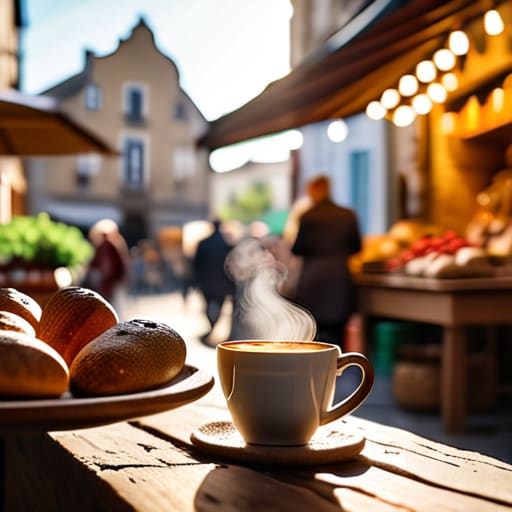
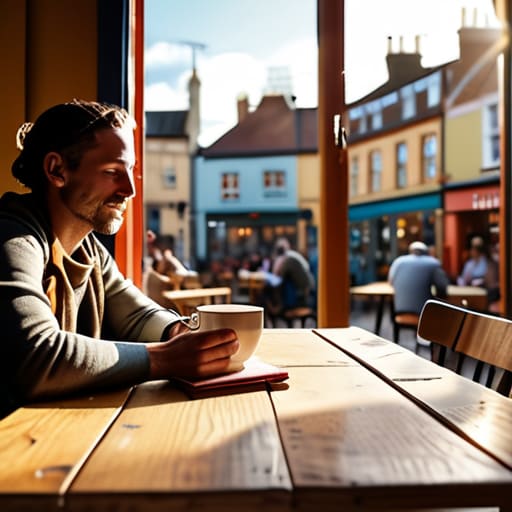
    There is a specific kind of magic that happens when the sun first hits the brickwork of a town’s center. I usually find myself tucked into a corner booth of a cafe that smells faintly of toasted rye and old wood, watching the world wake up. It isn’t about the grand architecture, though the main street aesthetics are certainly lovely; it’s about the ritual. It’s the way the baker recognizes the regular at the next table, or the quiet nod exchanged between neighbors over a steaming espresso.

    In these moments, you realize that nostalgic small town vibes aren’t just a curated aesthetic for a mood board. They are felt in the unhurried pace of a morning that refuses to be rushed by a digital clock. There is a profound sense of a community driven culture here, where the local coffee shop acts as the town’s living room. You aren’t just a consumer passing through; for a brief, caffeinated hour, you are a witness to the quiet, steady heartbeat of a place that knows exactly who it is.

    How to actually find the heartbeat of a place

    • Put the map away and let your nose lead the way. I always keep a small notebook for the scents of a market—the sharp sting of citrus or the heavy sweetness of roasting coffee—because if a street smells like nothing, you’re probably in a tourist trap.
    • Eat where the menu is handwritten and the chairs look a little mismatched. If the locals are sitting there in their work clothes, ignoring the world around them, you’ve found the real kitchen.
    • Learn the art of the “unhurried linger.” Small town charm isn’t something you can check off a list; it’s something you experience when you stop rushing to the next landmark and just sit on a bench to watch the light change on the cobblestones.
    • Seek out the single-purpose shops. The tiny cobbler, the family-run apothecary, or the shop that only sells one type of spice—these are the anchors that keep a town’s culture from drifting away.
    • Listen more than you talk. The best stories aren’t in the guidebooks; they’re whispered over a shared table or exchanged between neighbors at the morning market. Just be observant, stay grounded, and let the town reveal itself to you.

    What to Look For When You Wander

    Ignore the polished storefronts and follow your senses; the real character of a place is usually found in the scent of a spice stall or the sound of a local dialect echoing in a narrow alley.

    Seek out the “slow” moments, like sitting in a cafe for an hour without checking your phone, to truly feel the unhurried pulse of a community.

    Eat where the locals eat, not where the menus are translated into five different languages, because the most honest stories are always told over a shared, simple meal.

    The Unseen Threads of Connection

    Small town charm isn’t a curated aesthetic or a collection of quaint storefronts; it’s the unspoken familiarity between a vendor and a regular, the way the air smells of woodsmoke and damp earth, and that rare, quiet realization that you aren’t just passing through a place, but briefly stepping into the rhythm of a life already well-lived.

    Anouk Verhoeven

    Finding the Heart of the Journey

    Finding the Heart of the Journey.

    At the end of the day, small town charm isn’t about checking a famous landmark off a list or finding the most Instagrammable storefront. It’s about those quiet, unscripted moments we’ve touched on—the way the morning light hits a local bakery window, the rhythmic pace of a village that refuses to rush, and the genuine connection found over a shared meal in a space that feels more like a living room than a restaurant. When we stop looking for the spectacle and start looking for the soul of a place in its sensory details, the world starts to feel a lot smaller and a lot more intimate.

    As I pack my notebook and get ready for my next destination, I’m reminded that we don’t travel just to see new landscapes, but to see the world through a different lens. I hope that the next time you find yourself in a place that feels “small,” you don’t rush through it. Instead, I hope you sit a little longer at that chipped wooden table, breathe in the scent of the local spice market, and let the slow pulse of the community settle into your own bones. After all, the most profound stories aren’t found in the guidebooks; they are waiting for you in the quiet corners of the everyday.

    Frequently Asked Questions

    How do you tell the difference between a town that's genuinely preserving its culture and one that's just a polished version of itself for tourists?

    It’s all in the sensory details. A town preserving its soul smells like real life—damp earth, roasting coffee, or the sharp scent of local spices—not just vanilla-scented candles from a gift shop. Look for the “friction.” If you see locals arguing over produce in a market or a bakery that only sells one type of bread because that’s what the village has always done, it’s real. If everything is too perfect to touch, it’s a stage set.

    Are there specific seasonal shifts or local festivals that make these small towns feel more alive than others?

    It’s all about the calendar. In the Mediterranean, a village might feel sleepy until the harvest festivals arrive, turning quiet squares into sensory explosions of crushed grapes and woodsmoke. I’ve found that the real magic happens during these shifts—when a town’s entire identity pivots around a single seasonal ingredient. Whether it’s a truffle hunt in autumn or a spring flower market, these moments pull the community out of their homes and into the streets.

    What are some practical ways to find those hidden, family-run eateries that don't show up on a standard Google Maps search?

    I’ve learned that the best kitchens don’t have a digital footprint; they have a scent. I follow my nose toward the heaviest steam or the smell of toasted spices. I also look for the “lunchtime rush” of locals—if you see delivery drivers or construction crews huddled around small wooden tables, you’ve found gold. Honestly, just asking the person running the local flower stall or the cobbler usually works better than any algorithm.

  • Observing Traditional Festivals in Different Regions

    Observing Traditional Festivals in Different Regions

    I still remember sitting on a plastic stool in a humid alleyway in Oaxaca, my notebook damp from the heat, as the scent of toasted cacao and woodsmoke drifted through the air. While the guidebook had pointed me toward the massive, neon-lit parades designed for the crowds, the real soul of the local traditional festivals was actually happening three streets over, in a quiet courtyard where neighbors were sharing plates of mole. It’s in those unscripted, messy moments—the steam from a communal pot or the rhythmic thud of a mortar and pestle—that you actually feel the heartbeat of a place, far away from the polished, expensive performances staged for tourists.

    I’m not here to give you a checklist of the most “Instagrammable” dates on the calendar. Instead, I want to show you how to peel back the layers of these celebrations to find the genuine human connections hidden underneath. We’re going to skip the overpriced VIP tickets and the staged spectacles; my goal is to help you navigate the chaos so you can find the quiet, delicious truths that make these traditions worth witnessing in the first place.

    Table of Contents

    The Cultural Significance of Folk Festivals and Shared Meals

    The Cultural Significance of Folk Festivals and Shared Meals.

    It’s easy to get caught up in the spectacle—the bright costumes or the loud music—but for me, the real weight of these moments lies in the communal table. When I look at the cultural significance of folk festivals, I don’t see a performance for outsiders; I see a way for a community to anchor itself. These gatherings act as a living bridge, connecting the younger generation to the ancient ritual traditions that their grandparents practiced in the same dusty squares. It’s a way of saying, “This is who we are, and this is what we value.”

    There is something deeply grounding about watching a village prepare a single, massive pot of stew to mark a turning point in the year. Whether it’s a feast for a harvest or a quiet gathering for seasonal solstice celebrations, the food acts as a shared language. You aren’t just eating; you are participating in a lineage. In those crowded, steam-filled kitchens, the history of a people isn’t found in a textbook, but in the specific way a spice is toasted or how a certain dough is folded. It’s how a culture survives.

    Tracing Ancient Ritual Traditions Through Local Flavors

    Tracing Ancient Ritual Traditions Through Local Flavors

    I’ve always found that the most profound way to touch history isn’t by staring at a dusty relic in a museum, but by tasting a recipe that hasn’t changed in centuries. When I sit in a dim kitchen in a remote mountain village, watching hands knead dough for a specific feast, I’m witnessing ancient ritual traditions in real-time. These flavors aren’t just about sustenance; they are edible maps of a people’s survival and their connection to the land.

    During my time documenting seasonal solstice celebrations across different latitudes, I noticed a recurring pattern: the ingredients change, but the intent remains the same. Whether it’s the heavy, spiced stews meant to ward off the winter chill or the bright, citrusy offerings for the spring thaw, the food acts as a bridge. It connects the modern diner to the ancestors who once stood in that same spot, eating the same harvest. For me, these meals are the most honest way to experience indigenous community festivities, stripping away the polished veneer of tourism to reveal the raw, delicious heartbeat of a culture.

    How to actually experience a festival (without feeling like a spectator)

    • Leave the guidebook in your bag and follow the scent of woodsmoke or frying spices. The best festival food isn’t found near the main stage; it’s usually tucked away in a narrow alleyway where the locals are queuing up.
    • Be prepared to eat with your hands. Many traditional celebrations involve communal platters or street snacks that aren’t meant for formal cutlery. It’s a small gesture of respect to lean into the messiness of the moment.
    • Observe the rhythm before you jump in. Every festival has its own unwritten etiquette—whether it’s how you approach a sacred shrine or how you wait your turn at a communal table. Watch the locals first; they are your best teachers.
    • Pack a small notebook, but keep your camera secondary. While I love a good film shot, the real magic is in the sensory details—the specific smell of crushed herbs or the way the air changes when the music starts.
    • Embrace the chaos. Festivals are loud, crowded, and sometimes unpredictable. If you try to control your itinerary too strictly, you’ll miss the spontaneous magic that happens when a stranger invites you to share their meal.

    What I’ve Learned From the Table

    Forget the polished itineraries; the true pulse of a festival is found in the steam rising from a crowded market stall or the shared laughter over a communal plate.

    Every ingredient tells a story of survival and celebration, acting as a living map of a community’s history and its relationship with the land.

    To truly experience a culture, you have to move past the spectacle and look for the quiet, repetitive rituals that happen in local kitchens long after the crowds have gone home.

    More Than Just a Spectacle

    We often get so caught up in the bright colors and the scheduled parades that we miss the real heartbeat of a festival; it’s actually found in the steam rising from a communal pot and the way a stranger offers you a plate of something seasonal, proving that food is the oldest, most honest way we say, ‘you belong here.’

    Anouk Verhoeven

    The Lingering Taste of Tradition

    The Lingering Taste of Tradition at feasts.

    At the end of the day, these festivals are so much more than just dates on a calendar or a reason to take photos. They are the living, breathing threads that connect us to those who sat at these same tables centuries ago. Whether it’s the specific way a spice is toasted for a ritual meal or the communal rhythm of a village feast, these traditions ensure that history isn’t just something we read about in books, but something we can actually taste. When we step away from the polished tourist itineraries and sit down in the middle of the chaos, we realize that the real heartbeat of a culture is found in these shared, sensory moments.

    So, the next time you find yourself traveling, I challenge you to look past the bright lights and the loud music. Don’t just watch the parade; find the small stall at the edge of the square where the steam smells like home to someone. Seek out the quiet connections that happen over a shared plate of something seasonal and storied. Because when we eat with intention and curiosity, we aren’t just tourists anymore—we are witnesses to the enduring soul of a place. Travel isn’t about seeing everything; it’s about feeling the weight of a story in every single bite.

    Frequently Asked Questions

    How can I tell which street food stalls are actually part of the local tradition and which ones are just catering to the crowds?

    Look for the lack of English on the signage and, more importantly, the lack of a laminated menu with photos. If the crowd is mostly locals standing around waiting for a specific dish, you’ve found it. I always watch the rhythm: is the cook working with a sense of muscle memory, or are they performing for tourists? If the smell of the spices hits you before the stall even comes into view, trust your nose.

    Are there specific times of year when these smaller, more intimate community festivals happen outside of the major holiday seasons?

    Honestly, the best stuff happens in the “in-between” months. I’ve found that the most soulful celebrations often follow the harvest or the changing weather rather than a calendar. Think of a village gathering just because the first truffles have surfaced, or a small coastal town celebrating the arrival of a specific migratory fish. These aren’t scheduled for tourists; they’re just rhythms of life, usually tucked into the quiet gaps between the big, loud holidays.

    What should I keep in mind regarding local etiquette when sitting down to eat at a communal festival table?

    Honestly, the best etiquette is just being observant. Before you dive in, watch how the locals handle their utensils—or lack thereof. If it’s a communal platter, wait for the eldest or the host to initiate. I’ve learned that a small nod of thanks to the person serving you goes further than any guidebook tip. Most importantly, don’t be afraid to get your hands a little messy; it shows you’re actually part of the moment.

  • Exploring the Flavors of Coastal Cuisine

    Exploring the Flavors of Coastal Cuisine

    The scent of brine and charred wood always hits me before I even see the water. I remember sitting on a plastic crate in a narrow alleyway in Essaouira, my notebook tucked into my pocket, watching an old man pull a single, perfect sea bream from a smoking grill. There was no white linen here, no tasting menus, and certainly no pretense—just the sharp, salt-heavy reality of true coastal cuisine. It’s in those unpolished moments, where the steam from a communal pot meets the humid sea air, that you actually taste the geography of a place.

    I’m not here to point you toward the Michelin-starred establishments that charge a month’s rent for a single scallop. Instead, I want to help you navigate the real flavors of the shoreline. I’ll be sharing the stories behind the ingredients and the specific, quiet corners where the locals actually eat. My promise to you is simple: no tourist traps and no fluff. We are going to find the authentic pulse of the coast, one chipped ceramic bowl at a time.

    Table of Contents

    Tracing the Rhythm of Ocean to Table Dining

    Tracing the Rhythm of Ocean to Table Dining

    Tracing the Rhythm of Ocean-to-Table Dining

    I’ve found that the heartbeat of a seaside village isn’t in its souvenir shops, but in the early morning fog rolling over the docks. There is a specific, rhythmic cadence to ocean-to-table dining that you can only feel if you’re willing to wake up before the sun. It’s in the way the fishermen unload their crates, the silver scales catching the first light, and the immediate, frantic energy of the local market. You see it in the hands of the older women who know exactly which seasonal shellfish varieties are at their peak this week, sorting through the catch with a practiced, almost meditative grace.

    To eat here is to participate in a cycle that has remained largely unchanged for generations. It isn’t about luxury; it’s about the integrity of the ingredient. When I sit in a cramped kitchen overlooking the harbor, I’m looking for those traditional coastal cooking techniques—the simple salt-crusting, the quick searing over driftwood fires, or the slow poaching in local oils. It’s a way of eating that demands respect for the tide, teaching you that the best meals are always dictated by what the sea is willing to give.

    The Quiet Magic of Sustainable Seafood Sourcing

    The Quiet Magic of Sustainable Seafood Sourcing.

    I remember sitting on a weathered wooden stool in a tiny cove outside of Essaouira, watching an old man sort through a mesh net. There was no neon sign, no polished menu—just the rhythmic sound of the tide and the smell of brine. This is where the concept of sustainable seafood sourcing stops being a buzzword on a high-end menu and becomes a way of life. It’s about respect for the cycles of the sea; knowing that you only eat what the ocean is currently offering, rather than demanding a specific species out of season.

    When you lean into these natural rhythms, the food tastes different. It’s more honest. I’ve found that the most profound meals don’t come from large-scale distributors, but from those who honor traditional coastal cooking techniques passed down through generations. There is a certain magic in eating seasonal shellfish varieties that were pulled from the water only hours before. It forces you to slow down and actually listen to the landscape, realizing that the plate in front of you is a direct reflection of the water’s health and the community’s history.

    Small Habits for Eating Well by the Water

    • Follow the tides, not the menus. The best seafood isn’t what’s listed in a glossy brochure; it’s whatever the local fisherman is unloading at the dock at 6:00 AM. If the catch of the day changes every single morning, you’re in the right place.
    • Look for the chipped ceramics. I’ve learned that the most authentic meals rarely come on pristine white porcelain. Seek out the family-run spots where the tables are a little wobbly and the bowls have seen decades of salt air—that’s where the real recipes live.
    • Let your nose lead the way. My little notebook is full of descriptions of brine, toasted seaweed, and charred citrus. When you’re wandering a market, don’t just look at the displays; smell the air. The scent of a properly seasoned seafood broth will guide you better than any GPS.
    • Embrace the seasonal lull. There’s a temptation to want everything all year round, but there is a specific kind of magic in eating what the ocean is actually offering right now. If a certain shellfish is out of season, let it go. The wait makes the eventual taste so much more profound.
    • Eat where the locals linger. If you see a group of elderly neighbors sharing a plate of small fried fish and a carafe of local wine, pull up a chair nearby. They aren’t there for the view; they’re there for the flavor, and that’s the only endorsement you’ll ever need.

    The Heart of the Coast

    True coastal flavor isn’t found in a polished menu, but in the seasonal, unpretentious dishes served in the places where the community actually gathers.

    Understanding what we eat means respecting the rhythm of the tides and the small-scale fishermen who honor the ocean’s natural limits.

    To truly taste a seaside culture, you have to look past the tourist-friendly seafood towers and find the quiet, everyday meals that tell a real story.

    The Language of the Tide

    “You don’t truly understand a coastline until you’ve tasted the brine on your lips and the history of a thousand tides in a single, unpretentious bowl of broth; it’s not just food, it’s the ocean’s way of telling you exactly where you are.”

    Anouk Verhoeven

    The Lingering Taste of the Tide

    The Lingering Taste of the Tide.

    Looking back at the salt-crusted stalls and the early morning chaos of the docks, it becomes clear that coastal cuisine is never just about the ingredients on the plate. It is a delicate, shifting dialogue between the sea and the people who have learned to listen to its rhythms. From understanding the seasonal ebb and flow of the tides to respecting the quiet, often invisible work of sustainable sourcing, we see that every meal is a tribute to the ocean’s generosity. When we choose to eat with intention—seeking out the small-scale fishermen and the family-run kitchens—we aren’t just feeding ourselves; we are preserving the very heartbeat of these coastal communities.

    So, the next time you find yourself near the water, I encourage you to step away from the polished menus and the bright neon signs of the boardwalk. Follow the scent of woodsmoke and brine instead. Look for the places where the floorboards creak and the locals speak in low, comfortable tones. There is a profound, quiet beauty in realizing that a simple meal can connect you to a thousand years of maritime history. Travel isn’t about checking landmarks off a list; it’s about finding home in a foreign kitchen and realizing that the most meaningful stories are often told over a shared bowl of something warm, fresh, and honest.

    Frequently Asked Questions

    How can I tell if a small, local seafood stall is actually practicing sustainable fishing rather than just using it as a marketing buzzword?

    Don’t look for glossy posters; look for the names. A stall truly committed to sustainability won’t just say “local”—they’ll tell you exactly which boat or cove the catch came from. Ask them, “What’s in season today?” or “What are you not catching right now?” If they can’t answer, or if their selection is too perfect and too varied, it’s probably a buzzword. Real sustainability is messy, seasonal, and specific.

    What are some ways to find authentic coastal flavors in cities that aren't directly on the water?

    It’s a challenge, but there’s a certain thrill in hunting for it. I usually start by looking for the immigrant enclaves—the neighborhoods where people have carried their coastal traditions in their suitcases. Look for the tiny, unpretentious markets or specialty grocers that stock specific sea salts or preserved lemons. If you find a spot where the menu feels more like a map of a coastline than a list of ingredients, you’re on the right track.

    Are there specific seasonal ingredients I should look for to ensure I'm eating what's freshest and most respectful to the local ecosystem?

    It really depends on where you’re standing, but I always look for the “unfashionable” stuff. Instead of chasing the big, expensive catches, I look for what’s peaking right now—like small, silver sardines in the summer or hardy shellfish when the water turns cold. Check the local chalkboard; if a fish isn’t listed, don’t ask for it. Eating seasonally means following the ocean’s clock, not the supermarket’s, which keeps the ecosystem in balance.

  • The Experience of Staying in a Local Homestay

    The Experience of Staying in a Local Homestay

    I still remember sitting at a cramped wooden table in a tiny village outside of Oaxaca, the air thick with the scent of toasted chiles and damp earth. My host, a woman with hands seasoned by decades of corn grinding, didn’t offer me a polished concierge service or a laminated menu; she simply handed me a warm tortilla and a bowl of salsa that tasted like history. That moment taught me more about Mexican culture than any five-star resort ever could. I’ve realized that staying in local homestays isn’t about finding a cheaper bed, but about finding the doorway to a life that doesn’t exist in a guidebook.

    I’m not here to sell you on some sanitized, “authentic” fantasy curated for Instagram. Instead, I want to pull back the curtain on what this actually looks like when the cameras are off. I’ll be sharing the unfiltered reality of navigating shared spaces, the beautiful awkwardness of language barriers, and how to find hosts who will actually let you into their world. This is my guide to moving past the guest list and into the heart of a place, one kitchen table at a time.

    Table of Contents

    Finding Authentic Hospitality Experiences at the Breakfast Table

    Finding Authentic Hospitality Experiences at the Breakfast Table

    There is a specific kind of magic that happens at 7:00 AM in a stranger’s kitchen. It isn’t the polished, predictable buffet of a hotel; it’s the sound of a heavy ceramic mug hitting a wooden table and the scent of something frying that you can’t quite name yet. For me, these mornings are where the real cultural immersion through travel begins. I remember sitting in a small farmhouse outside of Lucca, watching my host, Maria, slice heirloom tomatoes that actually smelled like the earth they grew in. We didn’t speak much, but as she pushed a plate of warm, crusty bread toward me, the connection was immediate.

    These quiet exchanges are the true authentic hospitality experiences that a concierge can never replicate. When you sit across from someone who lives there, you aren’t just a guest; you become a temporary part of their daily rhythm. You learn which spices are non-negotiable and which local markets are worth the early wake-up call. It turns a simple meal into a lesson in connecting with local communities, making the world feel a little smaller and a lot more intimate.

    A Budget Friendly Alternative to Hotels for Real Travelers

    A Budget Friendly Alternative to Hotels for Real Travelers

    When I first started traveling solo, I used to default to those big, predictable hotel chains. They’re safe, sure, but they’re also incredibly expensive and, frankly, a bit soul-crushing. You end up in a sanitized bubble that feels the same whether you’re in Lisbon or Lima. Switching to a homestay was a massive turning point for me; not just because it serves as a budget-friendly alternative to hotels, but because it fundamentally changes how you interact with a new city. Instead of paying a premium for a lobby that smells like industrial lemon cleaner, your money goes directly into the hands of a family, which is one of the most meaningful ways to support sustainable tourism practices.

    There is a certain kind of magic in realizing that your accommodation isn’t just a place to crash, but a gateway to connecting with local communities. I remember sitting in a tiny kitchen in rural Vietnam, realizing I’d spent less on my room than I would have at a boutique hotel, yet I felt infinitely richer. You aren’t just a guest in a room; you’re a temporary part of someone’s daily rhythm.

    Small Gestures: How to Navigate Your Stay Like a Guest, Not a Tourist

    • Pack a small, meaningful gift from your own corner of the world. I never travel without a few packets of specialty tea or a small, locally-made craft; it’s a way to start a conversation without needing a translator, and it shows you value their hospitality.
    • Learn the “kitchen vocabulary” of your destination. Even if you only master words for salt, pepper, delicious, and thank you, being able to participate in the meal—rather than just observing it—changes the entire dynamic from guest to friend.
    • Keep your notebook handy, but keep it tucked away. While I love documenting the scent of toasted spices or the way sunlight hits a communal courtyard, the best moments happen when you’re looking up, not down at a page.
    • Don’t be afraid of the awkward silence. In a homestay, there will be moments where the language barrier feels like a wall, but often, sitting together in a quiet kitchen while someone chops vegetables is where the real connection happens.
    • Respect the rhythm of the house. Every home has its own internal clock, from when the coffee is brewed to when the shutters are closed for the night. Observe these small rituals and follow their lead; it’s the quickest way to feel like you actually belong there.

    The Heart of the Matter: Why Homestays Matter

    It’s about the sensory details—the smell of a shared kitchen or the sound of a local radio station—that a sterile hotel lobby simply can’t replicate.

    Choosing a homestay isn’t just a way to save money; it’s an intentional decision to trade tourist convenience for genuine human connection.

    When you eat at a local’s table, you aren’t just consuming food; you’re participating in the quiet, everyday rituals that actually define a culture.

    ## The Soul of the Stay

    “A hotel can give you a clean bed and a quiet room, but it can’t give you the story of how the grandmother in the kitchen learned to fold dough just right, or the way the morning light hits the courtyard while you share a cup of tea with a stranger who feels like family.”

    Anouk Verhoeven

    Beyond the Guestbook

    Authentic travel experiences Beyond the Guestbook.

    At the end of the day, choosing a homestay isn’t just about finding a cheaper bed or a more convenient location. It’s about the intentionality of your travel. When we step away from the polished, predictable service of a hotel, we open ourselves up to the unscripted moments that actually define a journey—the shared recipe over a steaming bowl of soup, the local advice that isn’t in any guidebook, and the genuine warmth of a family opening their doors. By choosing to live alongside locals, we trade the luxury of anonymity for the richness of connection, ensuring that our travels leave a mark on us as much as we leave a footprint on the world.

    I often find myself sitting in a quiet kitchen long after the meal has ended, just listening to the rhythm of a household that is entirely foreign to me yet strangely familiar. That is where the real magic happens. Don’t just visit a place; try to inhabit it. Seek out those small, unassuming doorways and the people behind them. Because when you finally stop being a spectator and start becoming a guest, you realize that traveling is less about seeing new landscapes and more about seeing with new eyes.

    Frequently Asked Questions

    How do you navigate the potential language barrier when you're sitting in someone's kitchen?

    I’ve learned that you don’t actually need a perfect vocabulary to connect; you just need to be present. When the words fail, I lean into the sensory stuff. I’ll point to a spice, mimic a chopping motion, or simply use my notebook to sketch what I’m seeing. Most of the time, a shared smile over a steaming bowl of soup or a mutual nod of appreciation for a good ingredient says more than a formal translation ever could.

    Are there certain things I should bring from home to show respect to my hosts?

    I’ve learned that the most meaningful gifts aren’t expensive; they’re thoughtful. I always pack a few small, lightweight things from my own corner of the world—maybe a specific blend of tea or a small tin of local honey. It’s less about the object and more about the conversation it starts. If you can find something that represents your home, it becomes a bridge, a way to say, “I’m a guest, and I value this connection.”

    How do I make sure I'm actually finding a genuine family home rather than just a glorified, unlicensed guesthouse?

    I’ve learned the hard way that a polished website doesn’t always mean a real home. To avoid those glorified guesthouses, I look for the small, messy details in reviews—mentions of a grandmother’s cooking or a specific family pet. I also skip the big booking platforms occasionally to find hosts through local community boards or smaller, niche sites. If the description feels too “curated” and lacks a personal story, I keep moving.

  • Observing Urban Planning While Traveling

    Observing Urban Planning While Traveling

    I was sitting on a rusted metal stool in a narrow alleyway in Taipei last spring, the scent of star anise and scorched chili oil clinging to my clothes, when it hit me. Most people approach urban planning travel as if they’re studying for a civil engineering exam, obsessing over blueprints, transit maps, and the grandiosity of skyscrapers. But looking at the way the street vendors had claimed this tiny, irregular corner to serve bowls of beef noodle soup, I realized that the real architecture isn’t found in a city’s master plan. It’s found in the human friction—the way a sidewalk widens just enough for a vegetable cart, or how a courtyard becomes a communal kitchen.

    I’m not here to give you a lecture on zoning laws or high-speed rail efficiency. Instead, I want to show you how to read a city through its unintended spaces. I’ll be sharing my notes on how to navigate the world by looking for the connections between street design and the way people actually live, eat, and gather. We’re going to skip the polished tourist brochures and focus on finding the soul of a city in its side alleys and market districts.

    Table of Contents

    Finding Soul in Pedestrian Friendly Urban Landscapes

    Finding Soul in Pedestrian Friendly Urban Landscapes

    I’ve always found that the true rhythm of a city reveals itself when you stop rushing from one landmark to another. When I’m scouting a new destination, I tend to look past the glossy brochures and focus on the pedestrian friendly urban landscapes that allow a city to breathe. There is a profound difference between a city designed for cars and one designed for people. In the former, you’re a spectator behind glass; in the latter, you are a participant. I find myself drawn to places where the sidewalks are wide enough for a slow stroll and the street corners are anchored by small, unassuming bakeries rather than massive shopping malls.

    This connection to the street is why I often obsess over walkability scores for travelers before I even book a flight. It’s not just about convenience; it’s about access to the authentic. When a city prioritizes human-scale movement, you stumble upon the things no guidebook can capture—the scent of roasting coffee drifting from a side alley or the way a community gathers in a small, shaded plaza. These are the moments where the architecture actually serves the culture, turning a simple walk into a way of truly feeling the pulse of a place.

    The Rhythm of Transit Oriented Development Cities

    The Rhythm of Transit Oriented Development Cities

    There’s a specific kind of magic in cities designed around the pulse of a train schedule rather than the roar of an engine. When I land in a place where the transit-oriented development cities model actually works, I feel an immediate sense of relief. Instead of wrestling with a rental car or navigating a labyrinth of highway exits, I find myself stepping off a tram and directly into the heart of a neighborhood. It changes how you perceive time; you aren’t just rushing from point A to point B, you are drifting through the layers of the city.

    I’ve noticed that these hubs often become the most vibrant culinary ecosystems. Because the public transport infrastructure travel is so seamless, the best little hole-in-the-wall eateries aren’t tucked away in quiet suburbs, but are instead clustered around these transit nodes. You get this beautiful, accidental collision of people—commuters grabbing a quick espresso, students meeting for lunch, and travelers like me, just lingering near the station to soak in the local energy. It turns a simple commute into a sensory experience.

    How to Navigate a City Without Losing Its Pulse

    • Ditch the ride-share apps for a morning. If you want to understand the true layout of a neighborhood, walk it. It’s in the narrowness of the alleys and the way the sidewalks widen near a bakery that you actually feel the city’s intention.
    • Follow the scent of the morning commute. Instead of looking for the “scenic route” on a map, head toward where the locals are congregating for breakfast. Urban planning is most visible in the small, unplanned clusters of people around a single coffee stall or a street corner.
    • Use the public transit as a sensory study. Don’t just sit in the back with your headphones on; watch how the stations change as you move from the commercial center to the residential outskirts. The architecture of a subway stop tells you everything you need to know about a city’s priorities.
    • Look for the “third places.” A well-planned city isn’t just about getting from point A to B; it’s about the spaces in between. Seek out the public squares, the community gardens, and the little pocket parks that aren’t on any “must-see” list—these are the city’s living rooms.
    • Eat where the logistics make sense. I’ve found that the best, most authentic food markets are almost always located at the intersection of major transit lines. When a city plans its movement well, it naturally feeds its people in these high-energy, accessible hubs.

    How to Read a City Beyond the Map

    Look for the “human scale”—the places where the streets narrow, the sidewalks widen, and the architecture invites you to linger at a cafe rather than just pass through.

    Follow the transit lines, but ignore the express routes; the real character of a city is found in the transfer points and the local stations where daily life actually intersects.

    Prioritize accessibility over efficiency; a city that is easy to walk through is a city that allows you to stumble upon the small, unscripted culinary gems that define its culture.

    ## The Architecture of Appetite

    “You can learn more about a city’s heartbeat by walking its narrow, car-free lanes than by staring at any skyline; it’s in those walkable stretches that the smell of roasting coffee meets the casual flow of neighbors, proving that good urban design isn’t about moving cars, but about making space for life to happen.”

    Anouk Verhoeven

    The City as a Living Organism

    Viewing the city as a living organism.

    Ultimately, traveling through the lens of urban design isn’t about studying blueprints or memorizing transit maps; it’s about recognizing how the physical layout of a city dictates the human experience. When we look for pedestrian-friendly zones or seamless transit connections, we aren’t just looking for convenience—we are looking for the places where spontaneous life happens. A well-planned city is one that invites you to linger in a plaza or stumble upon a hidden bakery because the streets were built for people, not just for cars. By understanding these patterns, we move from being mere spectators to truly feeling the pulse of a destination.

    As I pack my notebook and prepare for my next flight, I find myself looking at cities differently than I did when I was a student in those quiet museums. I no longer just see buildings; I see the scaffolding that supports a culture’s daily rituals. The next time you find yourself in a new place, I encourage you to step off the beaten path and wander through the neighborhoods that feel most alive. Don’t just visit the landmarks—watch how the streets shape the way people gather, eat, and connect. That is where the real story of a city is always waiting to be told.

    Frequently Asked Questions

    How can I distinguish between a neighborhood that’s genuinely walkable and one that’s just been "gentrified" for tourists?

    Look for the “lived-in” layers. A truly walkable neighborhood has a functional ecosystem—a hardware store, a local grocer, or a repair shop where neighbors actually linger. If every storefront is a curated boutique, a minimalist coffee shop, or a place selling overpriced sourdough, you’re likely in a tourist bubble. Real walkability isn’t just about pretty cobblestones; it’s about whether the streets serve the people who live there, or just the people passing through.

    Are there specific cities where the public transit layout actually dictates the local food culture?

    It’s a fascinating connection. Think of Tokyo; the intricate web of train lines creates these dense, micro-hubs where tiny izakayas and ramen shops thrive right at the station exits. Or look at Paris, where the Metro’s layout fosters that classic café culture—small, walkable pockets where life happens on the sidewalk. When transit makes a city walkable, the food follows the feet, clustering in those natural, high-traffic pauses in the commute.

    How do I find those quiet, tucked-away markets if the city's main transit lines all skip over them?

    You have to stop looking at the official transit maps; they’re designed for efficiency, not discovery. Instead, look for where the bus lines end or where the tram tracks get a little worn. I usually find the best spots by spotting a cluster of bicycles near a residential side street or following the scent of roasting spices into a narrow alley. If the neighborhood feels lived-in, that’s where the real kitchen is hiding.

  • The Nuances of Coastal Living

    The Nuances of Coastal Living

    I was sitting on a rusted folding chair at a nameless fish stall in a tiny Portuguese village last autumn, my notebook damp from the spray, when I realized that most people get coastal living completely wrong. They imagine linen curtains fluttering in a gentle breeze and expensive, sun-drenched brunch spots that charge twenty euros for avocado toast. But as the scent of charred sardines and brine hit me, I saw the reality: it’s the grit under your fingernails, the unpredictable Atlantic wind that ruins your hair, and the way the local market smells like salt and wet stone. True coastal living isn’t a curated aesthetic for a social media feed; it’s a sensory, sometimes messy, negotiation with the tide.

    I’m not here to sell you a dream of endless summer or a checklist of high-end seaside decor. Instead, I want to share what I’ve learned from years of chasing seasonal ingredients along the world’s edges. I’ll be diving into the unfiltered reality of life by the water—from finding the rhythm of local food seasons to navigating the practical, unglamorous side of living where the land meets the sea.

    Table of Contents

    Living Near the Ocean Benefits More Than Just the View

    Living Near the Ocean Benefits More Than Just the View

    There’s a specific kind of rhythm that settles into your bones when you live by the water. It isn’t just the visual expanse of the horizon; it’s the way the air feels heavier, more alive, and slightly scented with brine. For me, the real magic lies in the sensory shift—the way the morning light hits the kitchen tiles and how the sound of the tide dictates the pace of the day. One of the most profound living near the ocean benefits is this involuntary slowing down. You stop rushing toward the next destination and start noticing the way the wind shifts before a storm.

    Of course, this lifestyle isn’t without its practicalities. I’ve learned that embracing a maritime lifestyle aesthetics means accepting a bit of grit. You quickly realize that salt air is a persistent guest in your living room, requiring a more intentional approach to upkeep. It’s a constant dance between enjoying that raw, elemental beauty and staying on top of the inevitable wear on your belongings. It’s not about perfection; it’s about finding a balance between the ruggedness of the environment and the warmth of a home that feels truly lived-in.

    Maritime Lifestyle Aesthetics Decorating With Sea Washed Memories

    Maritime Lifestyle Aesthetics Decorating With Sea Washed Memories

    I’ve always found that the most beautiful spaces aren’t the ones that look like they were pulled straight from a showroom catalog, but those that feel like they’ve been shaped by the wind. When I’m scouting for new places to stay, I look for homes that embrace their surroundings rather than fighting them. This is where maritime lifestyle aesthetics truly come to life—not through expensive nautical kitsch, but through the slow accumulation of things that actually matter. I’m talking about a weathered piece of driftwood found on a morning walk, or a stack of linen napkins that have grown softer with every wash in the salt air.

    Creating this atmosphere is less about a strict set of rules and more about a sense of texture. I tend to lean toward tactile, organic materials—think unvarnished wood, heavy stoneware, and woven seagrass. While some people get caught up in the latest beachfront property trends, I prefer a more grounded approach. It’s about making sure your space feels breathable. Of course, you have to keep an eye on salt air home maintenance to ensure your treasures don’t succumb to the humidity, but that’s just part of the rhythm of living by the sea.

    Small Rituals for a Life Shaped by the Tide

    • Learn the rhythm of the tides rather than the clock. I’ve found that my most productive mornings happen when I align my coffee ritual with the low tide, watching the shoreline reveal whatever the ocean decided to leave behind overnight.
    • Curate a kitchen that honors the local catch. Coastal living isn’t about fancy seafood restaurants; it’s about knowing which fisherman brings in the best mussels on a Tuesday and having a simple, well-worn pot ready to boil them with garlic and sea salt.
    • Embrace the inevitable grit. You have to accept that sand will find its way into your shoes, your linens, and your bookshelves. Instead of fighting it, treat it as a tactile reminder of where you are—a small, grainy souvenir of the landscape.
    • Follow the scent of the seasons. My notebook is full of descriptions of how the air changes—from the sharp, bracing ozone of a winter storm to the heavy, sun-drenched scent of dried seaweed in August. Pay attention to these shifts; they are the heartbeat of the coast.
    • Prioritize functional simplicity in your belongings. Living near the salt air means things weather and age differently. Choose materials like linen, reclaimed wood, and ceramics that look even better when they carry a bit of patina and a history of use.

    Finding Your Rhythm by the Tide

    Coastal living isn’t about the postcard view; it’s about the sensory shift—the way the air tastes of salt and how your pace naturally slows to match the tide.

    True maritime style should feel lived-in, favoring weathered textures and meaningful objects over polished, store-bought decor that lacks a soul.

    To truly belong to a coast, you have to move past the tourist landmarks and find the local heartbeat in the small, salt-crusted corners of the community.

    The Rhythm of the Tide

    Experiencing the rhythm of the tide.

    Coastal living isn’t about the postcard-perfect sunsets or the expensive seaside boutiques; it’s about the way the salt air settles into your skin and the way a simple bowl of mussels, eaten on a damp wooden pier, can make you feel more connected to a place than any guidebook ever could.

    Anouk Verhoeven

    The Rhythm of the Tide

    Ultimately, coastal living isn’t about owning a piece of prime real estate or curating a perfect Pinterest board of driftwood and linen. It’s about the subtle shifts in your internal rhythm that happen when you start living by the tides rather than the clock. We’ve talked about the physical benefits of the salt air and the way a maritime aesthetic can ground a home, but the real magic lies in the sensory connection to the environment. Whether it’s the way a certain spice profile pairs with a fresh catch from the morning market or the quiet satisfaction of finding beauty in a weathered, sea-worn object, this lifestyle is about intentionality and presence.

    As I pack my notebook and prepare for my next move, I find myself looking for that specific, briny scent that signals a place is worth staying in. You don’t need to live on a cliffside to capture this essence; you just need to cultivate a sense of wonder for the natural world around you. I hope you find your own version of the coast—perhaps it’s a specific meal, a certain light, or a quiet moment by the water—that makes you feel truly, deeply anchored. After all, home isn’t always a fixed coordinate on a map; sometimes, it’s simply wherever the air feels clearest.

    Frequently Asked Questions

    How do you manage the practical side of living by the sea, like dealing with salt air and humidity, without losing that relaxed aesthetic?

    It’s a constant tug-of-war. The salt air is what gives the coast its soul, but it’s also a slow-motion wrecking ball for anything metal or delicate. I’ve learned to embrace materials that age gracefully—think untreated wood, linen, and ceramics. I swap polished brass for matte finishes that don’t scream for constant polishing, and I lean into the patina. It’s not about fighting the humidity; it’s about choosing things that look better when they’ve been weathered by the wind.

    Beyond the scenery, how does the rhythm of a coastal town actually change the way you approach your daily routine?

    It’s the slow, tidal pull of everything. In the city, my day was a sprint, dictated by subway schedules and caffeine hits. Here, the rhythm is dictated by the light and the wind. I find myself waking earlier, not because I have to, but because the air feels different at dawn. There’s a natural deceleration; you learn to wait for the tide, for the fresh catch, for the sun to dip. It forces you to breathe.

    Where can I find those authentic, local food experiences that aren't just geared toward seasonal tourists?

    Follow the scent of woodsmoke and fermented fish. Honestly, the best way to dodge the menus with laminated photos is to look for the places where the chairs are mismatched and the locals are talking louder than the music. I usually head straight for the morning fish markets or the tiny, unnamed bakeries tucked behind the main squares. If there isn’t a handwritten chalkboard or a grandmother hovering near the stove, keep walking.

  • Life Within a Remote Traditional Village

    Life Within a Remote Traditional Village

    I was sitting on a rickety, sun-bleached stool in a kitchen in the Atlas Mountains, my notebook open and my pen hovering, when I realized I had completely forgotten to check my phone for signal. The air was thick with the scent of toasted cumin and the sharp, earthy tang of freshly crushed mint—a smell I’ll always associate with that moment of sudden, quiet clarity. We often talk about remote village life as if it’s some curated, aesthetic escape for the weary traveler, but the reality is much more visceral and unpolished than a filtered Instagram feed suggests. It’s about the grit under your fingernails and the way a shared meal can bridge a language gap that no guidebook could ever explain.

    I’m not here to sell you on a romanticized fantasy or a list of “must-see” landmarks that are actually just tourist traps. Instead, I want to pull back the curtain on what it actually feels like to slow down and truly inhabit these spaces. I’ll be sharing the honest, messy, and beautiful realities of finding connection through food and community, offering you the kind of practical, grounded insights you only get from living it.

    Table of Contents

    The Rhythm of Slow Living and Shared Tables

    The Rhythm of Slow Living and Shared Tables

    In these small, tucked-away corners of the world, time doesn’t move in minutes or hours, but in the cycles of the soil and the sun. I spent a Tuesday afternoon in a mountain hamlet watching a family prepare a meal that had taken nearly all day to coordinate. There is no rush here, only a profound sense of community interdependence that dictates when you eat and how you work. You don’t just buy ingredients; you participate in a cycle of traditional agricultural practices that have been passed down through hands that are as weathered as the landscape itself.

    Sitting at their long, scarred wooden table, I realized that this isn’t just about food—it’s about the quiet resistance of the slow living movement. While the rest of the world races toward the next digital notification, these villages find their strength in the stillness. The meals are communal, often loud and heavy with the scent of rosemary and woodsmoke, serving as a daily ritual to reinforce bonds. It’s a way of life that feels incredibly fragile yet deeply rooted, reminding me that the most meaningful connections are often found in the simplest, shared moments.

    Preserving Heritage Through Traditional Agricultural Practices

    Preserving Heritage Through Traditional Agricultural Practices

    Walking through the terraced hillsides of the valley last Tuesday, I realized that these landscapes aren’t just scenery; they are living archives. I watched an elderly woman, her hands stained dark by the soil, carefully tending to heirloom seeds that haven’t changed in generations. It struck me that traditional agricultural practices are more than just a way to survive; they are a form of resistance against a world that demands everything be fast and uniform. When you eat a tomato grown in soil that has been tended by the same family for a century, you aren’t just tasting fruit—you’re tasting history.

    This connection to the land is the backbone of cultural preservation in villages across the globe. It’s a delicate dance between man and nature, one that requires a deep, intuitive understanding of the seasons. While modern farming often prioritizes yield above all else, these small-scale methods prioritize the health of the earth and the continuity of the community. It’s a slower, more intentional way of existing that reminds me why I started traveling in the first place: to find the things that time cannot erase.

    Small Gestures: How to Move Through a Village Without Leaving a Footprint

    • Leave the guidebook in your bag and follow your nose. The most meaningful encounters don’t happen at a designated “cultural site,” but in the steam rising from a roadside stall or the quiet corner of a bakery at dawn.
    • Learn the local rhythm of the morning. In many small villages, life begins long before the sun is high; showing up when the markets are setting up or the farmers are heading out shows a level of respect that a simple “hello” can’t match.
    • Pack light, but bring a way to record the sensory details. I never travel without my notebook for scents and my film camera for the light; these small, analog tools help me stay an observer rather than just another consumer passing through.
    • Embrace the art of the slow conversation. If you’re invited to sit, even for just a moment, take it. The real history of a place isn’t found in its monuments, but in the stories shared over a shared plate of seasonal vegetables.
    • Be mindful of the “observer effect.” It’s easy to feel like a spectator, but remember that these are living, breathing communities, not museum exhibits. Approach every interaction with the quiet humility of a guest, not the entitlement of a tourist.

    What the Quiet Moments Taught Me

    Real connection isn’t found in landmarks, but in the slow, unhurried rhythm of a shared meal and the stories told over steam rising from a communal pot.

    Preserving a culture means more than just keeping traditions alive; it’s about the tactile, everyday work of tending to the land and honoring the seasons.

    To truly see a place, you have to step away from the guidebook and learn to listen to the smaller, quieter sounds—the hum of a market or the scent of woodsmoke in a village kitchen.

    The Quiet Language of the Kitchen

    “In the city, we eat to fuel a schedule, but in these small, tucked-away villages, you realize that every meal is a slow conversation between the soil, the season, and the hands that prepared it.”

    Anouk Verhoeven

    The Quiet Lessons of the Hinterlands

    The Quiet Lessons of the Hinterlands photograph.

    As I pack my notebook away, the lessons from these remote corners stay with me far more than any souvenir could. We’ve seen how the deliberate pace of life and the ritual of the shared table create a sense of belonging that modern cities often struggle to replicate. More importantly, we’ve explored how the hands that till the soil are the same hands that preserve a culture’s very soul through traditional agricultural wisdom. These villages aren’t just relics of the past; they are living, breathing ecosystems where food and heritage are inextricably linked, proving that survival and identity go hand in hand.

    Ultimately, traveling to these distant places isn’t about ticking a destination off a list or finding a “hidden gem” to photograph for social media. It is about stripping away the noise to rediscover the fundamental connections that sustain us. I hope that next time you find yourself in a new place, you look past the landmarks and instead follow the scent of woodsmoke or the sound of a communal meal. If you lean in and listen to the quiet rhythms of a local kitchen, you might just find that the most profound way to see the world is to simply sit down and eat.

    Frequently Asked Questions

    How do these small communities manage to keep their traditional recipes alive when younger generations are increasingly moving toward cities?

    It’s a delicate dance, really. I’ve noticed it isn’t just about formal teaching; it’s the osmosis of daily life. Even when the kids move to the city, they carry the sensory memory of their grandmother’s kitchen. They return for holidays, drawn back by the specific scent of a slow-simmered stew or a particular spice blend. Those recipes become a tether—a way to reclaim a sense of belonging in a fast-paced, urban world.

    Is it actually possible for a traveler to visit these remote areas without accidentally disrupting the very way of life they are trying to observe?

    It’s a heavy question, and honestly, one that keeps me up in hostels sometimes. I don’t think we can ever be completely invisible, but there’s a difference between being a spectator and being a guest. For me, it means slowing down. Don’t rush in with a camera; sit, observe, and ask permission before you document. If you approach a village as a student rather than a consumer, the disruption turns into a quiet, respectful exchange.

    Beyond the food, what are the most subtle ways the pace of life in a village changes how people interact with one another compared to a city?

    In a city, we move through crowds like ghosts, eyes fixed on screens or the pavement to avoid collision. But in these villages, there is a profound sense of being seen. It’s in the way a neighbor pauses their work to nod as you pass, or the lingering silence of a conversation that doesn’t feel rushed. People don’t just exchange information; they exchange presence. The slow pace allows for a quiet, unhurried recognition of one another.