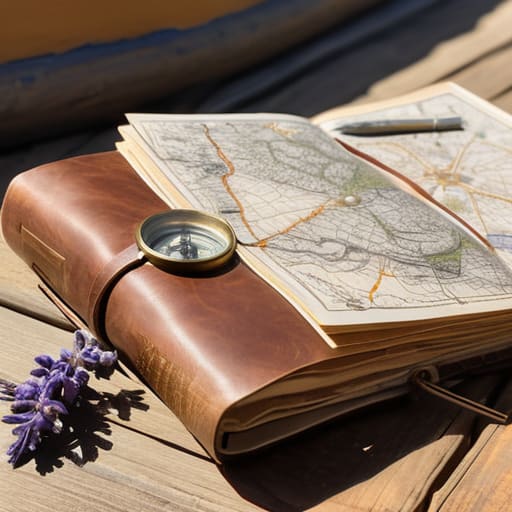
I was sitting on a damp wooden bench in a narrow alleyway in Oaxaca last spring, the air thick with the scent of toasted chilies and rain-soaked stone, when I realized I had spent three hours trying to find a “hidden gem” recommended by a viral reel. I had been so focused on checking a box that I completely missed the actual life happening right in front of me. This is the trap of modern intentional travel: we’ve replaced genuine curiosity with a frantic, curated checklist, turning what should be a soulful connection into a high-stakes scavenger hunt for the perfect aesthetic.
I’m not here to sell you on expensive retreats or complex philosophies that require a lifestyle overhaul. Instead, I want to talk about how to actually show up for a place. I’ll be sharing the practical, unpolished ways I use food and local rhythms to anchor myself in new cities, moving past the performative side of exploration. My promise is simple: no fluff, no tourist-trap shortcuts, just honest ways to find the real stories told in the quietest corners of the world.
Table of Contents
Mindful Exploration Techniques for the Quiet Wanderer
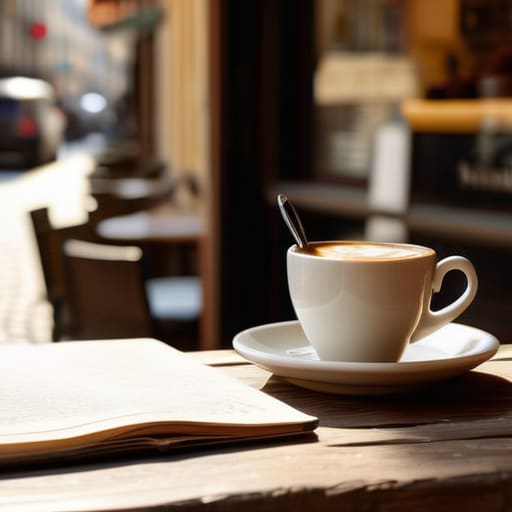
I’ve learned that the best way to actually see a place is to stop trying to check everything off a list. For me, this means leaning into the slow travel philosophy—choosing one neighborhood and staying there long enough to recognize the lady who sells sourdough every Tuesday. Instead of racing toward the next landmark, I try to practice a few simple mindful exploration techniques. I’ll sit in a single plaza for an hour, notebook in hand, just watching how the light hits the cobblestones or how the scent of roasting coffee drifts from a nearby doorway.
It’s about shifting your focus from what you can consume to what you can observe. I find that when I stop treating a city like a museum exhibit and start treating it like a living, breathing organism, I begin to stumble upon much more authentic local experiences. It might be a conversation with a fisherman about the morning catch or finding a tiny, unnamed bakery tucked behind a laundry mat. These aren’t just detours; they are the moments where the city finally starts to feel real.
Seeking Authentic Local Experiences in Crowded Markets
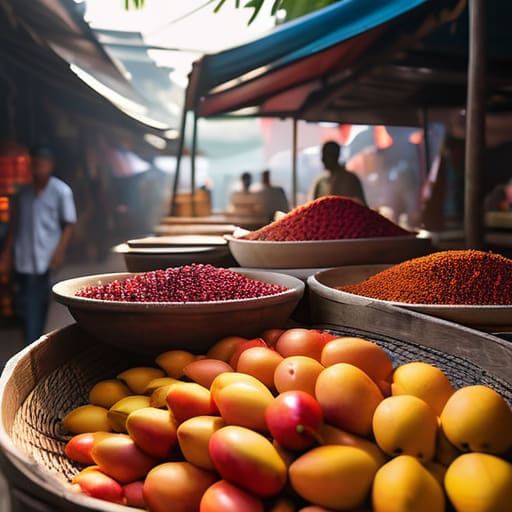
I’ve always found that the most honest conversations happen amidst the chaos of a morning market. While most travelers instinctively recoil from the noise and the overwhelming scent of brine and spices, I find that leaning into the sensory overload is where you actually start connecting with local communities. I make it a point to put my phone away and just listen. Instead of hunting for a specific stall, I let my nose lead the way—the sharp tang of fermented chilies or the sweet, heavy aroma of overripe mangoes usually points toward the real heart of the neighborhood.
To me, this isn’t just about finding a good snack; it’s a core part of my slow travel philosophy. It requires a certain level of patience to stand in a long queue behind a local grandmother or to navigate a narrow alleyway packed with crates of seasonal greens. But in those quiet, unscripted moments—watching a vendor deftly slice a dragonfruit or sharing a cramped wooden bench with a stranger—you find those authentic local experiences that no curated tour could ever replicate. It’s messy, it’s loud, and it’s absolutely beautiful.
Small Shifts for a More Meaningful Journey
- Trade the “must-see” checklist for a “must-taste” map. Instead of rushing to the monument everyone has a photo of, find the bakery that has been serving the same sourdough for three generations. The history is in the crust, not just the stone.
- Learn the language of the table. You don’t need to be fluent, but knowing how to ask for the daily special or simply saying “thank you” with your eyes can change the entire energy of a meal from a transaction to a connection.
- Pack light, but carry a sensory toolkit. I never leave without my notebook to jot down the scent of roasted spices or the sound of a morning market. When the physical clutter is gone, your senses have more room to breathe.
- Embrace the art of the unplanned detour. Some of my most profound cultural realizations haven’t happened at scheduled tours, but when I took a wrong turn and ended up sitting in a quiet courtyard, watching a local grandmother shell peas.
- Stop eating through a lens. It’s tempting to document every plate for the sake of the archive, but try sitting with your food for five minutes first. Notice the temperature, the texture, and the way the local ingredients actually taste when you aren’t trying to frame them.
Carrying the Flavor of the Journey Home
Stop chasing the “must-see” checklists and start following your nose; the most profound cultural lessons are usually found in the steam of a street food stall rather than a museum gift shop.
Pack light, but carry a notebook; recording the sensory details—the scent of toasted spices or the humidity of a morning market—is how you preserve a place long after you’ve left it.
Embrace the slow, unplanned pauses; intentional travel isn’t about how many miles you cover, but about how deeply you allow yourself to sit in a single kitchen and listen to its stories.
The Rhythm of the Road
Intentional travel isn’t about checking a landmark off a list; it’s about slowing down enough to notice how the scent of roasting spices in a narrow alleyway can tell you more about a city’s history than any museum ever could.
Anouk Verhoeven
The Slow Return Home
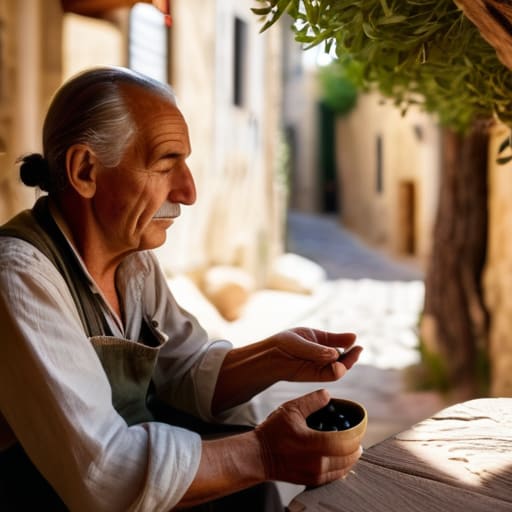
At the end of the day, intentional travel isn’t about checking off a list of landmarks or finding the perfect lighting for a photo. It’s about the shift in how we move through a space—from being mere spectators to becoming active participants in the rhythm of a new city. Whether you are practicing mindful observation in a quiet courtyard or navigating the sensory chaos of a morning market, you are looking for the threads that connect people to their land and their food. By choosing to slow down and seek out these small, unscripted moments, we transform a simple trip into something much deeper: a way to truly understand the soul of a place.
As I pack my notebook and prepare for my next transit, I’m reminded that the most profound discoveries rarely happen at the major monuments. They happen in the steam rising from a street vendor’s pot or in the brief, wordless exchange with a shopkeeper. I hope you leave your guidebooks behind every once in a while and let your curiosity lead you toward the unknown. Travel shouldn’t just be about seeing new things; it should be about seeing the world through a different lens entirely. Go find your own quiet story, even if it’s found in the smallest, most unassuming kitchen.
Frequently Asked Questions
How do you balance the desire for slow, intentional travel with a limited budget or a tight work schedule?
It’s a constant tug-of-war. When my freelance deadlines pile up, I stop trying to “see everything” and instead pick one neighborhood to call home for a week. It’s cheaper to shop at a local market than to eat out every night, and it forces you to slow down. Even with a tight budget, intentionality isn’t about luxury; it’s about choosing one meaningful conversation over ten rushed sightseeing stops.
Is it possible to practice mindful exploration in major tourist hubs without feeling like I'm just another face in the crowd?
It’s easy to feel swallowed up by the neon and the crowds in places like Tokyo or Rome, but the trick is to shrink your world. I try to focus on the micro-details—the way the light hits a specific stone alleyway or the scent of toasted spices drifting from a basement window. When you stop trying to see “everything” and start looking for the small, quiet textures, the crowd tends to fade into the background.
How can I tell the difference between a truly authentic local experience and a "curated" one designed specifically for travelers?
It’s all in the friction. A curated experience is too smooth; it’s polished, predictable, and usually comes with a menu translated into five different languages. Real life is a bit messy. Look for the places where the rhythm of the room doesn’t change just because you walked in. If the locals aren’t looking up from their meals to acknowledge the “spectacle” of your arrival, you’ve probably found something genuine.
