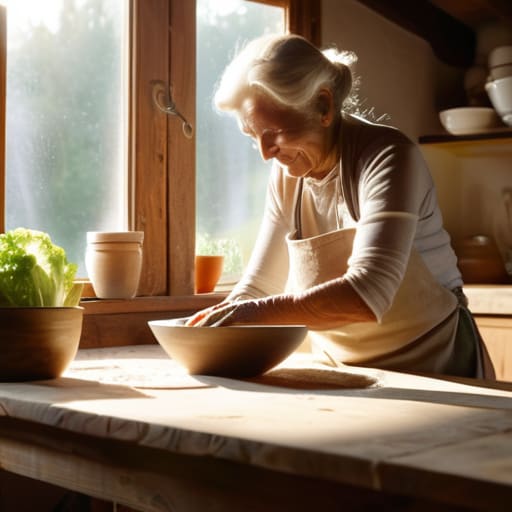
I still remember sitting at a cramped wooden table in a tiny village outside of Oaxaca, the air thick with the scent of toasted chiles and damp earth. My host, a woman with hands seasoned by decades of corn grinding, didn’t offer me a polished concierge service or a laminated menu; she simply handed me a warm tortilla and a bowl of salsa that tasted like history. That moment taught me more about Mexican culture than any five-star resort ever could. I’ve realized that staying in local homestays isn’t about finding a cheaper bed, but about finding the doorway to a life that doesn’t exist in a guidebook.
I’m not here to sell you on some sanitized, “authentic” fantasy curated for Instagram. Instead, I want to pull back the curtain on what this actually looks like when the cameras are off. I’ll be sharing the unfiltered reality of navigating shared spaces, the beautiful awkwardness of language barriers, and how to find hosts who will actually let you into their world. This is my guide to moving past the guest list and into the heart of a place, one kitchen table at a time.
Table of Contents
- Finding Authentic Hospitality Experiences at the Breakfast Table
- A Budget Friendly Alternative to Hotels for Real Travelers
- Small Gestures: How to Navigate Your Stay Like a Guest, Not a Tourist
- The Heart of the Matter: Why Homestays Matter
- ## The Soul of the Stay
- Beyond the Guestbook
- Frequently Asked Questions
Finding Authentic Hospitality Experiences at the Breakfast Table
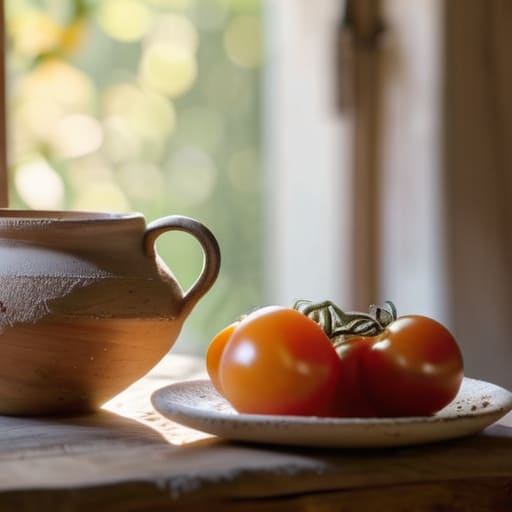
There is a specific kind of magic that happens at 7:00 AM in a stranger’s kitchen. It isn’t the polished, predictable buffet of a hotel; it’s the sound of a heavy ceramic mug hitting a wooden table and the scent of something frying that you can’t quite name yet. For me, these mornings are where the real cultural immersion through travel begins. I remember sitting in a small farmhouse outside of Lucca, watching my host, Maria, slice heirloom tomatoes that actually smelled like the earth they grew in. We didn’t speak much, but as she pushed a plate of warm, crusty bread toward me, the connection was immediate.
These quiet exchanges are the true authentic hospitality experiences that a concierge can never replicate. When you sit across from someone who lives there, you aren’t just a guest; you become a temporary part of their daily rhythm. You learn which spices are non-negotiable and which local markets are worth the early wake-up call. It turns a simple meal into a lesson in connecting with local communities, making the world feel a little smaller and a lot more intimate.
A Budget Friendly Alternative to Hotels for Real Travelers
When I first started traveling solo, I used to default to those big, predictable hotel chains. They’re safe, sure, but they’re also incredibly expensive and, frankly, a bit soul-crushing. You end up in a sanitized bubble that feels the same whether you’re in Lisbon or Lima. Switching to a homestay was a massive turning point for me; not just because it serves as a budget-friendly alternative to hotels, but because it fundamentally changes how you interact with a new city. Instead of paying a premium for a lobby that smells like industrial lemon cleaner, your money goes directly into the hands of a family, which is one of the most meaningful ways to support sustainable tourism practices.
There is a certain kind of magic in realizing that your accommodation isn’t just a place to crash, but a gateway to connecting with local communities. I remember sitting in a tiny kitchen in rural Vietnam, realizing I’d spent less on my room than I would have at a boutique hotel, yet I felt infinitely richer. You aren’t just a guest in a room; you’re a temporary part of someone’s daily rhythm.
Small Gestures: How to Navigate Your Stay Like a Guest, Not a Tourist
- Pack a small, meaningful gift from your own corner of the world. I never travel without a few packets of specialty tea or a small, locally-made craft; it’s a way to start a conversation without needing a translator, and it shows you value their hospitality.
- Learn the “kitchen vocabulary” of your destination. Even if you only master words for salt, pepper, delicious, and thank you, being able to participate in the meal—rather than just observing it—changes the entire dynamic from guest to friend.
- Keep your notebook handy, but keep it tucked away. While I love documenting the scent of toasted spices or the way sunlight hits a communal courtyard, the best moments happen when you’re looking up, not down at a page.
- Don’t be afraid of the awkward silence. In a homestay, there will be moments where the language barrier feels like a wall, but often, sitting together in a quiet kitchen while someone chops vegetables is where the real connection happens.
- Respect the rhythm of the house. Every home has its own internal clock, from when the coffee is brewed to when the shutters are closed for the night. Observe these small rituals and follow their lead; it’s the quickest way to feel like you actually belong there.
The Heart of the Matter: Why Homestays Matter
It’s about the sensory details—the smell of a shared kitchen or the sound of a local radio station—that a sterile hotel lobby simply can’t replicate.
Choosing a homestay isn’t just a way to save money; it’s an intentional decision to trade tourist convenience for genuine human connection.
When you eat at a local’s table, you aren’t just consuming food; you’re participating in the quiet, everyday rituals that actually define a culture.
## The Soul of the Stay
“A hotel can give you a clean bed and a quiet room, but it can’t give you the story of how the grandmother in the kitchen learned to fold dough just right, or the way the morning light hits the courtyard while you share a cup of tea with a stranger who feels like family.”
Anouk Verhoeven
Beyond the Guestbook
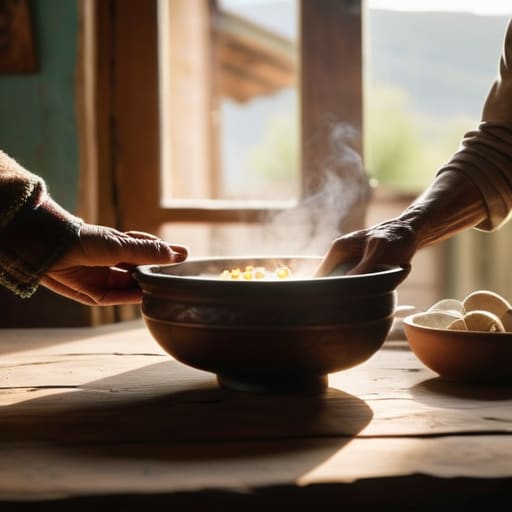
At the end of the day, choosing a homestay isn’t just about finding a cheaper bed or a more convenient location. It’s about the intentionality of your travel. When we step away from the polished, predictable service of a hotel, we open ourselves up to the unscripted moments that actually define a journey—the shared recipe over a steaming bowl of soup, the local advice that isn’t in any guidebook, and the genuine warmth of a family opening their doors. By choosing to live alongside locals, we trade the luxury of anonymity for the richness of connection, ensuring that our travels leave a mark on us as much as we leave a footprint on the world.
I often find myself sitting in a quiet kitchen long after the meal has ended, just listening to the rhythm of a household that is entirely foreign to me yet strangely familiar. That is where the real magic happens. Don’t just visit a place; try to inhabit it. Seek out those small, unassuming doorways and the people behind them. Because when you finally stop being a spectator and start becoming a guest, you realize that traveling is less about seeing new landscapes and more about seeing with new eyes.
Frequently Asked Questions
How do you navigate the potential language barrier when you're sitting in someone's kitchen?
I’ve learned that you don’t actually need a perfect vocabulary to connect; you just need to be present. When the words fail, I lean into the sensory stuff. I’ll point to a spice, mimic a chopping motion, or simply use my notebook to sketch what I’m seeing. Most of the time, a shared smile over a steaming bowl of soup or a mutual nod of appreciation for a good ingredient says more than a formal translation ever could.
Are there certain things I should bring from home to show respect to my hosts?
I’ve learned that the most meaningful gifts aren’t expensive; they’re thoughtful. I always pack a few small, lightweight things from my own corner of the world—maybe a specific blend of tea or a small tin of local honey. It’s less about the object and more about the conversation it starts. If you can find something that represents your home, it becomes a bridge, a way to say, “I’m a guest, and I value this connection.”
How do I make sure I'm actually finding a genuine family home rather than just a glorified, unlicensed guesthouse?
I’ve learned the hard way that a polished website doesn’t always mean a real home. To avoid those glorified guesthouses, I look for the small, messy details in reviews—mentions of a grandmother’s cooking or a specific family pet. I also skip the big booking platforms occasionally to find hosts through local community boards or smaller, niche sites. If the description feels too “curated” and lacks a personal story, I keep moving.
