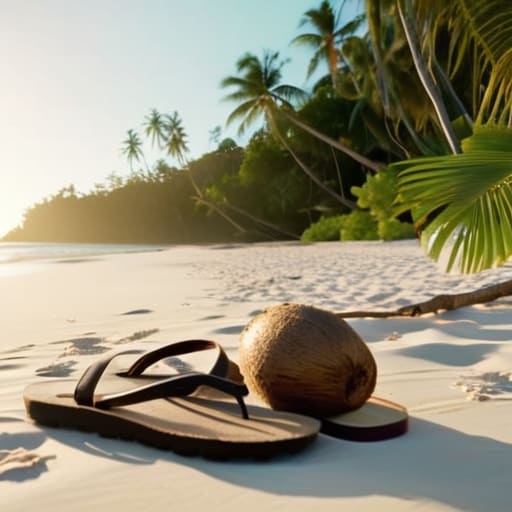
I was sitting on a plastic stool in a humid corner of a coastal market last Tuesday, the air thick with the scent of bruised lemongrass and salt spray, when I realized how much we get wrong about the tropics. Most travel brochures sell you a sanitized, air-conditioned version of tropical island life—one filled with infinity pools and overpriced cocktails that taste like sugar and regret. But that isn’t where the heartbeat of an island lives. The real magic isn’t found in a resort’s manicured garden; it’s in the steam rising from a weathered wok at five in the morning and the way the local fruit vendors know exactly which mango is ready to burst.
I’m not here to give you a checklist of luxury destinations or “must-see” landmarks that have been stripped of their context. Instead, I want to show you how to actually inhabit a place. My goal is to guide you toward the quiet, unscripted moments—the small cafes, the communal meals, and the local rhythms—that transform a simple vacation into a profound connection with a new culture. We’re going to look past the postcard perfection to find the honest, messy, and beautiful reality of living by the sea.
Table of Contents
Savoring the Soul of Island Community Culture
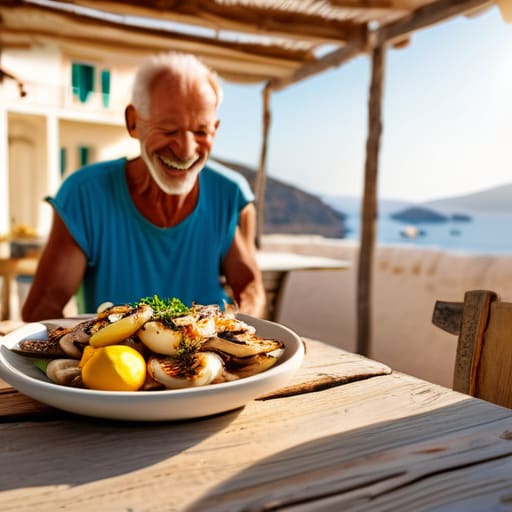
To truly understand the rhythm of these places, you have to step away from the infinity pools and find the communal tables. I remember sitting on a weathered wooden bench in a small village in the Cyclades, watching how a single meal could bridge the gap between generations. It isn’t just about the food; it’s about the way the salt air and the slow pace of life dictate how people interact. This sense of island community culture is something you can’t find in a guidebook. It’s found in the shared laughter over a plate of grilled octopus and the way neighbors instinctively look out for one another when the seasonal storms roll in.
Moving beyond the postcard imagery, I’ve realized that the real beauty lies in the grit and the grace of daily existence. While many seek the dream of an oceanfront property lifestyle, the actual heartbeat of the island is much more grounded. It’s in the small, unscripted moments—the way the local fisherman shares his catch with the baker, or how the scent of jasmine lingers in the evening heat. These connections are what turn a mere destination into a home.
Finding Quiet Magic in Exotic Island Destinations
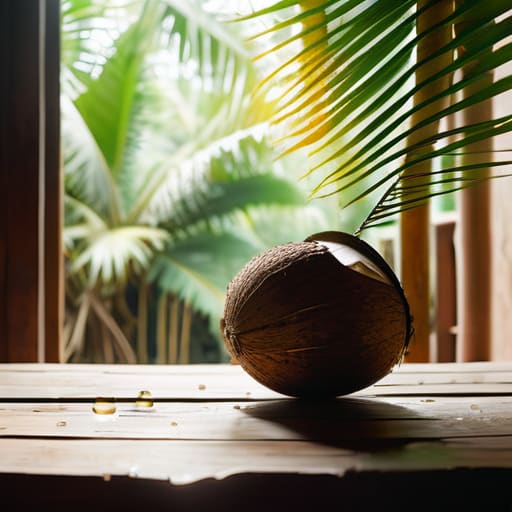
There is a specific kind of stillness that settles over a village when the midday heat becomes too heavy to move. It’s not the silence of emptiness, but a heavy, rhythmic quiet—the sound of a ceiling fan whirring in a darkened room or the distant, muffled thud of a machete hitting coconut husks. While most travelers spend their time chasing the perfect sunset photo, I find myself drawn to these interstitial moments. It is in this lull that you truly sense the pace of tropical climate living; it isn’t about conquering the day, but rather learning how to flow with it.
I often find that the most profound connections happen when you stop trying to “do” things. I’ve sat for hours on a weathered wooden bench, just watching the way the light shifts across the salt-crusted docks. Navigating the remote island living challenges—like the sudden lack of electricity or the slow pace of local logistics—actually forces you to slow your breathing. You stop looking at your watch and start looking at the way the tide pulls at the sand. It’s a quiet, unhurried magic that no luxury resort can replicate.
Small Rituals for Living, Not Just Visiting
- Follow the scent of the morning market. Instead of checking TripAdvisor for breakfast, walk toward where the locals are congregating. The smell of charred coconut or freshly steamed fish is a much more reliable compass than any digital rating.
- Pack for the humidity, not the aesthetic. I’ve learned the hard way that linen is your best friend, but it has to be functional. If you’re constantly fighting with your clothes, you’ll spend more time in your hotel room than experiencing the streets.
- Learn the rhythm of the sun. Island life isn’t a sprint; it’s a series of pauses. Do what the locals do: find shade during the heavy heat of midday, read your book, and wait for the evening breeze to bring the world back to life.
- Carry a physical notebook. Digital notes are fine, but there is something about the tactile act of writing that helps you process the sensory overload of a new place—the specific saltiness of the air or the way a spice market smells after a sudden rain.
- Say yes to the “off-menu” moments. If a vendor offers you a fruit you can’t name or a neighbor invites you to sit on their porch, take it. The most profound cultural connections happen in those unplanned, unscripted gaps between the landmarks.
Lessons from the Island Tide
Stop looking for the perfect view and start looking for the perfect scent; the real essence of a place is usually found in the aroma of a local spice market or a wood-fired kitchen.
True connection happens in the pauses—the quiet moments between the tourist rush where you actually have the space to observe how a community truly lives and eats.
Let go of the itinerary to make room for the unexpected; the most profound cultural insights rarely come from a guidebook, but from a shared meal at a crowded, nameless stall.
The Rhythm of the Tide and the Table
“Tropical island life isn’t found in the curated luxury of a resort; it’s in the salt-crusted skin of a fisherman, the scent of bruised lemongrass in a humid morning market, and that slow, deliberate way time seems to dissolve when you finally stop rushing and just start tasting.”
Anouk Verhoeven
The Salt on Your Skin
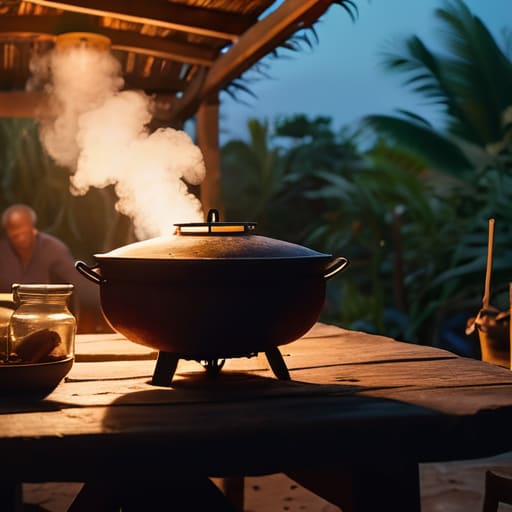
As I sit here, notebook in hand, trying to capture the scent of roasted coconut and salt spray, I realize that tropical island life isn’t about the postcard-perfect sunsets or the luxury resorts. It’s about the unscripted moments we’ve explored—the way a community gathers around a single steaming pot of seafood, or the profound stillness found in a hidden cove far from the ferry routes. We’ve seen that the true pulse of these islands beats in the crowded markets and the quiet, shared meals that happen long after the sun has dipped below the horizon. To truly see these places, you have to look past the shoreline and lean into the local rhythm.
If you find yourself planning your next escape, I urge you to leave the itinerary behind just a little bit. Don’t be afraid to get lost in a side street or to sit on a plastic stool at a nameless stall just because the aroma is irresistible. Travel is often a search for something new, but I’ve found it is most rewarding when it becomes a search for something deeply human. When you stop being a spectator and start being a guest, the island stops being a destination and starts feeling like home.
Frequently Asked Questions
How do you find those small, family-run kitchens without getting lost in the tourist-heavy areas?
It’s all about following your nose and losing the map. I usually wander away from the main coastal strips and head toward the residential neighborhoods where the locals actually live. Look for the places with no English menus and a few plastic stools—that’s usually a good sign. If you see a grandmother hovering near a steaming pot, stay there. Don’t be afraid to look a little lost; that’s usually when the best discoveries happen.
What are some ways to respect local food customs and traditions when you're visiting more remote islands?
It’s easy to slip into “consumer mode,” but on remote islands, eating is a communal ritual, not just a transaction. My rule is simple: observe before you act. If you see locals washing their hands in a shared basin or waiting for an elder to take the first bite, follow their lead. Don’t be afraid to ask about the etiquette—it shows respect. Most importantly, embrace the pace; if a meal takes hours, let it.
How do you balance the desire to document everything with actually being present in the moment?
It’s a constant tug-of-war. I used to spend entire afternoons squinting through a viewfinder, only to realize I’d forgotten what the air actually smelled like. Now, I have a rule: the first twenty minutes of any new place belong to me, not my notebook. I let my senses settle first. I wait until the initial rush fades before I reach for my camera or my pen. If I’m too busy documenting, I’m just a spectator, not a traveler.
