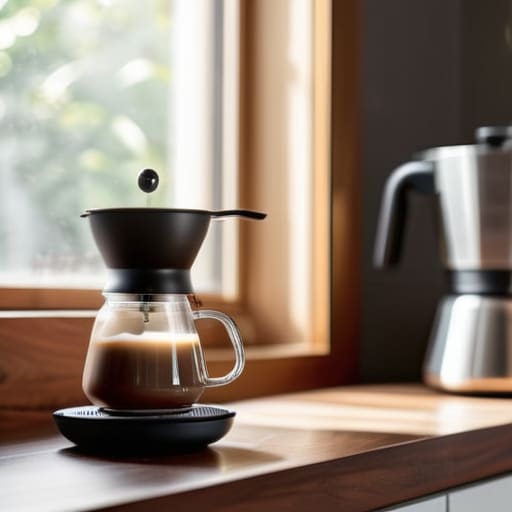
I spent three months living out of a single rucksack in Southeast Asia, and if there is one thing I learned, it’s that you don’t need a $2,000 espresso machine to find peace in the morning. I’ve seen enough “aesthetic” social media feeds to know that the obsession with high-tech gadgets and marble countertops is mostly just performative clutter. Most people think a perfect coffee station setup requires a dedicated kitchen wing and a degree in barista science, but that’s just not true. To me, the ritual is about the tactile warmth of a ceramic mug and the scent of freshly ground beans, not how many blinking lights your machine has.
I’m not here to sell you on a lifestyle you can’t maintain or a collection of expensive tools that will just gather dust. Instead, I want to share how to curate a small, functional corner that actually serves your rhythm, whether you’re in a tiny studio apartment or a temporary rental. My goal is to help you build a space that prioritizes the sensory experience—the aroma, the heat, the quiet—over the hype. Let’s focus on what actually matters: creating a ritual that feels like home, no matter where you are.
Table of Contents
Finding Your Rhythm With Home Barista Essentials
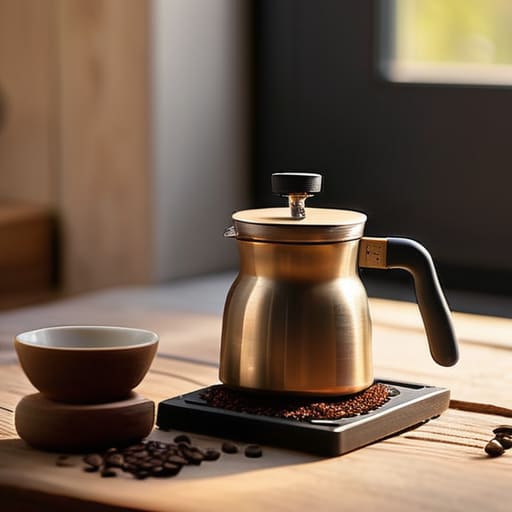
When I’m moving between rentals, I’ve learned that the gear you carry matters less than the ritual you build. You don’t need a professional-grade laboratory to enjoy a decent morning; you just need a few home barista essentials that actually speak to your pace. For me, that means a reliable hand grinder and a scale that doesn’t take up half the counter. It’s about finding that sweet spot where the tools feel like an extension of your hands rather than a chore to clean up.
If you’re working with limited real estate, don’t feel pressured to buy a massive setup. I’ve found that a compact coffee station for small kitchens works best when it’s tucked into a corner or even a repurposed side table. It’s less about the sheer amount of equipment and more about the flow. I always think about countertop coffee organization in terms of movement—keeping the beans, the grinder, and the cups within arm’s reach so the process feels intuitive. When everything has its place, the morning feels less like a scramble and more like a moment of stillness.
Espresso Machine Placement for Quiet Morning Rituals
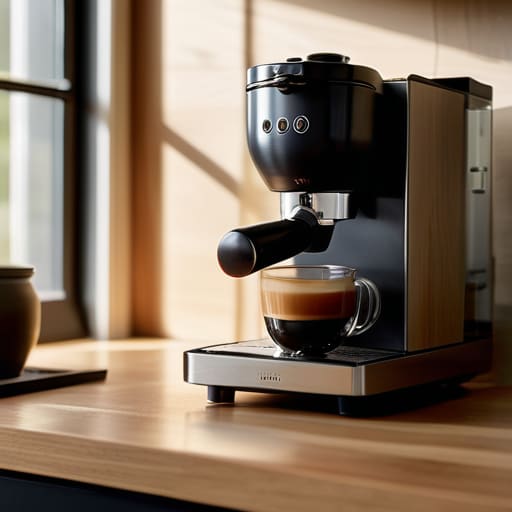
When I’m scouting for a new place to stay, I find myself instinctively looking at the kitchen counters first. It isn’t about luxury; it’s about where the light hits and how much breathing room you have to actually exist in the morning. Deciding on your espresso machine placement is less about following a blueprint and more about understanding your own movement. If you’re someone who needs a moment of silence before the world wakes up, I suggest tucking the setup away from the main thoroughfare of the kitchen. There is something deeply grounding about having a dedicated nook that doesn’t feel like it’s in the middle of a high-traffic zone.
For those of us living in smaller apartments or traveling light, finding a compact coffee station for small kitchens is a constant puzzle. I’ve learned that you don’t need a sprawling dedicated zone to make it feel intentional. Sometimes, the best way to create a ritual is to utilize a corner that usually goes ignored, perhaps near a window where you can watch the street come to life while the steam rises from your cup. It’s about creating a sense of purposeful stillness amidst the daily clutter.
Small Details That Make the Difference
- Don’t overthink the aesthetics; I’ve found that a simple ceramic tray or even a worn wooden cutting board helps ground your setup and keeps everything from feeling scattered.
- Keep your most-used tools—like your favorite heavy ceramic mug and your grinder—within arm’s reach so the process feels like a flow rather than a chore.
- I always keep a small, dedicated space for my notebook nearby; there’s something about the ritual of brewing that makes me want to jot down a thought or a scent I encountered at a market the day before.
- Lighting is everything for those early, quiet hours, so try to position your station near a window or add a small, warm lamp to avoid that harsh, artificial feeling.
- Instead of buying matching sets, mix in a few pieces you’ve found in local flea markets or small boutiques to give your corner a sense of history and soul.
Small Rituals, Big Impact
Focus on utility over aesthetics; a coffee station should serve your morning flow, not just look good for a photo.
Create a dedicated sensory space by keeping your favorite beans, a heavy ceramic mug, and your notebook within arm’s reach.
Let the setup evolve with you, much like a well-traveled kit, adding pieces only when they truly enhance your daily ritual.
More Than Just Counter Space
A coffee station shouldn’t feel like a showroom of expensive gadgets; it should feel like a small, intentional altar to the morning, where the scent of roasted beans and the weight of your favorite ceramic mug ground you before the rest of the world rushes in.
Anouk Verhoeven
Finding Your Flow
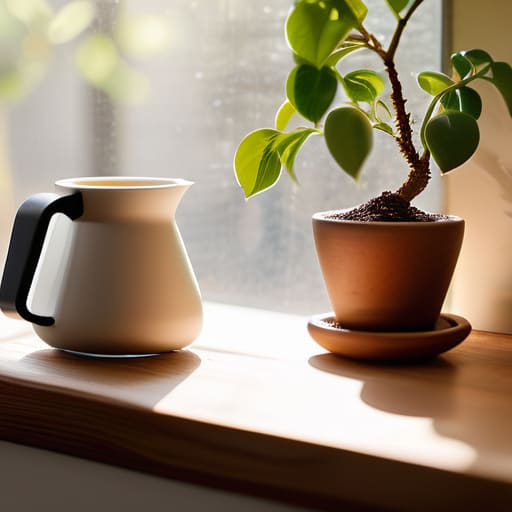
At the end of the day, building a coffee station isn’t about collecting every gadget seen on a social media feed. It’s about the intentionality behind it—selecting a few reliable essentials that work for your specific rhythm and placing them in a spot that invites you to slow down. Whether you’ve prioritized a high-end grinder or simply found the perfect sunlit corner for your pour-over setup, the goal is to create a space that feels like a sanctuary rather than a chore. When your tools are organized and your ritual is streamlined, the act of making coffee stops being a task and becomes a meaningful pause in an otherwise frantic morning.
I often think back to the tiny, cramped kitchens I’ve encountered in my travels, from the coastal villages of Portugal to the bustling markets of Hanoi. They rarely had much room, but they always had heart. Your coffee station should be much the same; it doesn’t need to be expansive to be profound. It is a small, private altar to the simple pleasure of a warm cup and a quiet moment of reflection. So, don’t worry about perfection or aesthetic trends. Just build a space that honors your morning, one slow, fragrant sip at a time.
Frequently Asked Questions
How do I keep my coffee station from feeling cluttered when I'm working in a small apartment?
When I moved into my tiny studio in Lisbon, I learned quickly that visual noise is just as draining as physical clutter. My rule is to treat my coffee station like a curated shelf in a museum: if it doesn’t serve a purpose or bring a sense of calm, it doesn’t stay. I tuck my beans into small ceramic jars and keep my tools on a single wooden tray. It makes the ritual feel intentional, not messy.
Are there specific scents or textures I should consider to make the space feel more grounding?
I’ve always found that sensory details are what turn a corner of a room into a sanctuary. For me, it’s about the tactile. I love a heavy, ceramic mug that feels substantial in my hands—nothing plastic or flimsy. To ground the space, I’d suggest a small wooden tray to catch spills and perhaps a linen cloth. As for scent, skip the synthetic candles; a tiny jar of dried cardamom or even just the earthy aroma of whole beans is much more honest.
What are some ways to incorporate vintage or found objects into my setup without losing functionality?
I’ve always found that a space feels more “lived-in” when it tells a story. I love using a heavy, chipped ceramic bowl from a flea market to hold my stir spoons, or an old brass tray to catch stray coffee grounds. The trick is to keep the heavy lifting—the grinder or the kettle—on a stable, modern surface, while letting the vintage pieces act as the soulful, functional accents around them.