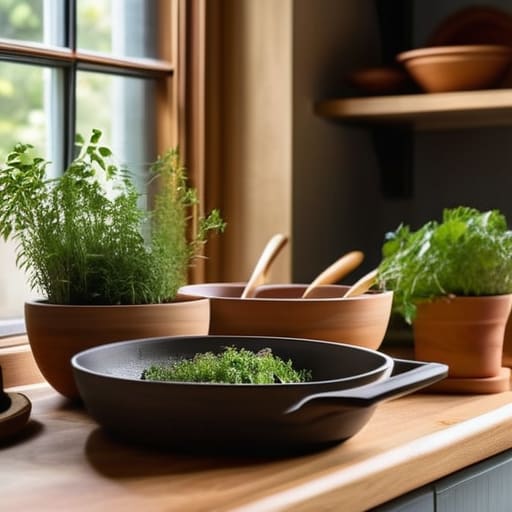
I was sitting in a tiny, sun-drenched kitchen in Oaxaca last spring, watching an elderly woman stir a clay pot with a spoon so worn it looked like a piece of driftwood. There was no “eco-friendly” branding on her counter, no recycled plastic packaging, and certainly no high price tag—just a tool that had clearly been part of her family for decades. It made me realize how much we’ve been sold a lie about what sustainable kitchenware actually looks like. We’ve been conditioned to think that being “green” means buying a whole new set of expensive, aesthetically pleasing gadgets from a boutique brand, when the real truth is often much simpler and far less polished.
I’m not here to give you a curated list of trendy products that will end up in a landfill by next season. Instead, I want to talk about the tools that actually deserve a place in your life. I’ll be sharing what I’ve learned from markets and kitchens around the world about finding pieces that endure through use. We’re going to look past the marketing hype and focus on quality, repairability, and the quiet beauty of objects that are built to last.
Table of Contents
A Non Toxic Cookware Guide for Slow Living
When I was working in those small coastal museums, I learned how much history is held in the objects we touch every day. The same applies to our kitchens. For me, moving toward a sustainable kitchen lifestyle isn’t about a complete, overnight overhaul; it’s about being intentional with what we let touch our food. I’ve spent far too much time cooking in pans with scratched, peeling coatings that left a metallic tang in my morning omelets. Now, I look for materials that actually breathe and age with me.
If you’re looking for a starting point, my personal non toxic cookware guide begins with cast iron and stainless steel. They are heavy, yes, and they require a bit of ritual to maintain, but they are nearly indestructible. Unlike the cheap, coated alternatives that end up in landfills every few years, these pieces become part of your family’s history. I recently picked up a seasoned carbon steel skillet from a maker in Lyon, and it feels less like a kitchen tool and more like a permanent companion for every meal I prepare.
Finding Beauty in Eco Friendly Kitchenware Materials
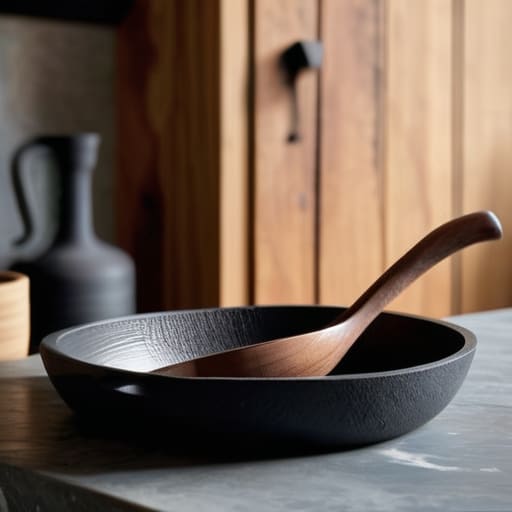
When I’m wandering through a new city, I tend to notice how different cultures treat their most basic tools. In some places, it’s the heavy, seasoned cast iron that feels like an heirloom; in others, it’s the lightness of hand-carved wood. I’ve realized that choosing eco friendly kitchenware materials isn’t just about being environmentally conscious—it’s about the tactile connection we have with the things we touch every single day. There is something deeply grounding about using a spoon that was once part of a tree, or a bowl that feels warm and organic in your hands.
I’ve started moving away from the sterile, mass-produced feeling of modern gadgets. Instead, I look for biodegradable cooking tools that carry a bit of soul. Think of bamboo cutting boards that age beautifully or linen cloths that soften with every wash. These aren’t just items to fill a drawer; they are part of a sustainable kitchen lifestyle that prioritizes quality over sheer volume. When we surround ourselves with materials that actually belong to the earth, our kitchen stops feeling like a laboratory and starts feeling like a home.
Small Shifts for a More Mindful Kitchen
- Buy what you actually need, not what looks good on a curated feed. I’ve learned the hard way that a drawer full of “eco-friendly” gadgets I never use is just more clutter. Start with one high-quality piece—like a heavy cast iron skillet—that can last a lifetime rather than three cheap sets that end up in a landfill by next year.
- Look for the stories behind the materials. When I’m wandering through local markets, I look for wood that feels seasoned and stone that has weight to it. Whether it’s bamboo, cork, or recycled glass, try to understand where it came from and if the person who made it was treated with respect.
- Embrace the beauty of the “mended.” There is something so grounding about using a ceramic bowl with a visible crack repaired with gold, or a wooden spoon that has been worn smooth by years of stirring stews. Sustainability isn’t about perfection; it’s about honoring the things we already own.
- Avoid the “disposable” mindset entirely. I stopped buying those rolls of plastic wrap and paper towels months ago. Instead, I keep a stack of beeswax wraps and cotton cloths in my bag. They might take a little more effort to wash, but they feel much more intentional.
- Shop small and local whenever possible. Instead of clicking “buy now” on a massive corporate site, see if there’s a local potter or a small-scale maker in the city you’re visiting. There is a profound connection to food and culture when you know the hands that shaped the vessel you’re eating from.
Small Shifts for a More Intentional Kitchen
Choose tools that age with you; a well-loved cast iron pan or a hand-carved wooden spoon carries more soul—and lasts much longer—than anything mass-produced.
Prioritize what goes into your food by opting for non-toxic materials, ensuring your kitchen remains a sanctuary for health rather than a source of hidden chemicals.
Buy less, but buy better, focusing on quality pieces that honor the environment and the slow, rhythmic process of cooking from scratch.
The Weight of a Good Tool
“I’ve realized that a kitchen isn’t just a place for meal prep; it’s a collection of stories. When you choose a tool that’s built to last—something made of honest, earth-bound materials—you aren’t just buying a utensil, you’re investing in a piece of your own history that won’t end up in a landfill by next season.”
Anouk Verhoeven
The Heart of the Home
At the end of the day, choosing sustainable kitchenware isn’t about following a perfect set of rules or buying every eco-friendly gadget on the market. It’s about making more intentional choices—from opting for non-toxic, heavy-bottomed pans that will last a decade, to appreciating the tactile warmth of hand-carved wooden spoons. We’ve looked at how the materials we touch every single day, whether it’s cast iron or organic ceramics, impact both our health and the planet. By moving away from the disposable culture of cheap, coated non-stick pans and leaning into tools that endure, we create a kitchen that feels less like a showroom and more like a sanctuary.
As I sit in small, sun-drenched kitchens around the world, I’ve realized that the most meaningful meals aren’t defined by the complexity of the recipe, but by the care we put into the process. When we invest in pieces that tell a story, we aren’t just cooking; we are participating in a slower, more mindful way of existing. I hope you find those pieces that speak to you—the ones that feel right in your hand and grow more beautiful with every use. Let your kitchen be a place where slow living isn’t just a concept, but a tangible, delicious reality that you experience one meal at a time.
Frequently Asked Questions
How can I tell if a "sustainable" brand is actually making a difference or if it's just clever marketing?
I’ve learned the hard way that “eco-friendly” labels can be incredibly loud and often quite empty. To see past the polished Instagram aesthetic, I look for radical transparency. I want to see the actual supply chain, not just a leaf icon. Does the brand mention their specific factory conditions or their material sourcing? If they can’t tell me exactly where that bamboo or recycled steel came from, I usually take my money elsewhere.
Is it worth the investment to replace my old non-stick pans with something like cast iron or stainless steel?
Honestly, it’s one of the best investments you can make. I used to rely on those cheap non-stick pans, but they always felt disposable—and frankly, a bit hollow. Switching to cast iron or stainless steel changes your relationship with cooking. They require a bit more patience and care, sure, but they develop a soul over time. They aren’t just tools; they’re companions that actually get better the more you use them.
What are some ways to extend the life of my wooden spoons and cutting boards so I don't have to keep buying new ones?
I’ve learned the hard way that a good wooden spoon is more like a companion than a tool. To keep them from drying out or cracking, never leave them soaking in the sink—that’s how they warp. Instead, hand wash them with mild soap and dry them immediately. Every few months, rub them down with a bit of food-grade mineral oil. It keeps the grain nourished and helps them endure for years.
