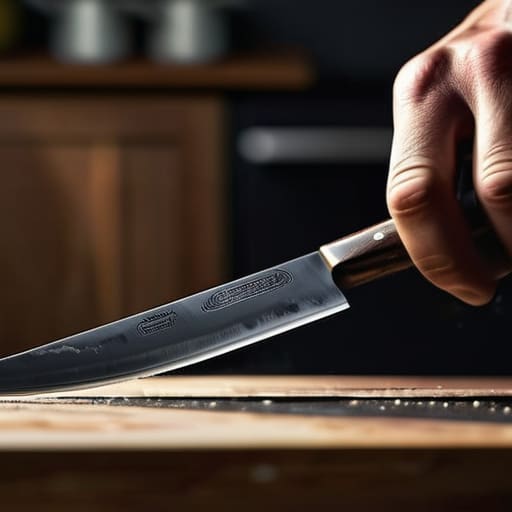
I remember sitting on a low wooden stool in a narrow alleyway in Oaxaca, watching an elderly woman prep chilies for the evening’s mole. She didn’t have a gleaming, professional sharpening system or a set of expensive Japanese steel; she simply had a small, worn stone and a rhythm that felt as natural as breathing. It struck me then that we’ve been sold this idea that kitchen knife maintenance has to be a high-tech, intimidating ritual involving gadgets that cost more than a week’s worth of groceries. In reality, the most soulful kitchens I’ve encountered don’t care about the brand on the blade, but rather the steady connection between the cook and their tools.
I’m not here to sell you on a boutique subscription service or a complicated array of specialized oils. Instead, I want to share what I’ve gathered from years of cooking in cramped rentals and tiny market stalls: the honest, stripped-back truth about keeping your edges sharp. We’re going to focus on the small, daily habits that actually matter, moving past the marketing hype to find a way of caring for your knives that feels less like a chore and more like a quiet, grounding ritual.
Table of Contents
Whetstone Sharpening Techniques for a Quiet Morning Ritual
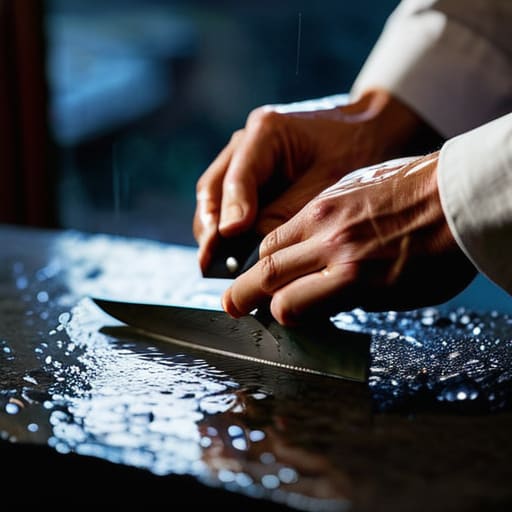
There is a specific kind of stillness that settles over a kitchen just before the world wakes up. I’ve found that this is the best time to practice my whetstone sharpening techniques, away from the frantic energy of midday prep. There is something deeply meditative about the sound of steel meeting wet stone—a rhythmic, gritty song that demands your full attention. You can’t rush this; if you try to hurry the angle, you lose the soul of the edge. It requires a steady hand and a willingness to be present in the friction.
As I work, I often think about how much we rely on these tools to tell our stories. To ensure long-term edge retention tips are actually effective, you have to respect the geometry of the blade. It isn’t just about making it sharp; it’s about the patience required to find that perfect, consistent bevel. Once the steel feels smooth under my fingertips, I feel a sense of readiness. It’s a quiet way to prepare myself for the day ahead, turning a chore into a moment of intentionality before the first ingredient is even sliced.
Edge Retention Tips to Honor Your Most Trusted Tools
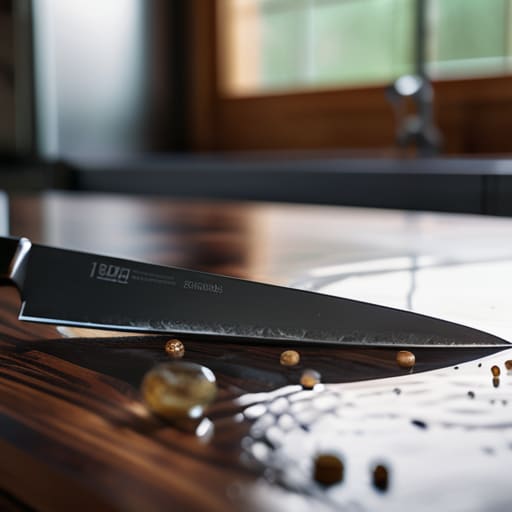
Once you’ve mastered the rhythmic patience of the stone, the real work begins in the small, often overlooked moments between meals. I’ve found that the longevity of a blade isn’t just about how you sharpen it, but how you treat it when the cooking is done. One of my most essential edge retention tips is to never, ever let your knives soak in a sink full of soapy water. It’s tempting when the dishes are piling up, but moisture is the enemy; preventing blade corrosion requires immediate, gentle hand-washing and an instant, thorough drying with a soft cloth.
Beyond the cleaning, I’ve become quite particular about where my knives “sleep” at night. Leaving a high-carbon steel blade loose in a crowded drawer is a recipe for nicked edges and chipped tips. I’ve transitioned to using minimalist knife storage solutions, like a magnetic wooden strip or a dedicated felt-lined roll, which keeps the edges protected and the tools easily accessible. To me, it’s more than just organization; it’s about respecting the tools that help you craft your daily nourishment.
The Small Gestures That Keep a Blade Alive
- Never let your knives sit in a sink of soapy water; it’s a slow, silent way to let moisture seep into the handles and dull the edge. I’ve learned that drying them immediately with a soft cloth is a small act of respect for the tool.
- Avoid the temptation of the electric sharpener. Those machines are too aggressive, stripping away metal like a tourist trampling through a delicate village. Stick to the gentle, controlled pressure of a honing rod to realign the edge between deep cleans.
- Give your knives their own space. Shoving them into a crowded drawer where they clatter against heavy pots is a recipe for nicked steel. A simple wooden magnetic strip or a dedicated roll keeps them safe and ready for when the morning prep begins.
- Pay attention to your cutting surface. I always look for wood or soft end-grain boards; they yield to the blade like a well-worn path. Hard surfaces like glass or marble are far too unforgiving and will eventually turn even the finest edge into a blunt, useless thing.
- Clean your blade with intention. Instead of scrubbing hard, use a gentle sponge and warm water, moving with the grain of the steel. It’s a quiet moment of connection that ensures your tools are as ready for the next meal as you are.
Small Rituals for a Lifetime of Use
Treat sharpening not as a chore to be avoided, but as a slow, meditative practice—much like the way a street vendor in Marseille might carefully prep their herbs before the morning rush.
Respect the physics of your tools by choosing the right cutting surface; a wooden board isn’t just a kitchen staple, it’s a protective sanctuary for your blade’s edge.
Listen to your knife; the way it glides through a ripe tomato or meets resistance against a root vegetable tells you more about its health than any professional guide ever could.
The Soul of the Tool
I’ve realized that a dull knife isn’t just a kitchen inconvenience; it’s a disconnect from the rhythm of the meal. Keeping your blades sharp is a quiet act of respect for the ingredients and the slow, intentional way we bring them to the table.
Anouk Verhoeven
The Soul of the Kitchen
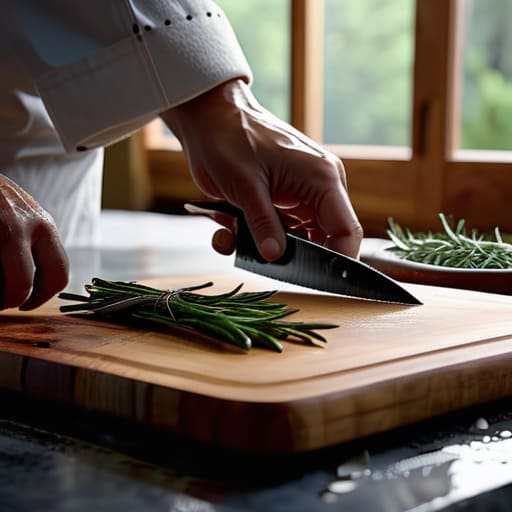
At the end of the day, keeping your knives in good shape isn’t just about preventing a dull edge or making prep work faster. It is about the small, intentional choices we make—from the patient, rhythmic motion of whetstone sharpening to the simple discipline of choosing a wooden board over granite. When we take the time to maintain our tools, we are essentially practicing a form of mindful stewardship. We are ensuring that the connection between our hands and the ingredients we prepare remains seamless, turning a chore into a moment of quiet clarity before the chaos of cooking begins.
I’ve found that the most meaningful kitchens aren’t necessarily the ones with the most expensive gadgets, but the ones where the tools are deeply respected. A well-maintained knife carries the history of every meal you’ve shared and every recipe you’ve mastered. As you move through your own daily rituals, I hope you see your kitchen tools not as mere objects, but as quiet companions in your culinary journey. Treat them with care, and they will, in turn, help you tell your own story, one perfectly sliced ingredient at a time.
Frequently Asked Questions
How do I know if my knife is actually dull, or if I'm just getting used to the way it feels?
It’s a question I’ve asked myself more than once, usually while standing over a cutting board in a dim kitchen. The truth is, your hands are incredibly good at adapting to discomfort. To know for sure, stop relying on “feel” and try the paper test. If you can’t slice through a single sheet of printer paper with a smooth, continuous motion—if it snags or tears—the edge is gone. It’s not your technique; it’s the steel.
Is it worth investing in high-end professional sharpeners, or can I get by with something simpler for my daily cooking?
Honestly, don’t feel pressured to drop a fortune on professional-grade gear just yet. I’ve seen high-end sharpeners in boutique kitchens from Tokyo to Lyon, and while they’re beautiful, they can feel a bit intimidating. For my daily rhythm, a simple honing rod and a decent whetstone are more than enough. It’s less about the price tag and more about the intention you bring to the task. Start simple; let the tool grow with you.
How often should I be checking my blades if I'm using them every single day?
If you’re cooking every day, I’ve found that a quick tactile check is best once a week. I usually run my thumb—very lightly, mind you—along the edge while I’m prepping my morning vegetables. If it feels even slightly “toothy” or drags against a tomato skin instead of gliding, it’s time to reach for the stone. It’s better to catch a dull edge early than to force a blunt blade through your ingredients.
