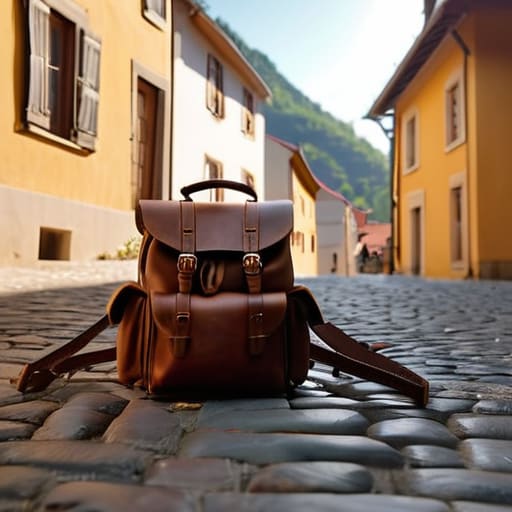
I still remember standing on a humid platform in Marrakech, sweating through my linen shirt while wrestling with a suitcase that felt like it was filled with stones rather than clothes. I had packed for every possible “what if,” convinced that my survival depended on having a backup for my backup. But as I stood there, surrounded by the scent of toasted cumin and diesel, I realized that my heavy luggage wasn’t just a physical burden; it was a barrier between me and the city. I was too busy managing my gear to actually notice the world around me. Traveling light isn’t about following some rigid, minimalist aesthetic you see on Instagram; it’s about reclaiming your mobility so you can actually follow your nose into a side street or a hidden kitchen.
In this post, I’m skipping the polished gear lists and the expensive “travel hacks” that nobody actually uses. Instead, I want to share the practical, unfiltered lessons I’ve learned from years of living out of a single bag. I’ll show you how to curate a wardrobe that works as hard as you do, ensuring you always have enough room in your pack for the things that actually matter—like a heavy cookbook or a handful of local spices found in a morning market.
Table of Contents
Curating a Capsule Wardrobe for Travel and Local Life
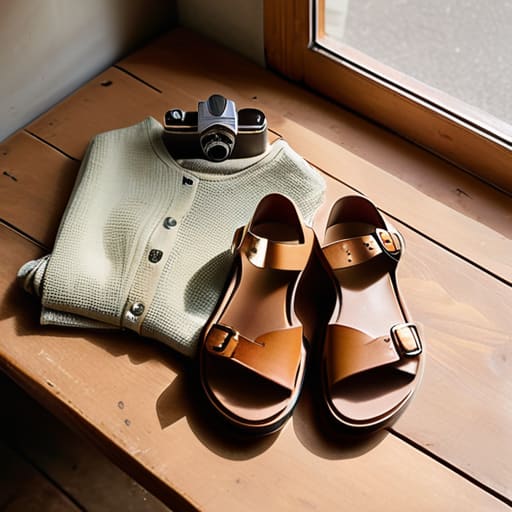
When I sit down to plan a new trip, I don’t think about fashion trends; I think about versatility. My goal is always to build a capsule wardrobe for travel that allows me to blend into a quiet morning at a Parisian boulangerie or a bustling night market in Hanoi without feeling like an outsider. I stick to a palette of neutrals—mostly linens and soft cottons—that can be layered easily. If a piece doesn’t work with at least three other items in my bag, it stays home.
To keep things organized, I rely heavily on efficient packing techniques to manage the limited space. I’ve found that using compression layers helps, but nothing beats the way small, organized compartments keep my life from becoming a chaotic mess of fabric. It’s not just about saving space; it’s about the mental clarity that comes with knowing exactly where my favorite worn-in linen shirt is. By focusing on quality over quantity, I can embrace a one bag travel lifestyle that leaves me with more energy to focus on the scents of the spice stalls rather than digging through a heavy suitcase.
Minimizing Carry on Weight to Move Like a Local
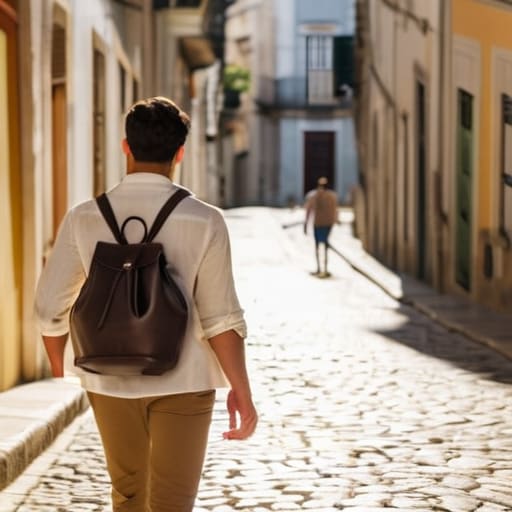
There is a specific kind of freedom that comes with mastering the one bag travel lifestyle. I remember my early years of traveling, lugging a heavy, oversized suitcase through cobblestone streets in Lisbon, sweating and feeling like an outsider. Now, I aim to move through a city with the same ease as the locals I observe sitting in sidewalk cafes. To do this, I focus on minimizing carry-on weight by being ruthlessly selective about what actually earns a spot in my bag.
My secret weapon for staying organized without the bulk is a set of lightweight compression organizers. While some people debate the packing cubes benefits, I find they are essential for keeping my small chaos contained. They allow me to compress my layers, making it much easier to find a clean linen shirt or a pair of walking sandals without digging through a mountain of fabric. It’s not just about saving space; it’s about reducing the mental friction of moving from a train station to a tiny, tucked-away guesthouse, letting me focus more on the scent of roasting coffee and less on my heavy luggage.
Small Habits for a Lighter Load
- I’ve stopped packing “just in case” outfits for scenarios that rarely happen. Instead, I focus on versatile layers that work whether I’m sitting in a breezy seaside cafe or navigating a damp, cobblestone alleyway.
- My rule of thumb is to choose multi-purpose tools; a lightweight linen scarf isn’t just an accessory, it’s a makeshift shawl for chilly museums or a way to cover my shoulders when entering a quiet village chapel.
- I always opt for solid toiletries—think shampoo bars and small tins of balm—to save space in my kit and, more importantly, to avoid the inevitable leaks that ruin a good linen shirt in my bag.
- Rather than carrying heavy books or extra gadgets, I rely on my small notebook and my analog camera. They take up almost no room, but they capture the sensory details—like the scent of toasted cumin in a Marrakech stall—that a smartphone simply can’t.
- I leave a deliberate gap in my bag for the unexpected. I never pack to the brim because I know I’ll eventually find a hand-pressed olive oil or a small, beautifully textured ceramic bowl that I simply can’t leave behind.
Small Lessons from a Life in a Suitcase
Prioritize versatility over variety; I’ve found that a few well-loved, functional pieces allow me to slip into a quiet cafe or a bustling market without feeling like an outsider.
Leave physical space for the things that actually matter—the heavy ceramic bowls, the local spices, and the small, hand-bound cookbooks that carry the scent of a city.
Remember that moving light isn’t just about weight; it’s about the freedom to follow a sudden scent of roasting coffee or a street vendor’s call without being anchored by heavy luggage.
The Weight of What We Carry
I’ve realized that the more I strip away from my suitcase, the more room I have to actually breathe in a new city—and more importantly, more space to bring home the small, tangible fragments of a culture, like a heavy ceramic bowl or a handful of dried herbs, that actually tell its story.
Anouk Verhoeven
The Weight of What Truly Matters
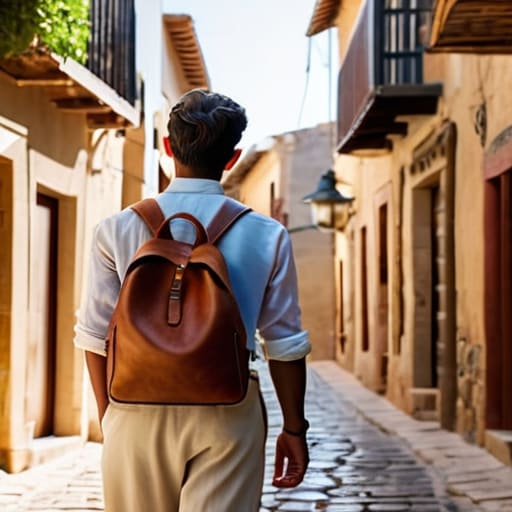
At the end of the day, traveling light isn’t just about a lighter load on your shoulders or a more efficient way to navigate a crowded metro station. It’s about the intentionality behind every item you choose to carry. By curating a capsule wardrobe that works for both a quiet morning in a cafe and a long walk through a spice market, and by keeping your gear minimal enough to move without hesitation, you’re actually clearing space for the unexpected. When you aren’t tethered to a heavy suitcase or a closet full of “just in case” items, you gain the freedom to be more present in the world around you.
I’ve found that the most profound moments of my travels never came from the things I packed, but from the things I encountered along the way—the scent of roasting coffee in a hidden alleyway, or the heavy, textured feel of a hand-pressed recipe card found in a village stall. When we strip away the excess, we stop being mere spectators and start actually living within the rhythm of a new place. So, pack less, move faster, and leave plenty of room in your bag—and your heart—for the real stories that can’t be planned.
Frequently Asked Questions
How do you handle laundry when you're moving between cities every few days?
I’ve stopped viewing laundry as a chore and started seeing it as a way to slow down. When I’m moving every few days, I rely on a small sink strainer and a travel-sized bottle of eco-friendly soap to wash basics in my sink. But honestly? My favorite method is finding a local laundromat. It’s the perfect excuse to sit in a neighborhood cafe, watch the world go by, and finally catch up on my notebook.
Are there specific types of gear, like camera equipment, that are hard to fit into a minimalist setup?
Honestly, my camera gear is my biggest struggle. I’m a sucker for analog, and carrying extra rolls of film and a sturdy body feels heavy when you’re trying to be light. I’ve had to learn the hard way that a massive lens kit isn’t worth the shoulder ache. Now, I stick to one versatile prime lens and my small notebook. It’s about choosing the tools that capture the soul of a place without weighing down my spirit.
How do you manage to stay stylish enough for a nice dinner without overpacking extra outfits?
I’ve found that a single, well-cut black linen blazer or a silk slip dress can do all the heavy lifting. I usually pack one “elevated” piece that works with my daytime basics—think pairing my travel trousers with a delicate blouse I’d normally wear for a museum visit. It’s all about texture and versatility; a quick change of jewelry or a fresh pair of leather sandals is usually enough to transition from a market stall to a candlelit bistro.
