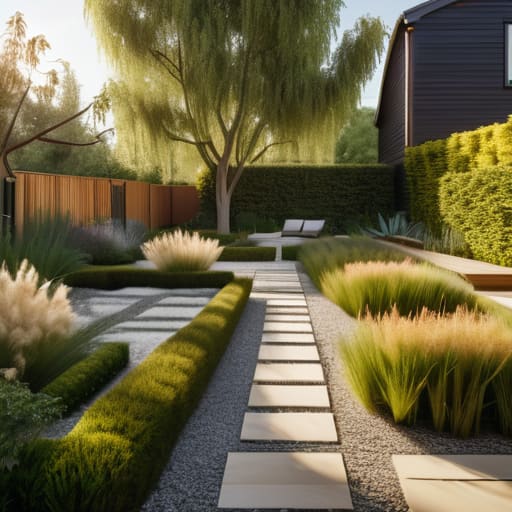
I remember sitting on a weathered wooden bench in a tiny courtyard in Oaxaca, the air thick with the scent of damp earth and crushed mint. There was no manicured perfection in sight—just a chaotic, beautiful tangle of rosemary, citrus trees, and cracked terracotta pots that felt more alive than any showroom catalog I’ve ever seen. It hit me then that most modern advice on garden design is fundamentally broken; we’ve been taught to chase a sterile, symmetrical aesthetic that actually strangles the soul of a space. We spend so much time trying to curate a picture-perfect view that we forget a garden is supposed to be a living, breathing extension of our own messy lives.
I’m not here to sell you on expensive stone pavers or complex landscaping blueprints that require a full-time crew to maintain. Instead, I want to share how you can approach garden design as a way to build a sensory sanctuary that actually works with your environment rather than against it. We’re going to focus on the small, intentional choices—the textures, the seasonal rhythms, and the practical layouts—that turn a patch of dirt into a place where you can truly feel grounded.
Table of Contents
- Small Backyard Spatial Planning for Quiet Morning Rituals
- Perennial Plant Selection Planting Stories That Return Every Year
- The Layers of a Living Sanctuary: Five Ways to Ground Your Space
- The Heart of the Garden
- The Living Archive of a Garden
- The Living Legacy of Your Garden
- Frequently Asked Questions
Small Backyard Spatial Planning for Quiet Morning Rituals
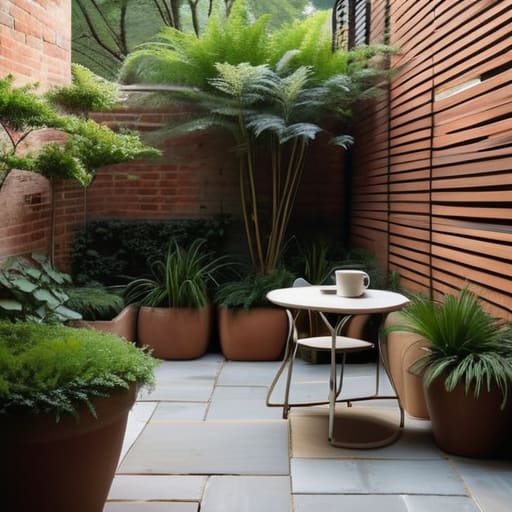
When I’m navigating a new city, I often find myself drawn to those tiny, hidden courtyard cafes where the world seems to slow down. I’ve realized that we can recreate that same sense of stillness right at home, even if we only have a few square meters to work with. For me, effective small backyard spatial planning isn’t about cramming in every plant imaginable; it’s about carving out a specific sanctuary for that first, quiet cup of coffee before the rest of the world wakes up.
I tend to think in terms of garden zoning principles, separating the “active” areas from the “stillness” zones. By using a thoughtful mix of hardscape vs softscape design—perhaps a single, smooth stone slab for a chair and a soft perimeter of moss or ferns—you create a physical boundary for your thoughts. It’s about making sure your eyes have a soft place to land. I want my morning ritual to feel less like a chore in a yard and more like a deliberate pause in a private, living room without a ceiling.
Perennial Plant Selection Planting Stories That Return Every Year
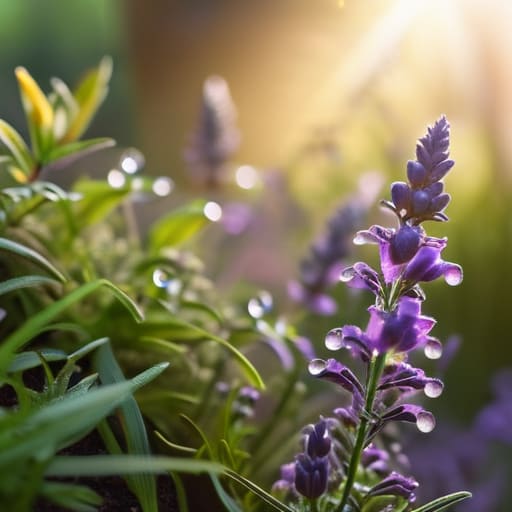
There is something deeply grounding about choosing plants that don’t just show up for a single season, but instead commit to the land. When I’m thinking about perennial plant selection, I find myself less interested in what looks manicured for a photo and more interested in what feels like it belongs. I love the idea of planting something today—perhaps a hardy lavender or a cluster of wild thyme—and knowing that it will be there to greet me next spring, having survived the frost and the changing light. It creates a sense of continuity that mirrors the way we build our own lives.
In my experience, the most successful spaces balance the structure of the ground with the rhythm of the seasons. While you need to consider the balance of hardscape vs softscape design to keep a small area from feeling cluttered, it’s the perennials that provide the soul. They act as the living heartbeat of the space. Instead of constantly buying new annuals to fill gaps, I prefer to lean into sustainable garden planning, choosing species that evolve with the soil. It’s about creating a slow, unfolding story rather than a temporary display.
The Layers of a Living Sanctuary: Five Ways to Ground Your Space
- Design for the senses, not just the eyes. I always find myself reaching for my notebook when I encounter a garden that smells like damp earth and crushed rosemary; try to plant herbs or fragrant blooms near your seating areas so the scent becomes part of your memory of the space.
- Embrace the beauty of imperfection. A garden shouldn’t look like a sterile showroom; leave a little room for the wildflowers to wander or the moss to claim a stone, because those tiny, unplanned moments are where the soul of a garden actually lives.
- Create pockets of intimacy. Instead of one large, daunting expanse of lawn, use tall grasses or small trellis structures to carve out “rooms”—little corners where you can tuck yourself away with a book and feel completely hidden from the world.
- Think in seasons, not just snapshots. It’s easy to get caught up in what looks lush in June, but true garden design is about finding beauty in the skeletal grace of winter branches or the way fallen leaves settle into the soil.
- Honor the local rhythm. I’ve learned that the most resilient gardens are the ones that stop fighting the environment; use plants that actually want to live in your specific soil and climate, rather than trying to force a Mediterranean aesthetic on a temperate landscape.
The Heart of the Garden
Design for the senses, not just the eyes; prioritize textures, scents, and the way light shifts throughout the day to create a space that feels truly alive.
Choose plants that tell a story of continuity, opting for perennials that ground your garden in the rhythm of the seasons rather than fleeting trends.
Focus on intentionality over scale, creating small, functional pockets of peace that invite you to slow down and actually inhabit your outdoor space.
The Living Archive of a Garden
A garden shouldn’t feel like a curated showroom; it should feel like a slow conversation between the soil and your senses, where every plant chosen is a memory planted for a future version of yourself to rediscover.
Anouk Verhoeven
The Living Legacy of Your Garden
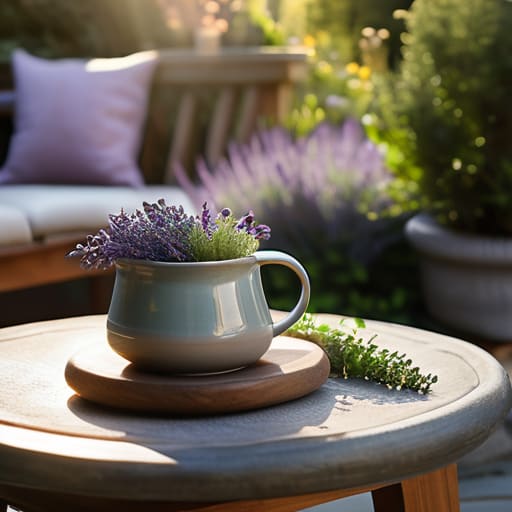
Designing a garden shouldn’t feel like a high-stakes architecture project or a quest for a catalog-perfect landscape. It is really about the intentionality behind the choices we make—from how we map out those quiet corners for a morning coffee to the way we select perennial companions that promise to return with the seasons. When we plan for space and choose plants that tell a story of resilience and continuity, we aren’t just decorating a yard; we are building a framework for our own daily rituals. By focusing on the small, functional details, we ensure that the garden becomes a place of genuine connection rather than just another chore on a to-do list.
Ultimately, a garden is never truly finished; it is a living, breathing conversation between you and the earth. It will change as you change, shifting its colors and textures alongside the different chapters of your life. Don’t be afraid of a little mess or a plant that grows a bit too wild, because that is where the soul of the space resides. My hope is that you approach your garden not as a task to be completed, but as a slow, evolving sanctuary that invites you to sit, breathe, and simply be present in the world.
Frequently Asked Questions
How do I choose plants that actually thrive in my specific soil and light without turning my garden into a high-maintenance chore?
Stop trying to force a plant to live somewhere it clearly doesn’t want to be. I’ve learned that fighting your environment is a losing game. Before you buy anything, spend a morning just sitting in your garden. Observe where the shadows linger and feel the texture of your soil—is it gritty, or does it hold water like a sponge? Choose plants that belong to those specific conditions. When the environment and the plant are in sync, the garden breathes on its own.
I have a very small balcony rather than a yard; can I still create that sense of a "living sanctuary" in such a limited space?
Absolutely. In my experience, a sanctuary isn’t defined by square footage, but by how much life you can pack into the view. I’ve lived in tiny apartments where a single window box of fragrant basil and a weathered wooden stool felt like a whole world. It’s about layering: vertical planters for greenery, a soft texture underfoot, and maybe one scent-heavy herb. Even a few inches of soil can hold a whole story.
How do I balance the desire for a beautiful, curated look with the messy, organic reality of a garden that actually grows and changes?
I think we often fall into the trap of treating gardens like museum exhibits—static and perfect. But after years of watching how life actually unfolds in different climates, I’ve learned that beauty lies in the tension. Don’t fight the chaos; frame it. Use clean, structural elements like a stone path or a simple wooden bench to provide a sense of order, then let the plants spill over the edges. It’s the wildness that gives a garden its soul.
