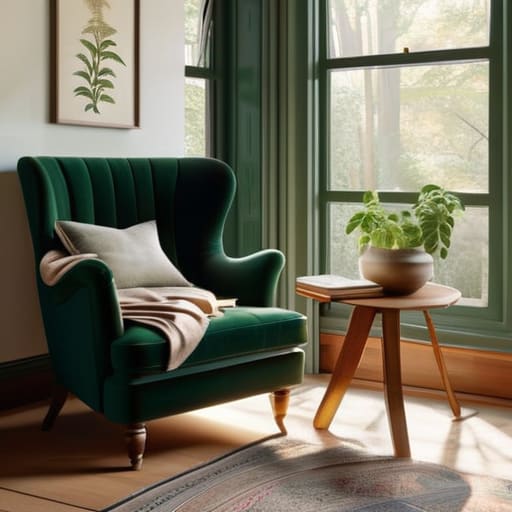
There is a specific kind of magic in finding a quiet corner in a foreign city—a sun-drenched windowsill in a Lisbon apartment or a velvet armchair tucked away in a dim, dusty bookstore in Edinburgh. These moments of stillness are where I truly feel I can breathe, yet I often find that when I return to my own temporary spaces, that sense of sanctuary is missing. We spend so much of our lives rushing from one task to the next that we forget how to actually inhabit our surroundings. I’ve realized that creating a dedicated space for slow living isn’t about luxury; it’s about intentionality. Searching for the right reading nook ideas is really just a way of asking ourselves how we can better protect our own peace in a world that never seems to stop moving.
In this post, I want to share five ways to cultivate that same sense of soulful refuge right where you are. I’ll be walking you through my favorite reading nook ideas that focus on texture, light, and that essential feeling of being completely grounded. Whether you have a sprawling living room or just a tiny corner in a studio apartment, these tips will help you build a sanctuary that feels less like furniture and more like a home.
Table of Contents
The Window Seat Sanctuary
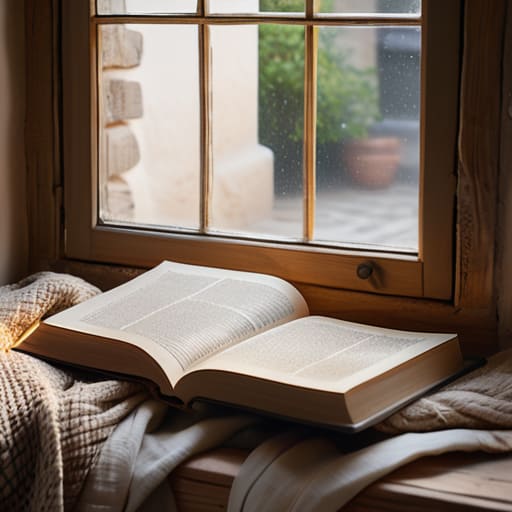
There is something about watching the light shift across a room that makes a book feel more intimate. I remember a small guesthouse in Provence where the window seat was nothing more than a wide wooden ledge covered in linen cushions, but it felt like the most sacred space in the house. If you have a deep windowsill, don’t feel pressured to buy a massive armchair; sometimes, just adding a few soft textures and a view of the street can transform a simple ledge into a place where you can truly disappear.
The Corner of Soft Shadows
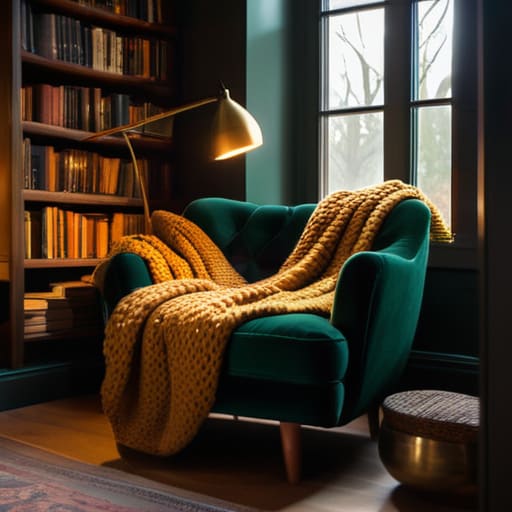
We often think we need bright, overhead light to read, but I’ve found that the most soulful reading spots thrive in the dimmer corners of a room. I love the idea of reclaiming that awkward, unused corner near a bookshelf and turning it into a cocoon. By placing a single, low-slung chair there and adding a small, warm lamp, you create a visual anchor that tells your brain it’s time to slow down.
The Textile Cocoon
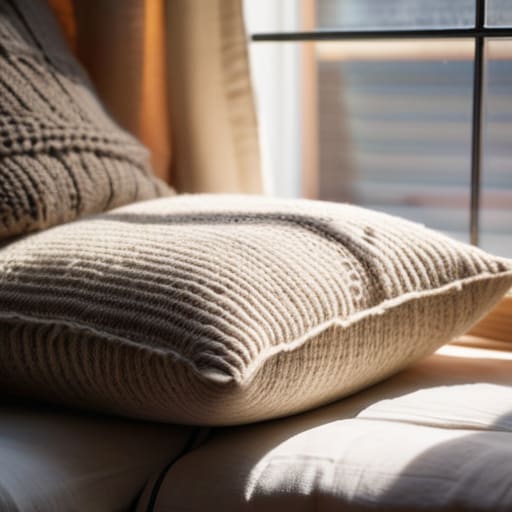
When I move between cities, I realize that we often try to build “spaces” when what we actually need is “feeling.” You don’t need a dedicated room to have a reading nook; you just need a way to signal to your body that it’s time to rest. I’ve spent many afternoons curled up on a floor cushion in a tiny apartment in Berlin, surrounded by a few well-loved textiles that made the hard floor feel like a private retreat.
The Library Nook
There is a specific kind of magic that happens when you are physically surrounded by the stories you love. I’ve always felt that a reading nook shouldn’t just be a chair, but an extension of your bookshelf. If you can tuck a small seat directly against your collection, the books themselves become the wallpaper of your world, providing a sense of intellectual companionship that a blank wall never could.
The Breakfast Nook Pivot
We often associate reading with solitude, but I find a lot of joy in the quiet moments of a shared space. If you have a small kitchen table or a breakfast nook, don’t view it solely as a place for caffeine and toast. During the slow hours of a rainy morning, a table can easily transition into a contemplative workspace or a reading station, provided you have the right setup.
Finding Your Quiet Center
A reading nook isn’t about expensive furniture; it’s about carving out a small, intentional sanctuary where you can actually hear your own thoughts.
Treat your corner like a sensory experience—think soft textures, natural light, and a space that feels as grounding as a quiet morning in a local market.
The best nook is the one that invites you to slow down and stay a while, turning a simple corner of your home into a ritual of stillness.
The Soul of a Space
A reading nook isn’t just about a comfortable chair or a well-placed lamp; it’s about carving out a small, sacred territory where the rush of the world stops, allowing you to finally settle into the quiet rhythm of a story.
Anouk Verhoeven
Finding Your Own Quiet Rhythm
Whether you end up repurposing a dusty corner with a single velvet armchair, layering textures with floor cushions, or building a window seat that catches the afternoon light, the goal remains the same. Creating a reading nook isn’t about following a strict interior design manual or buying expensive furniture; it is about intentionality. It is about choosing a specific spot in your home and declaring it a sanctuary—a place where the distractions of the digital world fade into the background, leaving only you and the pages in front of you. By focusing on light, comfort, and a sense of enclosure, you turn a mere piece of furniture into a personal retreat.
At the end of the day, these small, curated corners are what make a house feel like a home. They remind me of the tiny, sun-drenched alcoves I’ve found in old libraries across Europe, where time seems to hold its breath just for a moment. I hope you find that same sense of stillness in your own space. Don’t worry if it isn’t “picture perfect” or ready for a magazine spread; the most meaningful spaces are often the ones that feel a little worn in and deeply personal. So, grab your current read, find your light, and simply settle in.
Frequently Asked Questions
How can I create a cozy reading corner in a small apartment without it feeling cluttered?
When space is tight, I’ve learned that less is always more. Instead of adding more furniture, look for “found” corners—that little sliver of light between a window and a bookshelf. I try to keep things intentional: one comfortable chair, a single soft throw, and perhaps a small side table for my tea and notebook. By focusing on texture rather than volume, you create a sanctuary that feels like a quiet retreat, not a storage unit.
What kind of lighting works best for reading at night without disturbing someone else in the room?
I’ve learned through many long nights in tiny, shared guest houses that lighting is everything. If you’re sharing a space, skip the overheads and reach for a small, warm-toned clip-on reading light or a dimmable amber lamp. I love using a directed task light with a warm bulb; it creates a little pool of intimacy for your book without spilling light across the whole room, keeping the rest of the space in a soft, restful shadow.
Are there specific textures or materials that help make a reading nook feel more grounded and inviting?
For me, it’s all about the tactile connection. I tend to gravitate toward materials that feel like they have a history—think heavy, lived-in linen, chunky wool throws, or even a smooth wooden side table. I find that synthetic, “perfect” fabrics feel a bit hollow. To make a space feel grounded, you need textures that invite you to touch them, much like the worn leather of a well-traveled journal or a hand-woven rug from a local market.
