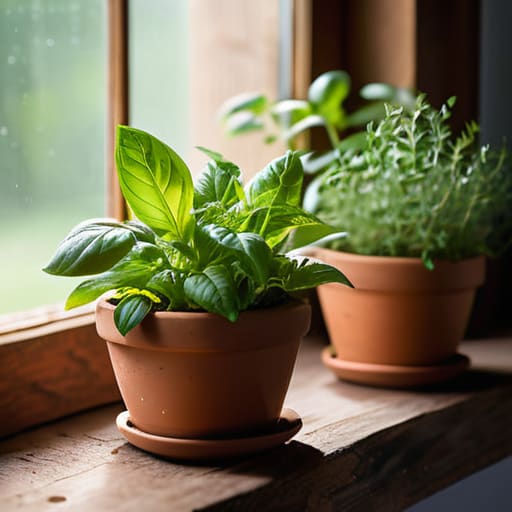
I remember sitting on a sun-drenched stone step in a small village outside of Marseille, watching an elderly woman prune her tiny, chaotic patch of rosemary and thyme. There was no expensive irrigation system or designer ceramic pots in sight—just a weathered wooden crate and a lifetime of knowing exactly when the soil needed a drink. It struck me then how much we’ve overcomplicated the idea of an herbal garden. We’ve been sold this myth that you need a sprawling backyard and a PhD in botany to cultivate something meaningful, when really, the most vibrant flavors come from the simplest, most unpretentious arrangements.
I’m not here to give you a checklist of high-end gardening tools or a guide to the most aesthetic windowsill setups you’ll find on social media. Instead, I want to share what I’ve learned from traveling through kitchens that treat herbs as living essentials rather than mere decorations. I’ll show you how to build a functional herbal garden that actually survives your lifestyle, focusing on the sensory connection between the plant in your hand and the meal on your plate. Let’s strip away the hype and get back to the dirt.
Table of Contents
Finding the Best Herbs for Small Spaces
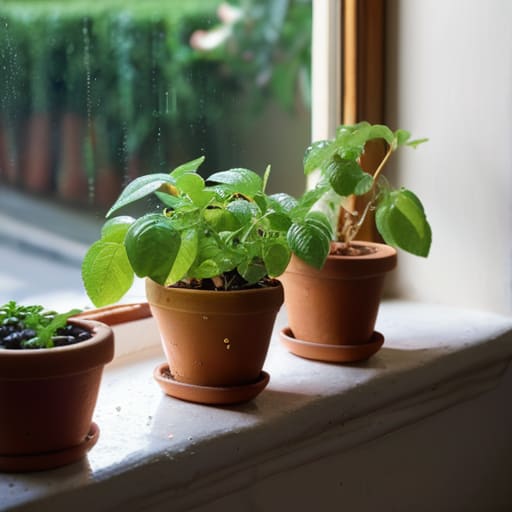
When I was staying in a tiny studio in Lisbon last spring, my windowsill became my entire world. I realized quickly that you don’t need a sprawling backyard to cultivate something meaningful; you just need to understand the specific herb garden sunlight requirements of your little corner. For those of us living in apartments, I’ve found that basil and mint are the most forgiving companions. They thrive in those bright, sun-drenched spots that most people overlook, turning a cramped kitchen into something that feels alive and fragrant.
The real secret, though, lies beneath the surface. I used to think any dirt would do, but I quickly learned that the right potting mix for culinary herbs is what prevents that dreaded root rot. You want something airy and well-draining, almost like the soil I encountered in the small terraced gardens of the Mediterranean. If you’re just starting, don’t overcomplicate it. Focus on a few high-impact plants, keep your drainage consistent, and you’ll find that even the smallest ledge can become a vibrant, edible sanctuary.
Mastering Organic Herb Cultivation at Home
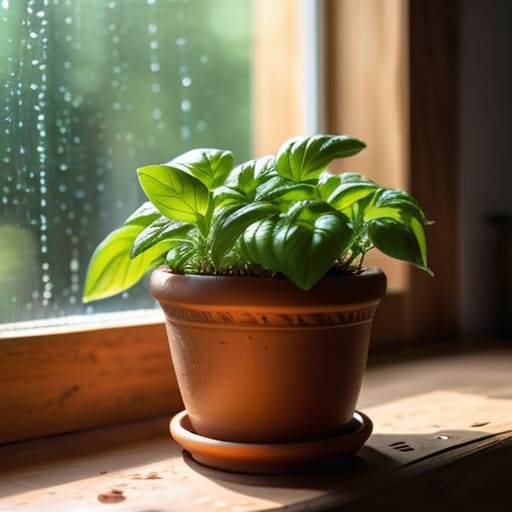
There’s a certain kind of magic in knowing that the basil in your pasta didn’t come from a plastic sleeve in a supermarket, but from a pot on your own windowsill. When I first started experimenting with organic herb cultivation, I made the mistake of treating every plant the same, which is a quick way to end up with wilted stems and sad leaves. The secret, I’ve found, lies in respecting their individual temperaments. You can’t just throw them into any old dirt; finding a high-quality, well-draining potting mix for culinary herbs is the foundation of everything. It gives the roots room to breathe, much like how a traveler needs a bit of space to truly settle into a new city.
I also learned the hard way that light is everything. Every windowsill has its own personality, and you have to match your plants to those specific herb garden sunlight requirements. My rosemary thrives in the harsh, direct glare of the afternoon sun, while my mint prefers the softer, dappled light of a north-facing corner. It’s a bit like learning the rhythm of a new neighborhood—once you understand the patterns, everything just starts to grow.
Small Lessons from My Kitchen Windowsill
- Pay attention to the light; I’ve learned the hard way that while rosemary loves a sun-drenched ledge, mint is much happier tucked away in a slightly shadier corner of the kitchen.
- Don’t overthink the watering—most of my herb mistakes come from being too eager, so I’ve learned to wait until the soil actually feels dry to the touch before reaching for the can.
- Always harvest from the top down, pinching off the little leaves rather than stripping the bottom branches; it encourages the plant to grow bushier and more resilient.
- Group your plants by their thirst levels, keeping the water-lovers together so you aren’t constantly playing a guessing game with your watering schedule.
- Keep a small notebook nearby to jot down how different soil mixes affect the scent of your basil or thyme—it’s amazing how much a tiny change in nutrients can alter the aroma of a plant.
Bringing the Market Home
You don’t need a sprawling countryside estate to grow your own flavors; even a sun-drenched windowsill can host a thriving collection of basil or thyme that transforms a simple meal.
Embracing organic methods isn’t just about avoiding chemicals, it’s about respecting the lifecycle of the plant and ensuring that the aroma hitting your senses is as pure as what you’d find in a local village market.
Cultivating herbs is a lesson in patience and observation, turning a daily kitchen chore into a grounding ritual that connects you to the seasons and the soil.
The Scent of Connection
There is something profoundly grounding about pressing your thumb against a leaf of bruised rosemary or fresh thyme; it’s a sensory bridge that connects the soil beneath your feet to the very soul of the dishes we call home.
Anouk Verhoeven
Bringing the Garden Home
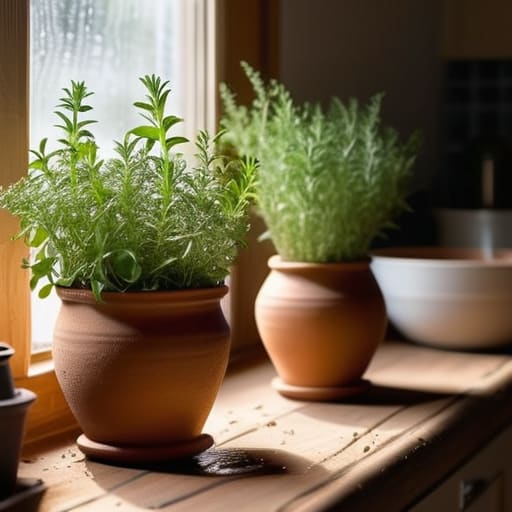
At the end of the day, cultivating an herbal garden isn’t about having a perfectly manicured landscape or a massive backyard. It’s about the small, intentional choices we make—selecting the right varieties for our windowsill, understanding the specific needs of our soil, and leaning into organic methods that respect the rhythm of nature. Whether you are squeezing a sprig of fresh rosemary into a simple pasta dish or simply enjoying the scent of crushed basil on a warm afternoon, you are participating in a deeply ancient tradition of self-sufficiency. By mastering these basics, you turn your living space into something more than just a place to sleep; you turn it into a living, breathing pantry.
As I sit here in my current rental, looking at the slightly messy rows of mint and thyme on my kitchen ledge, I’m reminded that these plants do more than just season our food. They anchor us. In a world that often feels too fast and too disconnected, there is something profoundly grounding about getting your hands in the dirt and watching a tiny seed transform into something fragrant and useful. I hope you find that same sense of connection in your own little green corner. Don’t worry about making it perfect; just focus on the sensory joy of it all. After all, the most beautiful gardens are the ones that actually get used.
Frequently Asked Questions
How do I know if my small balcony or windowsill is getting enough sunlight for more demanding herbs like rosemary or thyme?
I remember sitting on a tiny balcony in Lisbon, watching how the light shifted against the tiles. To test your own space, try the “shadow test.” If you can clearly see a sharp, defined shadow from your hand, you’ve got the bright, direct sun rosemary craves. If the shadows are blurry or faint, it’s likely too shaded. If you’re stuck in the middle, maybe stick to mint or parsley for now.
Is it worth it to grow everything from seed, or should I start with established nursery plants to avoid the initial struggle?
Honestly, it depends on how much patience you have left after a long day of travel. If you’re craving that slow, meditative connection, starting from seed is beautiful—there’s something grounding about watching a tiny life emerge from the dirt. But if you just want to smell fresh basil in your pasta by next week, buy the nursery plants. Don’t let the initial struggle turn your kitchen garden into a chore instead of a joy.
How can I keep my herbs tasting vibrant and flavorful if I'm growing them in containers rather than directly in the ground?
Honestly, growing in containers is a bit of a balancing act. Since the soil volume is so limited, the nutrients get depleted much faster than they would in the ground. I’ve found that the secret is frequent, light feeding—think organic liquid seaweed rather than heavy salts. Also, don’t let them get root-bound; if the flavor starts fading, it’s usually a sign they need a slightly larger home or a fresh boost of compost.
