Category: Home

  • Tips for Living in a Small Apartment

    Tips for Living in a Small Apartment

    I remember sitting on the floor of a studio in Lisbon last autumn, the smell of toasted sourdough and damp stone drifting through my open window, trying to figure out where my life could possibly fit. I had three suitcases, a collection of film cameras, and a single, mismatched wooden chair, yet I felt completely overwhelmed by the sheer friction of my surroundings. We’ve been sold this lie that small apartment living requires a curated, beige-toned museum existence where every object is a sculptural masterpiece. But let’s be honest: most of us aren’t living in a lifestyle magazine; we are just trying to find enough counter space to chop an onion without knocking over our coffee.

    I’m not here to sell you on expensive, minimalist organizers that look pretty but serve no purpose. Instead, I want to talk about how to make a cramped space actually work for the way you live, eat, and breathe. I’ll be sharing the messy, practical realities of carving out a sanctuary when your square footage is limited, focusing on intentionality over aesthetics. We’re going to look at how to keep your soul in the room without letting the clutter swallow you whole.

    Table of Contents

    The Quiet Joy of Decluttering Small Homes

    The Quiet Joy of Decluttering Small Homes

    There is a specific kind of clarity that comes when you finally stop fighting against your own four walls. When I first moved into my current studio, I felt like I was constantly tripping over my own life—too many books, too many half-finished projects, too much noise. I realized that decluttering small homes isn’t just about cleaning; it’s about deciding what actually deserves to occupy your mental and physical space. It’s a slow, almost meditative process of deciding what tells a story worth keeping and what is just taking up room.

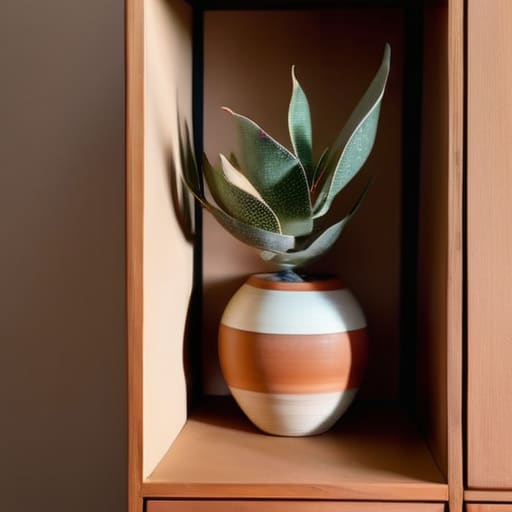
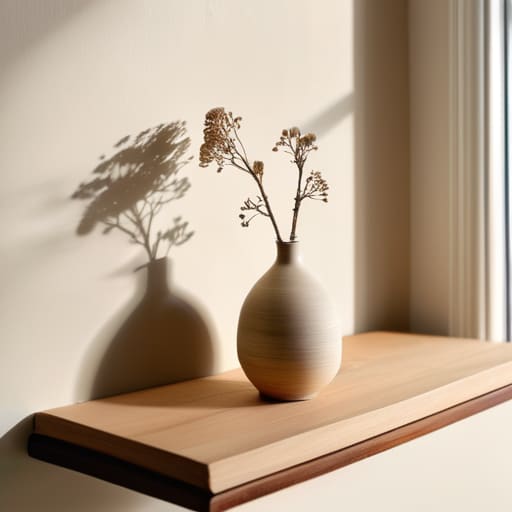
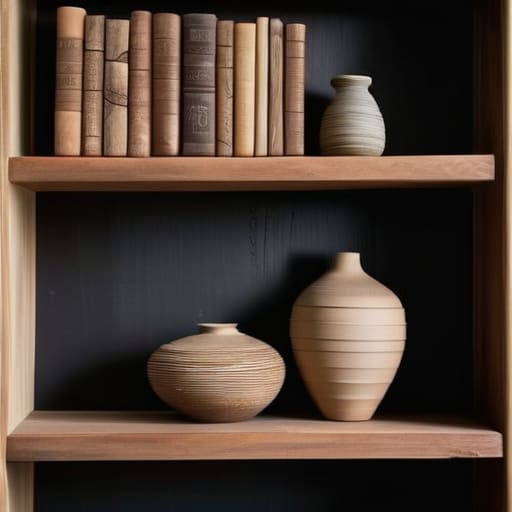
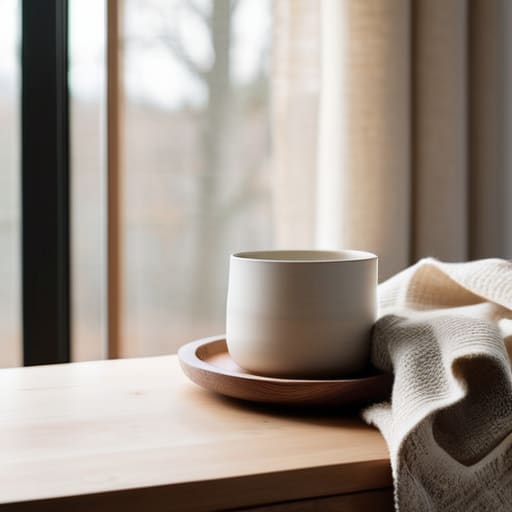
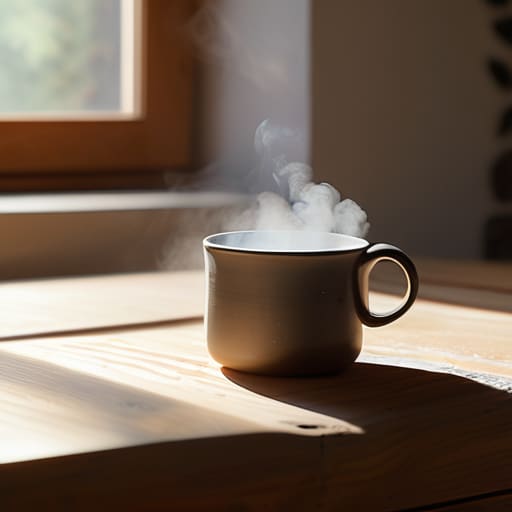
    I’ve learned to stop looking for more floor space and start looking up. Instead of letting things pile up on every flat surface, I’ve leaned heavily into vertical storage solutions, like floating shelves that hold my ceramics without crowding my workspace. It changes the energy of the room. When you clear the visual clutter, you finally have the breathing room to actually enjoy the quiet moments—like sipping a coffee while the morning light hits a single, well-placed vase. It’s about making room for the life you actually want to live.

    Minimalist Decor for Small Spaces and Slow Living

    Minimalist Decor for Small Spaces and Slow Living

    When I move into a new space, I try not to bring a museum’s worth of things with me. Instead, I look for pieces that feel intentional. I’ve learned that minimalist decor for small spaces isn’t about living in a sterile white box; it’s about choosing objects that actually have a pulse. I might hang a single, weathered map from a city that changed me, or place a ceramic bowl I found in a seaside market on a bare wooden table. These items don’to just fill a void; they anchor the room.

    The real trick to maintaining that sense of calm is being smart about how things occupy the air around you. Since I’m usually working from a corner of my living room, I rely heavily on vertical storage solutions to keep my notebooks and camera gear from swallowing my desk. I’ve also become a devotee of multifunctional furniture ideas, like a sturdy trunk that serves as both a coffee table and a place to hide my seasonal linens. It’s about creating a landscape that breathes, allowing the room to feel less like a storage unit and more like a sanctuary.

    Finding the Rhythm in a Tight Space

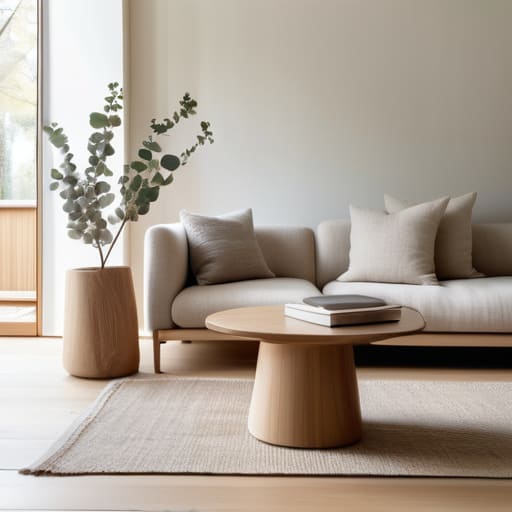
    • Invest in furniture that works as hard as you do; I’ve found that a sturdy wooden table which doubles as a workspace and a dinner spot saves so much mental clutter.
    • Let your walls do the heavy lifting, but keep it intentional—hanging a single, meaningful landscape photograph creates depth without making the room feel like it’s closing in on you.
    • Shop your own kitchen for multi-purpose tools, because in a small studio, a single heavy cast-iron skillet is worth more than a drawer full of specialized gadgets you’ll never use.
    • Use textiles to define your zones, like a soft linen rug to separate the sleeping nook from the living area, creating a sense of “rooms” without the need for actual walls.
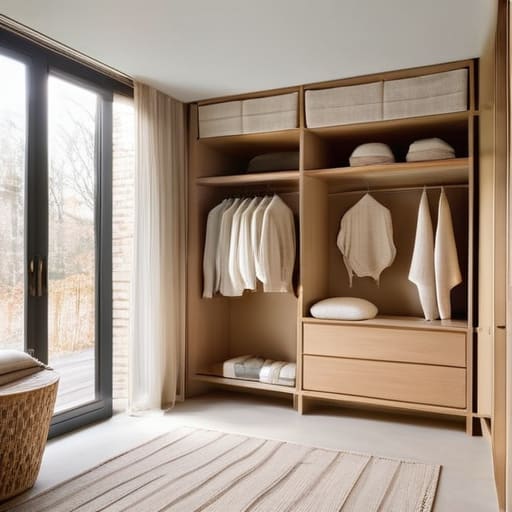
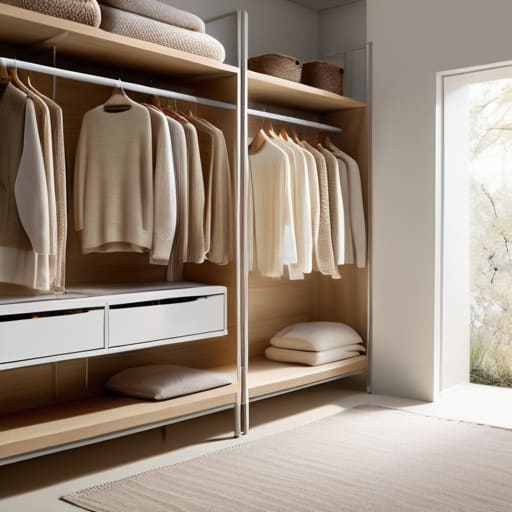
    • Embrace the seasonal rotation, just like I do with my wardrobe, by tucking away heavy winter blankets and bulky items in slim bins when the light changes and the air turns warm.

    Making Room for What Matters

    Treat your belongings like a curated collection rather than a stockpile; if an object doesn’t serve a purpose or hold a meaningful story, it’s just taking up precious mental and physical space.

    Prioritize multi-functional pieces that work hard for you, much like a well-loved travel kit, to ensure your home feels intentional rather than cramped.

    Focus on the sensory experience of your space—the way light hits a corner or the scent of a single candle—to create a sense of expansiveness that square footage alone can’t provide.

    The Soul of the Square Footage

    Living in a tiny studio feels a lot like a crowded market stall—you learn to find the beauty in the squeeze and keep only the things that actually tell a story.

    Anouk Verhoeven

    Finding the Heart of the Home

    Finding the Heart of the Home.

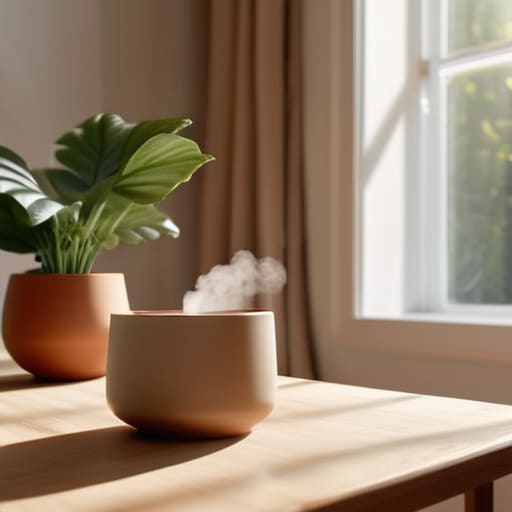
    Ultimately, living in a small space isn’t about what you’re forced to give up, but about what you choose to keep. We’ve talked about the mental clarity that comes from decluttering and how a few intentional, minimalist pieces can turn a cramped room into a sanctuary. It’s a shift from seeing square footage as a limitation to seeing it as a curated canvas. When we stop trying to fill every empty corner with “stuff,” we finally leave enough room for the things that actually matter—the steam rising from a morning cup of coffee, the light hitting a single ceramic vase, or the space to simply breathe.

    I’ve learned through years of moving between different cities that a home shouldn’t be a museum of things we once owned, but a living, breathing reflection of who we are right now. Whether you are in a tiny studio in Berlin or a sun-drenched flat by the coast, your space should serve your soul, not your clutter. Don’t be afraid of the empty spaces; they are often where the most meaningful moments happen. After all, a home is less about the walls that surround us and more about the quiet intention we bring to the life we lead inside them.

    Frequently Asked Questions

    How do you keep a tiny kitchen from feeling chaotic when you're actually trying to cook real, seasonal meals?

    I’ve learned that a tiny kitchen only feels chaotic when you try to cook like you have a chef’s pantry. I keep my counters clear of everything except what I’m using right now—usually just a heavy wooden board and a single sharp knife. I rely on “mise en place” as a way of life; prepping my seasonal vegetables in small bowls before I even turn on the heat keeps the madness at bay.

    Are there ways to make a small space feel more like a home and less like a temporary transit lounge?

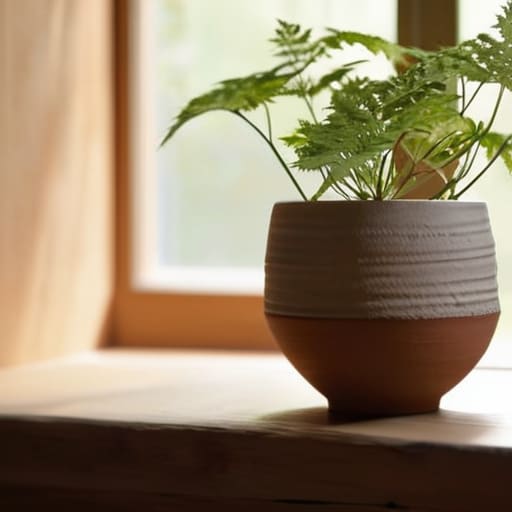
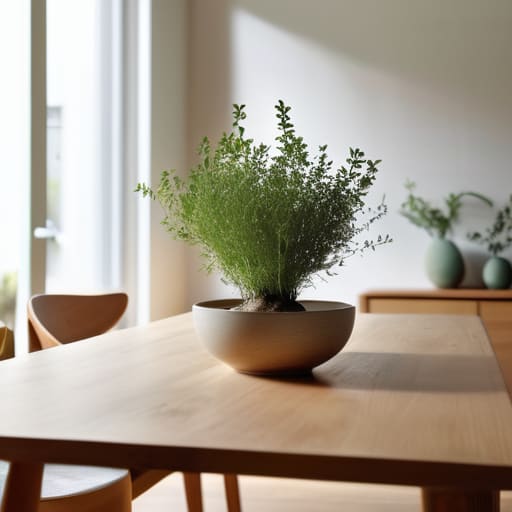
    It’s easy to let a small place feel like a hotel room, especially when you’re moving frequently. To stop the “transit lounge” feeling, focus on sensory anchors. Bring in things that carry history—a worn ceramic bowl from a market in Oaxaca or a stack of well-loved cookbooks. Even a single, fragrant herb plant on a windowsill can ground you. It’s about layering textures and scents that make the space feel lived-in, not just occupied.

    How do you balance the need for functional minimalism with the desire to keep meaningful objects and souvenirs from your travels?

    I’ve learned to treat my belongings like a curated museum exhibit rather than a storage unit. I don’t keep every ceramic bowl from a market in Oaxaca; I choose the one that feels right in my hands. If a souvenir doesn’t spark a specific sensory memory—like the smell of rain on a cobblestone street—it doesn’t earn a spot on my shelf. I prioritize objects that serve a purpose and tell a story.

  • Ways to Decorate a Rental Home

    Ways to Decorate a Rental Home

    I still remember the smell of damp plaster and stale coffee in my first studio in Lisbon—a tiny, drafty space that felt more like a temporary transit station than a home. I spent hours staring at those sterile, white walls, feeling like I was living in a waiting room rather than a sanctuary. The internet is full of these polished, high-budget “hacks” that suggest you need a massive budget to fix a soul-less space, but that’s a lie. Real rental friendly decor isn’t about buying a whole new aesthetic; it’s about finding those small, tactile ways to anchor yourself when you don’t actually own the floor beneath your feet.

    I’m not here to sell you on expensive gadgets or complicated DIY projects that will leave you fighting with your landlord come lease renewal. Instead, I want to share the practical, low-impact methods I’ve gathered from years of moving between cities and makeshift kitchens. We’re going to focus on things that actually add warmth—textures, lighting, and art—without leaving a single permanent mark. Think of this as a guide to making a space feel like yours, one intentional layer at a time.

    Table of Contents

    Peel and Stick Wallpaper Adding Texture Without Leaving Scars

    Peel and Stick Wallpaper Adding Texture Without Leaving Scars

    I remember staying in a tiny studio in Lisbon last autumn, where the walls were a sterile, unforgiving white that felt more like a hospital than a home. It’s a common struggle when you’re moving frequently; you want a sense of place, but you can’t exactly pick up a paintbrush. This is where peel and stick wallpaper becomes a lifesaver. It’s essentially a temporary skin for your room that allows you to introduce pattern or even a subtle linen texture without the permanent commitment.

    I recently experimented with a botanical print in a small nook, and the transformation was immediate. Because it’s designed for easy removal, it qualifies as one of those essential damage-free wall decor options that won’t result in a lost security deposit. The trick is to choose a design that feels intentional—something that mimics the organic textures I look for in local markets. If you apply it to a single accent wall or even just a bookshelf back, it adds a layer of depth that makes a generic space feel deeply personal and lived-in.

    The Art of Damage Free Wall Decor for Quiet Moments

    The Art of Damage Free Wall Decor for Quiet Moments

    When I’m staying in a new city for a few months, I find that the walls often feel a bit too sterile, like a gallery space rather than a home. I’ve learned that you don’t need to hang heavy frames to create a sense of belonging. Instead, I lean into damage-free wall decor that feels more organic. I often use small, wooden clips or even simple twine to hang postcards from local markets or pressed flowers I’ve found on my walks. It’s a way to bring the outside in without ever touching a drill.

    For something a bit more substantial, I’ve become a huge fan of exploring different command hook decorating ideas. They are perfect for hanging lightweight woven tapestries or even small, dried herb bundles that catch the light. It’s these tiny, intentional layers that turn a temporary room into a sanctuary. Whether it’s a piece of art that reminds me of a coastal town or a simple string of warm lights, these temporary apartment upgrades allow me to curate a space that feels grounded and deeply personal, no matter how fleeting my stay might be.

    Small Shifts That Make a Temporary Space Feel Like Yours

    • Lighting is everything. I’ve found that the harsh, overhead fluorescent lights in most rentals are the quickest way to kill a mood. Instead, bring in a few warm lamps or even some battery-operated sconces to create those soft, lived-in pockets of light that make a room feel cozy rather than clinical.
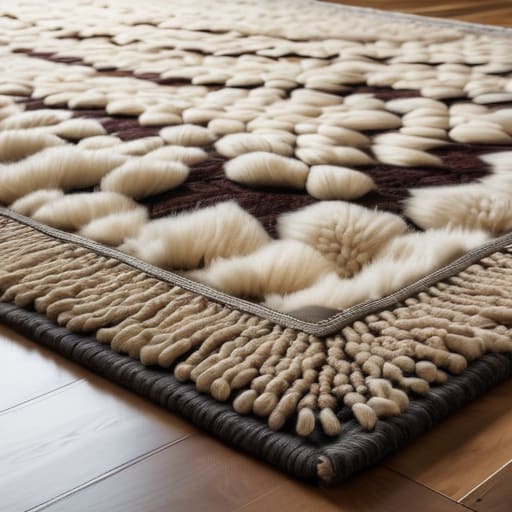
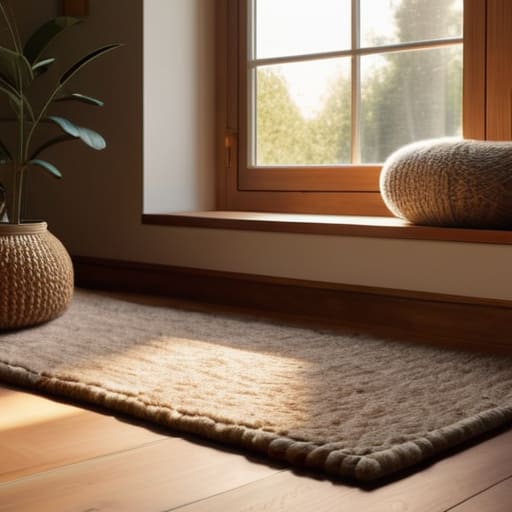
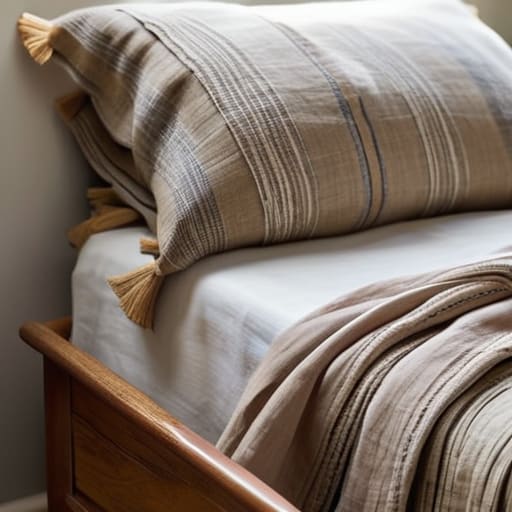
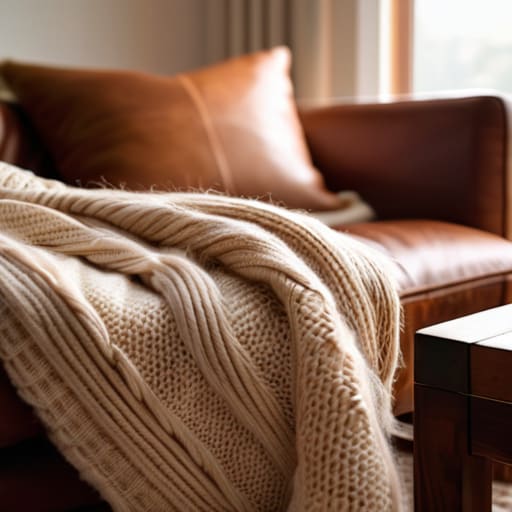
    • Layer your textiles. Since I can’t paint the walls or swap out the carpet, I rely heavily on rugs and throw blankets. A well-worn linen throw or a textured jute rug can mask an ugly floor and instantly add the warmth that a sterile rental is usually missing.
    • Use your surfaces to tell a story. I always say that a kitchen or a coffee table shouldn’t just be functional; it should be a curated collection of things you’ve gathered. A ceramic bowl from a market in Oaxaca or a stack of vintage cookbooks can make a generic countertop feel deeply personal.
    • Bring the outside in. It sounds simple, but greenery is a lifesaver when you’re stuck with neutral, uninspiring walls. Potted herbs on a windowsill or a trailing pothos on a shelf add life, movement, and a sense of growth to a space that might otherwise feel stagnant.
    • Rethink your hardware. One of my favorite little tricks is swapping out the generic, boring knobs on kitchen cabinets or dresser drawers. It’s a tiny detail, but replacing a plastic handle with something brass or ceramic makes a massive difference in how much a piece of furniture feels like it belongs to you.

    Small Shifts, Big Impact

    Focus on layers rather than permanent changes; think of your decor like seasonal ingredients that can be swapped out without rebuilding the entire kitchen.

    Prioritize items that respect the architecture of your space, ensuring your personal style leaves a memory behind but no physical scars on the walls.

    Use texture and scent to ground a temporary room, turning a sterile rental into a place that actually feels lived-in and soulful.

    ## The Soul of a Temporary Space

    “Decorating a rental isn’t about making a permanent mark on a building; it’s about layering enough warmth and personality into a room so that, for a little while, it stops feeling like a transit lounge and starts feeling like a home.”

    Anouk Verhoeven

    Finding Your Rhythm in a Temporary Space

    Finding Your Rhythm in a Temporary Space.

    At the end of the day, making a rental feel like yours isn’t about a complete overhaul or following every passing interior design trend. It’s about the small, intentional choices—the way a piece of peel-and-stick wallpaper adds a layer of warmth to a sterile room, or how a few carefully placed, damage-free frames turn a blank wall into a personal gallery. Whether you are layering textures through textiles or using light to change the mood of a corner, these subtle shifts are what bridge the gap between a mere house and a true sanctuary. It is about finding that delicate balance between functionality and soul, ensuring your space serves you without compromising your security deposit.

    I’ve learned through years of moving between cities that home isn’t a fixed point on a map; it’s a feeling we carry with us and recreate wherever we land. Don’t let the temporary nature of a lease stop you from cultivating a sense of belonging. Your environment should reflect the person you are becoming in this specific chapter of your life. So, grab those command hooks, find that perfect vintage rug, and start building a space that feels as honest and lived-in as the most beloved corner of a local bistro. Make it yours, even if it’s just for a season.

    Frequently Asked Questions

    How do I make sure peel-and-stick wallpaper won't actually ruin the paint when it's time to move out?

    I used to worry about this constantly, especially when moving between apartments every few months. The trick is all in the prep. First, make sure your walls are clean and free of dust—any grit can cause the adhesive to grab too aggressively. Most importantly, when it’s time to go, don’t just rip it off. Use a hairdryer to gently warm the paper; it softens the glue and lets it peel away like a quiet memory rather than a disaster.

    Are there any specific types of command hooks or hanging systems that work best for heavier items like framed art or mirrors?

    I used to worry about hanging anything substantial in my temporary studios, but I’ve learned to trust the heavier-duty Command strips. For framed art, look for the “Large Picture Hanging Strips”—they work like heavy-duty Velcro and feel much more secure than a single hook. If you’re eyeing a mirror, just make sure the weight rating on the package actually matches your piece. It’s a bit of a balancing act, but it beats drilling holes.

    How can I bring in more warmth and personality through textiles without being able to swap out the permanent fixtures or flooring?

    Think of textiles as the layers of a well-loved kitchen—they soften the edges. Since you can’t swap the flooring, bring the warmth to your feet with a thick, woven jute rug or a vintage Moroccan runner. Layering a soft wool rug over cold linoleum changes the entire energy of a room. Throw a heavy linen blanket over a generic sofa or swap out stiff pillowcases for something textured like velvet or bouclé. It’s about tactile comfort.

  • Creating a Sense of Hygge in Your Living Space

    Creating a Sense of Hygge in Your Living Space

    I was sitting in a tiny, dimly lit apartment in Copenhagen last November, watching the rain smear against the glass, when I realized I was surrounded by what the magazines call “perfect” hygge decor. There were expensive sculptural candles, overpriced linen throws, and those pristine, minimalist ceramics that looked like they’d shatter if you actually dared to use them for a morning coffee. It felt hollow. To me, the idea that you need a specific shopping list to achieve comfort is a total myth. True coziness isn’t something you buy in a curated boutique; it’s the feeling of a space that actually breathes with you.

    I’m not here to sell you a lifestyle or a catalog of high-end minimalist furniture. Instead, I want to share how you can cultivate a sense of warmth using what you already have, or what you can find in a local flea market. We’re going to strip away the commercial fluff and focus on the sensory layers—the soft light, the lived-in textures, and the small, intentional details—that turn a house into a sanctuary. This is about finding real comfort in the everyday.

    Table of Contents

    Softening the Edges With Textural Elements in Home Decor

    Softening the Edges With Textural Elements in Home Decor

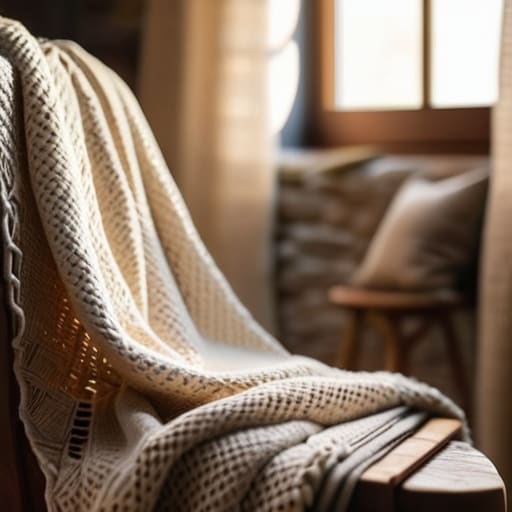
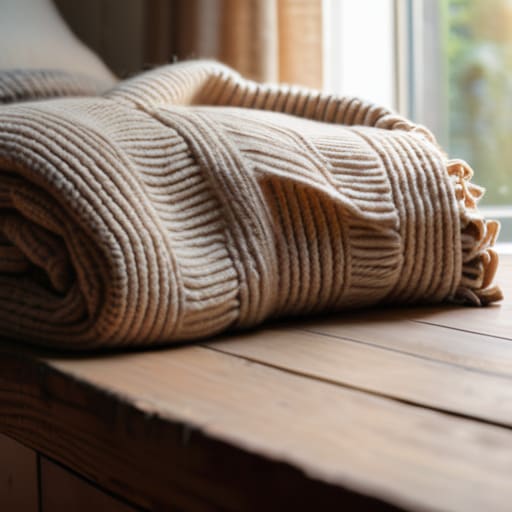
    When I was working in those quiet museum archives, I learned how much a single material can change the “temperature” of a room. In a home, you can achieve that same shift by focusing on textural elements in home decor. It isn’t about cluttering your space; it’s about the tactile contrast between a smooth ceramic bowl and a heavy, hand-woven wool throw. If your room feels a bit too sterile or sharp, it’s usually because there isn’t enough variety for your senses to hold onto.

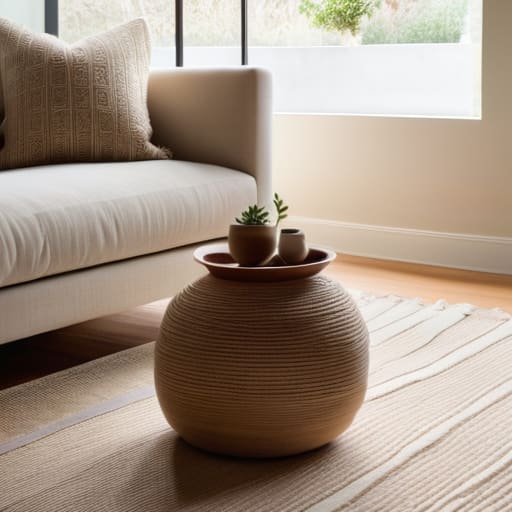
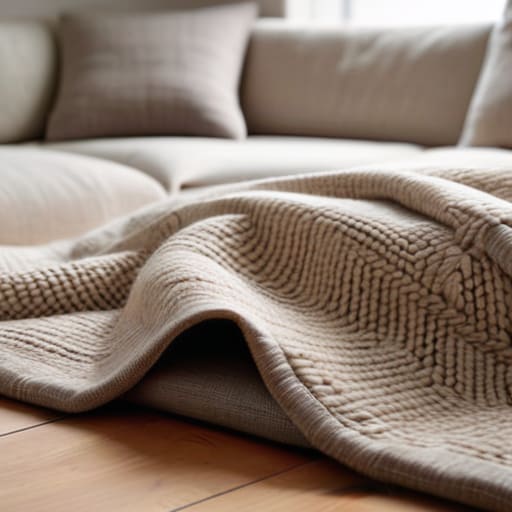
    I tend to lean toward a minimalist interior design approach, but I make sure it never feels cold. Instead of adding more “stuff,” I look for depth through layers. Think of a linen cushion resting against a chunky knit blanket, or a jute rug grounding a wooden chair. These layers are essential for creating a sanctuary at home, turning a mere living space into something that feels lived-in and protective. It’s those small, physical details that invite you to actually sit down, stay a while, and breathe.

    Embracing Neutral Color Palettes for a Quieter Mind

    Embracing Neutral Color Palettes for a Quieter Mind

    When I’m traveling, I often find myself seeking out spaces that feel like a deep exhale. There is a specific kind of mental clutter that comes from living in high-contrast, high-energy environments, and I’ve realized that my home needs to be the antidote to that. This is where neutral color palettes become so much more than just an aesthetic choice; they are a tool for mental clarity. I tend to gravitate toward tones that mimic the natural world—the soft grey of a coastal morning, the warm sand of a quiet beach, or the muted cream of unbleached linen.

    By stripping away the visual noise of bright, jarring colors, you allow your mind to actually settle. It isn’t about making a room look “empty” or sterile, which is a common misconception in minimalist interior design. Instead, it’s about creating a soft backdrop that lets the small, meaningful things stand out—the way the light hits a ceramic bowl or the steam rising from a cup of tea. When we lean into these subdued tones, we are essentially creating a sanctuary at home where the soul can finally catch up with the body.

    Small Ways to Bring the Soul into Your Space

    • Prioritize light that breathes. I’ve learned that harsh overhead lighting is the quickest way to kill a mood; instead, scatter small lamps and real beeswax candles around a room to create pockets of warmth that mimic a sunset.
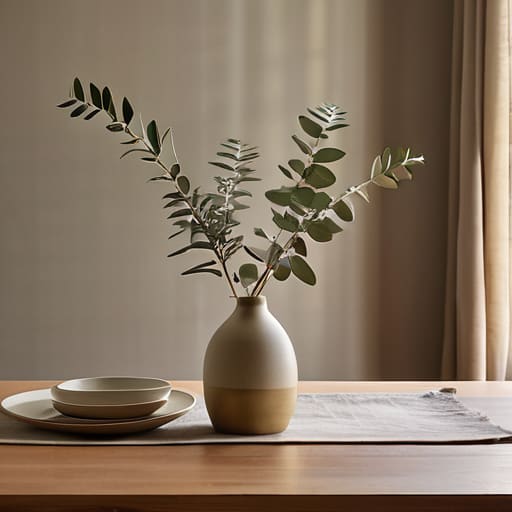
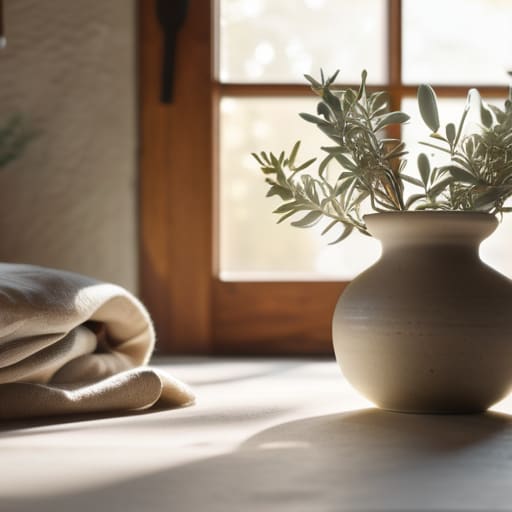
    • Bring the outside in, but keep it intentional. Rather than a massive, polished floral arrangement, try a single, slightly imperfect branch in a stoneware vase—it feels more like a quiet conversation with nature.
    • Curate your clutter. Hygge isn’t about minimalism to the point of sterility, but about surrounding yourself with things that hold stories, like a stack of well-loved books or a ceramic bowl you found at a seaside market.
    • Focus on the tactile. When I’m setting up a temporary workspace in a new city, I always look for one heavy, woven throw or a linen cushion; having something soft to ground you makes even a strange room feel like home.
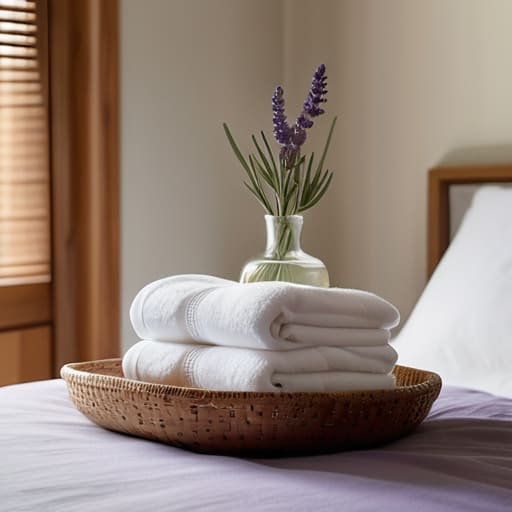
    • Let scent do the heavy lifting. Since I always carry my notebook to track market smells, I’ve become obsessed with how a space feels through its aroma—think cedarwood, dried lavender, or the faint, comforting scent of brewing tea.

    Bringing the Soul Back to Your Space

    Focus on how things feel, not just how they look; a well-loved, textured throw is worth more than a pristine, sterile showroom piece.

    Use color to create a sense of calm rather than a statement, leaning into tones that allow your mind to actually rest.

    Remember that true comfort comes from the small, lived-in details that make a room feel like it belongs to a person, not a catalog.

    The Heart of the Home

    To me, hygge decor isn’t about following a design trend or filling a room with expensive knick-knacks; it’s about creating a space that breathes with you, where the textures feel familiar and every object tells a story of comfort and quiet belonging.

    Anouk Verhoeven

    Creating Your Own Sense of Sanctuary

    Creating Your Own Sense of Sanctuary.

    At the end of the day, decorating for hygge isn’t about following a strict set of rules or buying a specific collection of Scandinavian furniture. It’s about the intentional way we layer our surroundings to support our well-being. We’ve talked about how soft, tactile textures can ground us and how a muted, neutral palette can quiet the mental noise of a busy day. When we combine these elements—the warmth of a woven throw, the calm of an earthy tone, and the gentle glow of a well-placed candle—we aren’t just decorating a room; we are cultivating an atmosphere that allows us to breathe a little deeper. It is about building a space that feels like a gentle exhale the moment you walk through the door.

    As I move from city to city, I’ve realized that the most beautiful homes aren’t the ones that look like they belong in a magazine, but the ones that feel lived-in and deeply personal. Don’t be afraid to let your space be imperfect. Leave that stack of well-loved books on the coffee table and keep your favorite ceramic mug within reach. Hygge is found in those quiet, unscripted moments—the steam rising from a cup of tea or the way the afternoon light hits a wooden floor. Focus less on the aesthetic and more on the feeling of belonging within your own four walls. That is where the true soul of a home resides.

    Frequently Asked Questions

    How do I make my space feel hygge without it feeling cluttered or overly "decorated"?

    I think the secret lies in choosing intention over abundance. For me, hygge isn’t about filling a shelf with trinkets; it’s about the few things that actually ground you. Instead of decor, think about sensory layers: a single, heavy linen throw or the way light hits a ceramic bowl. If an object doesn’t serve a purpose or spark a quiet moment of calm, let it go. Space, much like a good meal, needs room to breathe.

    Can I still achieve a cozy, hygge atmosphere if my home is small or lacks natural light?

    I used to worry about this when I lived in a tiny studio in Brussels—dark, cramped, and practically windowless. But hygge isn’t about square footage; it’s about how you curate the space you do have. In small, dim rooms, I lean heavily into “pockets of light.” Instead of one harsh overhead, I use several small lamps and candles to create warmth. It’s about making the shadows feel intentional rather than lonely.
    Is it possible to incorporate hygge into a home that already has a lot of bright colors or modern furniture?

    Absolutely. I’ve spent time in apartments that felt almost too sharp—all glass, steel, and neon. You don’t have to strip everything away to find that sense of calm. To me, it’s about balance. If you have bright colors or sleek furniture, try layering in some “softness.” Bring in a chunky knit throw, a few mismatched ceramic mugs, or some amber-toned lighting. It’s about adding those tactile, human layers that make a space feel lived-in rather than just staged.