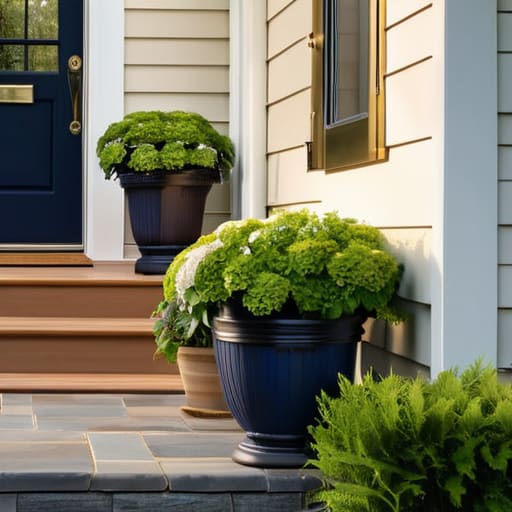
I remember sitting in a tiny, sun-drenched courtyard in Oaxaca last spring, watching an elderly woman carefully sweep the threshold of her home before setting out a single, vibrant clay pot of marigolds. There was no expensive landscaping or architectural overhaul, just a sense of intentionality that made the entire street feel more alive. It made me realize how much we overcomplicate the idea of front door curb appeal by chasing those polished, showroom-perfect looks you see in glossy magazines. We’ve been sold this myth that we need a massive renovation budget to make a home feel welcoming, when in reality, a house’s entrance should feel less like a status symbol and more like a quiet, sincere invitation.
I’m not here to pitch you on high-end contractors or unnecessary structural changes that drain your savings. Instead, I want to share how you can cultivate a sense of warmth and character using what I call the anthropology of the entryway. We’re going to look at the small, tactile details—the weight of a handle, the texture of a welcome mat, or the way a bit of greenery can soften a hard edge—to build a threshold that actually feels like home.
Table of Contents
Modern Front Door Colors That Whisper a Warm Welcome
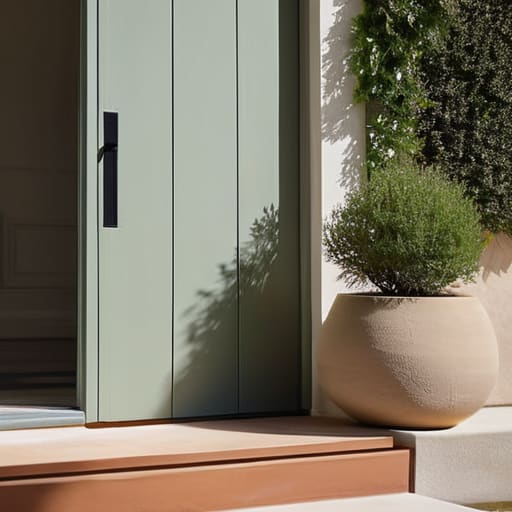
When I’m wandering through a new neighborhood, I find myself instinctively looking at the doors. It’s like reading the cover of a book; the color tells you so much about the rhythm of the life inside. Lately, I’ve been drawn to modern front door colors that feel grounded rather than loud. Instead of a jarring, bright red, think of muted, earthy tones—a deep sage green that mimics a forest canopy or a dusty terracotta that feels like a sun-baked courtyard in Andalusia. These shades don’t scream for attention; they simply offer a sense of arrival.
If you’re leaning toward something a bit more contemporary, a charcoal gray or a soft, matte navy can act as a sophisticated anchor for your house exterior color schemes. These darker tones provide a beautiful, neutral backdrop that allows your greenery to pop. I’ve noticed that when a door has a quiet, intentional color, it makes the little details—like a well-placed brass handle or a simple, textured welcome mat—feel much more significant. It’s about creating a visual exhale before someone even steps across your threshold.
Door Hardware Upgrades the Small Details That Matter
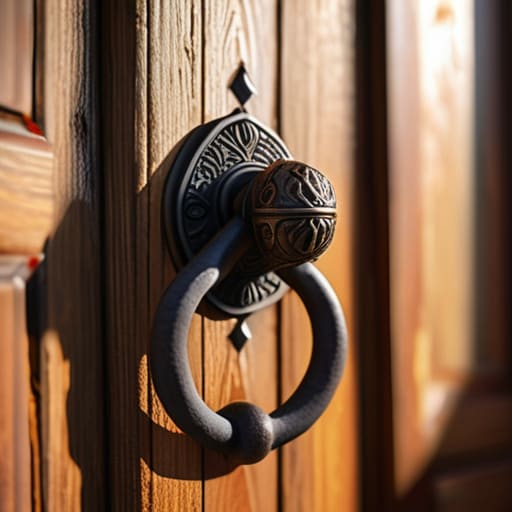
There is a specific kind of tactile joy in a well-weighted door handle. It’s something I’ve noticed while wandering through old European villages; the heavy, cool brass of a centuries-old latch tells you immediately that the house is solid, intentional, and cared for. When we talk about door hardware upgrades, it’s easy to get caught up in the aesthetics, but I think we should focus on the sensory experience. Swapping out a generic, hollow-feeling handle for something with substance—perhaps a matte black lever or a hand-forged iron knocker—changes the way you interact with your own home every single day.
It’s these tiny, functional details that bridge the gap between a house and a sanctuary. You don’t need a complete renovation to shift the energy of your entrance. Often, a simple change in metal finish can pull together your entire house exterior color scheme, creating a sense of cohesion that feels effortless rather than staged. I always tell people to look for pieces that feel like they have a story to tell, rather than something pulled straight from a big-box catalog. It’s about finding that perfect balance between function and soul.
The Small Gestures: Five Ways to Make Your Entrance Feel Alive
- Don’t underestimate the power of a well-loved welcome mat. I’ve noticed in so many small towns that a clean, textured mat—maybe something in natural jute—acts like a soft exhale before someone even reaches for the handle.
- Bring in something that breathes. A heavy ceramic pot with a bit of rosemary or lavender does more than just look pretty; it adds a layer of scent and life that makes the threshold feel less like a barrier and more like a garden edge.
- Light the way, even if it’s just a little. A simple, warm lantern or a classic sconce creates a sense of safety and intention. It tells anyone approaching that the space inside is cared for and ready for company.
- Clear the clutter from the steps. I often think of a doorway like a well-set table; it needs space to breathe. Moving the stray gardening boots or the pile of mail away from the entrance allows the architecture of the door to actually speak.
- Add a touch of personality through greenery. Whether it’s a trailing vine or a structured boxwood, adding a bit of organic movement softens the hard lines of the door and makes the whole entryway feel settled and grounded.
Small Changes, Big Soul
Think of your front door as the opening chapter of your home’s story; even small shifts in color or texture can change how people feel before they even step inside.
Don’t overlook the tactile details, like the weight of a handle or the texture of a mat, because these are the sensory cues that make a house feel lived-in and welcoming.
Curb appeal isn’t about chasing expensive trends, but about creating a sense of intentionality that invites neighbors and friends to stay a while.
The Threshold of a Story
Your front door isn’t just an architectural detail; it’s the first sentence of your home’s story, a quiet way of telling the world whether you’re a place of hurried passing or a place where people are invited to slow down and stay.
Anouk Verhoeven
The Heart of the Home’s First Impression
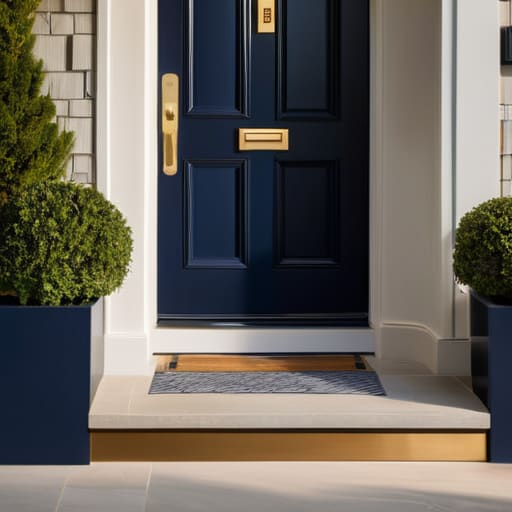
When I look back at the different homes I’ve stayed in—from tiny coastal cottages to bustling city apartments—the most memorable ones always shared a certain intentionality. It isn’t about having the most expensive real estate; it’s about the small, thoughtful layers that signal someone actually lives there. Whether you’ve chosen a deep, moody paint color to add character, or you’ve swapped out tired, tarnished hardware for something with a bit more tactile weight, these changes work together to create a cohesive story. By focusing on color, hardware, and the overall warmth of your entrance, you aren’t just increasing your property value; you are curating a sense of arrival that feels both polished and deeply personal.
Ultimately, your front door is more than just a piece of wood or metal; it is the threshold between the chaos of the world and the sanctuary you’ve built for yourself. I like to think of it as the opening sentence of your home’s biography. It doesn’t need to shout to be noticed, but it should certainly invite a connection. As you move through these updates, try to listen to what your space is telling you. When you finally step back to look at your work, I hope you don’t just see a beautiful entryway, but a warm, honest invitation to anyone lucky enough to knock.
Frequently Asked Questions
How can I make my entryway feel more inviting without spending a fortune on major renovations?
Think of your entryway like a small, neighborhood bistro; it’s the atmosphere you build with the little things that counts. You don’t need a sledgehammer to change the energy. Start with lighting—a warm, soft glow from a new lantern makes a world of difference. Add a weathered wooden bench or a cluster of terracotta pots with seasonal herbs. It’s about layering textures and life, making the threshold feel lived-in rather than just staged.
What kind of plants or greenery work best to frame a front door without looking too manicured?
I’ve always loved the way a wild, overgrown garden feels more like a conversation than a performance. To avoid that stiff, manicured look, skip the perfectly symmetrical boxwoods. Instead, try grouping some rosemary or lavender in weathered terracotta pots; they smell incredible and feel lived-in. A few tall ornamental grasses or even some trailing ivy can soften the edges of your doorway, making it feel less like a showroom and more like a home.
If I have a very small porch, how can I add character to my doorstep without making the space feel cluttered?
When space is tight, I think about it like a tiny bistro table in a crowded Parisian alley—it has to be intentional. Instead of several small items, choose one “hero” piece. A single, well-loved ceramic planter with something seasonal, or a slim, high-quality doormat, creates a focal point without the visual noise. It’s about curation over collection; let one meaningful object tell the story of your home.
