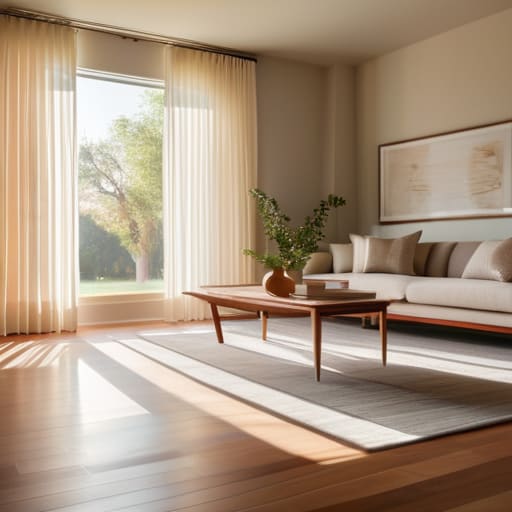
I remember sitting in a sun-drenched kitchen in a tiny coastal village in Portugal, watching the way the light filtered through a simple, frayed linen sheet hung across the window. There was no heavy velvet, no motorized blinds, and certainly no designer catalog involved—just the soft, diffused glow that made the morning coffee feel like a sacred ritual. It struck me then that most of the window treatment ideas we see online are obsessed with perfection and price tags, rather than how a room actually feels when you live in it. We’ve been sold this idea that windows need to be “dressed” like a stage set, when really, they should just be a way to invite the outside in on your own terms.
I’m not here to give you a list of expensive showroom trends that look beautiful in a photo but feel sterile in reality. Instead, I want to share a few grounded, functional approaches to light and privacy that I’ve gathered from living in spaces all over the world. We’re going to look at how to choose textures that catch the light beautifully and how to find the balance between being seen and seeing the world. My goal is to help you find window treatment ideas that feel less like home decor and more like part of your soul.
Table of Contents
Minimalist Window Styling for a Sense of Calm
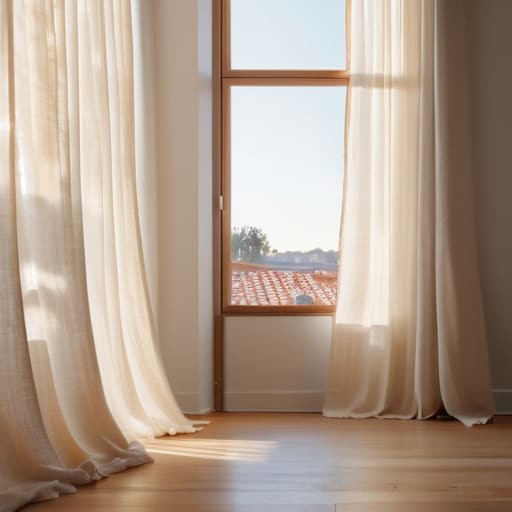
When I was staying in a small, sun-drenched studio in Lisbon last spring, I realized how much the wrong window setup can clutter a tiny space. To achieve true minimalist window styling, I’ve learned that less is almost always more. Instead of heavy, layered drapes that swallow the room, I prefer clean lines that allow the architecture to breathe. I often lean toward linen textures or simple woven materials that feel organic rather than manufactured. It’s about creating a sense of visual stillness, letting the light dictate the mood of the room rather than fighting against it.
If you are looking to balance function with that quiet aesthetic, the debate of roman shades vs roller blinds is a great place to start. Roman shades offer a lovely, tactile softness that feels very grounded and intentional, whereas roller blinds provide a sleek, almost invisible profile that suits a more contemporary look. For those of us who value a good night’s sleep after a long day of exploring, integrating high-quality blackout shades for bedrooms is a non-negotiable. You can keep the exterior looking incredibly simple while still ensuring your sanctuary remains dark and restful.
Modern Window Decor Trends That Feel Like Home
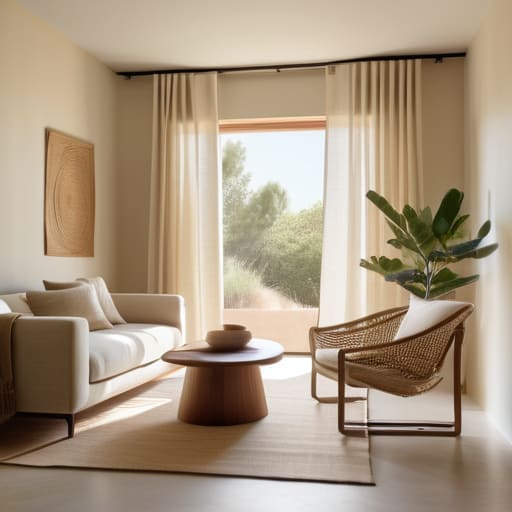
Lately, I’ve noticed a shift away from the heavy, overly structured looks of the past. Instead, the most compelling modern window decor trends I’m seeing feel much more organic—almost as if they are breathing with the room. There is this beautiful movement toward textures that mimic the natural world, like woven grasses or heavy-weave linens. It reminds me of the sun-bleached shutters I saw in a small village outside of Lisbon; they don’t just sit there, they play with the light.
When it comes to functionality, people are moving away from the “one size fits all” approach. I often find myself weighing the pros and cons of roman shades vs roller blinds when helping friends settle into new spaces. Roman shades offer that soft, sculptural fold that feels incredibly soulful, whereas roller blinds provide a sleek, uninterrupted line that suits a more industrial loft. If you are looking to prioritize sleep quality, investing in high-quality blackout shades for bedrooms is a game-changer. It’s about more than just blocking light; it’s about creating a sanctuary where the outside world finally fades away.
The Small Details: How I Layer Light and Texture
- Focus on the weight of the fabric. Just like choosing between a heavy linen apron and a light silk scarf, the way a curtain hangs changes the room’s energy. I love a sheer linen that lets the morning light filter through in soft, hazy patches rather than a heavy blackout curtain that feels like shutting a door on the world.
- Don’t be afraid of the “imperfect” layer. In the small coastal towns I visit, you rarely see perfectly matched sets. Try pairing a structured Roman shade for privacy with a loose, breezy drape on the side. It adds a sense of lived-in history that makes a room feel less like a showroom and more like a home.
- Think about the view, not just the window. Before you commit to a heavy treatment, sit in your favorite chair and see what you’re blocking. If you have a view of a garden or even just a quiet street corner, choose treatments that frame the scene like a photograph rather than hiding it.
- Use hardware as a tactile element. I’ve realized that a simple, matte black rod or a hand-forged brass finial can act like the seasoning in a dish—it’s a small addition, but it defines the whole character. Avoid anything too shiny or plastic; go for materials that feel grounded and real.
- Consider the rhythm of the light. If your room gets harsh, direct sun in the afternoon, look for layered textures that can be adjusted. A combination of a light-filtering roller shade and a soft fabric curtain allows you to control the mood, much like how the light shifts in a crowded market from the bright midday heat to the golden, mellow evening.
Finding Your Rhythm Through Light and Fabric
Think of your windows as more than just glass; they are the filters that dictate the mood of your morning, much like how the right shade of linen can transform a room from a bright workspace into a quiet sanctuary.
Avoid the temptation to over-decorate; instead, choose textures—like heavy hemp or airy cotton—that invite the outside world in without stripping away your sense of privacy.
Look for the balance between function and feeling, choosing treatments that don’t just block the sun, but actually frame the view and ground your space in a way that feels intentional and lived-in.
The Architecture of Light
“I’ve learned that windows aren’t just openings for view; they are the filters through which a room breathes. Choosing a fabric isn’t about decoration—it’s about deciding how much of the outside world you want to let in, whether it’s the harsh glare of a midday sun or the soft, dappled shadows of a quiet afternoon.”
Anouk Verhoeven
The Final Layer
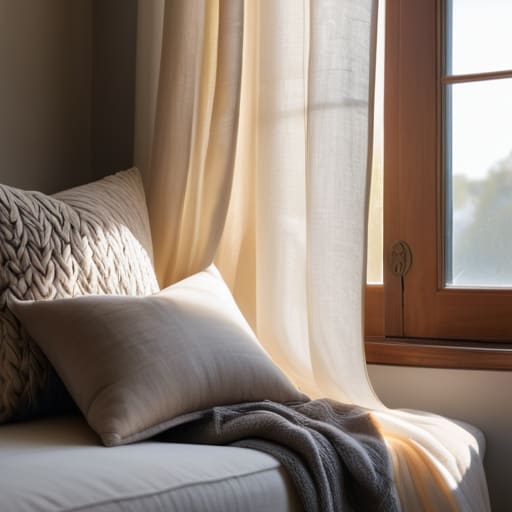
At the end of the day, choosing how to frame your view isn’t just about following a trend or picking out a fabric swatch that matches your rug. It’s about deciding how you want the light to interact with your life. Whether you’ve leaned into the uncluttered serenity of minimalist linens or opted for the more textured, modern layers we discussed, you are essentially setting the stage for your daily rituals. From the way a sheer curtain softens the harsh midday sun to how a heavy drape creates a cocoon for reading on rainy afternoons, your window treatments act as the quiet bridge between your private sanctuary and the world outside.
I’ve learned through years of moving between temporary apartments and sun-drenched villas that a home only truly begins to feel like yours when you start curating the atmosphere. Don’t feel pressured to get it perfect right away; treat your space like a slow-cooked meal, adding layers and textures as you discover what makes you feel most grounded. After all, your windows are more than just openings in a wall—they are the frames through which you witness the changing seasons and the soft, golden light that makes even the most ordinary Tuesday feel like a small, beautiful gift.
Frequently Asked Questions
How do I choose fabrics that feel cozy and lived-in without making my small space feel cluttered?
It’s a delicate balance, isn’t it? I think about this whenever I’m setting up in a new studio apartment. The trick is to lean into texture rather than volume. Instead of heavy, multi-layered drapes that swallow a room, try a single, high-quality linen or a soft, washed cotton. These fabrics have a natural, honest drape that feels lived-in from day one, adding warmth without the visual noise of stiff, formal patterns.
Is it possible to layer different textures, like linen and sheer cotton, without it looking too staged or "designed"?
It’s absolutely possible, and honestly, it’s how you avoid that “showroom” feeling. I’ve always felt that perfection is a bit sterile. When I stay in small villas in Provence, the windows never look staged; they look lived-in. The trick is to lean into the natural imperfections. Pair a heavy, textured linen with a light, breezy sheer cotton. If the fabrics have a bit of weight and a slight wrinkle, they’ll feel organic, not curated.
When I'm working from a small apartment, how can I balance getting enough natural light with the need for privacy from the street?
I’ve spent many months in tiny studios where my desk faced the street, and that tension between light and privacy is real. I usually lean toward sheer linen panels. They act like a soft filter, letting the morning sun spill across my notebook while blurring the movement outside. It creates this lovely, hazy boundary—you get the brightness of the world without feeling like you’re on display for every passerby.
