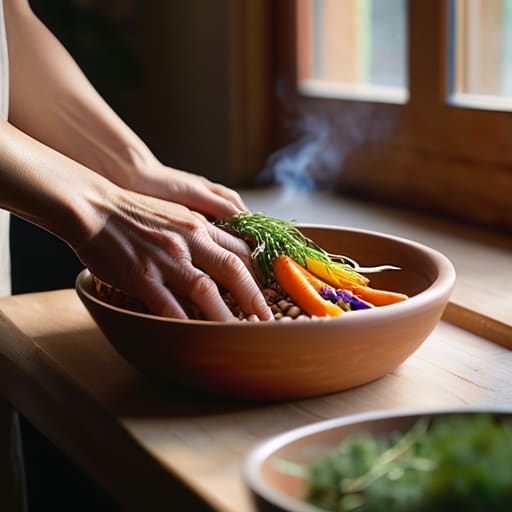
I was sitting on a low plastic stool in a humid corner of a market in Hanoi last Tuesday, my notebook open and my pen hovering, when I realized I had completely ignored my gut. I had spent twenty minutes scrolling through a highly-rated food blog, trying to “optimize” my lunch based on someone else’s curated list of the most Instagrammable bowls. In that moment, the actual scent of charred lemongrass and fermented fish sauce was screaming at me from a stall just three meters away, but I was too busy looking at a screen to listen. This is the great lie of modern wellness: that food intuition is some complex, spiritual practice you need to master through apps or expensive workshops, when really, it’s just about relearning how to pay attention.
I’m not here to give you a list of “mindful eating” exercises that feel like homework. Instead, I want to talk about how we can strip away the noise of digital trends and dietary dogma to find our way back to the table. I’ll be sharing what I’ve learned from years of navigating foreign kitchens and crowded stalls—not through a textbook, but through the quiet, sensory signals our bodies actually send us. We’re going to stop overthinking and start actually tasting the world again.
Table of Contents
Reconnecting With Hunger Amidst the Noise
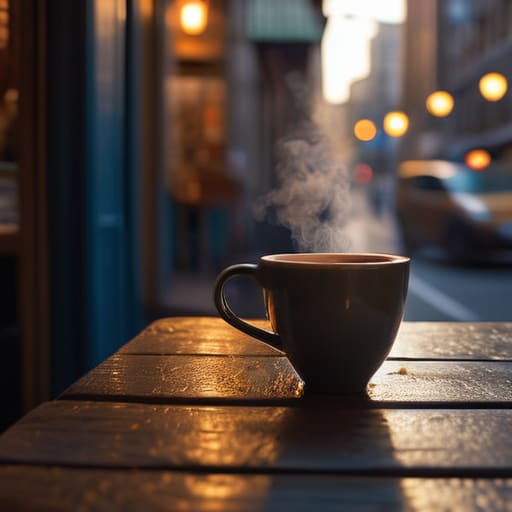
It’s easy to lose yourself in the static of a new city. Between the constant ping of notifications and the relentless pressure to “see it all,” I’ve noticed how quickly my own body’s signals get drowned out. We spend so much time navigating maps and schedules that we forget to navigate our own physical needs. For me, this often manifests as a frantic search for the next caffeine hit or a sugary snack just to keep the momentum going, rather than actually responding to what my body is asking for.
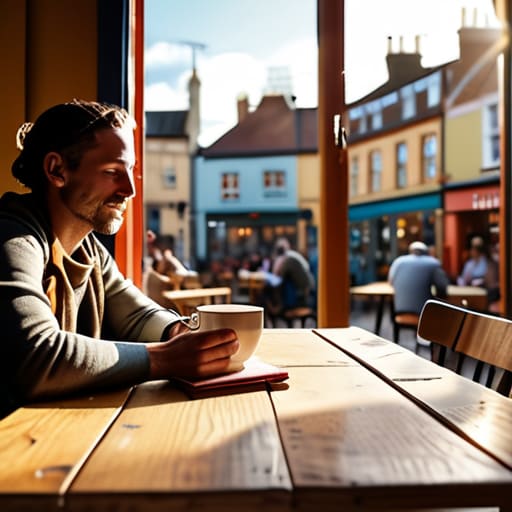
Learning the difference between biological hunger vs cravings was a turning point in how I travel. It’s the difference between needing fuel to walk another five miles through a humid market and simply wanting a dopamine spike because I’m feeling overwhelmed by the crowd. Part of my process involves sitting quietly in a corner of a café, just listening to the silence before the first bite. It’s about stripping away the external noise to find that internal rhythm again, ensuring I’m eating because I’m nourished, not just because I’m distracted.
Distinguishing Biological Hunger vs Cravings
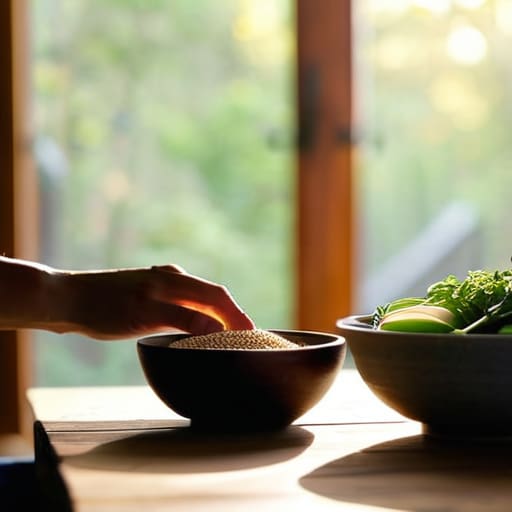
It took me a few years of living out of a backpack to realize that my stomach wasn’t always the one making the decisions; sometimes, it was just my brain reacting to the stress of a missed train or a lonely evening in a new city. There is a profound difference between biological hunger vs cravings, and learning to tell them apart is where the real magic happens. True hunger usually arrives like a slow tide—a gradual emptiness in the stomach or a slight dip in energy. It’s a physical signal that your body is asking for fuel.
Cravings, on the other hand, tend to hit like a sudden thunderstorm. They are sharp, urgent, and almost always centered on a specific texture or flavor—like that desperate, mid-afternoon need for something salty or sweet. Often, these are just emotional eating triggers disguised as appetite. When I find myself pacing a market stall looking for something specific rather than something nourishing, I try to pause. I ask myself: am I actually hungry, or am I just looking for a hit of dopamine to soothe a restless mind?
Finding Your Rhythm: Five Ways to Reclaim Your Appetite
- Stop eating by the clock. I used to think lunch had to happen at noon, but if I’ve spent the morning wandering a flea market, my body doesn’t care what the watch says. Wait for the actual sensation in your stomach, not the notification on your phone.
- Carry a sensory notebook. When you feel a sudden urge for something specific, write down what it actually is. Is it a craving for salt, or are you just exhausted from a long train ride? Mapping these feelings helps you see the pattern between your mood and your hunger.
- The ‘One-Bite’ Check-in. Before you dive into a massive plate of something new, take one slow, mindful bite. Notice if the flavor actually meets your expectation or if you’re just eating because the plate looks beautiful. It’s a quick way to see if your brain or your belly is actually leading the way.
- Ditch the digital distractions. It is impossible to hear what your body is telling you when you’re scrolling through a feed mid-meal. Put the phone away and just sit with your food. You can’t listen to your internal compass if you’re constantly looking at someone else’s life.
- Learn the language of fullness. Fullness isn’t a sudden wall; it’s a gradual shift. Try to catch that moment where the food stops being “exciting” and starts being just “fine.” That’s usually your cue that you’ve had enough, even if there’s still a morsel left on the plate.
Finding Your Way Back to the Table
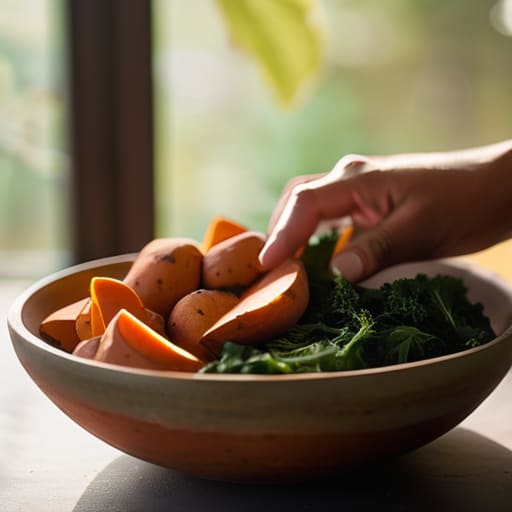
Stop looking at the menu first and start looking inward; wait for that quiet, physical signal from your body before you let the noise of a busy street or a colorful display dictate your next move.
Learn to differentiate between a genuine need for nourishment and a fleeting emotional pull, treating your hunger like a compass rather than an impulse to be satisfied.
Trust the sensory cues—the specific scent of roasting coffee or the way your stomach settles—as your most reliable guides to what your body actually needs in the moment.
The Language of the Body
“Intuition isn’t a loud, demanding voice; it’s more like the quiet hum of a local market at dawn—a subtle, steady signal that tells you exactly what your soul is craving long before your mind tries to rationalize it.”
Anouk Verhoeven
Finding Your Way Back to the Table
At the end of the day, reclaiming your food intuition isn’t about following a rigid set of rules or mastering a new diet; it’s about unlearning the noise. It’s about learning to distinguish that deep, hollow ache of true physical hunger from the fleeting, emotional pull of a craving triggered by stress or boredom. By slowing down and paying attention to the subtle signals your body sends, you stop treating eating as a chore or a math equation and start treating it as a meaningful conversation between your senses and your soul. It takes practice, and you will likely stumble, but that is part of the process.
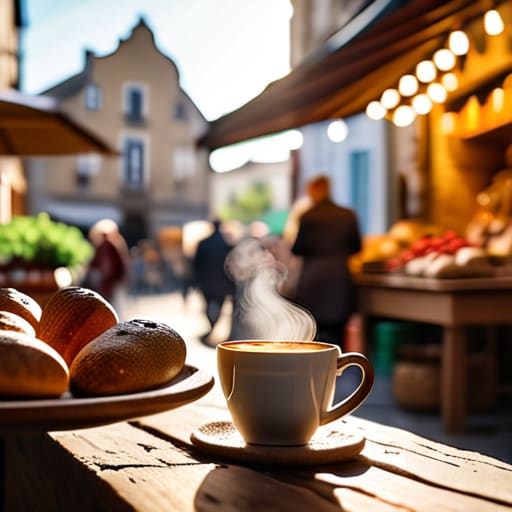
As I sit here in this small cafe, watching the steam rise from my cup and listening to the rhythmic clatter of plates, I’m reminded that food is our most primal connection to the world around us. Don’t let the complexities of modern life dull your appetite for the real thing. Whether you are navigating a bustling night market in Bangkok or just sitting in your own quiet kitchen, trust that your body knows the way. Listen to the quietest whispers of your hunger, and I promise you’ll find that the most delicious meals are the ones where you are truly, deeply present.
Frequently Asked Questions
How do I tell if I'm actually hungry or if I'm just reacting to the sensory overload of a new city?
It’s easy to mistake sensory stimulation for a physical need. When you’re walking through a market in Marrakech or a bustling street in Seoul, your brain is firing on all cylinders; the vibrant colors and heady scents can mimic the rush of hunger. I’ve learned to pause. If I’m unsure, I step away from the crowd, find a quiet corner, and drink some water. If the “hunger” vanishes, it was just the city talking to me.
Is it possible to rebuild my intuition if I've spent years following strict dietary rules or meal plans?
It’s absolutely possible, but you have to treat it like learning a new language. If you’ve spent years following rigid rules, your internal compass isn’t broken; it’s just been silenced. You can’t force it back overnight. Start small—maybe by just noticing how a warm bowl of broth feels in your stomach versus how a heavy pastry makes you feel an hour later. It’s about slow, patient observation, not another strict plan.
How can I stay connected to my body's signals when I'm traveling and surrounded by constant food temptations?
It’s easy to let the sheer abundance of a new city drown out your own rhythm. When I’m in a place like Marrakech or Naples, the temptation to eat everything is constant. My trick? I lean into the ritual of the morning. Before the markets get loud, I sit quietly with my coffee and just check in. I ask myself, “Am I actually hungry, or am I just excited?” Honoring that distinction keeps the travel from feeling like a blur of calories and turns it back into an experience of flavor.