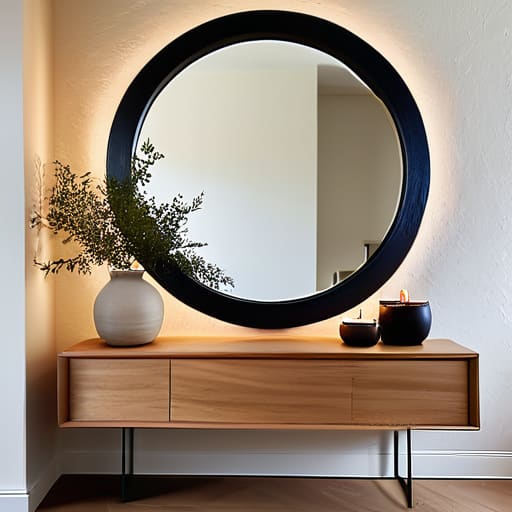
I remember staying in a tiny, sun-drenched apartment in Lisbon last autumn, where the only way to make the cramped hallway feel breathable was through the clever use of light. I spent an hour just watching how the morning sun hit the wall, realizing that most interior design advice treats entryway mirror placement like a math equation rather than a feeling. We’re constantly told we need massive, expensive statement pieces to “anchor” a room, but honestly? That’s just expensive noise. A mirror shouldn’t feel like a formal monument; it should feel like a quiet invitation to check your reflection before heading out to meet a friend.
I’m not here to give you a lecture on high-end staging or tell you that you need a designer to fix your foyer. Instead, I want to share what I’ve learned from living in small, lived-in spaces across the globe: how to position a mirror so it actually works for your daily rhythm. We’ll look at how to catch the best light and how to avoid that awkward, clinical feeling that so many “perfect” homes have. My goal is to help you find a setup that feels grounded and intentional, making your home feel welcoming from the very first step.
Table of Contents
Finding the Optimal Mirror Height for Entryway Moments
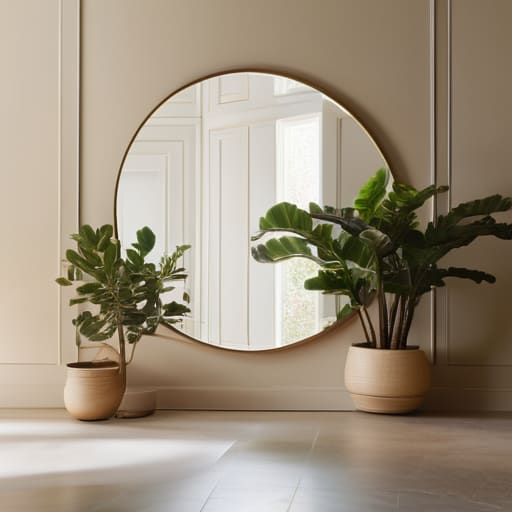
When I was working in museums, I learned that how an object meets the eye changes its entire story. The same applies to your home. Finding the optimal mirror height for entryway moments isn’t just about seeing your reflection before you head out; it’s about how the piece interacts with the room’s energy. I usually aim for the center of the mirror to sit roughly 57 to 60 inches from the floor—the average eye level. This ensures that when you catch a glimpse of yourself, it feels like a natural, unforced encounter rather than a forced adjustment.
If you are working with small entryway design ideas, height becomes your best friend for creating depth. If you have a low console table, hanging the mirror slightly higher can prevent the space from feeling cluttered or “bottom-heavy.” I like to think of it as creating breathing room for your decor. By positioning the mirror so it captures the movement of the room rather than just the floor, you achieve a subtle visual expansion of small spaces, making even the tightest corridor feel like it has a bit of soul and air.
Maximizing Natural Light With Mirrors to Welcome the Day
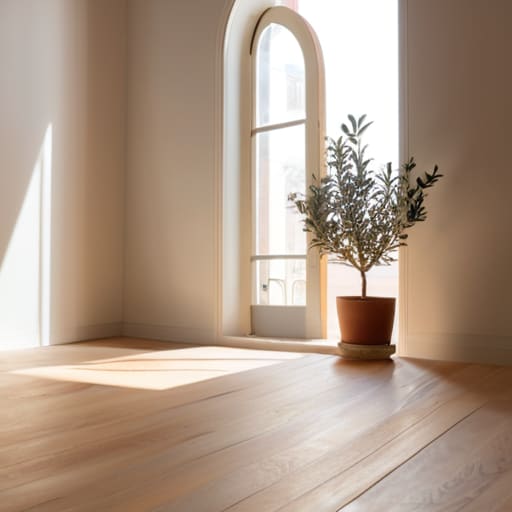
When I first moved into my studio in Lisbon, the morning sun felt like a rare gift that I could only catch for twenty minutes a day. I realized quickly that if I wanted to feel less like I was living in a cave, I had to be intentional about maximizing natural light with mirrors. Instead of just hanging a mirror to check my reflection, I started looking at it as a tool to catch the sun. If you position your mirror directly opposite a window, it acts like a second source of light, bouncing those soft, morning rays deep into the room. It’s a simple trick, but it changes the entire energy of a home from dim and heavy to something that feels breathable and bright.
This is especially vital when you’re working with small entryway design ideas where every inch of light counts. In a tight space, a well-placed mirror doesn’t just brighten the corners; it creates a sense of visual expansion of small spaces that can make a cramped hallway feel like a wide-open corridor. I like to think of it as opening a window that isn’t actually there, inviting the outside world in to sit with you for a while.
Small Adjustments for a More Grounded Welcome
- Think about the eye level of the people who actually live in your home. I’ve found that hanging a mirror too high can make a space feel clinical, like a gallery, rather than a home. Aim for a height that invites a quick, casual check of your reflection as you grab your keys, keeping the energy relaxed and functional.
- Consider the “view” within the reflection. Instead of just placing a mirror to see yourself, position it so it captures a glimpse of something soulful—perhaps a patch of sunlight hitting a plant or the texture of a brick wall. It turns a simple tool into a small, framed window of your daily life.
- Don’t feel pressured to center everything perfectly. Sometimes, an asymmetrical placement—perhaps slightly off-center above a small wooden bench or a stack of books—feels much more honest and less like a staged showroom. It allows the entryway to breathe and feel lived-in.
- Watch how the mirror interacts with your entryway’s “clutter.” A well-placed mirror can catch the light on a ceramic bowl of keys or a stray scarf, turning those everyday objects into part of a visual story rather than just mess. It’s about finding beauty in the utility of the space.
- Test the placement at different times of the day. A mirror that looks lovely at noon might catch a harsh, distracting glare from a streetlamp at night. I always like to sit in my entryway for a few minutes in the evening to make sure the placement feels calm and steady, not jarring.
Small Reflections, Big Shifts
Treat your mirror as a tool for light, not just a tool for vanity; placing it to catch a sliver of morning sun can change the entire energy of your morning routine.
Aim for eye-level placement that feels natural rather than formal, ensuring the mirror serves your daily ritual of a quick check before heading out the door.
Think about the view the mirror provides; it should frame a piece of art or a bit of greenery, bringing a sense of the outside world into your smallest transitional space.
The Soul of the Threshold
“An entryway mirror shouldn’t just be a tool for checking your hair; it should be positioned like a window in a small seaside cafe, catching the light and the spirit of the home to remind you exactly where you belong the moment you step inside.”
Anouk Verhoeven
The Lasting Impression of a Threshold
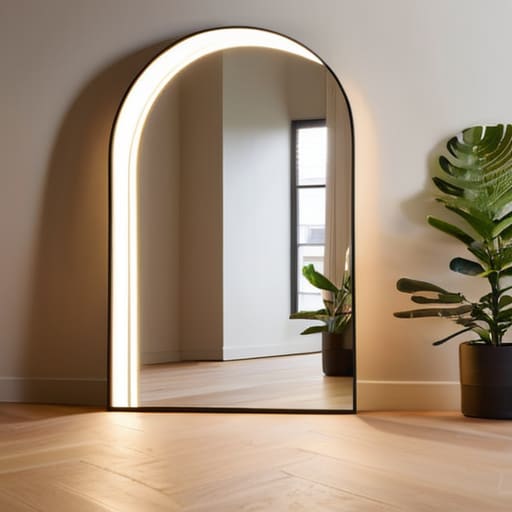
Ultimately, placing a mirror in your entryway isn’t just about a quick check to see if your hair is behaving before you head out the door. It’s about the intentionality of how you greet the world and how you welcome yourself back home. By finding that sweet spot for height—where you can see yourself clearly without feeling exposed—and positioning it to catch the soft, wandering light of the afternoon, you turn a functional necessity into a moment of pause. Whether you are maximizing the brightness of a narrow hallway or creating a sense of depth in a cramped apartment, these small adjustments ensure your home feels expansive and intentional from the very first step.
I’ve learned through years of moving between temporary homes that the objects we place at our thresholds set the tone for our entire day. A well-placed mirror acts like a quiet, silver window, reflecting not just light, but the energy of the life happening within your walls. Don’t get too caught up in the “perfect” professional staging you see in magazines; instead, lean into what feels honest and lived-in for your specific space. Your entryway is the preamble to your story, and a thoughtful mirror is a way to make sure that story always starts with a sense of warmth and clarity.
Frequently Asked Questions
How do I choose a mirror size that feels intentional rather than just filling up an empty wall?
I used to think a mirror was just a tool for a quick hair check before heading out, but I’ve learned to see it as a window. To avoid that “cluttered” feeling, don’t just aim to fill the void. Instead, look at the scale of your furniture. A mirror should feel like a natural extension of your console or bench—large enough to have presence, but leaving enough “breathable” wall space around it to feel purposeful.
If my entryway is narrow and dark, will a large mirror actually help or just make the space feel cramped?
It’s a valid fear—the last thing you want is to feel like you’re walking into a wall. But in my experience, a large mirror in a narrow hallway acts more like a window than a barrier. It creates an illusion of depth that breaks up the claustrophobia. Just avoid a heavy, ornate frame; go for something slim and minimalist. It’ll pull in whatever light you have, making the shadows feel a little less heavy.
Should I hang my mirror at eye level, or is it better to lean it against the wall for a more relaxed, lived-in look?
It really depends on the mood you want to set. Hanging it at eye level is practical—it’s that quick, functional check before you head out the door. But if you want your home to feel less like a showroom and more like a sanctuary, leaning it against the wall is my favorite trick. It feels more intentional, a bit more casual, and gives the room that effortless, lived-in soul I always look for.
