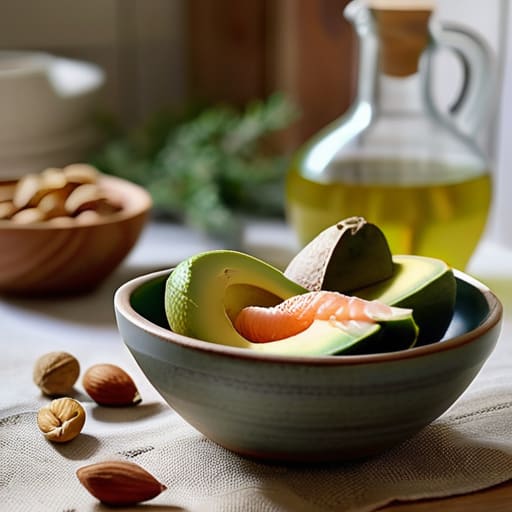
I was sitting in a cramped, humid kitchen in Oaxaca last July, watching an elderly woman press seeds into a stone metate, when I realized how much we’ve overcomplicated the concept of nutrition. For years, the wellness industry has tried to sell us these expensive, lab-grown, “superfood” powders that promise to fix everything, making us feel like we’re failing if we aren’t sipping something neon-colored. But as I watched her work, I saw the truth: the real magic of healthy fats isn’t found in a plastic bottle or a subscription box; it’s found in the unprocessed, rhythmic simplicity of things like crushed avocado, cold-pressed oils, and fatty fish.
I’m not here to give you a list of trendy supplements or tell you to overhaul your entire life overnight. Instead, I want to share what I’ve learned from the markets and kitchens of the world—the kind of knowledge that actually sticks when you’re living a busy, real life. We’re going to strip away the marketing hype and look at how to find genuine sustenance through ingredients that are as honest as they are nourishing.
Table of Contents
Understanding the Difference Between Saturated and Unsaturated Fats
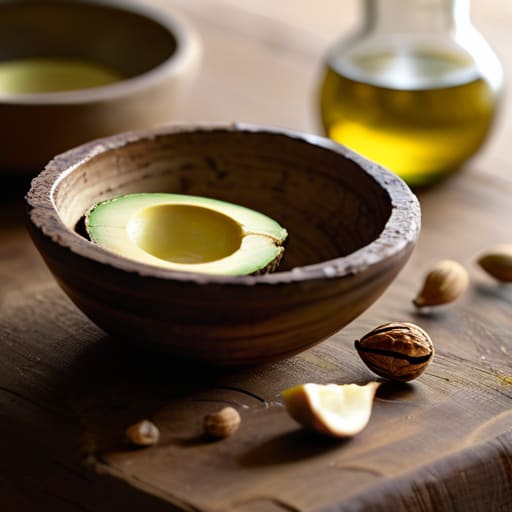
I used to think of fats as a singular, somewhat intimidating category, but my time spent in Mediterranean kitchens changed that. It’s not just about “fat” in a general sense; it’s about the molecular structure that dictates how our bodies actually use them. When I’m digging through a local market, I try to look past the labels and understand the difference between saturated and unsaturated fats. Saturated fats—the ones that stay solid at room temperature, like the rich butter in a French patisserie or the coconut oil in a tropical stall—are stable, but they shouldn’t be the only thing on your plate.
Then you have the unsaturated fats, which are almost always liquid, like the golden, peppery olive oils I find in small groves. These are the ones my anthropology studies and my own intuition tell me are vital. They provide the essential fatty acids for nutrition that our bodies simply cannot manufacture on their own. It’s a delicate dance of finding the right balance, moving away from the heavy, processed stuff and leaning into the oils and seeds that feel alive.
Essential Fatty Acids for Nutrition Found in Local Staples
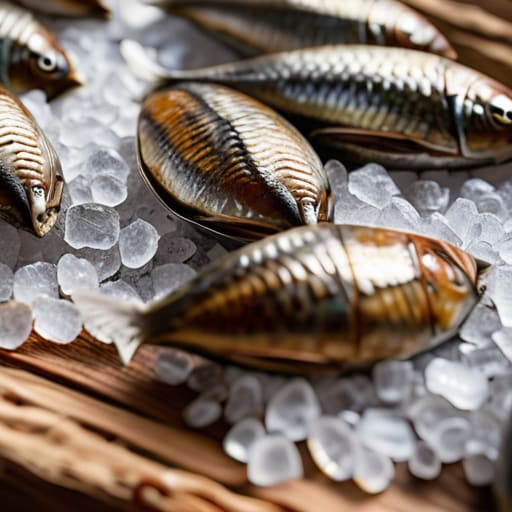
While wandering through a bustling fish market in coastal Portugal last spring, I watched an elderly woman meticulously sort through silver sardines, her hands moving with a practiced, rhythmic grace. It struck me then that these humble, oily fish are more than just a local staple; they are a masterclass in essential fatty acids for nutrition. For those of us trying to navigate the complexities of modern eating, returning to these ancestral sources is vital. The sardines, much like the walnuts I find in small mountain villages, provide that crucial omega 3 vs omega 6 balance that our bodies crave but often struggle to find in processed convenience foods.
I’ve found that the most profound lessons in wellness don’t come from a lab, but from observing how local populations thrive on seasonal, whole ingredients. Whether it’s the rich, creamy texture of an avocado in a tropical market or the nutty depth of cold-pressed seeds, these foods do more than just provide fuel. They have a direct impact of fats on hormone production, helping us feel grounded and steady even when we are living out of a suitcase.
Small Habits for a More Nourishing Kitchen
- Stop fearing the oil in your pan. Instead of reaching for highly processed vegetable oils, I’ve learned to keep a bottle of cold-pressed olive oil or even a jar of local ghee close at hand; the flavor profile changes everything.
- Listen to the seasons, not the supermarket aisles. When I’m in coastal towns, I look for the fatty richness of fresh sardines, but when I’m inland, I lean on the earthy, dense fats found in walnuts and sunflower seeds.
- Keep your fats whole whenever possible. It’s easy to grab a processed snack, but there is a massive difference in how your body feels when you eat a handful of raw almonds or a slice of avocado compared to something coming out of a crinkly plastic bag.
- Don’t overlook the power of fermented fats. I’ve found that small amounts of cultured fats—like a dollop of full-fat yogurt or a bit of aged cheese—do more for my digestion and my mood than any supplement ever could.
- Trust your senses during market runs. If a nut smells slightly off or an oil looks cloudy in a way that suggests it’s gone rancid, trust that instinct and leave it behind; fresh, high-quality fats are the foundation of everything else.
Bringing the Wisdom of the Market Home
Stop viewing fats as something to be feared or avoided; instead, look for the quality and source, much like how I look for the provenance of a single heirloom tomato.
Prioritize the “living” fats—the cold-pressed oils and raw nuts found in local markets—over the highly processed, shelf-stable versions that have lost their soul in a factory.
Use the diversity of your local landscape as a guide, choosing the fats that are naturally abundant in your region to ensure you’re eating in harmony with the seasons.
The Soul of the Ingredient
“I’ve learned that a dish doesn’t just need seasoning; it needs a certain kind of weight. It’s that golden drizzle of oil or the creamy richness of a ripe avocado that anchors a meal, turning a simple bite into something that actually feels like sustenance for the soul.”
Anouk Verhoeven
Beyond the Nutritional Label
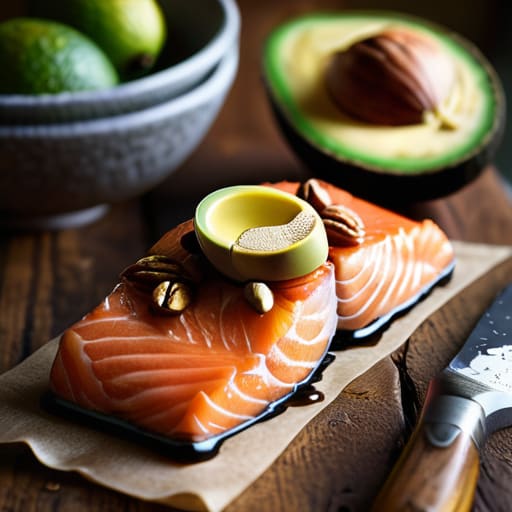
Looking back at everything we’ve covered, it’s clear that understanding fats isn’t just about memorizing the difference between a saturated lipid and an unsaturated one. It’s about recognizing how these essential building blocks—the omega-3s from a fresh piece of fish or the monounsaturated goodness in a handful of local nuts—actually fuel our lives. When we move away from the processed, heavy oils found in supermarket aisles and lean into the natural, unrefined fats found in local markets, we aren’t just eating for calories. We are choosing quality, stability, and a way of nourishing our bodies that aligns with how we were meant to thrive.
At the end of the day, I hope you stop looking at your plate as a math equation of macros and start seeing it as a connection to the earth. The next time you find yourself wandering through a bustling market, don’t just look for the brightest produce; look for the richness that comes from slow, intentional ingredients. Whether it’s the creamy texture of a perfectly ripe avocado or the deep, golden pour of cold-pressed olive oil, these fats are the soul of a meal. Travel, food, and health are all just different ways of seeking out that same fundamental sense of sustenance and connection.
Frequently Asked Questions
How do I know if the oils I'm buying at these local markets are actually high-quality or just highly processed?
I’ve learned to trust my senses more than the labels. When I’m at a market, I look for oils in dark glass—light is the enemy of quality. I avoid anything that looks unnaturally clear or smells “flat.” A high-quality, cold-pressed oil should have a scent that hits you immediately: peppery, grassy, or even slightly nutty. If it smells like nothing, or worse, like old cardboard, it’s likely been over-processed and stripped of its soul.
Can I still get enough healthy fats if I'm traveling through regions where meat is a staple but fresh produce is scarce?
It’s a challenge I’ve faced more than once, especially when moving through colder, more meat-centric regions. When the markets lack vibrant greens, I look toward the pantry staples. I lean heavily on nuts, seeds, and local oils—even if they’re just simple, pressed varieties. If I’m in a place where dairy is king, a bit of aged cheese or fermented yogurt can be a lifesaver. It’s about finding those small, concentrated sources of sustenance.
Is it possible to overdo it on the "good" fats, or is there a limit to how much olive oil and avocado I should be consuming daily?
It’s a question I get often, usually while I’m hovering over a bowl of local olives or drizzling extra oil over a fresh salad. While I lean heavily on these staples, even the “good” stuff has its place. It’s all about balance. I try to treat olive oil and avocado like the seasoning of my life—essential, but not the entire meal. Too much can leave you feeling heavy, missing that vital variety a culture offers.
