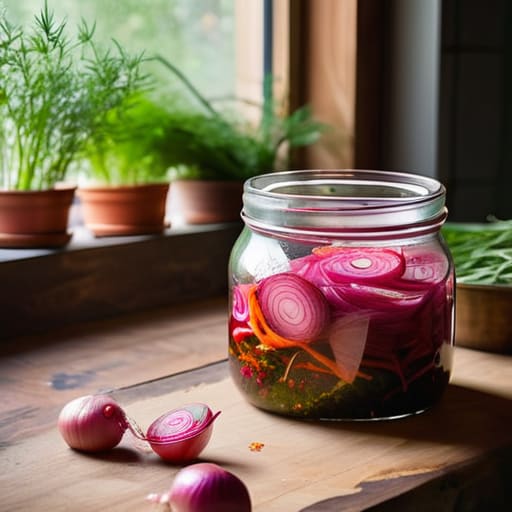
I still remember the sharp, stinging scent of brine that hit me the moment I stepped into a narrow alleyway in Kyoto last autumn. I was hunched over a low table, watching a woman whose hands were mapped with wrinkles, tending to a row of ceramic crocks that had likely been breathing for decades. There was no sterile laboratory equipment or expensive pH meters in sight; there was just the rhythmic, quiet bubbling of life. It made me realize how much we’ve overcomplicated things in the West. We’ve turned fermentation techniques into this intimidating, high-tech science project that requires a degree and a mountain of specialized gear, when in reality, it’s much more about intuition and a deep respect for the microbes already living in your kitchen.
I’m not here to sell you on a lifestyle brand or a $200 fermentation kit. Instead, I want to strip away the pretension and look at the raw, beautiful simplicity of how we preserve food. I’ll be sharing the actual methods I’ve observed in markets and home kitchens across the globe—the kind that rely on salt, time, and a bit of patience. My goal is to help you move past the fear of “doing it wrong” and start finding the true soul of your ingredients through these ancient, living traditions.
Table of Contents
Mastering the Lacto Fermentation Process in Quiet Market Stalls
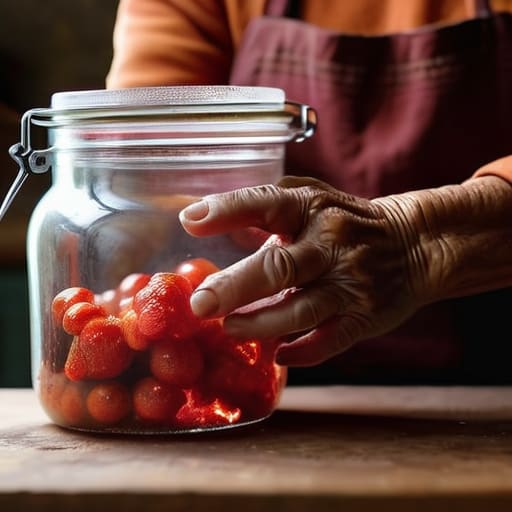
I remember sitting on a low, plastic stool in a narrow alleyway in Oaxaca, the air thick with the scent of toasted chilies and damp earth. An elderly woman, her hands stained a deep, permanent crimson from years of work, showed me how she managed her jars. She wasn’t following a written manual; she was listening to the brine. This is the heart of the lacto-fermentation process—it’s less about precision measurements and more about a rhythmic, intuitive understanding of how salt and time transform a simple vegetable into something alive.
In these crowded stalls, you realize that natural food preservation isn’t just a survival tactic; it’s a way of honoring the harvest. There is no sterile laboratory here, only the beautiful, controlled chaos of microbes doing their work. As she submerged a heap of cabbage into its salty bath, she explained that the real magic happens when you exclude the air. By mastering these anaerobic fermentation methods, these vendors aren’t just keeping food from spoiling; they are cultivating a complex, tangy depth that no modern supermarket could ever replicate.
Natural Food Preservation Through Time Honored Ancestral Wisdom
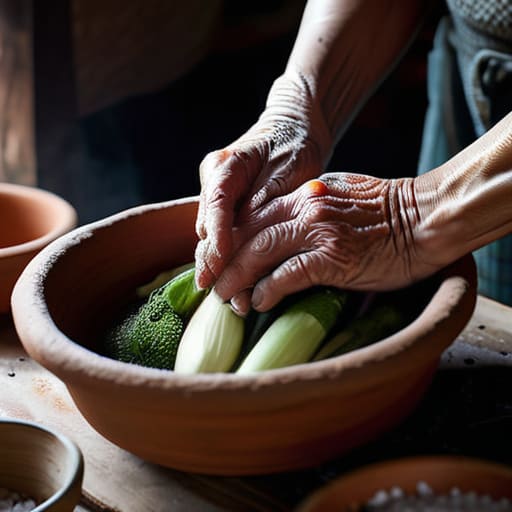
While wandering through the misty highlands of Northern Vietnam, I realized that what we often call “science” in the West is, in many of these villages, simply a way of life. There is no laboratory here, just the rhythmic, seasonal necessity of natural food preservation. I watched a family prepare a batch of salted vegetables, their movements so fluid and practiced that it felt less like cooking and more like a ritual passed down through bone and blood. They aren’t following a manual; they are listening to the environment, understanding how the humidity and the temperature of the earth dictate the pace of the transformation.
It’s a humbling reminder that we aren’t just making food; we are managing a tiny, invisible ecosystem. When you lean into wild yeast cultivation or traditional brining, you aren’t just preventing spoilage—you are inviting life into the jar. There is a profound, quiet intelligence in these ancestral ways, a way of working with nature rather than trying to conquer it. It makes me wonder how much of our modern, sterilized world we’ve lost in our rush to be efficient.
Lessons from the Jar: Five Things I’ve Learned on the Road
- Trust your senses over a timer. In the markets of Oaxaca, I learned that you can’t schedule a ferment; you have to smell it. If it smells bright and acidic, it’s ready. If it smells like something has gone wrong, listen to that instinct.
- Respect the salt. It’s not just a seasoning; it’s the invisible line between a thriving culture of good bacteria and something that’s gone bad. I’ve seen how a tiny difference in sea salt salinity can completely change the character of a brine.
- Keep it out of the spotlight. Fermentation is a quiet, dark affair. Whether I’m in a cramped apartment in Berlin or a sun-drenched kitchen in Vietnam, I’ve found that keeping my jars in a cool, dim corner allows the transformation to happen without unnecessary stress.
- Don’t fear the “funk.” There is a specific, pungent aroma that accompanies a truly deep ferment—the kind that might make a casual traveler recoil but tells me a real story is being told. Embrace that smell; it’s the scent of life.
- Observe the bubbles, not just the brine. Watching the tiny, rhythmic movement of carbon dioxide rising to the surface is my version of meditation. It’s a physical reminder that even when everything seems still, something vital is happening beneath the surface.
Lessons from the Bubbling Jar
Fermentation isn’t just a culinary method; it’s a way of listening to the rhythm of a place, where every jar tells a story of the season and the soil.
The best recipes aren’t found in pristine cookbooks, but in the intuitive, weathered hands of people who treat preservation as a living, breathing part of their daily lives.
To truly understand a culture, you have to look past the finished dish and appreciate the slow, patient transformation that happens in the quiet corners of a kitchen.
The Slow Rhythm of the Jar
Fermentation isn’t just a method of preservation; it’s a lesson in patience. When I watch a jar of kraut transform over weeks, I realize we aren’t just changing the food—we’re participating in a tiny, invisible conversation between the ingredients and the environment, a slow dance of microbes that turns something simple into something deeply, soulfully alive.
Anouk Verhoeven
The Living Rhythm of the Jar
Looking back on these traditions, it’s clear that fermentation is so much more than a method of preservation or a way to keep vegetables from spoiling. Whether it’s the patient, salt-driven magic of lacto-fermentation found in a bustling Seoul market or the deep, ancestral wisdom passed down through generations in a quiet mountain village, these techniques represent a deliberate slowing down. We’ve seen how the simplest ingredients—just salt, water, and time—can transform into something complex and vital. It’s a reminder that the most profound culinary shifts don’t come from high-tech kitchen gadgets, but from working in harmony with microscopic life and the natural rhythms of the seasons.
As I pack my notebook and prepare for my next train, I find myself thinking about the jars sitting on my own windowsill. They are small, bubbling reminders that we don’t always need to control our environment to create something beautiful; sometimes, we just need to get out of the way and let nature do its work. I hope that the next time you find yourself in a kitchen, or perhaps a crowded, fragrant street market, you look past the finished dish. Look instead for the fermentation—the quiet, invisible process that proves culture is a living, breathing thing, constantly evolving one bubble at a time.
Frequently Asked Questions
How do I know if a ferment has actually gone "good" or if it's starting to spoil when I'm experimenting at home?
I’ve definitely had those moments of panic staring at a jar in my tiny kitchen. Usually, a healthy ferment smells bright, tangy, or even slightly yeasty—think of a sharp sourdough or a crisp pickle. If it smells like something died, or if you see fuzzy, colorful mold (not just a thin white film) creeping across the surface, trust your gut and toss it. When in doubt, remember: your nose is your best tool.
Are there specific seasonal ingredients I should look for to start my own small-batch fermentation projects?
Since I move around based on what’s in season, I always look for what’s peaking in the local markets. If you’re just starting, look for whatever is abundant and slightly bruised—it’s perfect for small batches. In spring, try wild ramps or young garlic; in summer, it’s all about those heavy, sun-ripened tomatoes or stone fruits. When the air turns crisp, grab some hearty heirloom carrots or cabbage. Using what’s naturally at its best makes the process feel much more intuitive.
Do you find that the flavor profiles change significantly depending on whether you use distilled water or local spring water?
It’s a subtle thing, but once you notice it, you can’t un-taste it. I’ve found that distilled water is a bit too much of a blank slate—it’s sterile, almost clinical. Local spring water, though? It carries the character of the land. In the mountains of Slovenia, my ferments felt bright and lively, likely thanks to those trace minerals. Using local water isn’t just about chemistry; it’s about letting the environment finish the recipe.
