I was sitting on a rickety wooden stool in a small Oaxacan village last October, the air thick with the scent of damp earth and roasting agave, when I realized I was doing it all wrong. I had been following a guide that promised a “curated” experience, but all I found were overpriced bottles in sanitized tasting rooms that felt more like museums than living traditions. Real mexican mezcal tasting isn’t about memorizing complex tasting notes or pretending you can detect a hint of toasted sandalwood in a glass. It’s about the smoke that clings to your clothes and the calloused hands of the person pouring it for you.
I’m tired of the polished, commercial version of this spirit that strips away its soul for the sake of a luxury label. In this guide, I’m stripping away the pretension to show you how to find the actual heart of the craft. I want to take you past the tourist-friendly bars and into the dusty, beautiful reality of the palenques. We aren’t looking for perfection here; we are looking for the honest stories told through smoke, earth, and agave.
Table of Contents
Decoding the Earth Agave Varieties for Mezcal
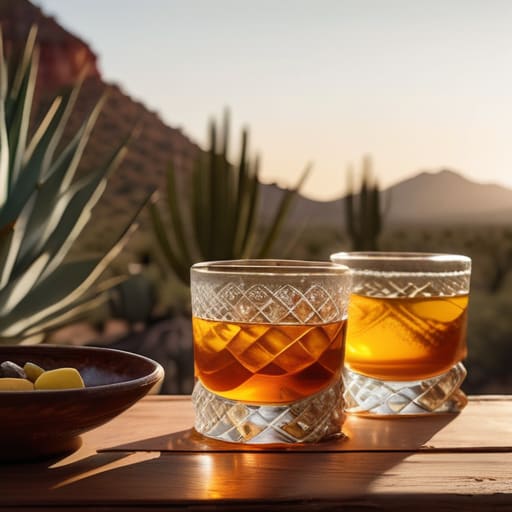
To truly understand what’s in your glass, you have to look past the label and toward the soil. Mezcal isn’t a monolith; it’s a liquid map of the rugged landscapes where it grows. While Tequila is strictly tied to the Blue Weber agave, the world of mezcal is far more chaotic and beautiful, utilizing dozens of different agave varieties for mezcal that change depending on whether you’re in the high deserts of Oaxaca or the humid valleys of Guerrero.
I remember sitting in a small village near Santiago Matatlán, watching a producer explain how the plant’s age dictates its soul. Some agaves, like the Espadín, are the reliable workhorses—yielding something bright and approachable. But then you encounter the wilder species, like the Tobalá or the smoky, complex Tepeztate. These wild plants grow slowly in the cracks of mountainsides, absorbing the minerals and the heat of the sun in ways a farmed plant never could. When you begin to study these mezcal flavor profiles and notes, you realize you aren’t just tasting alcohol; you’re tasting the specific chemistry of a single hillside.
The Slow Alchemy of Traditional Mezcal Production Methods
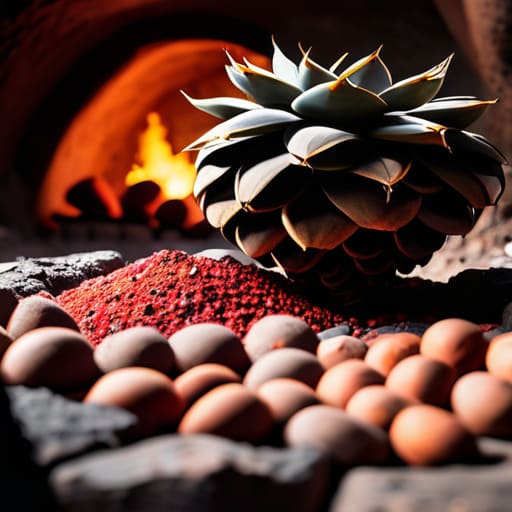
To understand why a sip of mezcal feels so much heavier and more complex than a standard tequila, you have to look at the fire. Unlike the industrial, high-speed processes used for much of the tequila industry, traditional mezcal production methods are defined by patience and smoke. It starts in the horno—a stone-lined pit dug directly into the earth and lined with volcanic rocks. The agave hearts are roasted there for days, absorbing the scent of charred wood and damp soil. It’s a slow, rhythmic cycle that feels more like ancient alchemy than modern manufacturing.
Once the agave is cooked, it’s crushed—often by a massive stone wheel pulled by a horse—and fermented in open-air wooden vats. This is where the magic happens. Because the fermentation relies on wild yeasts floating in the air, each batch captures the specific microclimate of the village. When you finally sit down to learn how to taste mezcal properly, you aren’t just tasting alcohol; you are tasting the smoke of the pit, the minerals of the water, and the very air of the Oaxacan highlands.
How to Actually Taste Mezcal (Without Losing Your Mind)
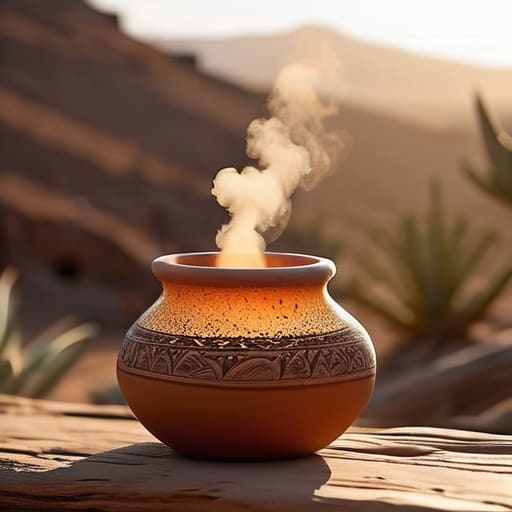
- Ditch the shot glasses. I know, it’s tempting to knock it back like a tequila shot at a loud bar, but you’ll miss everything. Pour a small amount into a copita—those little clay vessels—and let it breathe. You want to sip it, almost like a fine wine, to let the smoke and the agave notes actually hit your palate.
- Watch out for the “smoke trap.” It’s easy to get obsessed with how much smoke a mezcal has, but real complexity lies in what’s underneath. If all you taste is a campfire, keep looking. You’re searching for that subtle, vegetal sweetness or a hint of citrus that peeks through the char.
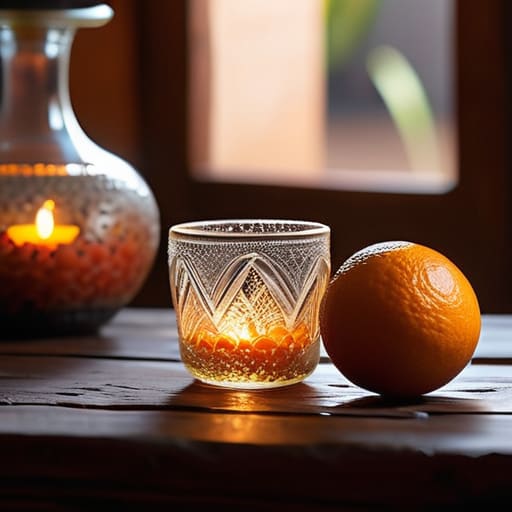
- Don’t fear the salt, but choose it wisely. While everyone reaches for the lime and salt, I prefer a slice of orange or even a bit of spicy sal de gusano (worm salt). The acidity of the fruit cuts through the heavy oils of the spirit, making the flavors pop without masking them.
- Listen to the story, not just the label. When I’m sitting in a small village, I ask the person pouring to tell me about the palenque. Was the agave wild or cultivated? Was it roasted in an earthen pit or something else? The more you know about the hands that made it, the more the flavor makes sense.
- Pace yourself like you’re settling in for a long conversation. Mezcal is high proof and incredibly dense; it’s not meant for a marathon. Drink plenty of water in between, and treat the tasting as a slow unfolding of layers rather than a race to the bottom of the bottle.
Finding the Heart of the Spirit
Skip the curated tasting menus in the city; the most honest expression of mezcal is found in the smoke-filled rooms of a village palenque, where the producer is often the one pouring your glass.
Learn to listen to the agave, not just the label—the subtle differences between Espadín and wild varieties like Tobalá are stories of soil, altitude, and the specific hands that harvested them.
Embrace the imperfection, because that slight smokiness or unexpected vegetal note isn’t a flaw; it’s the fingerprint of a traditional process that refuses to be rushed by modern machinery.
Beyond the Glass
“Don’t look for the perfect notes of smoke or citrus in a sterile tasting room; instead, look for the grit of the earth and the heat of the woodfire, because a real mezcal shouldn’t just taste like a drink—it should taste like the landscape it was pulled from.”
Anouk Verhoeven
Beyond the Glass
At the end of the day, understanding mezcal isn’t about memorizing a technical list of agave species or mastering the chemistry of a stone tahona. It’s about recognizing the fingerprints of the landscape in every sip—the way a specific wild agave carries the scent of the high desert or how the smoke from an earthen pit tells the story of a family’s tradition. Whether you are sipping a crisp Espadín or a complex, funky Tepeztate, remember that you are tasting centuries of adaptation and a deep, stubborn connection to the soil. Don’t let the labels intimidate you; just listen to what the liquid is trying to tell you about the place it came from.
My advice? Put down the guidebooks and stop looking for the most expensive bottle on the menu. The most profound tasting experiences I’ve ever had didn’t happen in a sleek, air-conditioned lounge, but on a rickety wooden stool in a village square, sharing a glass with someone who has been harvesting agave since before I was born. Mezcal is meant to be sipped slowly, ideally alongside a bit of orange and salt, but mostly alongside genuine human connection. Travel for the food, stay for the stories, and let the mezcal be the bridge that brings you closer to the heart of Mexico.
Frequently Asked Questions
How do I tell the difference between a mass-produced tequila and a real, artisanal mezcal when I'm standing in a crowded bar?
When you’re staring at a backlit menu in a loud, crowded bar, don’t look for the fancy label. Look for the “Maestro Mezcalero” name or a specific village mentioned on the bottle. Mass-produced tequila is all about smoothness and consistency—it’s predictable. Real mezcal is unapologetic. If it tastes like smoke, earth, or even a bit of roasted agave pith, and it leaves a lingering, slightly textured warmth in your throat, you’ve found the real thing.
Is there a specific way to sip mezcal to actually taste those smoky, earthy notes without being overwhelmed by the alcohol?
Don’t try to knock it back like a shot of tequila; that’s the quickest way to lose the nuance. Instead, I like to take a tiny sip, let it coat my tongue for a second, and then let the air hit it. If the alcohol feels too sharp, try a “sidecar” of orange slices and sal de gusano. The citrus cuts the heat, letting those deep, smoky agave notes actually breathe.
What kind of food should I be looking for to pair with mezcal so I don't drown out the delicate flavors of the agave?
To keep from drowning out those subtle, smoky notes, steer clear of heavy, cream-based sauces. I usually look for things that play with salt and acidity—think fresh lime, sea salt, or even a bit of sharp, aged cheese. If you’re at a market, find something charred, like grilled corn or seasonal vegetables. The smokiness of the char mirrors the agave, while the brightness of the seasoning keeps the palate awake without overwhelming the spirit.
