I remember sitting in a sun-drenched kitchen in a tiny village outside of Lyon, watching an elderly woman stir a copper pot with a rhythmic, practiced patience that no cookbook could ever truly teach. The air was thick with the scent of crushed raspberries and warm sugar, a smell so potent it felt like it could anchor you to the earth. It was in that moment I realized that most of what we see online about homemade jam recipes is just performative clutter—overly manicured photos of jars that look more like decor than food. We’ve been sold this idea that preserving fruit has to be a daunting, scientific ordeal involving expensive pectin kits and precise laboratory scales, when really, it’s just about listening to the fruit.
I’m not here to give you a list of complicated, soul-crushing instructions that require a degree in chemistry. Instead, I want to share the honest, stripped-back methods I’ve gathered from markets and kitchens across the globe. My goal is to help you master a few reliable homemade jam recipes that focus on the integrity of the season. We’re going to skip the fluff and get straight to the part that matters: capturing a fleeting moment of summer in a jar, without the unnecessary stress.
Table of Contents
Discovering Natural Fruit Pectin Sources in Local Markets
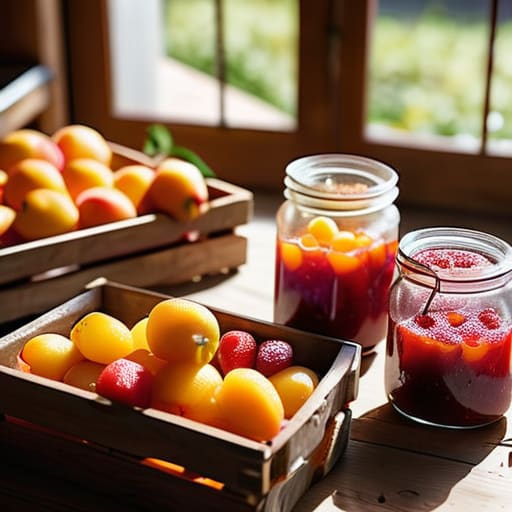
Whenever I land in a new city, my first instinct isn’t to find a landmark, but to find the local market. It’s there, amidst the bruised peaches and crates of tart citrus, that I really start to understand the rhythm of a place. When I’m looking to make preserves, I try to move away from the store-bought powders and instead hunt for natural fruit pectin sources hidden in the stalls. I’ve learned that you don’t always need a chemistry set to get that perfect, spreadable set; often, it’s just about finding the right balance of acidity and fruit density.
In my experience, the secret lies in the overlooked items. A handful of tart green apples or a few bruised citrus peels can do more for your texture than any processed additive. I often find myself lingering near the older vendors, asking which fruits have been sitting in the sun just long enough to peak. It’s a bit of a scavenger hunt, but finding that perfect, high-pectin fruit makes the process feel much more connected to the land. It turns a simple kitchen task into a way of capturing the very essence of the season.
A Curated Jam Making Equipment List for Small Kitchens
When I first started living out of a suitcase, I realized how much I missed the ritual of the kitchen. You don’t need a sprawling farmhouse pantry to start preserving the seasons; in fact, I’ve found that a tiny, functional jam making equipment list is much more liberating. All you really need is a heavy-bottomed stainless steel pot—something that distributes heat evenly so you don’t scorch those delicate berries—and a long-handled spoon. If you’re working in a cramped rental kitchen, skip the bulky electric processors and stick to a simple fine-mesh sieve. It’s much easier to clean and gives you that perfect, silky texture without the noise.
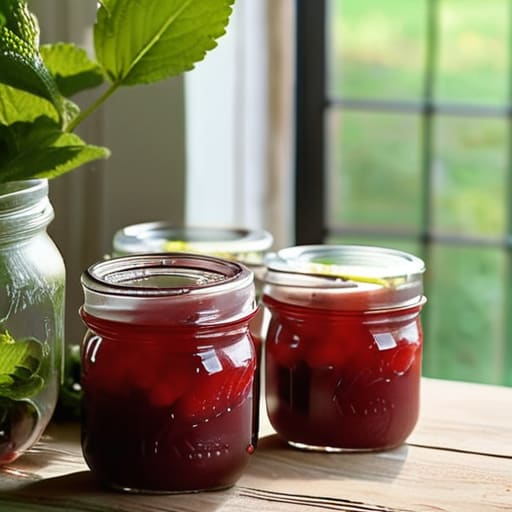
For those of us navigating smaller spaces, mastering the water bath canning method is a game changer. It’s a straightforward way to ensure your jars stay shelf-stable without needing a dedicated canning station. I usually keep a small set of sterilized glass jars and a reliable digital thermometer tucked away in my kit. Having the right tools doesn’t mean clutter; it means having the confidence to turn a handful of summer peaches into something that lasts.
The Small Details That Change Everything
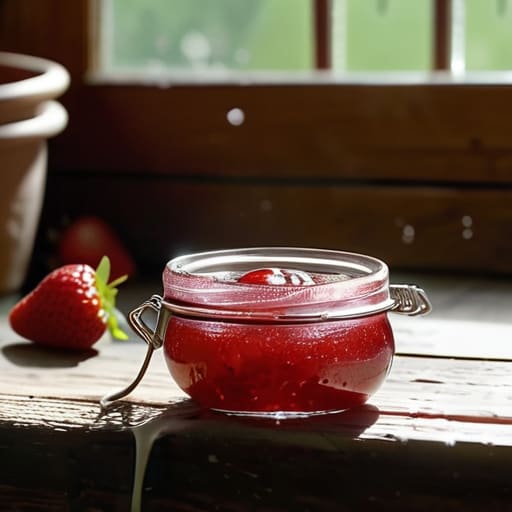
- Don’t rush the fruit. I’ve learned that if you let your berries sit on the counter for an extra day to reach room temperature before starting, they release their juices much more naturally, avoiding that bruised, over-processed texture.
- Watch the heat, not just the clock. Every stovetop is different, and every batch of fruit has a different water content. Instead of relying on a timer, look for the “sheeting” effect—when you pull a spoon through the jam and it leaves a clear path for a second before filling back in.
- Keep your spices minimal and intentional. A single, bruised cardamom pod or a strip of lemon zest can ground a jam in a specific place, but too much will mask the very thing you worked so hard to harvest.
- The importance of the “scum.” When the jam begins to boil, a pale foam often rises to the top. Skim this off carefully with a spoon; it’s not just for aesthetics, it ensures your jars stay clear and your flavors stay bright.
- Record the sensory details, not just the measurements. In my notebook, I don’t just write “2kg strawberries”; I write down how the air smelled when I bought them or how the color shifted from bright crimson to a deep, sunset garnet as it thickened. You’ll want that memory when you open the jar months later.
Small Lessons from the Jam Pot
Don’t fear the fruit’s natural temperament; understanding how pectin behaves in different seasonal harvests is more important than following a rigid, clinical formula.
You don’t need a professional kitchen to create something beautiful—a single heavy-bottomed pot and a bit of patience are the only real essentials.
The best jams aren’t just about the sugar content, but about capturing a specific moment in time, whether it’s the peak of a summer peach or the tartness of a late-autumn berry.
The Memory in the Jar
Making jam is less about the sugar and more about the preservation of a moment—it’s a way to bottle the exact scent of a sun-drenched market stall and keep the fleeting sweetness of a season alive in your kitchen long after the trees have gone bare.
Anouk Verhoeven
The Sweetness of the Process
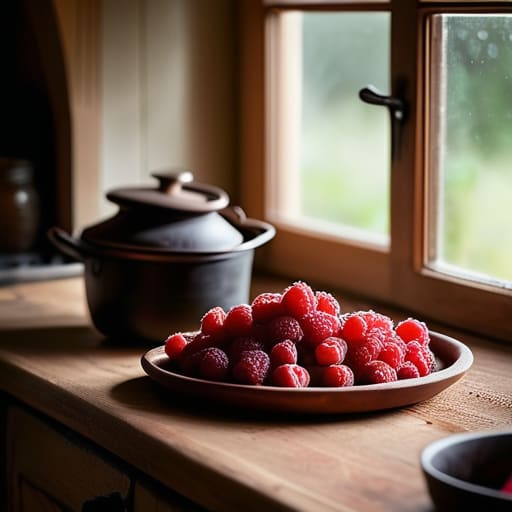
As you stand over your stove, watching the fruit transform, remember that making jam is less about following a rigid formula and more about listening to the ingredients. From sourcing the right natural pectin at your local market to setting up a functional workspace in even the smallest kitchen, every step is a way of honoring the seasonal bounty. It isn’t just about the final jar on the shelf; it is about the patience required to let the flavors deepen and the intentionality of choosing ingredients that actually tell a story of where they came from.
In a world that feels increasingly fast and processed, there is a quiet, radical joy in slowing down to stir a pot of simmering berries. When you finally crack open a jar months from now, you won’t just taste sugar and fruit; you will taste a specific morning, a specific season, and a piece of your own history. I hope these recipes encourage you to find the magic in the small, sticky, wonderful moments of everyday living. After all, the most profound connections to a culture—or even to ourselves—are often found in the simplest of kitchens.
Frequently Asked Questions
How do I know if my jam has set properly without relying on a commercial thermometer?
I usually rely on the old cold plate test. I keep a small saucer in the freezer while the jam simmers; once it looks thick, I drop a spoonful onto the chilled plate. If it wrinkles when I push it with my finger, it’s ready. It’s a bit more tactile than a thermometer, but there’s something deeply satisfying about feeling the texture change right under your fingertips.
Can I still make jam using fruit that is slightly past its prime or a bit bruised?
Absolutely. In fact, some of my favorite preserves come from the “imperfect” fruit I find at the end of a market day. If a peach is a bit bruised or a strawberry is getting soft, it’s actually often sweeter and more fragrant—perfect for jam. Just make sure to sort through carefully; as long as there’s no mold or fermentation, those slightly past-prime fruits are pure gold for a simmering pot.
What is the best way to balance sweetness without making the fruit flavor disappear?
It’s a delicate dance, isn’t it? I’ve learned the hard way that sugar can easily become a mask rather than a companion. To keep the fruit’s soul intact, I lean heavily on acidity. A squeeze of fresh lemon juice or a bit of citric acid doesn’t just help the set; it brightens the fruit, cutting through the sweetness so you actually taste the sun in the berries. Don’t be afraid of a little tartness.