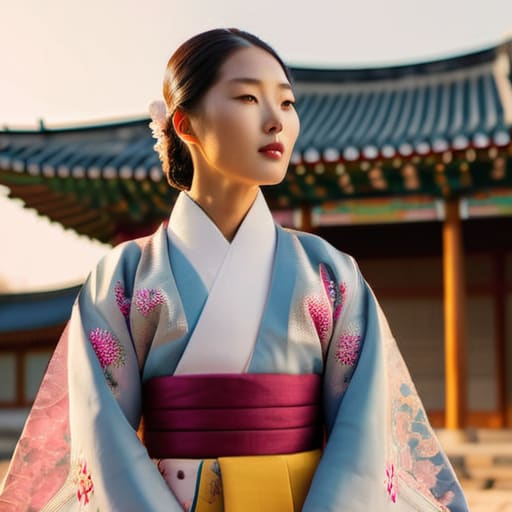
The air in the Bukchon Hanok Village was thick with the scent of toasted sesame oil from a nearby stall, but all I could focus on was the frantic, neon-colored sea of tourists rushing past me. I watched a group of travelers stumble through the narrow alleys, draped in stiff, polyester versions of south korean hanbok that looked more like cheap party costumes than anything approaching heritage. It felt wrong—this loud, performative way of “experiencing” culture that prioritizes a quick photo op over the quiet dignity of the garment itself. To me, seeing these mass-produced silks stripped of their history felt like a missed connection, a loud noise drowning out a very beautiful, very subtle song.
I’m not here to give you a curated list of the most “Instagrammable” rental shops or tell you which colors pop best against a palace wall. Instead, I want to help you find the real story behind the fabric. I’ll share what I’ve learned about identifying quality, understanding the grace of the silhouette, and how to approach this tradition with the respect it deserves. We’re going to skip the tourist traps and look for the authentic soul of the craft.
Table of Contents
- Tracing Joseon Dynasty Clothing Styles Through Faded Silk
- The Living Language of Hanbok Fabric and Colors
- Small Gestures and Quiet Etiquette: How to Wear Hanbok with Intention
- More Than Just Fabric: What I Learned from the Threads
- The Weight of a Thread
- More Than Just Silk and Thread
- Frequently Asked Questions
Tracing Joseon Dynasty Clothing Styles Through Faded Silk
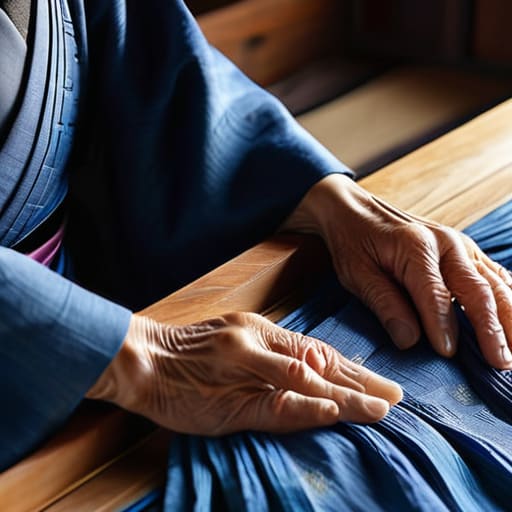
I found myself tucked into the corner of a small, dusty textile workshop in Seoul, where the air smelled faintly of cedar and aged mulberry paper. The owner, a woman whose hands were stained with the dyes of a lifetime, pulled a heavy, indigo-dyed wrap from a wooden chest. As she unfolded it, I realized that studying joseon dynasty clothing styles isn’t about looking at static mannequins in a glass case; it’s about feeling the weight of the history held within the weave. The silk was stiff, bearing the structural elegance that defined an era of strict social hierarchy and quiet dignity.
Tracing the lineage of these garments, you see how the silhouettes shifted from the voluminous, high-waisted skirts of the mid-Joseon period to the more streamlined, delicate lines that followed. There is a profound, rhythmic logic to the way hanbok fabric and colors were used to signal everything from one’s marital status to the very season of the year. Watching the light catch the subtle sheen of a faded, pale peony pink, I felt less like a tourist and more like a witness to a long, unfolding conversation between thread and time.
The Living Language of Hanbok Fabric and Colors
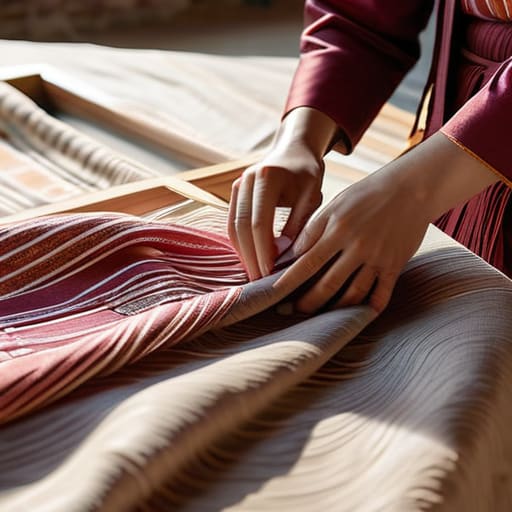
I remember sitting in a small textile workshop in Jeonju, the air thick with the scent of boiled silk and dried mulberry bark. The artisan didn’t just show me colors; she showed me a social hierarchy. In the context of hanbok fabric and colors, nothing was accidental. Deep, saturated blues and reds weren’t just aesthetic choices—they were declarations of status and marital standing. I watched her run her hands over a piece of pale, unbleached hemp, realizing that the subtle shift from a vibrant royal silk to a muted, earthy cotton was a visual map of a person’s place in the world.
It’s easy to look at these garments as mere costumes, but there is a profound logic to the palette. While modern hanbok fashion trends often lean toward pastels and experimental silhouettes for weddings or festivals, the traditional logic remains rooted in the natural world. The colors were meant to mimic the seasons—the soft greens of spring and the deep, bruised purples of a late autumn sunset. To wear these colors was to align oneself with the rhythm of the earth, a concept that feels increasingly rare in our world of fast fashion and synthetic dyes.
Small Gestures and Quiet Etiquette: How to Wear Hanbok with Intention
- Don’t rush the layers. When I first tried on a hanbok in a small boutique in Jeonju, I realized it isn’t something you just “throw on.” Take your time with the jeogori (the top jacket) and ensure the ribbons are tied with care; the way you fasten the garment is almost a meditative ritual in itself.
- Mind your posture, but don’t be stiff. The silhouette of a hanbok is designed for grace, so try to sit with a straight back. You’ll notice that the voluminous skirts (chima) naturally command a bit more space around you, which subtly encourages a more composed way of moving.
- Choose your footwear with the ground in mind. If you’re exploring a traditional village with stone paths or wooden floors, opt for traditional kkotsin (flower shoes) or simple, clean flats. Avoid heavy, chunky sneakers that clash with the soft flow of the silk.
- Respect the color stories. While modern versions come in every pastel imaginable, if you find yourself at a formal ceremony, take a moment to observe the local customs. In more traditional settings, certain colors and patterns carry specific meanings regarding age and social standing.
- Let the fabric breathe. If you are renting a hanbok for a day of walking, ask about the material. I’ve learned that while heavy silks look stunning in photographs, a lighter ramie or cotton blend will keep you from feeling overwhelmed by the heat as you wander through the palace grounds.
More Than Just Fabric: What I Learned from the Threads
Hanbok is a living history, not a museum piece; you can see the evolution of the Joseon Dynasty in the subtle shifts of silhouette and the way silk catches the light in a quiet courtyard.
Color and texture act as a silent vocabulary, where every shade of dyed silk tells a story of social standing, seasonal change, and the deep-rooted connection to the natural world.
To truly understand the soul of Korean tradition, you have to look past the polished displays and find the beauty in the small, tactile details—the way a seamstress handles the fabric or the soft rustle of a skirt in a tea house.
The Weight of a Thread
“I found myself tracing the hem of a deep indigo skirt in a small workshop in Jeonju, and it hit me that hanbok isn’t just about the silhouette; it’s the way the fabric holds the quiet dignity of a thousand years of daily life, tucked into every fold and every stitch.”
Anouk Verhoeven
More Than Just Silk and Thread
As I sit here in this small workshop, the scent of aged cedar and starch still clinging to my notebook, I realize that hanbok is so much more than a costume or a relic of the Joseon era. It is a complex map of identity, where every delicate fold of silk and every specific shade of indigo tells a story of social standing, seasonal shifts, and personal history. We’ve looked at how the silhouettes evolved through the centuries and how the very colors of the fabric act as a silent language, but the true essence lies in the way these garments bridge the gap between the past and our modern, fast-paced lives.
Ultimately, my time spent observing these textiles has taught me that culture isn’t something you simply view behind a glass case in a museum; it is something you wear, something you touch, and something you respect through continued practice. Whether it is a bride in a vibrant wedding hanbok or a student wearing a modernized version for a festival, the spirit of the garment remains unbroken. I hope that next time you find yourself in a corner of Seoul, you don’t just look for the bright colors, but instead try to listen to the stories whispered by the rustle of the fabric. It is in these quiet, tactile details that we truly find the soul of a place.
Frequently Asked Questions
How can I tell the difference between a high-quality, handmade hanbok and the mass-produced versions found in souvenir shops?
I learned this the hard way in a small workshop in Jeonju. Don’t just look at the color; feel the weight. Mass-produced pieces often use stiff, synthetic polyesters that feel “plastic” against your skin. A true, handmade hanbok—usually crafted from silk or ramie—has a subtle, organic texture and a way of catching the light that feels alive. Check the seams, too; if they’re perfectly uniform and machine-stiff, it’s likely a souvenir shop special.
Is there a specific way to wear a hanbok for a formal ceremony versus a more casual outing, or are the rules less strict these days?
It’s a bit of a dance between tradition and modern life. For something formal, like a wedding or a first birthday, you’ll see much more structured silhouettes and richer, heavier silks. Everything feels intentional and ceremonial. But lately, I’ve noticed a lovely shift toward “modern hanbok”—lighter fabrics and simpler cuts that feel much more at home in a quiet cafe. The strict rules are softening, letting people carry their heritage into the everyday.
Where can I find local artisans who still use traditional dyeing methods rather than synthetic fabrics?
If you want to escape the mass-produced stuff, skip the main shopping streets and head toward the smaller workshops in the alleys of Bukchon or near the Hanok villages. I recently stumbled upon a tiny studio near Insadong where an elderly master was still working with indigo and madder root. It’s not easy to find—you often have to look for the small, hand-painted signs—but that’s where the real magic, and the scent of earth and dye, lives.
