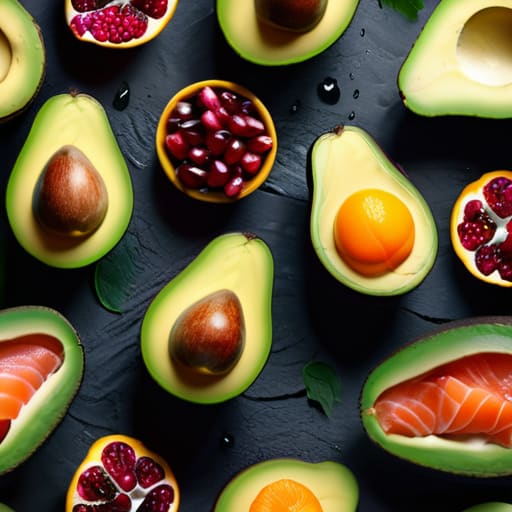
I was sitting in a cramped, fluorescent-lit cafe in Lyon last month, watching a woman meticulously weigh out a handful of almonds on a digital scale, her brow furrowed in total exhaustion. It hit me then how much we’ve managed to ruin the simple act of eating. We’ve been sold this idea that nutrition basics are some complex, expensive equation that requires a PhD and a pantry full of designer superfoods to solve. Honestly? It’s exhausting. We’ve traded the intuitive joy of a seasonal harvest for a mountain of clinical jargon and marketing hype that leaves us feeling more disconnected from our food than ever before.
I’m not here to give you a lecture on macronutrient ratios or a list of supplements you definitely don’t need. Instead, I want to strip everything back to what I’ve learned from years of wandering through crowded street markets and tiny village kitchens. I promise to share a grounded, no-nonsense approach to nourishing your body—one that focuses on real ingredients, seasonal rhythms, and the kind of simple, honest eating that actually makes you feel alive.
Table of Contents
Macronutrients and Micronutrients Explained via Local Ingredients
I’ve learned that looking at a nutrition label in a sterile supermarket is a lonely way to eat. Instead, I try to view food through the lens of what it actually does for us. When I’m navigating a new city, I think of macronutrients and micronutrients explained not as math, but as the building blocks of energy and resilience. I look for the heavy hitters—the proteins in a bowl of lentils or the healthy fats in a handful of roasted almonds—to keep me moving through cobblestone streets. These are the fuels that sustain my long days of walking and writing.
But the real magic, the kind that keeps your skin glowing and your mind sharp, lies in the smaller details. I find myself hunting for the vibrant, deep colors of seasonal produce, knowing that those pigments are actually carrying essential vitamins and minerals. A handful of dark leafy greens from a morning market or a sun-drenched apricot isn’t just a snack; it’s a concentrated dose of the micro-details our bodies crave. It’s about finding that balance between the substance that fills us up and the tiny, vital elements that truly sustain us.
Understanding Caloric Intake Without Losing the Joy of Eating
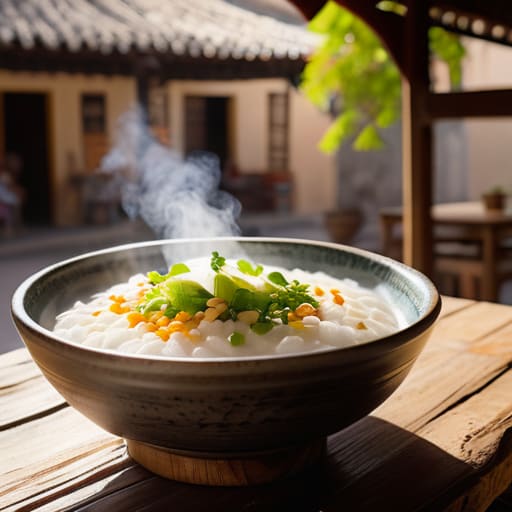
I’ve sat in too many dimly lit bistros in Lyon and crowded stalls in Oaxaca to ever believe that food should be reduced to a series of math problems. There is a certain anxiety that comes with modern wellness culture—a tendency to view every meal through a lens of subtraction. But when I’m navigating a new city, I’ve learned that understanding caloric intake isn’t about restriction; it’s about listening to the rhythm of your own body. It’s about recognizing when a bowl of steaming congee is exactly what your system needs to reset, or when a rich, slow-cooked stew provides the energy required for a long day of walking.
Instead of obsessing over numbers on a screen, I try to focus on satiety and soul. When we prioritize the quality of what we eat, the math tends to take care of itself. This means leaning into the importance of dietary fiber found in whole grains and seasonal vegetables, which keeps you feeling steady rather than spiked by sugar. If we treat eating as a way to fuel our curiosity rather than a chore to be managed, we stop fighting our hunger and start actually tasting our lives.
Small Rituals for a More Intuitive Plate
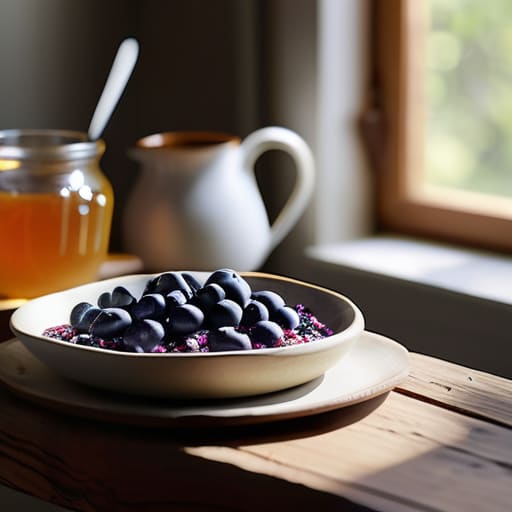
- Shop with your senses, not just your eyes. When I wander through a morning market, I don’t look for “perfect” produce; I look for the heavy weight of a ripe melon or the earthy, damp scent of root vegetables. Choosing ingredients that feel alive and seasonal is the simplest way to ensure you’re getting the most nutrient-dense food possible.
- Embrace the art of the single-ingredient meal. Sometimes, the most nourishing thing you can do is skip the complex recipe and just eat a bowl of warm lentils with a drizzle of cold-pressed olive oil and a pinch of sea salt. Nutrition doesn’t always need a long list of components to be complete.
- Listen to the rhythm of your hunger. Traveling has taught me that my body’s needs change depending on the altitude, the heat, or even the time of day. Instead of sticking to a rigid clock, try checking in with yourself: are you actually hungry, or are you just seeking the comfort of a familiar ritual?
- Prioritize color over calorie counting. I’ve found that if my plate looks like a muted beige, I’m probably missing out on the micronutrients that keep my energy steady. Aim for that messy, vibrant mix of deep greens, bright purples, and sunset oranges—it’s nature’s way of telling you the vitamins are there.
- Slow down the act of consumption. There is a profound difference between inhaling a sandwich while walking to a museum and sitting down with a small bowl of soup. When we eat slowly, we actually taste the nuances of the spices, which helps our brains register satisfaction much more effectively.
Bringing It All Home
Stop looking for nutrition in a lab and start looking for it in the seasons; the most nutrient-dense foods are usually the ones that haven’t traveled far to get to your plate.
View calories not as a math problem to be solved, but as the energy required to fuel your curiosity and your walks through new cities.
Let go of the rigid rules and focus on the quality of the ingredients; when you eat from the earth rather than a package, your body instinctively knows what it needs.
Beyond the Numbers
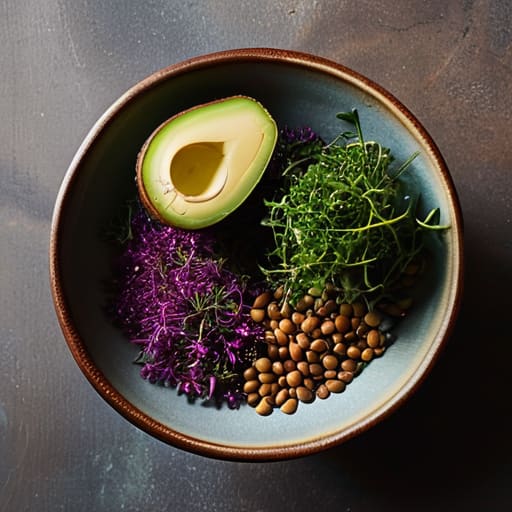
We often get so lost in the math of calories and the rigidity of macros that we forget the most basic nutrient of all: the connection to the soil and the hands that harvested it. Real nutrition isn’t a calculation; it’s the way a piece of sourdough or a handful of bitter greens makes you feel alive and rooted in the moment.
Anouk Verhoeven
Beyond the Numbers
At the end of the day, understanding nutrition isn’t about obsessing over a spreadsheet or counting every single gram of a macro. It’s about recognizing that the energy we need comes from the vibrancy of the earth—the proteins in a handful of roasted lentils, the healthy fats in a ripe avocado, or the micronutrients tucked inside a bunch of dark, leafy greens. When we stop viewing food as a math problem and start seeing it as a collection of essential building blocks, the concept of “calories” loses its power to intimidate us. We can find that sweet spot where our bodies feel fueled and our plates feel abundant and intentional.
As I pack my bag for my next destination, I’m reminded that the most profound lessons aren’t found in a textbook, but in the way a meal connects us to the soil and the season. Nutrition is a deeply personal, quiet ritual that evolves as we move through the world. Don’t let the pursuit of “perfection” rob you of the pleasure of a shared meal or the scent of a spice stall. Instead, aim for a way of eating that honors your body while celebrating the culture around you. After all, we don’t just eat to survive; we eat to truly live.
Frequently Asked Questions
How do I balance getting all my nutrients when I'm traveling and eating whatever is seasonal or available in a local market?
I’ve learned that trying to track macros in a foreign market is a recipe for misery. Instead, I look for color and variety. If my plate looks like a kaleidoscope—deep greens, bright citrus, earthy root vegetables—I know I’m covered. I follow the rhythm of the season; if the stalls are overflowing with one thing, I lean into it, but I always try to pair a heavy local starch with something fermented or fresh to keep my gut happy.
Is it possible to stay mindful of my nutritional needs without turning every meal into a calculated chore?
It is, and honestly, it has to be. If you start viewing your plate as a math problem, you lose the very thing that makes eating meaningful. I’ve found that the trick is to listen to your body rather than an app. Focus on the colors on your plate and the way a meal makes you feel an hour later. When we eat with intention—really tasting the salt, the acid, the crunch—we naturally gravitate toward what nourishes us.
How can I tell the difference between eating for genuine hunger and just eating because a local dish looks beautiful or interesting?
It’s a constant tug-of-war when you’re traveling. I’ve learned to pause before ordering and check in with my body. Genuine hunger is a steady, physical hum in my stomach; curiosity is more of a mental itch, a desire to “collect” the experience. If I’m eating just to check a dish off a list, I’m consuming a concept, not nourishment. I try to eat when I’m hungry, but allow myself the occasional beautiful distraction.
