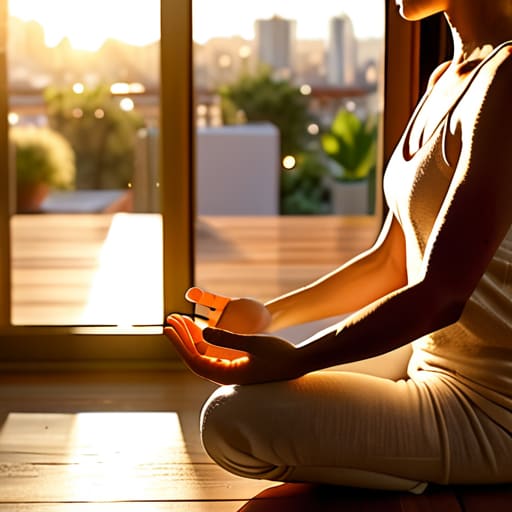
I was sitting in a cramped, humid kitchen in Hanoi last July, the scent of star anise and burnt garlic clinging to my clothes, when I realized I couldn’t hear my own thoughts over the roar of the motorbikes outside. I had been reading these glossy wellness blogs claiming that you need a mountain retreat or a silk cushion to find peace, but honestly? That felt like a lie. If you’re looking for a way to escape reality, you’re looking in the wrong place; learning how to start a daily meditation practice shouldn’t require a plane ticket or a designer yoga mat. It’s not about achieving some ethereal state of nothingness while the world stands still; it’s about finding a way to stay centered even when the street market is screaming in your ear.
I’m not here to sell you on a spiritual overhaul or a complex ritual that takes an hour of your precious morning. Instead, I want to share the messy, unpolished ways I’ve learned to carve out stillness amidst the chaos of constant travel. I’ll show you how to build a practice that actually fits into a real life—one filled with deadlines, loud neighbors, and moving parts. No fluff, no expensive gear, just the honest, quiet mechanics of being present.
Savoring the Morning Finding the Best Time of Day to Meditate
If you find that sitting in silence feels a bit too heavy or intimidating at first, don’t feel like you have to go it alone. Much like how I used to rely on old, hand-drawn maps to navigate the winding alleys of Lisbon, I’ve found that having a bit of digital guidance can make the transition much smoother. I’ve been using this platform lately to help anchor my focus, and it’s been a wonderful way to build a sense of rhythm when my own mind feels a little too cluttered. It isn’t about perfection, but rather about having a gentle companion to walk you through those first few, often wobbly, minutes of stillness.
I’ve found that the timing of your practice often dictates the flavor of the experience. When I was living in a tiny studio in Lisbon, I used to rush straight into my day, fueled by nothing but espresso and the frantic energy of the street below. But I eventually realized that the best time of day to meditate isn’t a fixed rule; it’s about finding when your internal rhythm matches your surroundings. For some, the pre-dawn stillness is a sacred window, a chance to settle before the world starts demanding things from you.
For others, like me when I’m traveling between busy markets, the mid-afternoon slump offers a different kind of magic. It’s that heavy, golden hour when the heat settles and the pace of life slows down naturally. Using guided meditation for relaxation during these lulls can act like a reset button, preventing that midday burnout from turning into evening exhaustion. There is no “right” hour, only the hour where you can actually hear yourself think without the constant urge to check your phone or reach for a snack.
Creating a Meditation Space at Home Like a Hidden Courtyard
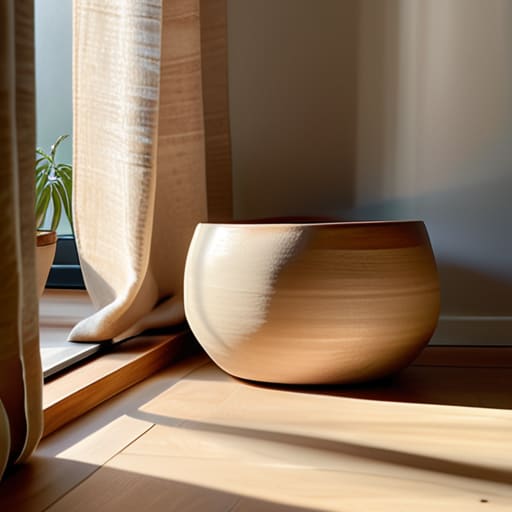
You don’t need a dedicated room or a Zen garden to make this work; you just need a corner that feels like it belongs to you. When I’m moving between rentals, I look for that one specific patch of sunlight on the floor or a quiet nook near a window. Creating a meditation space at home doesn’t have to be an expensive overhaul of your interior design. It’s more about intention. I like to keep a single linen cushion and perhaps a small ceramic bowl I picked up from a market in Oaxaca. These tactile, grounding objects act as a sensory signal to my brain that it’s time to slow down.
The goal is to mimic the feeling of a hidden courtyard—a place shielded from the noise of the street. If your apartment is small or loud, even a pair of noise-canceling headphones can help you find that mental sanctuary. Whether you are exploring different meditation techniques for beginners or simply sitting in silence, having a consistent physical anchor helps you settle in much faster. It turns a vague intention into a tangible ritual, making it far easier to actually sit down when life gets chaotic.
Small Rituals, Not Grand Gestures: Five Ways to Ground Your Practice
- Start with the duration of a single espresso shot. Don’t aim for an hour of silence right away; that’s a recipe for frustration. Instead, commit to just five minutes. It’s about the consistency of showing up, much like the way a local baker arrives at the same oven every single morning.
- Use your senses as an anchor. When your mind starts to wander toward your to-do list, bring it back to something physical—the weight of your hands in your lap or the specific rhythm of your breathing. It’s a way of checking in with your body, similar to how I use scent to ground myself in a new city.
- Forgive the mental noise. You aren’t trying to achieve a “blank” mind—that’s a myth that makes people quit too early. Your thoughts will drift, just like people drifting through a street market. The practice isn’t in stopping the thoughts, but in noticing them and gently returning to the present.
- Tie it to an existing habit. I find that “habit stacking” works best. Try meditating immediately after your first cup of tea or right after you close your laptop for the day. Linking it to something you already do naturally helps it stop feeling like a chore and start feeling like a part of your rhythm.
- Ditch the perfectionism. Some days you’ll feel incredibly centered, and other days you’ll feel like a chaotic mess of distractions. Both are okay. Meditation isn’t a performance; it’s just a quiet, honest moment of being with yourself, exactly as you are.
Finding Your Own Rhythm
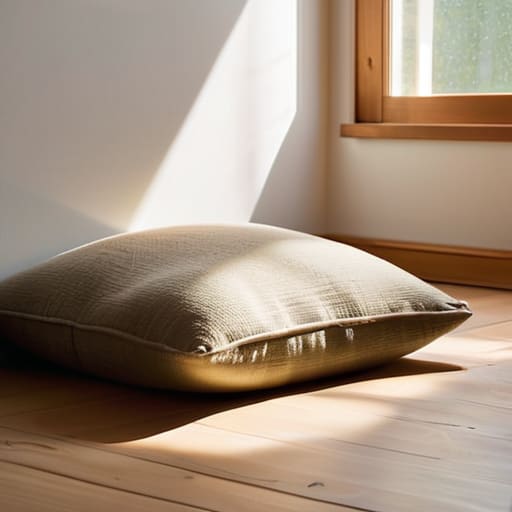
At the end of the day, starting a meditation practice isn’t about achieving some lofty, untouchable state of enlightenment or following a rigid, monastic schedule. It’s really about the small, intentional choices we make: deciding whether to greet the sunrise or find stillness in the late afternoon, and carving out a physical corner of your world that feels entirely your own. Whether you’re sitting on a floor cushion in a tiny apartment or finding a quiet bench in a local park, the goal is simply to show up. Remember, your practice doesn’t need to be perfect to be meaningful; it just needs to be yours.
I often think about how the most vibrant street markets aren’t built overnight; they are the result of daily, repetitive rhythms that eventually create something beautiful and alive. Your mindfulness is much the same. Don’t get discouraged if your mind wanders to your grocery list or a deadline—that’s just part of the human experience. Just gently bring yourself back, over and over again. Treat your meditation like a slow-cooked meal rather than a quick snack; give it time to simmer, and eventually, you’ll find that the stillness you’ve been searching for has been part of you all along.
