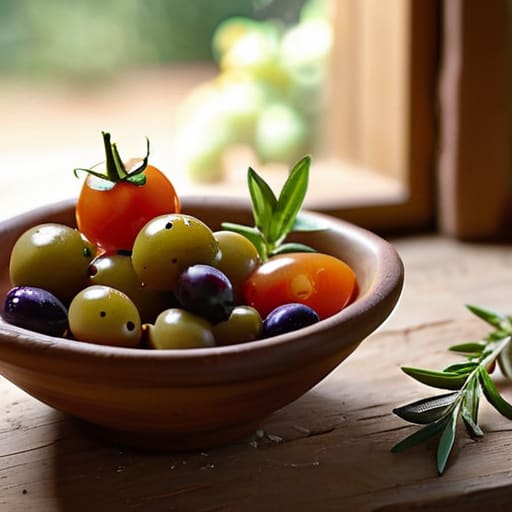
I was sitting in a cramped, humid corner of a market in Marseille last July, watching a vendor sort through crates of tomatoes that actually smelled like earth and sunlight, rather than the sterile, plastic-wrapped versions we see in most supermarkets. It hit me then how much we’ve been lied to about what it actually means to eat this way. Somewhere along the line, the concept of mediterranean diet ingredients got hijacked by wellness influencers selling overpriced, dehydrated powders and “superfood” blends that cost a week’s rent. We’ve turned a way of living into a complicated checklist of expensive commodities, completely stripping away the soul of the meal.
I’m not here to sell you a lifestyle overhaul or a pantry full of boutique labels you can’t pronounce. Instead, I want to strip everything back to the basics—the real, unpolished staples that have fueled coastal communities for centuries. I’ll be sharing the honest, no-nonsense essentials that I’ve discovered in small village markets and family kitchens, focusing on the simple, seasonal truths that actually matter. We’re going to look past the marketing hype to find the ingredients that tell a real story.
Table of Contents
The Golden Liquid Finding Healthy Fats in Mediterranean Diet
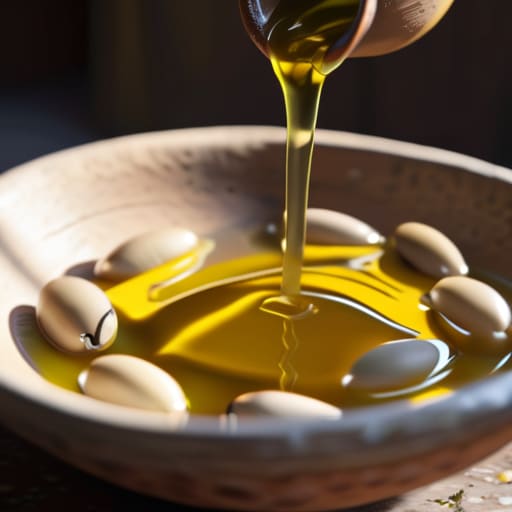
I remember standing in a narrow alleyway in Puglia, watching a vendor pour a stream of oil so thick and vibrant it looked more like melted sunlight than a condiment. That was my first real encounter with the true heart of healthy fats in mediterranean diet—not as a clinical concept, but as a sensory experience. When you stop looking at oil as just a cooking medium and start seeing it as a way to carry flavor, everything changes. It’s the backbone of the kitchen here, providing that silky mouthfeel that makes even a simple bowl of beans feel like a feast.
Beyond the olive oil, I’ve learned that a proper mediterranean diet grocery list relies heavily on the richness of nuts and seeds. I often find myself lingering near the bulk bins in local markets, picking through handfuls of walnuts or almonds. These are some of the most reliable monounsaturated fats sources available, offering a much-needed satiety that keeps you grounded while you wander. It isn’t about restriction; it’s about choosing fats that feel alive, heavy with nutrients, and deeply connected to the soil.
Nourishing Traditions Whole Grains and Legumes From Local Fields
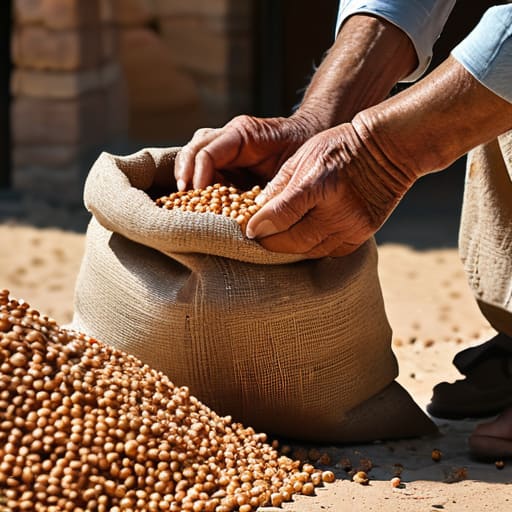
Walking through a village market in the Peloponnese, I’m always struck by the sheer weight of the burlap sacks. There is something so grounding about the texture of dried lentils and the dusty, earthy scent of farro. To me, these aren’t just items on a mediterranean diet grocery list; they are the quiet anchors of every meal. I watched an elderly man sort through a pile of chickpeas this morning, his hands moving with a rhythm that felt ancient, reminding me that these humble seeds have been sustaining families here for centuries.
When I look for meaningful nourishment, I find it in these textures. While many people focus on the luxury of seafood, the real magic lies in the whole grains and legumes that fill the center of the table. They are the most reliable mediterranean diet protein options I’ve found, providing a sense of fullness that feels honest rather than heavy. Whether it’s a bowl of slow-simmered cannellini beans or a simple salad of bulgur and mint, these ingredients turn a simple meal into a connection to the land itself.
Small Shifts for a More Intentional Pantry
- Buy what is in season, not what is in the supermarket flyer. I’ve learned that a tomato in August tastes like sunlight, while a tomato in February tastes like nothing at all; following the seasons is the easiest way to embrace the true Mediterranean rhythm.
- Prioritize the scent of the market over the convenience of the aisle. When I’m looking for herbs, I don’t grab a plastic packet; I find the vendor with the bruised, fragrant basil and the earthy rosemary, because those smells are the first sign of real flavor.
- Swap processed snacks for the crunch of raw nuts and seeds. I always keep a small tin of almonds or walnuts in my bag—it’s a simple, grounded way to stay nourished while I’m navigating a new city or writing in a crowded cafe.
- Learn to love the art of the “slow soak.” Whether it’s dried chickpeas or lentils, giving legumes the time they need to hydrate and soften transforms them from mere pantry staples into the hearty, soul-warming centerpieces of a meal.
- Keep your spices whole and simple. Instead of relying on heavy, pre-mixed blends, I try to stick to the basics—dried oregano, a bit of sea salt, and maybe some smoked paprika—to let the natural integrity of the vegetables actually shine through.
The Heart of the Plate: Lessons from the Market
Stop looking for “superfoods” in a plastic package and start looking for ingredients that have a history; true nourishment comes from things that are grown, harvested, and handled by hand.
Focus on the rhythm of the seasons rather than the convenience of the supermarket, because food simply tastes more honest when it arrives exactly when it’s supposed to.
Remember that a meal is more than just a list of nutrients; it is an act of connection to the soil, the local producer, and the slow, quiet traditions that keep a culture alive.
The Language of the Market
“I’ve learned that a recipe isn’t really about a list of instructions; it’s about the way a sun-warmed tomato or a handful of salt-crusted olives can suddenly make a foreign street feel like home.”
Anouk Verhoeven
Beyond the Plate
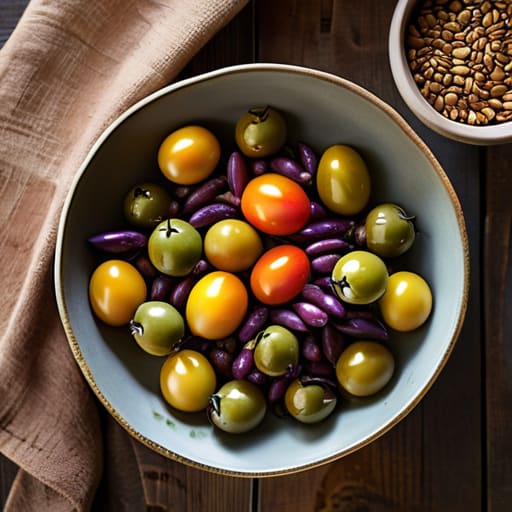
Looking back at everything we’ve discussed—from the liquid gold of hand-pressed olive oils to the humble, earth-bound strength of lentils and ancient grains—it becomes clear that these ingredients are more than just nutritional checkboxes. They are the building blocks of a lifestyle that prioritizes quality over convenience. When we choose seasonal vegetables, hearty legumes, and healthy fats, we aren’t just following a diet; we are participating in a centuries-old rhythm of eating that respects the land and the hands that tend it. It’s about moving away from the sterile, processed aisles of a supermarket and moving toward the vibrant, messy, and beautiful reality of the local market stall.
As I sit here in this tiny cafe, scribbling notes in my notebook while the scent of roasted garlic and sea salt drifts through the air, I’m reminded that the Mediterranean way is ultimately about connection. It is the connection between the soil and the soul, between the cook and the guest, and between the meal and the memory. I hope that when you next step into your kitchen, you don’t just see ingredients, but rather stories waiting to be told. Don’t aim for perfection; just aim for something real, something seasonal, and something that makes you feel truly alive.
Frequently Asked Questions
How do I find these specific, high-quality ingredients if I don't live near a Mediterranean coast?
I get this question a lot, and honestly, it’s the hurdle that keeps most people from starting. You don’t need a seaside villa to eat this way. I’ve learned to treat my local farmers’ market like a treasure hunt. Look for the smallest producers—the ones with dirt still on their carrots. If you’re stuck with big supermarkets, skip the middle aisles and head straight for the olive oil and dried legume sections. Quality matters more than proximity.
Are there certain ways to prepare these whole grains and legumes that actually make them taste better, rather than just being "healthy"?
Honestly, the mistake most people make is treating grains and legumes like a chore—just something to boil and swallow. In the villages I’ve visited, they treat them like protagonists. I once watched a chef in Sicily toast farro in a dry pan before adding water; that nutty, toasted aroma changed everything. For lentils, try simmering them with a bruised clove of garlic and a sprig of rosemary. It’s about layering scent and texture, not just nutrition.
How can I balance these traditional ingredients with a modern, busy lifestyle without spending all my time in the market?
I used to think you needed a whole afternoon in the market to eat this way, but I’ve learned to adapt. I keep a pantry of “emergency” staples—dried chickpeas, canned sardines, and high-quality olive oil—that work even when I’m living out of a suitcase. It’s about the assembly, not the labor. A handful of greens, a tin of fish, and some toasted grains can become a feast in minutes.
