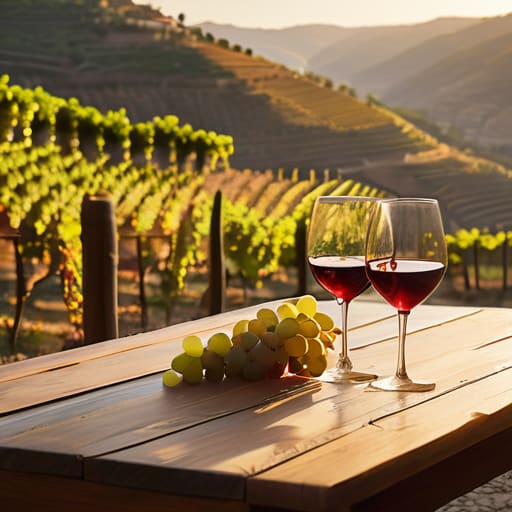
I still remember sitting on a splintering wooden bench in a tiny, unnamed village near Alentejo, the air thick with the scent of sun-baked earth and fermenting grapes. I wasn’t in a temperature-controlled tasting room with a gold-plated plaque; I was sharing a crust of bread and a glass of something deep, garnet-colored, and unlabeled with a man whose hands were stained by the soil. It’s moments like those that make the polished, high-priced brochures about portuguese wine regions feel so incredibly hollow. We’ve been taught to look for prestige and complex labels, but the real heartbeat of this country isn’t found in a luxury gift shop—it’s tucked away in the dust of the vines.
I’m not here to give you a lecture on tannins or a list of the most expensive estates to impress your friends. Instead, I want to take you through the actual soul of these lands, from the terraced slopes of the Douro to the salty breezes of the coast. My goal is to show you how to navigate these different landscapes to find the stories that matter, focusing on the small-scale producers and the quiet, honest flavors that define a culture.
Table of Contents
Sipping History the Deep Roots of Port Wine Production History
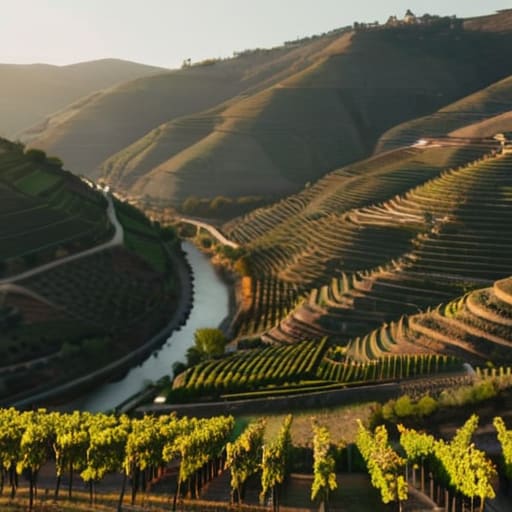
To understand why Port is so much more than just a sweet dessert drink, you have to look at the scars on the landscape. I remember sitting on a stone wall in the Douro, watching the sun dip behind the terraced hills, and realizing that this wasn’t just farming—it was an act of defiance. The Port wine production history is etched into those steep, schist-heavy slopes. It began as a necessity; during the 17th and 18th centuries, producers realized that adding a bit of brandy helped preserve the wine for the long, salt-sprayed journey across the sea to England.
It wasn’t just about survival, though. It was about the marriage of soil and spirit. As I flipped through my notebook, I thought about how the ruggedness of the terrain dictated everything from the fermentation process to the very soul of the liquid in the glass. When you dive into a glass of aged Tawny, you aren’t just tasting fruit; you are tasting centuries of maritime trade and the relentless grit of the families who carved these vineyards out of sheer rock.
The Granite Slopes and Bold Spirit of Douro Valley Red Wines
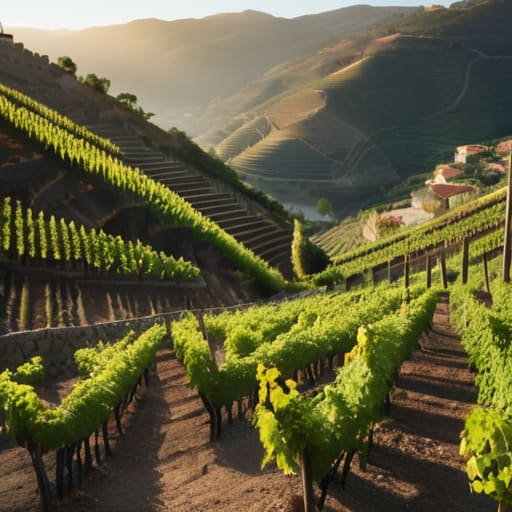
Leaving the fortified sweetness of Porto behind, the landscape shifts into something much more dramatic. As you wind deeper into the Douro Valley, the hills don’t just rise; they seem to erupt from the earth in steep, terraced ribbons of schist and granite. It’s a landscape that demands respect, and the Douro Valley red wines reflect that exact kind of grit. These aren’t wines meant for casual sipping on a beach; they are structured, intense, and carry a certain unyielding character born from vines clinging to near-vertical slopes.
I remember sitting at a small, family-run quinta where the air smelled of sun-baked stone and ripening fruit. The proprietor poured me a glass of a deep, garnet-colored red, and immediately, I understood the connection between the soil and the glass. There is a profound sense of place here that you won’t find in the lighter, more effervescent Vinho Verde characteristics of the north. In the Douro, the heat and the mineral-heavy earth conspire to create something soulful, making it easily one of the most compelling stops for anyone exploring the best wine regions in Portugal.
How to Drink Like You Actually Belong There
- Leave the tasting rooms for the tourists. If you want to understand the soul of a region, look for the tiny, family-run adegas tucked into side streets. It might just be a wooden door and a single table, but that’s where the real stories—and the best bottles—live.
- Follow the seasons, not the brochures. Wine is a living thing, tied to the rhythm of the harvest. If you can time your travels to the crush in the Douro or the grape picking in Alentejo, you’ll experience a sensory intensity that a summer vacation simply can’t replicate.
- Learn the language of the soil. Instead of asking for the “best” wine, ask about the terroir. Is it the schist of the Douro or the limestone of Bairrada that’s shaping the glass? Understanding the ground beneath your feet changes how you taste every sip.
- Don’t fear the unlabelled bottle. Some of my most memorable afternoons have been spent in small villages, sharing a carafe of something local with a farmer who doesn’t have a fancy website. If it’s poured from a jug and tastes like sunshine and earth, you’ve found gold.
- Eat what grows nearby. Wine and food are never separate in Portugal; they are a conversation. If you’re in the north, look for hearty stews; in the south, it’s all about olive oil and fresh bread. A wine is only half the story until it meets its local counterpart on the plate.
The Heart of the Harvest
Skip the grand estates if you’re looking for connection; the true spirit of Portuguese wine is found in the small, family-run vineyards where the soil tells a story far older than any brand label.
Understanding the landscape is key—from the steep, sun-drenched terraces of the Douro to the cooler Atlantic breezes, the geography dictates everything from the grape’s character to the way it hits your palate.
Wine here isn’t just a drink; it’s a cultural anchor that links the history of the land to the communal ritual of the table, making every glass a lesson in local identity.
More Than Just a Label
“You can read all the tasting notes you want, but you haven’t truly tasted Portugal until you’ve sat on a stone wall in a village where the vines are more part of the landscape than the houses themselves.”
Anouk Verhoeven
Beyond the Bottle
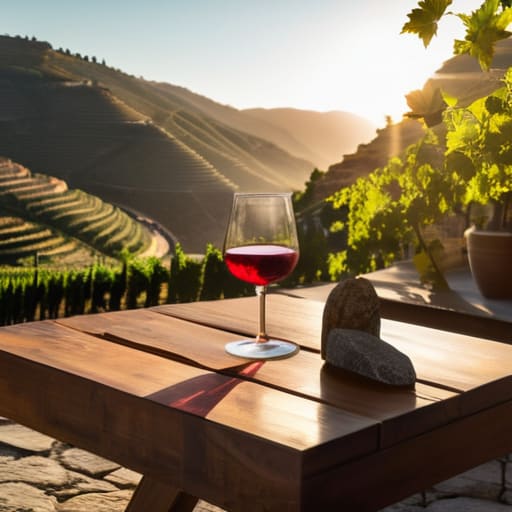
Looking back at the journey from the fortified, storied cellars of the Port houses to the rugged, sun-drenched terraces of the Douro, it becomes clear that Portuguese wine isn’t just a beverage; it’s a liquid map of the country’s geography and grit. Whether you are tracing the complex evolution of Port through centuries of trade or feeling the heat of the granite soil in a glass of bold Douro red, you are tasting the very essence of the landscape. These regions offer more than just a tasting menu; they provide a window into a way of life that refuses to be rushed or sanitized for the sake of convenience.
If there is one thing I’ve learned from living out of a suitcase, it’s that the most profound connections rarely happen in a guidebook. They happen when you sit on a rickety wooden stool in a village tavern, the air smelling of damp earth and fermenting grapes, and realize that every sip tells a story of the hands that tended the vines. So, don’t just chase the famous labels or the pristine tasting rooms. Seek out the dust, the steep climbs, and the quiet, unpolished corners of these vineyards. That is where you will find the true, unvarnished soul of Portugal.
Frequently Asked Questions
If I'm looking to avoid the crowds, which smaller wine regions offer the most authentic experience away from the big tasting rooms?
If you want to escape the polished tasting rooms, head toward Alentejo. It’s vast, sun-drenched, and feels much more unhurried. You’ll find small, family-run estates where the wine is heavy with oak and earth, and the hospitality feels like sitting in someone’s living room. Alternatively, try the Bairrada region. It’s rugged and soulful, famous for its sparkling Baga wines. It’s less about the spectacle and more about the grit and the land.
How much does the coastal influence actually change the flavor profile of wines compared to the inland valleys?
It’s a massive difference. When I’m up in the Douro, the wines feel heavy, sun-drenched, and almost muscular because of that inland heat. But as soon as you move toward the coast, the Atlantic starts to dictate the rhythm. The breeze brings a saline, mineral edge that cuts through the fruit. It’s less about jammy intensity and more about a crisp, refreshing acidity—that unmistakable saltiness that makes you crave another sip.
Is it better to focus on a single region like the Douro, or should I try to sample different styles across the country in one trip?
Honestly, it depends on what you’re craving. If you want to truly understand the soul of a place, I’d suggest picking one region like the Douro and going deep. There’s something so grounding about seeing how the same soil produces different expressions over a few days. But, if you’re feeling restless, sampling the crisp whites of the Minho alongside a heavy Douro red gives you a much broader map of Portugal’s culinary heart.
