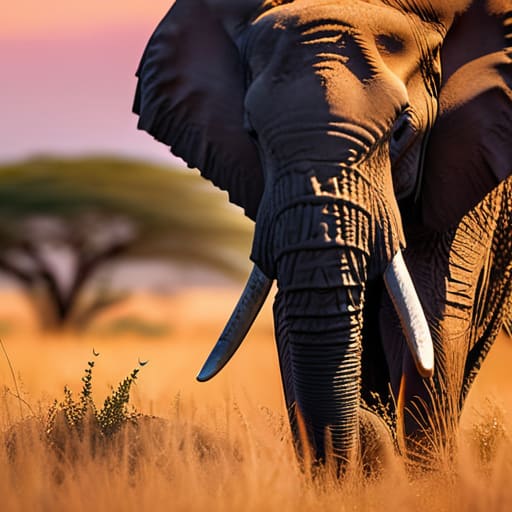
I remember sitting in a dusty Land Rover near the Kruger border, the air thick with the scent of crushed wild sage and sun-baked earth, waiting for something to happen. I wasn’t looking for the choreographed spectacle of a dozen vehicles swarming a single leopard; I was looking for the quiet rhythm of the bush. Most people think south african wildlife safaris are about checking off a list of animals like they’re grocery items, but that’s where the soul of the experience gets lost in the rush. When you treat the wilderness like a theme park, you miss the subtle shifts in the wind and the way the light hits the acacia trees just before dusk.
I’m not here to sell you on the most expensive, gold-plated lodges that feel more like hotels than habitats. Instead, I want to guide you toward the real stories found in the untamed corners of the landscape. My goal is to share the practical, unvarnished truth about planning your own journey, focusing on finding those authentic connections that happen when you actually slow down. We’re going to skip the tourist traps and focus on what truly matters: experiencing the wild on its own terms.
Table of Contents
The Best Time to Visit Kruger National Park
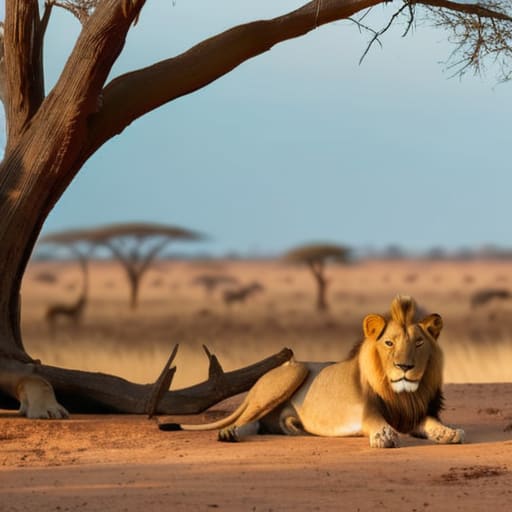
Deciding when to head into the bush depends entirely on what you’re looking to capture through your lens. If you’re chasing those iconic, high-drama sightings, the dry winter months from May to September are your best bet. As the water sources vanish, the animals congregate around the remaining pools, making it much easier to track them. This is arguably the best time to visit Kruger National Park if you want to witness the raw, unfiltered drama of predator and prey, though you’ll need to pack plenty of layers for those biting early morning drives.
On the other hand, if you prefer a landscape that feels lush and alive, the summer rainy season offers a completely different sensory experience. The air is thick with the scent of damp earth and blooming flora—the kind of smell I immediately scribble into my notebook. While the thick vegetation can make spotting the animals a bit more of a scavenger hunt, the birdlife is spectacular. For those seeking a balance of comfort and scenery, many luxury safari lodges South Africa offers provide a seamless way to experience these seasonal shifts without sacrificing a good cup of coffee and a warm bed.
Seeking Authentic Big Five Safari Experiences
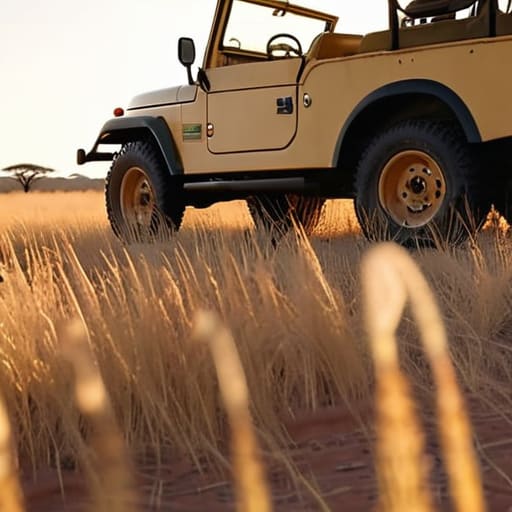
I’ve always found that the most profound connections happen when you step away from the heavy-duty tour vehicles and the crowds vying for the same view. While many people head straight for the high-end, polished luxury safari lodges South Africa is famous for, I find myself drawn to the smaller, more intimate concessions. There is a specific kind of magic in sitting in a low-slung jeep, the engine finally silent, listening to the dry grass rustle. It’s in these quiet gaps between sightings that you actually begin to understand the rhythm of the bush.
To truly capture these moments, I’ve learned to prioritize patience over a checklist. It’s easy to get caught up in the hunt for the Big Five, but the real soul of the trip often lies in the smaller details—the way the light hits a dung beetle or the scent of rain on parched earth. If you are planning your own journey, I highly recommend looking into a specialized South African game reserves guide who prioritizes ecology over spectacle. They won’t just point out a leopard; they’ll explain how that leopard’s presence dictates the movement of everything else in the valley.
A few things I’ve learned between the dust and the dawn
- Pack for the temperature swings, not just the sun. I’ve learned the hard way that the African bush is freezing at 5:00 AM and sweltering by noon; layers are your best friend, preferably in neutral tones that won’t startle the animals.
- Ditch the heavy DSLR for a moment and embrace the slow pace. While I love my analog camera, some of my most profound moments happened when I just sat still, notebook in hand, listening to the rhythm of the bush instead of hunting for the perfect shot.
- Choose smaller, locally-run lodges over the massive luxury chains. You’ll find much more soul—and often much better, seasonal food—when you stay somewhere that feels like a home rather than a hotel.
- Learn a few words of local languages, even if it’s just a simple greeting. There is a beautiful connection that happens when you show respect to your ranger or the people in the nearby villages; it opens doors that a guidebook never could.
- Don’t get discouraged by the “quiet” days. Not every drive results in a lion sighting, but the magic is often in the small things—the way the light hits the acacia trees or the scent of rain hitting dry earth.
Finding the Rhythm of the Wild
Skip the rigid, clockwork itineraries; the most profound moments happen when you allow yourself the space to sit in silence and wait for the landscape to reveal its secrets.
Look beyond the spectacle of the hunt to find the smaller, quieter connections—the way the scent of rain hits the dust or the specific, heavy stillness of a bushveld afternoon.
Prioritize local knowledge over glossy brochures, because the real heartbeat of the savannah is best understood through the people who live in conversation with it every day.
Beyond the Binoculars
“A real safari isn’t just about checking names off a list; it’s that sudden, heavy silence when the wind shifts, the scent of dry earth and wild sage hits you, and you realize you aren’t just a spectator—you’re part of the landscape.”
Anouk Verhoeven
The Heartbeat of the Bush
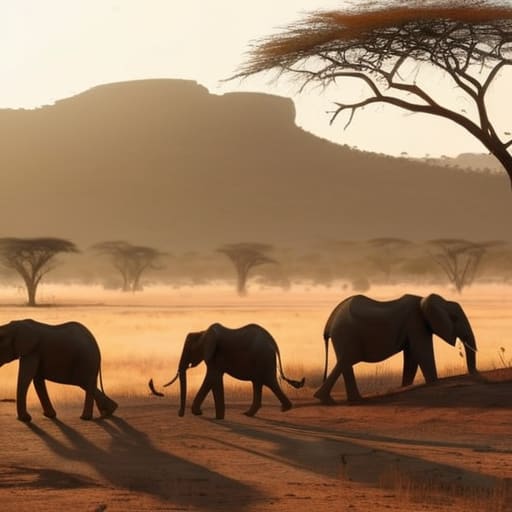
As I sit here looking through my latest roll of film, I’m reminded that a successful safari isn’t just about checking animals off a list. It’s about the timing of the seasons in Kruger, knowing when the dry heat will bring the herds to the waterholes, and having the patience to seek out those smaller, more intimate camps rather than the massive, crowded lodges. Whether you are tracking the Big Five or simply watching the light shift over the acacia trees, the key is to lean into the rhythm of the land. It’s about finding that balance between careful planning and the unpredictable magic of the wild.
Ultimately, I’ve learned that the most profound moments in South Africa don’t happen through a camera lens or a tour guide’s megaphone; they happen in the quiet gaps in between. It’s the scent of rain hitting parched earth or the sudden, heavy silence that falls right before a leopard moves through the grass. I hope that when you finally find yourself under that vast, starlit sky, you don’t just see a landscape, but feel a deep, visceral connection to something much older than ourselves. Don’t just visit the savannah—let it change the way you breathe.
Frequently Asked Questions
How do I choose between a luxury lodge and a more rugged, tented camp without losing that sense of connection to the land?
It really comes down to how much “buffer” you want between yourself and the wild. If you choose a luxury lodge, look for those with open-air architecture and floor-to-ceiling windows; you want to hear the hyenas laughing at night, even if you’re sleeping on high-thread-count linen. But if you crave something deeper, opt for a tented camp. There’s nothing quite like the smell of rain on canvas and the raw, unfiltered sounds of the bush to make you feel truly present.
Are there specific seasonal markets or local food traditions I should look for while staying in the safari regions?
If you find yourself near the Greater Kruger area, skip the lodge buffets and look for local “shisanyama” spots. It’s more than just grilled meat; it’s a social ritual. During the warmer months, keep an eye out for seasonal fruit markets selling tangy marula or wild mopane worms if you’re feeling brave. There’s a specific, smoky magic in eating something locally sourced while the dust settles around you—it’s how you truly taste the landscape.
Is it possible to plan a safari that focuses more on the quiet, observational side of nature rather than just the frantic rush to spot the Big Five?
Absolutely. In fact, that’s exactly how I prefer to travel. The “Big Five” hunt can often feel like a frantic checklist, but the real magic happens in the stillness. You can absolutely plan a slower safari by choosing private concessions or smaller walking safaris. It’s about trading the heavy engines for the sound of wind in the acacia trees and watching a dung beetle navigate its world, rather than just rushing toward the next leopard sighting.
