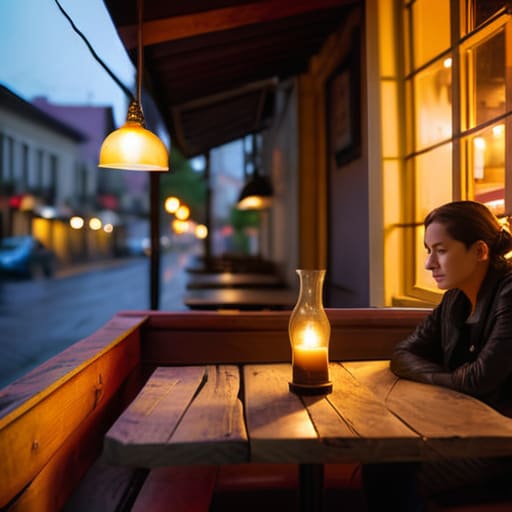
I still remember standing on a street corner in Lisbon three years ago, clutching a notebook that smelled faintly of damp pavement and roasted espresso, feeling utterly invisible. I had moved there with nothing but a suitcase and a vague plan, only to realize that knowing how to navigate a metro map is nothing compared to the crushing weight of not knowing anyone. Most travel blogs will tell you to join an expat meetup or download a social app, but that’s just a way to find more people who are just as lost as you are. If you’re actually looking for how to settle into a city where you know nobody, you don’t need a curated social calendar; you need to learn how to find your rhythm in the quiet, unscripted spaces between the landmarks.
I’m not here to give you a checklist of touristy “social hubs” that feel hollow the moment you leave. Instead, I want to share the messy, sensory, and deeply human ways I’ve learned to build a life from scratch. We’re going to talk about the power of the local market, the importance of becoming a “regular” at a single cafe, and how to listen to a city’s heartbeat until it finally feels like home.
Overcoming Loneliness After Moving Through Local Flavors

There’s a specific kind of silence that settles into a studio apartment when you realize you haven’t spoken a word out loud all day. It’s heavy, and it’s usually right around this time that the weight of overcoming loneliness after moving starts to feel less like an adventure and more like a chore. In those moments, I’ve learned that the kitchen—even if it’s just a single burner and a borrowed knife—is my anchor.
Instead of scrolling through social media, which only makes the isolation feel sharper, I head to the local butcher or the vegetable stall at the edge of the district. There is something inherently grounding about the ritual of selection: the weight of a ripe heirloom tomato, the scent of rosemary, the rhythmic chopping of garlic. These small, sensory tasks pull me out of my head and back into the physical world. More importantly, they serve as my first bridge toward finding community in a new location. You don’t need a grand social plan; sometimes, you just need to become a regular at the bakery, learning the baker’s nod or the way the morning light hits the flour dust, until you finally feel like you belong to the street you live on.
Making Friends in a New City via Shared Meals
There is a specific kind of magic that happens when you stop being a spectator and start being a participant at the table. I’ve found that the most organic way of finding community in a new location isn’t through awkward networking events or loud bars, but through the shared rhythm of a meal. I remember sitting in a tiny, sun-drenched osteria in Bologna, clutching my notebook, and realizing that the person next to me wasn’t just a stranger—they were a fellow enthusiast of the local seasonal artichokes.
If you are feeling hesitant, try looking for communal dining setups or cooking workshops. It’s one of the best ways to meet people as an adult because the focus isn’t solely on you; it’s on the ingredients, the technique, and the sensory experience. When you are both focused on the steam rising from a shared pot of risotto, the pressure to perform disappears. You aren’t just performing a social ritual; you are building a connection through something tangible. It turns the daunting task of making friends in a new city into something that feels as natural as a slow Sunday lunch.
Small Rituals for Finding Your Footing
- Become a regular at a single, unassuming coffee shop or bakery. There is a quiet magic in the way a barista starts to recognize your order, or how the morning light hits the same corner table every Tuesday. It turns a strange street into a predictable home.
- Let your curiosity lead you to the produce markets. Instead of browsing the supermarket aisles, wander through the stalls of a local market. Learning the names of seasonal vegetables and the specific way a vendor handles their citrus makes the city feel less like a map and more like a living thing.
- Carry a physical notebook, not just for thoughts, but for observations. When you sit in a park or a small bistro, write down what you see, hear, and—most importantly—what the air smells like. It forces you to be present in your new environment rather than retreating into your phone.
- Seek out the “third places” that aren’t centered around consumption. Look for community gardens, small independent bookstores, or neighborhood workshops. These are the spaces where people gather not because they have to, but because they want to be part of something tangible.
- Learn the rhythm of the neighborhood’s pantry. Figure out when the bread is freshest, when the evening market begins to wind down, and which small shops close early. Understanding these tiny, local patterns is the quickest way to stop feeling like a visitor and start feeling like a resident.
Finding Your Rhythm
At the end of the day, settling into a new place isn’t about mastering the subway map or memorizing every street name; it’s about finding the sensory anchors that make a foreign landscape feel like home. Whether you are navigating the initial sting of loneliness through the comfort of a familiar spice, or slowly building a community one shared plate at a time, you are doing the hard work of weaving yourself into the fabric of a new life. Remember that every local market stall and every quiet corner cafe is an invitation to belong. It takes patience, a bit of courage, and a willingness to be a stranger until you aren’t one anymore.
There will be mornings when the silence of a new apartment feels heavy, but I promise you, the magic is in the transition. The very moments that feel most isolating are often the ones where you are most open to discovery. Don’t rush the process of becoming a local; instead, lean into the curiosity that brought you here in the first place. Let the smells, the tastes, and the small, unscripted interactions guide you toward your new version of home. You aren’t just visiting a city anymore—you are finally learning how to live in it.
Sometimes, the hardest part isn’t finding the food, but finding the people who want to sit across the table from you. I’ve found that leaning into digital communities can act as a bridge while you’re still finding your footing physically. If you’re feeling a bit untethered, using a platform for local chat in region can be a lifeline for discovering who else is navigating the same streets and looking for a connection. It’s not about replacing the magic of a chance encounter in a bakery, but rather about building a foundation so you don’t have to face those first few quiet dinners all by yourself.
