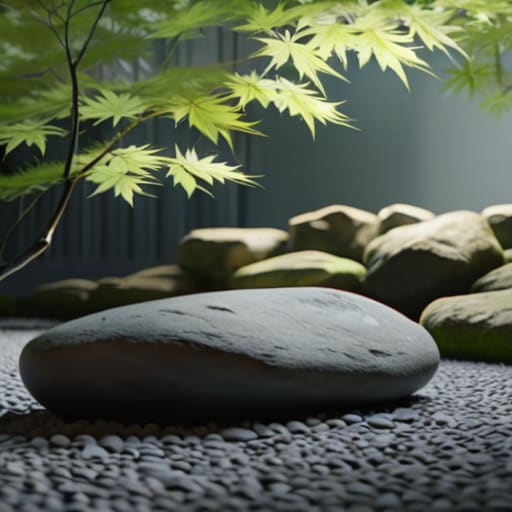
I remember sitting on the edge of a weathered wooden porch in Kyoto, the air smelling faintly of damp moss and cedar, watching a monk meticulously rake the gravel of a tiny neighborhood temple. There was no grand orchestra playing, no gift shop nearby—just the rhythmic scritch-scritch of the wooden rake and the heavy, grounding silence of the morning. Most travel guides will try to sell you on the idea that japanese zen gardens are these untouchable, spiritual masterpieces meant only for silent meditation, but that feels so disconnected from the reality of them. To me, they aren’t just aesthetic displays; they are living, breathing spaces that demand you actually show up and notice the small things.
I’m not here to give you a list of the most “Instagrammable” spots or the most expensive temple tours in the city. Instead, I want to share what I’ve learned from wandering through these quiet corners, focusing on how to actually experience the stillness without feeling like an intruder. We’re going to look past the tourist hype to find the genuine, quiet rituals that make these gardens so profound. My goal is to help you find your own moment of connection, one small, intentional stone at a time.
Table of Contents
Decoding the Symbolism and Meaning in Every Stone
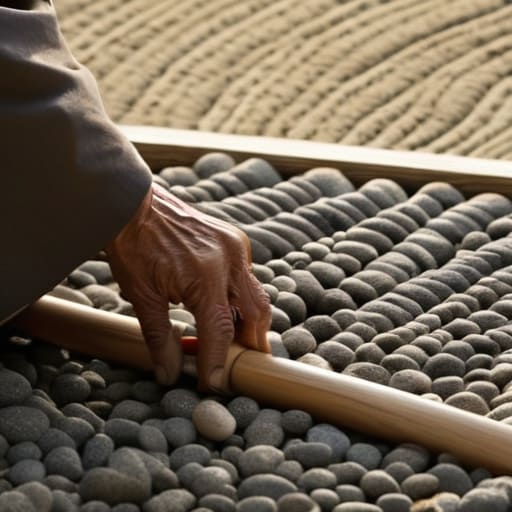
I remember sitting by a small temple in Ryoan-ji, watching an elderly monk meticulously work with a wooden rake. There was no rush in his movements, just a rhythmic, steady focus. It hit me then that the karensansui dry landscape design isn’t just about aesthetics; it’s a physical manifestation of a mental state. Every ripple in the gravel represents water, yet the garden remains perfectly still. This interplay between the perceived motion and the actual silence is where the magic happens.
When you look closer, you realize that the placement of the boulders isn’t accidental. These Japanese rock garden elements often represent islands in a vast sea or mountains rising through clouds, heavily shaped by Shinto and Buddhist garden influence. I found myself tracing the lines of the stones with my eyes, trying to understand the tension between the heavy, permanent rocks and the ephemeral, raked sand. It’s a lesson in balance—the idea that even in a landscape of stillness, there is a profound, underlying energy constantly at work.
How Shinto and Buddhist Garden Influence Shapes the Soul
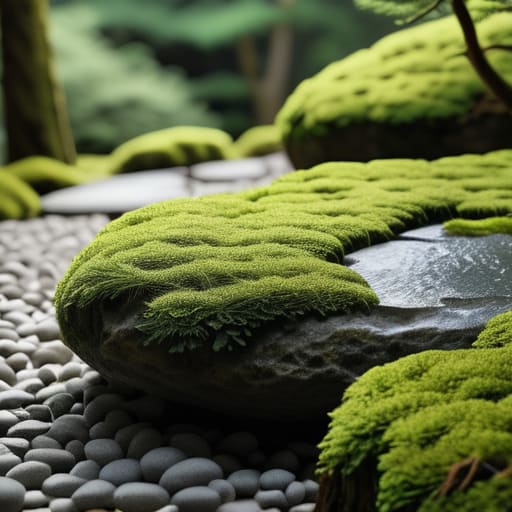
To truly understand these spaces, you have to look past the aesthetics and see them as living prayers. There is a profound tension between the two traditions that shapes everything you see. While Buddhist influence brought us the concept of karensansui dry landscape design—those meticulously composed scenes meant to provoke internal contemplation—it is the Shinto roots that ground the garden in the physical world. Shintoism finds the divine in the natural, in the moss clinging to a damp stone or the way light filters through a cedar branch. It’s a reminder that the sacred isn’t something far away; it’s right here, under our feet.
I remember sitting near a small shrine in Arashiyama, watching the way the garden seemed to breathe with the wind. You realize that the shinto and buddhist garden influence isn’t about choosing one over the other, but rather a marriage of the spiritual and the elemental. It’s about finding a sense of mindfulness through garden aesthetics, where the boundary between the person observing and the landscape itself begins to blur. In these quiet corners, you aren’t just looking at a garden; you are participating in a centuries-old dialogue with the earth.
How to Actually Experience a Zen Garden (Without Feeling Like a Tourist)
- Leave your phone in your bag. I know, it’s hard, but the moment you try to frame the perfect shot through a screen, you stop seeing the garden and start seeing a composition. Let your eyes wander instead.
- Find a spot on the wooden veranda of a nearby temple. Don’t just stand at the perimeter; sit. The perspective changes entirely when you’re low to the ground, watching how the light shifts across the raked gravel.
- Listen for the “empty” sounds. It’s not just about silence; it’s about the sound of wind moving through a single bamboo branch or the distant ring of a bell. These small noises are what make the stillness feel heavy and real.
- Notice the texture of the moss. In my travels, I’ve realized that a well-tended garden is a living thing. Look for the dampness, the deep greens, and the way the earth feels under the shade of a maple tree.
- Don’t rush to “understand” it. You don’t need to decode every single stone arrangement like a textbook. Sometimes, the best way to respect the space is to just sit there and let the stillness settle into your bones.
Carrying the Garden Home With You
It isn’t about the aesthetics or the perfect photo; it’s about learning to notice the intentionality behind small, quiet details in your own surroundings.
Understanding the history of these spaces allows you to move through them as a guest rather than just a spectator, turning a walk into a conversation.
True stillness isn’t something you find in a specific location, but a rhythm you cultivate by slowing down enough to actually see what’s right in front of you.
The Texture of Stillness
“I’ve spent years chasing the scent of spices in crowded markets, but there is a different kind of hunger you feel in a Zen garden—a craving for the silence that lives between the stones, where the only thing moving is your own breath.”
Anouk Verhoeven
Beyond the Raked Gravel
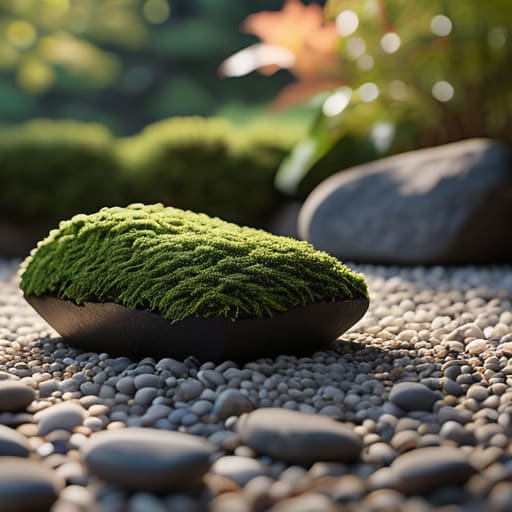
As I sat there, the scent of damp moss and old cedar settling around me, it became clear that these gardens are far more than just carefully curated landscapes. They are living lessons in intentionality. From the way a single, jagged stone can represent a mountain peak to the profound spiritual roots that dictate where every grain of sand falls, everything in a Zen garden serves a purpose. We’ve looked at how the interplay of Shinto and Buddhist philosophies shapes these spaces, and how every element acts as a silent language of symbolism. Ultimately, these gardens aren’t just meant to be looked at; they are meant to be read with the heart, offering a structured way to navigate the chaos of our own minds.
I often find myself looking for this kind of stillness in the middle of a bustling street market or a crowded train station, but the lesson of the Zen garden is that peace is a practice, not a destination. You don’t need a temple courtyard to find a moment of clarity. Sometimes, it’s as simple as noticing the way light hits a ceramic bowl or the rhythm of your own breathing amidst the noise. Whether you are standing in the heart of Kyoto or sitting in a quiet corner of your own kitchen, I hope you remember to look for the quiet beauty in the small, intentional details that make life feel grounded.
Frequently Asked Questions
Is it possible to incorporate the calming principles of a Zen garden into a small, modern apartment or a tiny balcony?
You don’t need an acre of raked gravel to find that sense of stillness. I’ve found that even in a cramped studio, you can mimic that intentionality. I keep a small, shallow wooden tray on my windowsill filled with fine sand and a few smooth river stones. There’s something incredibly grounding about using a tiny rake to create patterns after a chaotic day in the city; it’s a miniature ritual that brings the garden’s soul indoors.
How do I tell the difference between a garden designed for public viewing and one meant for private, meditative use?
It’s all in the scale and the sensory details. Public gardens often feel like a performance—wide paths, clear signage, and a sense of being “on display.” You’re an observer there. But in a private, meditative space, the garden feels like a conversation. The paths are tighter, perhaps even a bit uneven, forcing you to slow down and watch your step. It’s less about seeing everything at once and more about the quiet, singular moment.
Do these gardens change significantly with the seasons, or is the beauty meant to be constant and unchanging?
It’s a bit of both, really. While the arrangement of the stones and the structure of the garden are meant to feel eternal—like a landscape frozen in time—the atmosphere shifts completely with the seasons. I’ve sat in these gardens during a heavy spring rain, watching the moss turn a vivid, electric green, and then again in the biting winter when a dusting of snow makes everything feel silent and stark. The bones stay the same, but the soul of the garden breathes with the year.
