
I’ve spent the better part of my twenties chasing the scent of star anise and toasted chilies through humid alleyways, often realizing that the most profound cultural connections don’t happen in air-conditioned lobbies, but in the steam of a roadside stall. There’s a common misconception that seeing the world requires a massive savings account, but I’ve found that the richest experiences often come from the most modest budgets. Navigating the sheer volume of options can feel overwhelming, yet finding truly affordable destinations in southeast asia shouldn’t mean sacrificing the soul of your journey for a cheap bed. It’s about knowing where to look so you don’t end up in a sanitized tourist bubble that tastes like nothing at all.
In this post, I’m stepping away from the polished guidebook recommendations to share five places where your money actually buys you a seat at the table. I’ve curated this list based on where I’ve felt the most grounded, from the chaotic energy of local markets to the quiet charm of family-run eateries. You’ll discover five specific spots that offer unmatched cultural depth without the heavy price tag, helping you travel a little deeper and a lot more authentically.
Table of Contents
The Hum of Luang Prabang
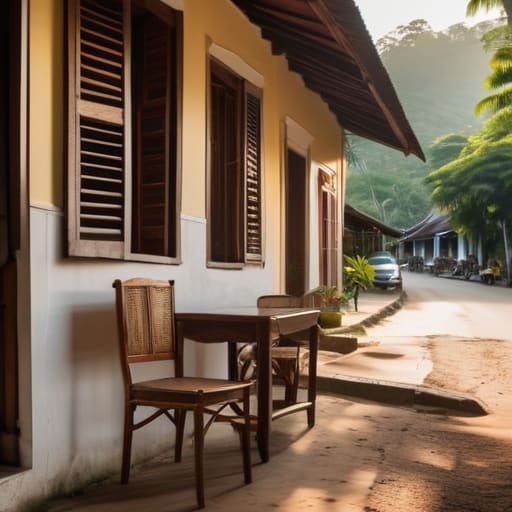
There is a specific kind of stillness in Luang Prabang that I haven’t found anywhere else in Laos. It’s not a heavy silence, but rather a soft, rhythmic hum composed of morning alms ceremonies and the distant splash of the Mekong. I spent most of my Tuesday sitting in a small, shaded cafe near the night market, watching the light change on the colonial-style buildings. It’s the kind of place where you don’t feel the need to rush, which is a rare luxury when you’re living out of a single backpack.
Chaos and Comfort in Chiang Mai
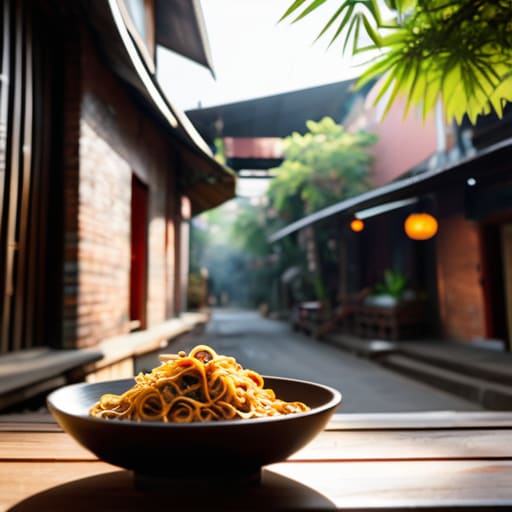
If Luang Prabang is a deep breath, Chiang Mai is a sudden, exhilarating burst of energy. I arrived here with a slightly overwhelmed mind, but the city has a way of grounding you through its sheer sensory abundance. The old city walls hold so much history, but I find myself more drawn to the small, unnamed alleys where the smell of toasted garlic and chilies seems to cling to the very air. It’s a city that rewards the curious wanderer who isn’t afraid to get a little lost.
Coastal Rhythms in Hoi An
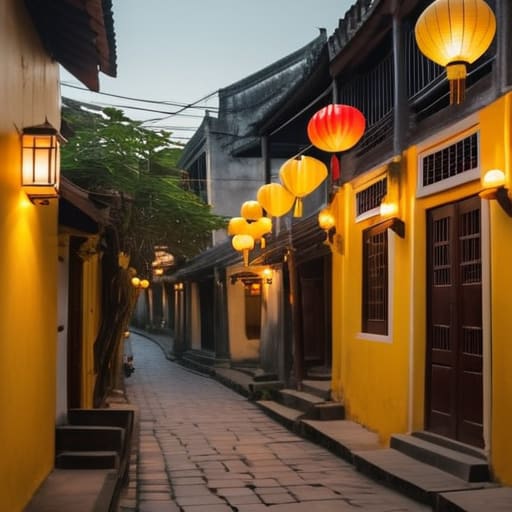
There is a golden, hazy quality to the light in Hoi An that makes me reach for my analog camera almost instinctively. The town feels like it’s suspended in time, with its mustard-yellow walls and the endless stream of silk lanterns glowing at dusk. While many travelers flock to the beach resorts, I prefer to stay within the old town, where the rhythm of daily life is dictated by the ebb and flow of the river and the morning markets.
The Soul of Yogyakarta
I wasn’t expecting to fall so deeply in love with Yogyakarta, but there is a profound, soulful energy here that is impossible to ignore. It’s the cultural heartbeat of Java, and unlike the more manicured tourist hubs, it feels unapologetically real. I spent my mornings wandering through the markets, recording the earthy scent of cloves and damp stone, feeling more like a participant in the city than a mere observer.
Island Life in Koh Rong Samloem
Sometimes, the best way to find yourself is to lose the signal. I headed to Koh Rong Samloem to escape the digital noise, seeking a version of Cambodia that felt more connected to the sea. There are no massive shopping malls or sprawling nightlife districts here; instead, you have soft white sand, turquoise water, and a gentle, unhurried pace. It’s the kind of place where your only schedule is determined by the tides and the position of the sun.
The Real Soul of Southeast Asia
Forget the curated resort guides; the true essence of these places is found in the steam of a street-side noodle stall and the shared rhythm of a crowded morning market.
Traveling on a budget isn’t about deprivation, it’s about choosing local authenticity over polished convenience to see how food actually connects a community.
The best way to navigate these destinations is to follow your senses—the smells, the textures, and the small, unscripted moments that a guidebook could never capture.
Beyond the Price Tag
“We often mistake ‘affordable’ for ‘cheap,’ but in Southeast Asia, the real value isn’t found in how little you spend; it’s found in those moments where a few coins buy you a seat at a family’s table and a window into a way of life that no luxury resort could ever replicate.”
Anouk Verhoeven
Beyond the Itinerary
Looking back at these five corners of Southeast Asia, it’s easy to get lost in the logistics of bus schedules and exchange rates. But whether you’re navigating the fragrant, spice-heavy air of a Vietnamese market or finding quietude in a small Thai village, the real value isn’t found in how much you save. It’s in the realization that true connection doesn’t require a massive budget; it just requires a willingness to sit down, be present, and eat what the locals eat. From the bustling streets of Laos to the hidden gems of Indonesia, these destinations prove that the most profound cultural exchanges often happen over the simplest, most affordable meals.
As I pack my notebook and check my film rolls for the next leg of my journey, I’m reminded that travel isn’t about checking off a list of famous landmarks. It’s about those unplanned, messy, and beautiful moments that happen when you step off the beaten path. Don’t wait until you have a perfect savings account to see the world. The world is much more approachable than we often let ourselves believe. So, grab your bag, follow the scent of lemongrass and charcoal, and go find your own story in the steam of a street-side stall.
Frequently Asked Questions
How do I balance staying on a budget without missing out on the local food experiences that make these places special?
The secret is to stop looking at menus and start looking at the crowds. If you see a line of locals huddled around a tiny stall, get in it. That’s where the real magic—and the best prices—live. I always skip the restaurants with English menus and heavy lighting. Instead, I save my budget by eating street food for lunch and finding a small, family-run hole-in-the-wall for dinner. Follow the scent, not the signage.
Are there specific seasons I should avoid to ensure I'm not paying premium prices for accommodation or getting stuck in monsoon weather?
It’s a delicate dance between your wallet and the clouds. Generally, avoid the peak dry seasons—like December through February—if you’re trying to dodge inflated hotel rates and crowds. However, the real headache is the monsoon. In places like Thailand or Vietnam, try to steer clear of the heavy rains from July to September; there’s nothing quite as soul-crushing as being trapped in a tiny guesthouse while a deluge turns the streets into rivers.
How much should I actually set aside for daily "hidden" costs like transport between small towns and market snacks?
Honestly, I’ve learned the hard way that the “big” expenses like flights are the easy part to track. It’s the little things—the grab-and-go mango sticky rice, a sudden motorbike taxi to a remote village, or a small fee for a local ferry—that add up. I usually set aside an extra $15–$20 a day just for these “in-between” moments. It’s the price of spontaneity, and trust me, it’s worth it.
