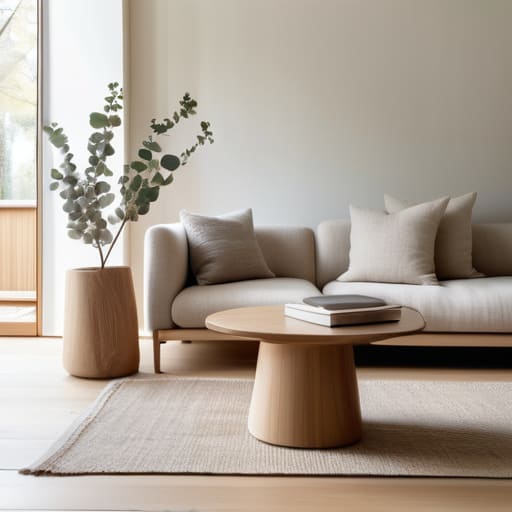
I remember sitting in a tiny, drafty kitchen in Malmö last November, watching the light fade into a bruised purple over the cobblestones. There was no expensive designer furniture in sight—just a chipped ceramic mug, a heavy linen napkin, and the scent of toasted rye bread filling the air. It hit me then that most people completely misunderstand scandi style; they treat it like a high-end showroom checklist of white bouclé chairs and overpriced minimalist lamps. To me, that’s not design, that’s just expensive emptiness. Real Nordic living isn’t about how much you can strip away, but about how much warmth you can keep when the sun disappears for six months.
I’m not here to sell you on a specific brand or a curated catalog of “must-have” items that will look dated by next season. Instead, I want to share what I’ve gathered from living out of a suitcase and wandering through small, local design workshops across Northern Europe. We’re going to look past the Instagram filters to find the functional soul of the movement. I’ll show you how to build a space that feels grounded, honest, and—most importantly—actually feels like home.
Table of Contents
Embracing Scandinavian Interior Design Principles for Daily Rituals
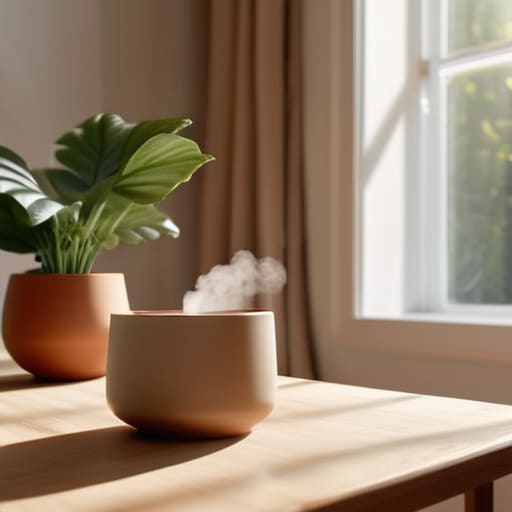
For me, designing a space isn’t about following a strict set of rules found in a magazine; it’s about how a room holds your morning coffee or how the light hits your desk at 4:00 PM. When I look at scandinavian interior design principles, I don’t see a checklist of expensive items. Instead, I see a way to protect our headspace. It’s about using minimalist furniture arrangements to clear the physical clutter so your mind has room to breathe. If your table is covered in things you don’t need, you’ll never truly settle into the stillness of a quiet morning.
I’ve found that the most grounding way to bring this feeling home is through the tactile. I tend to lean heavily on natural textures in home styling—a heavy linen throw, a rough ceramic bowl, or a reclaimed wood stool. These elements invite you to slow down and actually feel your environment. It’s less about the “look” and more about the sensory experience of living. When your surroundings are simple and intentional, even the smallest daily rituals, like lighting a single candle, feel like a profound act of self-care.
The Warmth of Natural Textures in Home Styling
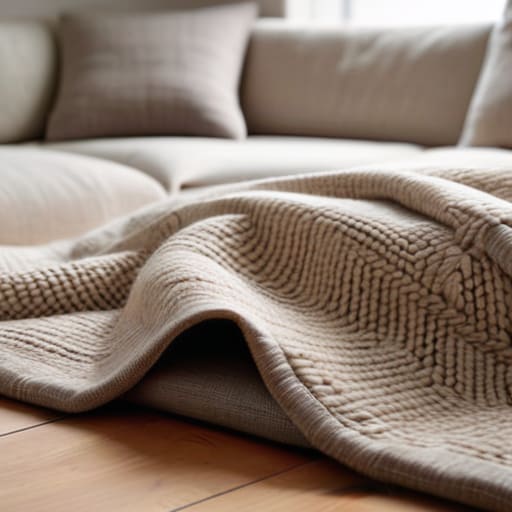
I’ve always found that a room can look perfect on paper but feel utterly cold in person. When I was working in museums, I noticed how certain spaces felt “hushed” or even sterile, despite being beautiful. To avoid that in my own small apartments, I lean heavily into natural textures in home styling. It’s the difference between a flat, mass-produced surface and the tactile honesty of a hand-woven linen throw or a chunky wool rug. These elements break up the clean lines of minimalist furniture arrangements, adding a layer of sensory depth that makes a space feel lived-in rather than just displayed.
When I’m looking for scandi style bedroom inspiration, I rarely look at glossy magazines. Instead, I think about the way sunlight hits a raw wooden bedside table or the weight of a heavy cotton quilt. It’s about creating a landscape of touch. By layering materials like jute, light oak, and stone, you ground the room. This approach ensures that even when you’re working with neutral color palettes for living rooms, the space never feels washed out or empty, but rather intentionally soft and welcoming.
Small Shifts to Bring the Scandi Feeling Home
- Don’t aim for perfection; look for “lived-in” simplicity. Instead of buying a matched set of everything, try picking up a single, well-crafted ceramic bowl from a local potter. It’s that slight imperfection that makes a space feel human rather than like a showroom.
- Let the light do the heavy lifting. In the places I’ve traveled, especially during those long, grey Nordic winters, people don’face the darkness—they invite the light in. Swap heavy, dark curtains for sheer linen that lets the morning sun filter through, even if it’s just a pale, wintry glow.
- Curate your surfaces rather than cluttering them. I’ve learned that a single branch in a glass vase or a stack of well-loved books tells a much better story than a shelf full of knick-knacks. Leave some breathing room on your tables; it gives your mind room to rest, too.
- Bring the outside in, but keep it seasonal. This isn’t about permanent plastic greenery; it’s about the seasonal rhythm. A handful of dried wildflowers in autumn or a simple sprig of pine in the winter connects your indoor sanctuary to the world moving outside your window.
- Prioritize tactile comfort over visual trends. When I’m choosing textiles, I don’t ask if they look “on trend”—I ask how they feel against my skin. A heavy wool throw or a smooth cotton cushion makes the act of sitting down and just being feel like a deliberate, cozy ritual.
Small Shifts for a More Intentional Space
Focus less on the “look” of minimalism and more on the feeling of it; it’s about clearing enough physical space so your mind can actually breathe.
Prioritize tactile, honest materials like unfinished wood or heavy linen—the kind of textures that tell a story every time you touch them.
Design your home around your daily rhythms, ensuring that even the simplest tasks, like making morning coffee, feel like a grounded, quiet ritual.
More Than Just Minimalism
For me, Scandi style isn’t about stripping a room of its soul to achieve a perfect, sterile aesthetic; it’s about clearing away the noise so you can finally notice the way the morning light hits a ceramic bowl or the quiet comfort of a well-worn linen throw.
Anouk Verhoeven
Beyond the Aesthetic
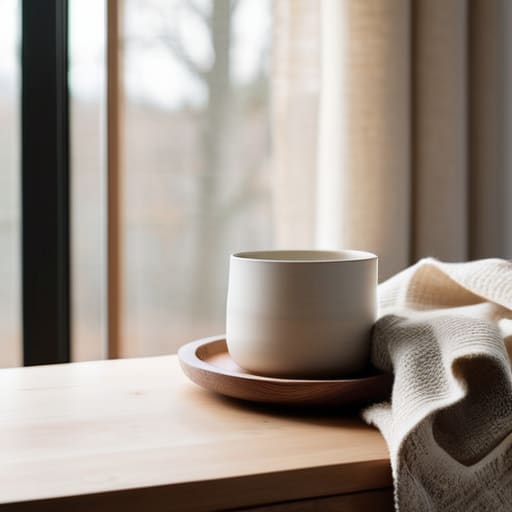
At the end of the day, Scandi style is so much more than just choosing the right shade of oatmeal or buying a piece of light oak furniture. It’s about the intentionality we bring to our most basic habits—the way we honor a morning coffee ritual or how we surround ourselves with materials that actually feel good to the touch. By focusing on functional simplicity and the warmth of natural textures, we aren’t just decorating a room; we are building a sanctuary that supports our well-being. It is about stripping away the excess to make room for what truly matters, ensuring our homes serve as a grounding force in an increasingly loud and cluttered world.
As I pack my bags for my next destination, I often find myself looking at how different cultures cultivate a sense of “home” within their walls. Whether it’s a sun-drenched apartment in Stockholm or a tiny kitchen in a coastal village, the essence remains the same: we thrive when our spaces reflect our values. I hope you find your own version of this balance, one that doesn’t require a designer’s budget but rather a mindful eye. Don’t worry about perfection or following every trend you see online. Just focus on creating a space that feels like a soft place to land, where every object tells a story of quiet contentment.
Frequently Asked Questions
How can I achieve that cozy, lived-in Scandi feeling without my home feeling too cold or clinical?
It’s a fine line to walk. To keep things from feeling like a sterile showroom, I always lean into “imperfect” layers. Don’t just buy a sleek white sofa; drape a chunky, hand-knit wool throw over it. Mix in some lived-in elements—a stack of well-loved cookbooks, a few mismatched ceramic mugs, or even a stray dried flower from a market trip. It’s those small, tactile imperfections that turn a house into a home.
Is it possible to incorporate Scandi design principles if I live in a small, cluttered apartment rather than a spacious one?
Honestly, I think small, cluttered spaces are actually where Scandi principles shine most. It’s not about having a sprawling loft; it’s about intention. When I’m staying in tiny studios in Stockholm, I focus on “editing” rather than “emptying.” Try to find one beautiful, functional object to replace three plastic ones, and let the light do the heavy lifting. It’s about creating breathing room for your mind, even if the floor space is tight.
Where can I find authentic, sustainable pieces that fit this aesthetic without falling into the trap of mass-produced fast furniture?
I’ve learned the hard way that those flat-pack, mass-produced pieces rarely hold the soul a home needs. For me, it’s about the hunt. I look for local artisans or small-scale makers on platforms like Etsy, or better yet, I scour secondhand markets for mid-century finds that just need a little love. Buying vintage isn’t just sustainable; it ensures your space has a history, much like the weathered wooden tables I find in coastal villages.
