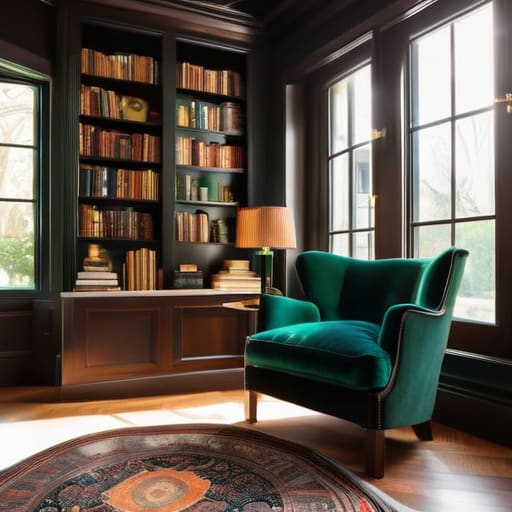
I remember sitting on a floor in a dusty, sun-drenched apartment in Lisbon, surrounded by stacks of used paperbacks that smelled of vanilla and old cedar. I wasn’t looking at a curated, Pinterest-perfect shelf; I was just trying to find a way to make my transient life feel rooted. We often fall into the trap of thinking a home library needs to be this grand, architectural statement—a sprawling mahogany fortress that demands a dedicated wing of a house. But for those of us who live between cities and seasons, that idea feels more like a museum exhibit than a living, breathing part of a home.
I’m not here to sell you on expensive built-ins or color-coded spines that look pretty but feel hollow. Instead, I want to talk about how you can build a space that actually serves your curiosity. I’ll be sharing my own unfiltered approach to gathering books, from sourcing secondhand treasures in local markets to organizing a collection that grows organically with you. This isn’t about decor; it’s about creating a sanctuary for your thoughts that fits exactly where you are right now.
Table of Contents
Small Space Library Solutions for Intimate Corners
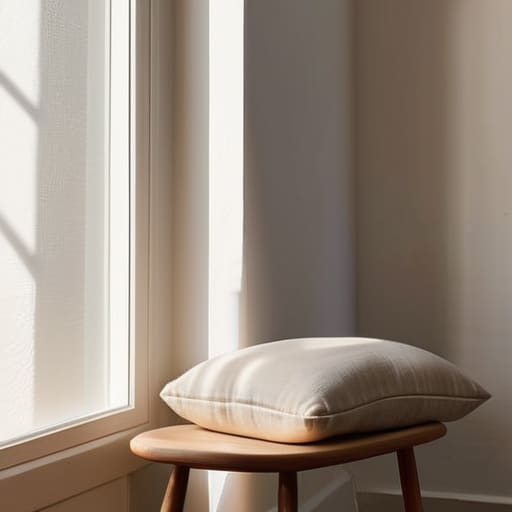
When I was living in that tiny studio in Lisbon, I realized that you don’t need a grand, mahogany-lined hall to house your stories. Sometimes, the most profound collections live in the smallest gaps. I found that the secret to small space library solutions isn’t about finding more floor space, but about looking upward. Using floating shelves tucked near a window or even a narrow corner can turn a neglected sliver of a room into a sanctuary. It’s about making the books part of the architecture rather than just objects sitting on top of it.
For those of us living in more compact quarters, creating cozy reading nook ideas often comes down to the interplay of light and texture. I love a single, well-placed floor lamp that casts a warm glow over a stack of well-worn paperbacks, making the corner feel intentional rather than cramped. It doesn’t matter if you only have room for twenty books; if they are placed with care, they create a sense of groundedness that makes even the smallest apartment feel like a permanent home.
Built in Bookcase Design as a Soulful Anchor
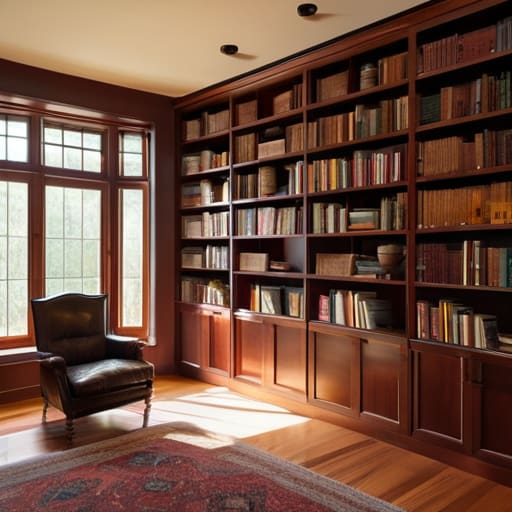
There is something fundamentally permanent about a built-in bookcase design that a freestanding shelf just can’t replicate. While portable units feel like they might shift or change with your next move, a built-in feels like it grew right out of the walls, becoming part of the home’s very skeleton. To me, these structures act as a soulful anchor; they aren’t just storage, but a way of mapping out your intellectual history directly into the architecture of your living space.
When I’m working from a new rental, I find myself looking for those architectural nooks that invite a bit of intentionality. A well-integrated shelf allows for more sophisticated aesthetic bookshelf styling, where you can intersperse heavy hardbacks with small, meaningful objects—perhaps a ceramic bowl from a market in Oaxaca or a stray piece of driftwood. It transforms the act of organizing book collections from a chore into a slow, meditative curation. By grounding the room with these fixed elements, you create a sense of stillness that makes even the most transient apartment feel like a true sanctuary.
The Small Rituals of Curating a Living Collection
- Don’t aim for perfection; leave room for the “active” books. A library shouldn’t feel like a museum of things you’ve already finished, but a breathing map of what you are currently thinking about. Keep a small stack on a side table for the books that are currently being lived in.
- Think about the light, not just the shelves. I’ve learned the hard way that reading in a beautiful room is useless if the light is harsh or clinical. Aim for soft, directional light—the kind that makes a reading nook feel like a sanctuary rather than a study hall.
- Let your senses lead the way. A real library isn’t just visual. It’s the texture of a linen spine, the weight of a heavy hardcover, and yes, even the specific, comforting scent of aging paper. Choose materials for your furniture that feel grounded and tactile, like worn wood or velvet.
- Integrate your history into the shelves. A home library is a biography in paper form. Don’t be afraid to intersperse your books with the small, non-literary treasures you’ve gathered along the way—a stone from a coastal path, a pressed flower, or a ceramic bowl from a village market.
- Prioritize the “pause” over the “storage.” When designing your space, ask yourself where you will actually sit to breathe. A library is more than a collection of data; it is a dedicated space for the quiet, slow moments that allow us to actually process what we read.
The Heart of the Home: What a Library Truly Offers
A personal library isn’t just a storage solution for paper and ink; it is a living map of your intellectual and emotional history, anchoring a room with the quiet weight of the stories that shaped you.
Whether you are working with a sprawling built-in or a single, sun-drenched corner, the goal is to create a sanctuary that prioritizes the sensory experience—the texture of the spines, the scent of aging paper, and the stillness of a dedicated space.
Designing a library should be an act of curation rather than mere organization, focusing on how the arrangement of books can reflect your personal journey and turn a functional room into a soulful retreat.
The Sensory Weight of a Shelf
A home library is never just about the organization of paper and ink; it’s about the way a room holds the scent of old bindings and the quiet, lingering presence of every world you’ve ever traveled through without ever leaving your chair.
Anouk Verhoeven
The Living Library
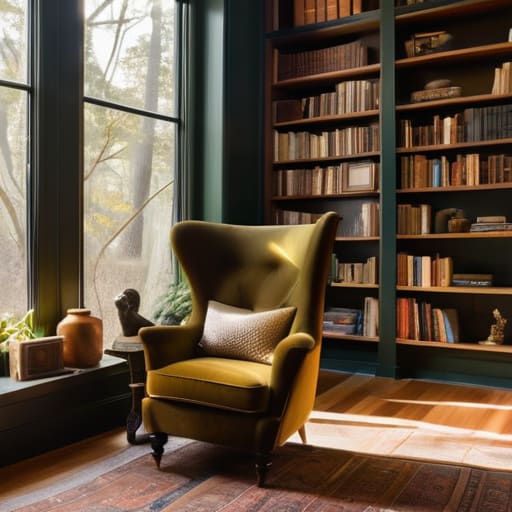
Whether you are carving out a sanctuary within a tiny studio apartment or designing a grand, built-in centerpiece that serves as the home’s heartbeat, a library is never truly finished. It isn’t just about the clever use of vertical space or the architectural lines of a custom shelf; it is about the way these structures hold our histories. From the intimate corners that offer a momentary escape to the soulful anchors that ground a room, each design choice is a step toward creating a space that reflects who you are. A library should be as fluid and evolving as the stories held within its pages, moving from a mere collection of objects to a functional piece of your identity.
Ultimately, I’ve learned through my travels that the most beautiful spaces aren’t the ones that look like a museum catalog, but the ones that feel lived-in. Your home library shouldn’t be a static display of perfect spines; it should be a messy, breathing testament to your curiosity. Let the dust settle on the books you’ve already mastered and leave room for the new ones that will change your mind next year. In the end, we don’t just build libraries to organize our shelves—we build them to cultivate a sense of belonging in a world that is always moving.
Frequently Asked Questions
How do I choose lighting that makes a reading nook feel cozy without sacrificing the practical need to actually see the text?
It’s a delicate balance, isn’t it? I always think of lighting like seasoning; too much and you lose the mood, too little and the experience falls flat. For a nook, I swear by layering. Use a warm, dimmable ambient light to set the soul of the room, but pair it with a dedicated, directional task lamp. Aim for a soft, focused glow right over your shoulder—it protects your eyes without breaking the spell.
Is there a way to organize a collection so it feels like a curated part of the home rather than just cluttered shelving?
The trick is to stop thinking of your books as a mass to be managed and start seeing them as objects with their own rhythms. I like to mix in “breathing room”—a small ceramic bowl, a piece of driftwood, or a framed sketch. Grouping by spine color can feel a bit too staged for me; instead, I organize by the mood they evoke. It turns a shelf into a landscape rather than just a storage unit.
What are some ways to incorporate tactile elements, like old rugs or worn armchairs, to make a library feel lived-in rather than just decorative?
To me, a library shouldn’t feel like a showroom; it should feel like a hug. I always lean into textures that have a history. Laying down a faded, hand-woven rug or tucking a worn velvet armchair into a corner changes the entire energy. It’s about those tactile imperfections—the way a soft, frayed edge feels underfoot or how a leather seat molds to your shape. It turns a room into a sanctuary.
