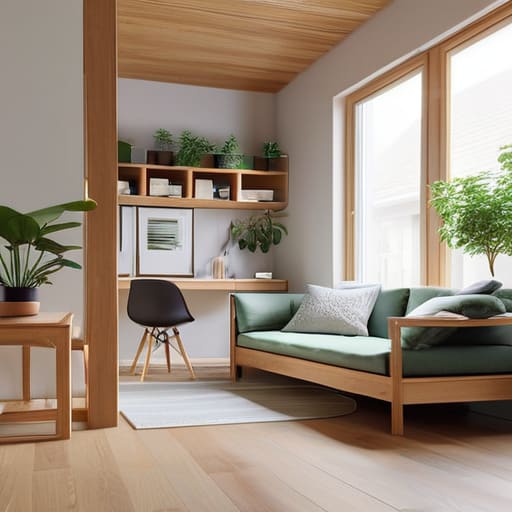
I remember sitting on the floor of a studio in Lisbon last autumn, the smell of toasted sourdough and damp stone drifting through my open window, trying to figure out where my life could possibly fit. I had three suitcases, a collection of film cameras, and a single, mismatched wooden chair, yet I felt completely overwhelmed by the sheer friction of my surroundings. We’ve been sold this lie that small apartment living requires a curated, beige-toned museum existence where every object is a sculptural masterpiece. But let’s be honest: most of us aren’t living in a lifestyle magazine; we are just trying to find enough counter space to chop an onion without knocking over our coffee.
I’m not here to sell you on expensive, minimalist organizers that look pretty but serve no purpose. Instead, I want to talk about how to make a cramped space actually work for the way you live, eat, and breathe. I’ll be sharing the messy, practical realities of carving out a sanctuary when your square footage is limited, focusing on intentionality over aesthetics. We’re going to look at how to keep your soul in the room without letting the clutter swallow you whole.
Table of Contents
The Quiet Joy of Decluttering Small Homes
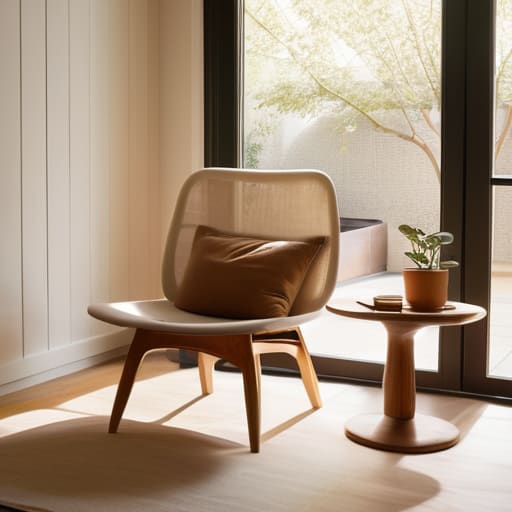
There is a specific kind of clarity that comes when you finally stop fighting against your own four walls. When I first moved into my current studio, I felt like I was constantly tripping over my own life—too many books, too many half-finished projects, too much noise. I realized that decluttering small homes isn’t just about cleaning; it’s about deciding what actually deserves to occupy your mental and physical space. It’s a slow, almost meditative process of deciding what tells a story worth keeping and what is just taking up room.
I’ve learned to stop looking for more floor space and start looking up. Instead of letting things pile up on every flat surface, I’ve leaned heavily into vertical storage solutions, like floating shelves that hold my ceramics without crowding my workspace. It changes the energy of the room. When you clear the visual clutter, you finally have the breathing room to actually enjoy the quiet moments—like sipping a coffee while the morning light hits a single, well-placed vase. It’s about making room for the life you actually want to live.
Minimalist Decor for Small Spaces and Slow Living
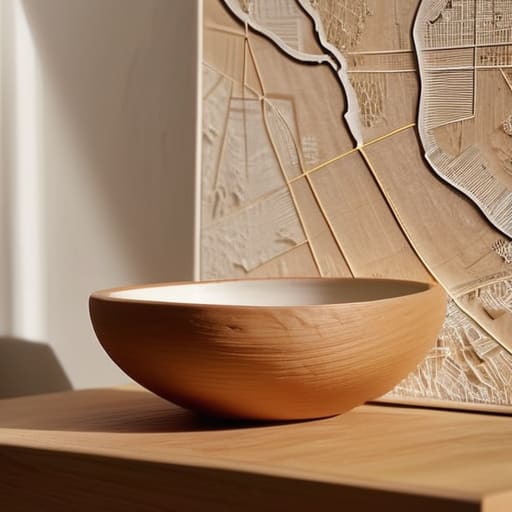
When I move into a new space, I try not to bring a museum’s worth of things with me. Instead, I look for pieces that feel intentional. I’ve learned that minimalist decor for small spaces isn’t about living in a sterile white box; it’s about choosing objects that actually have a pulse. I might hang a single, weathered map from a city that changed me, or place a ceramic bowl I found in a seaside market on a bare wooden table. These items don’to just fill a void; they anchor the room.
The real trick to maintaining that sense of calm is being smart about how things occupy the air around you. Since I’m usually working from a corner of my living room, I rely heavily on vertical storage solutions to keep my notebooks and camera gear from swallowing my desk. I’ve also become a devotee of multifunctional furniture ideas, like a sturdy trunk that serves as both a coffee table and a place to hide my seasonal linens. It’s about creating a landscape that breathes, allowing the room to feel less like a storage unit and more like a sanctuary.
Finding the Rhythm in a Tight Space
- Invest in furniture that works as hard as you do; I’ve found that a sturdy wooden table which doubles as a workspace and a dinner spot saves so much mental clutter.
- Let your walls do the heavy lifting, but keep it intentional—hanging a single, meaningful landscape photograph creates depth without making the room feel like it’s closing in on you.
- Shop your own kitchen for multi-purpose tools, because in a small studio, a single heavy cast-iron skillet is worth more than a drawer full of specialized gadgets you’ll never use.
- Use textiles to define your zones, like a soft linen rug to separate the sleeping nook from the living area, creating a sense of “rooms” without the need for actual walls.
- Embrace the seasonal rotation, just like I do with my wardrobe, by tucking away heavy winter blankets and bulky items in slim bins when the light changes and the air turns warm.
Making Room for What Matters
Treat your belongings like a curated collection rather than a stockpile; if an object doesn’t serve a purpose or hold a meaningful story, it’s just taking up precious mental and physical space.
Prioritize multi-functional pieces that work hard for you, much like a well-loved travel kit, to ensure your home feels intentional rather than cramped.
Focus on the sensory experience of your space—the way light hits a corner or the scent of a single candle—to create a sense of expansiveness that square footage alone can’t provide.
The Soul of the Square Footage
Living in a tiny studio feels a lot like a crowded market stall—you learn to find the beauty in the squeeze and keep only the things that actually tell a story.
Anouk Verhoeven
Finding the Heart of the Home
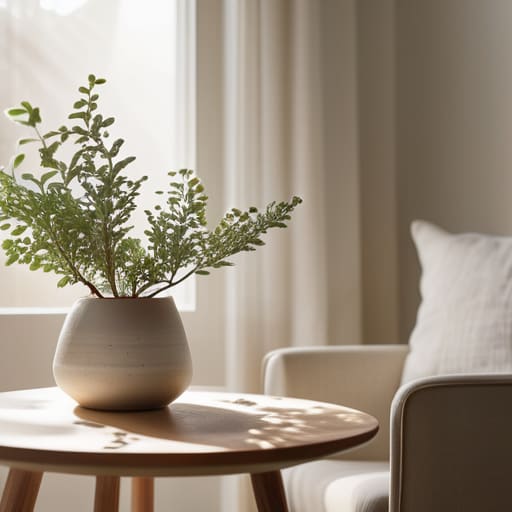
Ultimately, living in a small space isn’t about what you’re forced to give up, but about what you choose to keep. We’ve talked about the mental clarity that comes from decluttering and how a few intentional, minimalist pieces can turn a cramped room into a sanctuary. It’s a shift from seeing square footage as a limitation to seeing it as a curated canvas. When we stop trying to fill every empty corner with “stuff,” we finally leave enough room for the things that actually matter—the steam rising from a morning cup of coffee, the light hitting a single ceramic vase, or the space to simply breathe.
I’ve learned through years of moving between different cities that a home shouldn’t be a museum of things we once owned, but a living, breathing reflection of who we are right now. Whether you are in a tiny studio in Berlin or a sun-drenched flat by the coast, your space should serve your soul, not your clutter. Don’t be afraid of the empty spaces; they are often where the most meaningful moments happen. After all, a home is less about the walls that surround us and more about the quiet intention we bring to the life we lead inside them.
Frequently Asked Questions
How do you keep a tiny kitchen from feeling chaotic when you're actually trying to cook real, seasonal meals?
I’ve learned that a tiny kitchen only feels chaotic when you try to cook like you have a chef’s pantry. I keep my counters clear of everything except what I’m using right now—usually just a heavy wooden board and a single sharp knife. I rely on “mise en place” as a way of life; prepping my seasonal vegetables in small bowls before I even turn on the heat keeps the madness at bay.
Are there ways to make a small space feel more like a home and less like a temporary transit lounge?
It’s easy to let a small place feel like a hotel room, especially when you’re moving frequently. To stop the “transit lounge” feeling, focus on sensory anchors. Bring in things that carry history—a worn ceramic bowl from a market in Oaxaca or a stack of well-loved cookbooks. Even a single, fragrant herb plant on a windowsill can ground you. It’s about layering textures and scents that make the space feel lived-in, not just occupied.
How do you balance the need for functional minimalism with the desire to keep meaningful objects and souvenirs from your travels?
I’ve learned to treat my belongings like a curated museum exhibit rather than a storage unit. I don’t keep every ceramic bowl from a market in Oaxaca; I choose the one that feels right in my hands. If a souvenir doesn’t spark a specific sensory memory—like the smell of rain on a cobblestone street—it doesn’t earn a spot on my shelf. I prioritize objects that serve a purpose and tell a story.
