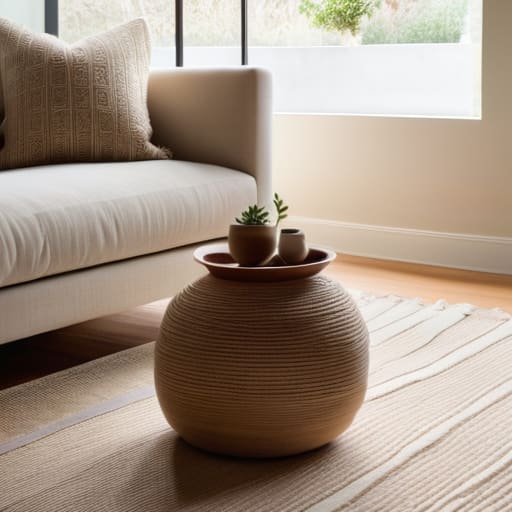
I remember sitting on the floor of a tiny, sun-drenched apartment in Marrakech, my fingers tracing the coarse, honest wool of a hand-knotted Berber piece. There was no showroom lighting or polished marketing fluff there—just the smell of cedarwood and the tactile reality of something made to last. It made me realize how much we get wrong about rug selection in our rush to follow fleeting interior design trends. We’ve been conditioned to believe that a rug has to be a high-priced status symbol or a perfectly matched centerpiece, but that’s a hollow way to build a home.
I’m not here to sell you on expensive labels or tell you that your space is “incomplete” without a specific brand. Instead, I want to share what I’ve learned from years of wandering through local markets and living out of a suitcase: how to find pieces that actually hold a story. This guide is my personal, no-nonsense approach to rug selection, focusing on texture, durability, and soul. I’ll help you cut through the retail noise so you can choose something that feels less like a purchase and more like a discovery.
Table of Contents
Natural vs Synthetic Fibers Choosing the Life Within the Threads
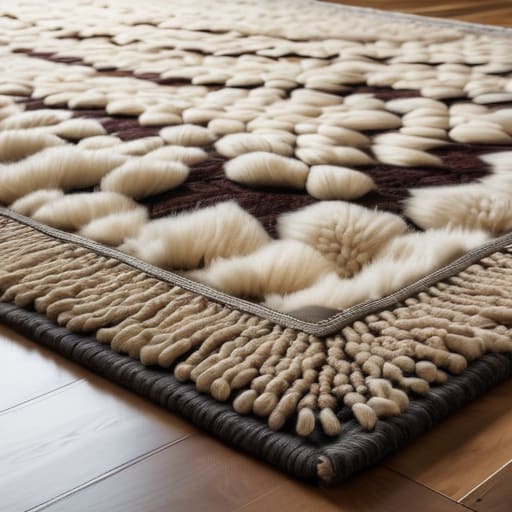
When I was working in museums, I spent hours studying the way light hits different textiles. There is a profound, almost tactile difference between a piece made from the earth and one made in a lab. When you are weighing natural vs synthetic fibers, you aren’t just looking at a price tag; you are deciding on the energy of your space. Wool, jute, or silk carry a certain unpredictable warmth—they age with a grace that mimics a well-traveled life. They breathe, they settle, and they tell a story through their slight imperfections.
On the other hand, synthetic options like polypropylene offer a different kind of utility. They are the workhorses of the home, often chosen for their sheer rug material durability in high-traffic areas where spills are an inevitability rather than an accident. While they might lack the soulful depth of a hand-knotted wool piece, they provide a reliable, easy-to-clean canvas. I find that the choice usually comes down to how you intend to live: do you want a piece that evolves alongside you, or something that simply stands up to the chaos of daily life?
Rug Pile Height Guide Softness for Quiet Everyday Moments
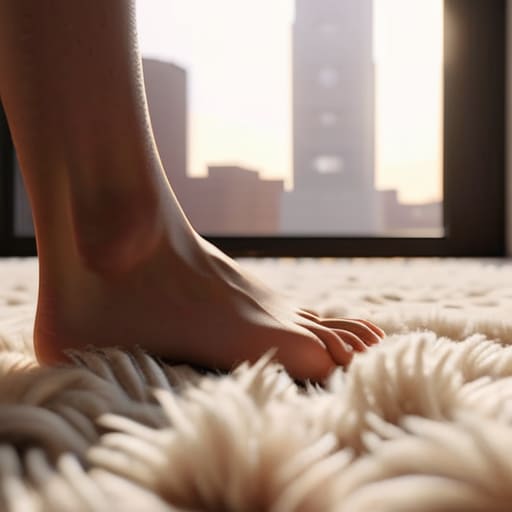
When I’m setting up a temporary workspace in a new city, the first thing I notice is how a room sounds. A bare floor echoes, making a space feel hollow and transient. This is where the texture of your floor changes everything. If you’re looking for a sense of stillness, a high-pile rug acts like a sound dampener, absorbing the frantic energy of a busy street outside. It’s that plush, sinking feeling under your feet that makes a room feel grounded and permanent, even if you’re just passing through.
However, there is a practical side to this softness. While a thick, shaggy texture is incredibly inviting for a quiet reading nook, it can be a nightmare to maintain if you’re living a high-traffic lifestyle. In my experience, finding the right balance in a rug pile height guide means considering how much “life” happens on that surface. For a high-traffic hallway, a low, dense pile is much more resilient. If you’re choosing rug size for living room layouts where kids or pets are constantly roaming, a medium pile often provides that perfect middle ground—soft enough for a moment of rest, but sturdy enough to handle the daily ebb and flow.
More Than Just Floor Cover: Five Ways to Find the Right Fit
- Consider the rhythm of your room. If you’re looking for a space to linger over morning coffee or read a book, go for something with a bit more substance. If it’s a high-traffic hallway where people are constantly rushing through, stick to something low-profile and resilient that won’t trip you up.
- Don’t just look at the pattern; feel the weight of the story. A rug that’s too small can make a room feel disjointed and nervous. I always say to size up—you want the furniture to feel anchored, like it has a permanent home on that piece of textile, rather than just sitting on top of it.
- Pay attention to the light. I’ve learned the hard way that a rug that looks warm and earthy in a bright shop can turn cold and muddy in a dimly lit living room. Take a sample or a photo home and watch how the colors shift from the morning sun to the soft glow of a lamp at night.
- Think about the “life” of the rug. If you have pets or kids who treat the floor like a playground, prioritize durability over delicate perfection. A rug that can handle a bit of spilled tea or a stray muddy paw print is much more valuable than a beautiful piece you’re too afraid to actually live on.
- Look for the imperfections. Much like a hand-pressed coffee or a weathered market stall, a rug with slight variations in weave or color often holds more soul than something perfectly, unnervingly uniform. Those little “flaws” are usually the signs of a piece that was actually made by human hands.
Finding the Heart of Your Space
Look beyond the pattern and feel the material; choosing natural fibers like wool or jute isn’t just an aesthetic choice, it’s about bringing an organic, living energy into your home.
Match the pile height to the rhythm of your room, selecting low-pile for high-traffic areas where life happens quickly, and deeper, softer textures for the quiet corners where you actually want to linger.
Remember that a rug is an anchor for your daily rituals, so pick something that feels as intentional and grounded as the life you are building within your four walls.
The Texture of Home
Selecting a rug isn’t about matching a color swatch to a wall; it’s about choosing the tactile foundation of your daily life—the piece that grounds a room and holds the quiet weight of every step you take.
Anouk Verhoeven
Bringing the Story Home
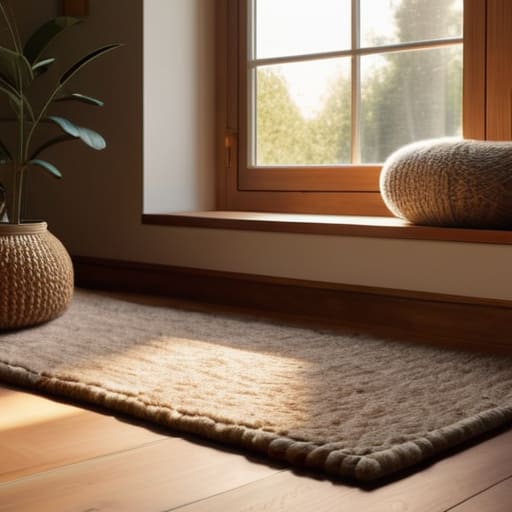
Choosing the right rug is rarely just about matching a color swatch to your paint; it’s about understanding how a piece will live within your space. We’ve looked at how the fibers you choose—whether the honest, breathing quality of natural wool or the resilient ease of synthetics—dictate the rug’s longevity and feel. We also considered how the pile height changes the very rhythm of a room, shifting from the low-profile practicality needed for high-traffic hallways to the plush, forgiving softness that invites you to sit on the floor and stay a while. When you balance these technical details with your own daily habits, you move past mere decoration and into the realm of intentional living.
Ultimately, I’ve learned through my travels that the things we surround ourselves with should tell a story of where we have been and who we are becoming. A rug isn’t just a layer of fabric on a floor; it is the foundation for the quiet morning coffees, the late-night conversations, and the messy, beautiful reality of a life well-lived. Don’t settle for something that just fills a gap in the room. Instead, look for that piece that feels like it has already belonged there, waiting to catch the light and ground your home in something real.
Frequently Asked Questions
How do I choose a rug that can actually handle the chaos of a busy kitchen or a mudroom without losing its soul?
The reality is that high-traffic spots like mudrooms or kitchens aren’t just floors; they’re the transition zones of our lives. To keep the soul of the piece without the stress, I lean toward flatweaves or low-pile wools. They’re sturdy enough to handle the grit of a rainy afternoon but still feel intentional. Avoid anything too shaggy—you want something that can be easily shaken out, letting the beauty remain even when life gets messy.
Are there specific patterns or colors that help a small, cramped living space feel a bit more open and grounded?
When I’m working from a tiny studio in Lisbon or a cramped flat in Berlin, I’ve learned that scale is everything. To keep a small room from feeling claustrophobic, I lean toward larger, more subtle patterns—think soft, organic lines rather than busy, high-contrast geometrics that “vibrate” against the eyes. Earthy, desaturated tones—terracotta, sage, or warm sand—help ground the space, making it feel like an extension of the landscape rather than something crowded into a corner.
When I'm looking at vintage or secondhand rugs, what are the subtle signs that a piece is worth the investment versus just being worn out?
When I’m hunting through dusty corners of secondhand markets, I look for “character” rather than perfection. A little fading from sunlight? That’s just a story. But I check the foundation—if the edges are fraying or the backing is crumbling, it’s likely past its prime. I look for a heavy, substantial feel and colors that still have a certain depth. If the wear feels intentional and rhythmic, it’s an heirloom; if it’s just falling apart, it’s just old.
