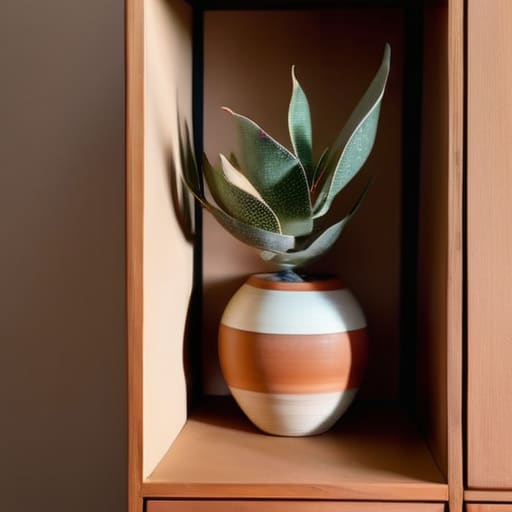
I was sitting in a tiny, sun-drenched kitchen in Marseille last month, watching an elderly woman arrange her spice jars on a weathered wooden ledge. There was no curated “aesthetic” in sight, just the beautiful, messy reality of a life well-lived. It made me realize how much I loathe the polished, sterile version of shelving decor that dominates my social media feeds—those perfectly spaced, color-coordinated vignettes that look more like a showroom than a home. We’ve been sold this idea that a shelf needs to be a museum exhibit, but to me, that feels utterly lifeless.
I’m not here to teach you how to stage a photoshoot or buy expensive, meaningless trinkets just to fill a gap. Instead, I want to share how you can use your shelves to tell your own story, using the objects that actually mean something to you. We’re going to talk about finding the balance between function and soul, focusing on intentional collecting rather than mindless decorating. My goal is to help you create a space that feels grounded and real, one meaningful object at a time.
Table of Contents
Mastering Shelf Styling Principles Through Collected Memories
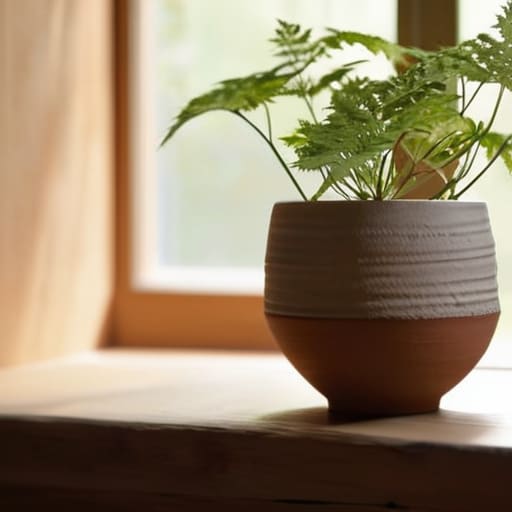
When I’m setting up a new space, I tend to approach organizing decorative objects much like I approach a new city: with curiosity and a refusal to rush. I don’t believe in buying a pre-packaged set of matching vases just to fill a void. Instead, I look for pieces that carry a bit of weight—a heavy stoneware mug from a rainy afternoon in Porto, or a stack of well-loved cookbooks with flour-dusted spines. Mastering shelf styling principles isn’t about following a rigid blueprint; it’s about creating a visual rhythm that feels earned rather than staged.
I find that the most successful shelf vignette ideas rely on a balance of textures and heights. I’ll often pair something tall and architectural, like a single dried branch in a glass jar, with something small and tactile, like a smoothed river stone or a tiny ceramic bowl. By varying these scales, you avoid that stiff, showroom look. To me, a successful minimalist shelf arrangement shouldn’t feel empty; it should feel intentional, leaving enough breathing room for each object to tell its own quiet story.
Finding Harmony in Minimalist Shelf Arrangement
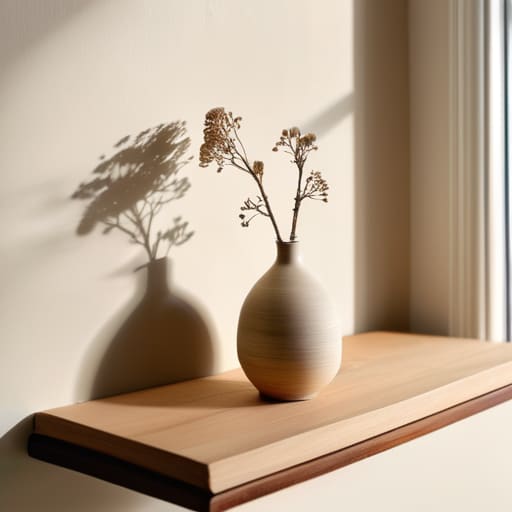
When I’m moving between temporary apartments, I’ve learned that less is almost always more. There is a certain peace in a minimalist shelf arrangement that mirrors the way I pack my own bags—only taking what is essential and meaningful. Instead of cluttering a surface with every knick-knack I’ve ever picked up, I try to focus on negative space. It’s not about having empty gaps; it’s about giving each object room to breathe so you can actually see it.
I often approach decorating floating shelves by thinking about rhythm rather than symmetry. I might place a single, heavy ceramic vase on one side to ground the look, then balance it with something lighter, like a small stack of linen-bound books or a single sprig of dried eucalyptus. When you’re organizing decorative objects this way, you aren’t just tidying up; you’re creating a visual melody. It’s that delicate balance between intentionality and ease that prevents a shelf from looking too precious or, conversely, like a chaotic junk drawer.
Small Touches: My Personal Rules for a Lived-In Shelf
- Don’t be afraid of the “imperfect” piece. I always find that a slightly chipped ceramic mug from a trip to Lisbon or a weathered stone I picked up on a beach in Brittany adds more soul to a shelf than a perfectly matched set from a big-box store.
- Group things in odd numbers. There’s something about a trio of objects—maybe a small plant, a stack of books, and a single candle—that feels much more natural and less “staged” to the eye than even pairings.
- Vary your heights to create rhythm. If everything is the same level, the eye just slides right past it. I like to tuck a small, low bowl in front of a taller, slender vase to create a little landscape that feels intentional but relaxed.
- Leave some breathing room. It’s tempting to fill every inch, but a shelf needs to breathe. I’ve learned that leaving a bit of empty space around a meaningful object actually gives it more importance, rather than letting it get lost in the clutter.
- Mix textures to add warmth. A smooth glass carafe looks beautiful next to the rough, tactile spine of an old linen-bound cookbook. That contrast is what makes a display feel layered and real, rather than just a collection of things.
Small Lessons in Living with Intention
Stop chasing “sets” and start collecting stories; a shelf feels most alive when it holds a mix of the functional and the sentimental, like a worn ceramic bowl next to a handful of salt-stained postcards.
Embrace the breathing room; just as a crowded market can be overwhelming, a shelf needs empty space to let your most meaningful objects actually be seen.
Let your decor evolve with your travels; your shelves shouldn’t be a finished project, but a living archive that changes every time you bring home a new texture or a small, unexpected find.
The Soul of a Shelf
“A shelf shouldn’t just be a place to store things; it’s a quiet map of where you’ve been and what you’ve loved—a collection of mismatched ceramics, worn spines, and small, dusty artifacts that turn a house into a home.”
Anouk Verhoeven
The Soul of the Shelf
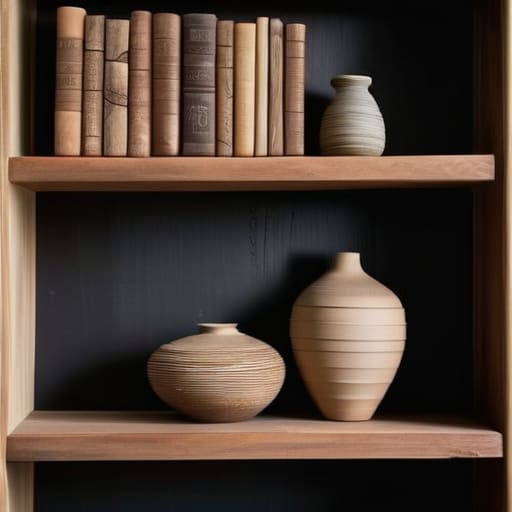
At the end of the day, styling your shelves isn’t about following a strict set of rules or achieving that untouchable, showroom perfection we see in glossy magazines. It’s about the delicate balance between the principles of design—like managing negative space and playing with varying heights—and the unpredictable beauty of your own history. Whether you are grouping minimalist ceramics to create a sense of calm or layering old, flour-dusted cookbooks with treasures found in a dusty market in Oaxaca, you are essentially curating a visual narrative. Remember that the goal is to blend structure with soul, ensuring that your arrangement feels both intentional and lived-in.
As I pack my bags for my next destination, I often find myself looking at the small, cluttered nooks of the cafes I visit, realizing that these tiny displays are the quietest forms of storytelling. Your shelves are no different; they are the canvas for your personal evolution. Don’t be afraid to leave a gap for something new to arrive, or to let a piece become slightly worn and weathered. The most beautiful spaces aren’t the ones that are perfectly curated, but the ones that honestly reflect the hands that touch them and the lives they have led. Let your shelves breathe, and let them tell your story.
Frequently Asked Questions
How do you balance displaying meaningful keepsakes without making the shelves feel cluttered or overwhelming?
I always lean on the “breathing room” rule. When I’m styling my shelves, I treat empty space like an ingredient—it’s just as important as the objects themselves. I try to group my keepsakes in small, intentional clusters rather than spreading them thin. If I have a heavy ceramic bowl from a market in Oaxaca, I’ll pair it with just one slim book and a single sprig of dried herbs. It keeps the story clear without the noise.
Are there specific ways to incorporate natural elements, like dried herbs or stones, into shelf styling to make a space feel more grounded?
I’ve always found that bringing the outdoors in is the quickest way to ground a room. For me, it’s about texture. I love tucking small bundles of dried rosemary or lavender into a ceramic crock; they add a soft, organic shape and a faint, nostalgic scent. Even a few smooth river stones tucked beside a stack of books can work. It’s those tactile, unpolished bits that make a shelf feel lived-in rather than just staged.
When working with small, limited shelf space, how do you decide which objects are worth keeping on display and which should stay tucked away?
I’ve learned that when space is tight, you have to be ruthless, but in a kind way. I ask myself: does this object hold a story, or is it just taking up room? If a ceramic bowl reminds me of a specific morning in a coastal market, it stays. If it’s just something I bought because it was convenient, it goes back in a drawer. I prefer a few meaningful pieces over a crowded shelf.
