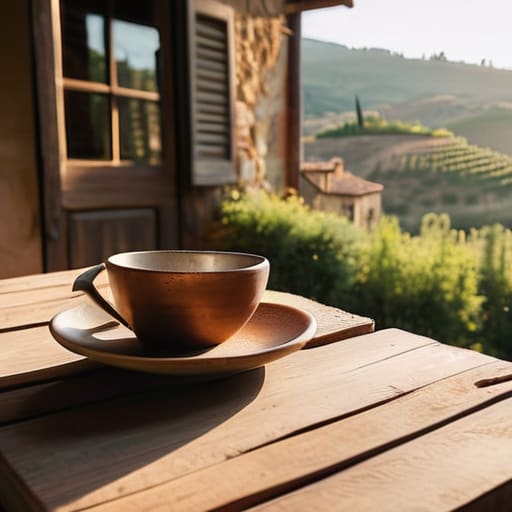
I was sitting in a crowded terminal in Naples last spring, surrounded by people frantically checking their watches and clutching laminated itineraries, when it hit me. We’ve been sold this lie that travel is a competitive sport—a high-speed race to check off every monument and museum before the flight home. But all that rushing just leaves you with a blurred memory of landmarks and a very expensive sense of exhaustion. To me, the real slow travel benefits aren’t found in how many cities you can squeeze into a week, but in the quiet moments where you actually stop to breathe. It’s the difference between seeing a cathedral and actually feeling the cool, damp air of a side-street market as the sun goes down.
I’m not here to give you a polished, Instagram-ready guide to “optimizing” your vacation. Instead, I want to share what I’ve learned from living out of a suitcase and following my nose through countless foreign kitchens. I’ll be talking about how to embrace the unplanned and why slowing down is the only way to truly taste a culture. This is about finding the soul of a place, one meal and one long afternoon at a time.
Table of Contents
Finding Soul Through Authentic Local Experiences
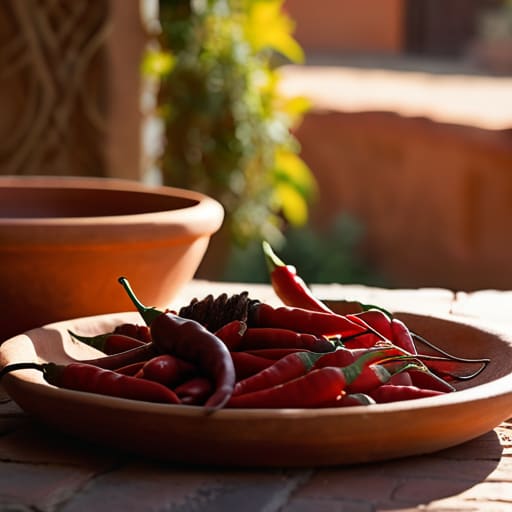
I’ve always found that the most profound moments don’t happen in front of a monument, but in the quiet gaps between them. Last month in Oaxaca, I spent three days just watching a single family prepare mole in a courtyard. There was no itinerary, no ticking clock—just the rhythmic sound of stone grinding against stone and the heavy, intoxicating scent of toasted chilies. This is where the real magic happens: when you stop treating a destination like a museum exhibit and start treating it like a home. By leaning into authentic local experiences, you stop being a spectator and start becoming a participant in the local rhythm.
Choosing this path is a deliberate rejection of the “check-the-box” mentality. While fast tourism demands you see everything in forty-eight hours, I’ve found that slowing down is actually a form of respect. It allows for deeper cultural immersion techniques, like learning the specific names of seasonal herbs at a wet market or understanding why a certain spice is used only on Tuesdays. It’s less about the distance covered and more about the depth of the connection you make with the people who actually live there.
Why Slow Travel vs Fast Tourism Changes Everything
The difference between the two really comes down to how much of the place you actually carry home with you. Fast tourism often feels like a frantic race to check boxes—hitting the three biggest monuments, snapping the same photo everyone else has, and rushing to the next city before the sun sets. It’s exhausting, and honestly, it’s a bit hollow. When you’re constantly moving, you’re just a spectator peering through a glass window.
In contrast, choosing slow travel vs fast tourism changes the entire texture of the trip. Instead of seeing a city as a collection of landmarks, you start to see it as a living, breathing organism. It’s the difference between seeing a cathedral and actually knowing the name of the baker who provides the morning sourdough for the neighborhood. By leaning into mindful travel practices, you stop being a consumer of sights and start becoming a temporary part of the local rhythm. You realize that the real magic isn’t found in the gift shops, but in the quiet, unscripted moments that only happen when you finally decide to sit still.
How to actually slow down (without feeling like you're missing out)
- Pick one neighborhood and stay there. Instead of hopping between three cities in a week, find a small apartment in a single district. It allows you to become a “regular” at the local bakery or the corner fruit stall, which is where the real magic happens.
- Let your hunger be your compass. Instead of following the top-rated TripAdvisor lists, walk until you smell something incredible—roasting spices, fresh bread, or grilled seafood—and just follow your nose. The best meals are rarely found behind a neon sign.
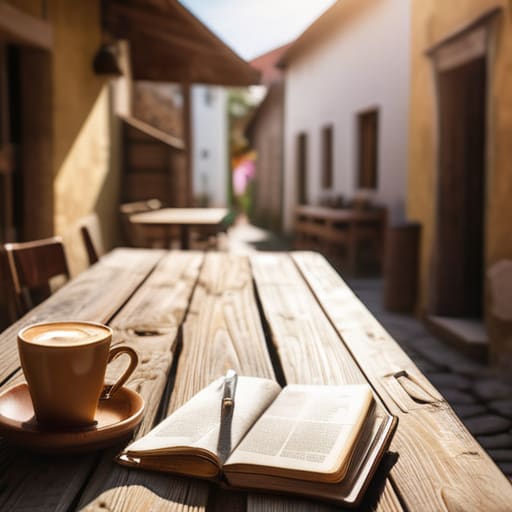
- Leave the itinerary half-finished. I’ve found that my most memorable afternoons started when I decided not to go to a museum and instead spent three hours people-watching in a public square with a notebook.
- Shop like a local. Skip the supermarket chains and head to the morning markets. There’s a specific rhythm to a market—the way the vendors call out, the scent of seasonal herbs—that teaches you more about a culture than any guidebook ever could.
- Pack light, but bring the analog stuff. Traveling with less makes moving easier, but bringing my film camera forces me to slow down. You can’t snap fifty digital photos in a minute; you have to actually look, wait for the light, and be present in the moment.
What I’ve Learned on the Road
Slowing down isn’t about doing less; it’s about noticing more—like the specific scent of toasted spices in a morning market or the way the light hits a cobblestone street at 4 PM.
When you stop racing toward the next landmark, you finally have the space to actually talk to the people who make a place what it is, from the baker to the street vendor.
Real connection requires presence, and you can’t be present if you’re constantly checking your watch or trying to tick a box on a tourist checklist.
The Rhythm of the Road
“When we stop trying to collect landmarks like trophies, we finally give ourselves the permission to actually inhabit a place—to let the scent of a morning market or the slow ritual of a midday espresso become part of our own story, rather than just another photo in a crowded camera roll.”
Anouk Verhoeven
The Art of Staying Put
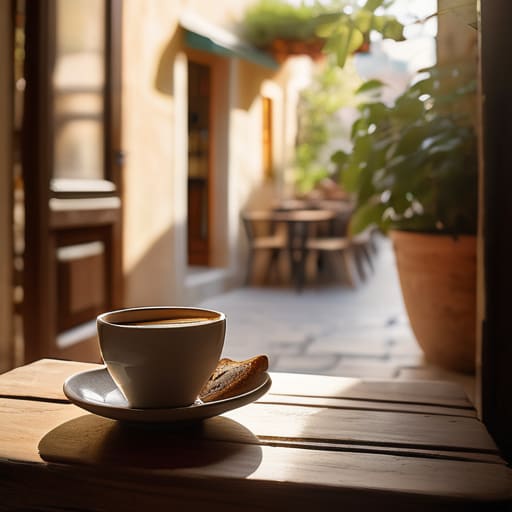
At the end of the day, slow travel isn’t about how many landmarks you can check off a list or how many stamps you can squeeze into a passport. It’s about the shift in perspective that happens when you stop treating a destination like a backdrop and start treating it like a living, breathing home. By choosing to linger—whether that means sitting in the same corner of a market for three mornings in a row or finally learning the name of the baker down the street—you trade the superficial rush for something much more substantial. You move away from being a mere spectator and begin to find the genuine heartbeat of a place, tucked away in the steam of a coffee cup or the quiet rhythm of a local afternoon.
As I pack my bags for my next stop, I find myself less interested in the “must-see” guides and more curious about the unscripted moments waiting in the margins. I want the messy, unpolished, and beautiful reality of a city that doesn’t perform for tourists. So, the next time you plan a trip, I challenge you to leave some empty space in your itinerary. Don’t just visit a place; let it settle into you. After all, the most profound connections aren’t found in the grand monuments, but in the quiet, everyday magic of simply being present.
Frequently Asked Questions
How do I actually balance slow travel with a limited budget or a strict work schedule?
It’s the question I get most often, and honestly, it’s the one I struggle with too. For me, it’s about intentionality rather than duration. If I’m working a heavy deadline, I don’t try to “travel”—I just pick one neighborhood to call home for the week. I shop at local markets instead of eating out, which saves money and keeps me grounded. Slow travel isn’t about how long you stay; it’s about how deeply you breathe.
Are there ways to practice slow travel even if I only have a week for my entire trip?
Honestly, a week is plenty if you stop trying to conquer a whole country. I used to try and hit three cities in seven days, and I just ended up exhausted and hungry for something real. Instead, pick one neighborhood. Find a local bakery, learn the names of the vendors at the market, and let yourself get lost. When you narrow your focus, you actually start to see the place, not just the postcards.
How can I make sure I'm finding authentic local spots without accidentally falling into "hidden gem" tourist traps?
It’s a fine line, isn’t it? I’ve learned to ignore the “Top 10” lists and look for the signs of real life instead. I follow the scent of spices or the sound of a busy kitchen. If a place has a menu in five languages and a host standing outside, I keep walking. I look for the spots where locals are sitting without phones, just eating and talking. That’s where the real magic is.
