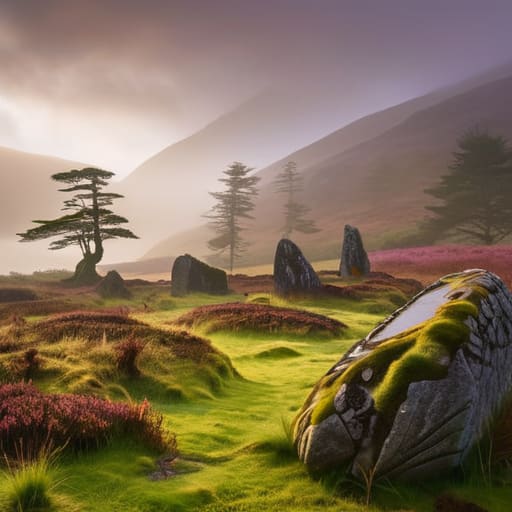
The smell of damp peat smoke and toasted oats always takes me back to a tiny, nameless kitchen in the Isle of Skye. I remember sitting on a mismatched wooden stool, watching an elderly woman stir a heavy iron pot while the wind rattled the windowpane. There were no gift shops or choreographed dances for tourists there; there was just the quiet, rhythmic pulse of a community honoring its roots. Most people think that exploring scottish celtic traditions means buying a plastic talisman in Edinburgh or watching a staged highland games display, but that’s just surface-level performance. The real magic isn’t found in a souvenir shop; it’s tucked away in the way certain seasonal foods are prepared and the specific, unhurried way people gather when the light begins to fade.
I’m not here to give you a dry history lesson or a list of overpriced festivals. Instead, I want to pull back the curtain on the authentic, lived experiences that define this culture. We’re going to look past the polished museum displays to find the stories told through shared meals and ancient seasonal rituals. My promise to you is simple: no hype, no tourist traps—just a grounded look at how these traditions actually shape the way people eat, live, and connect with the land.
Table of Contents
- Whispers of Gaelic Mythology and Legends by the Hearth
- The Rhythm of Highland Clan Customs and Folk Music
- How to Listen to the Stories Between the Notes
- Beyond the Museum Glass: What I’ve Learned
- The Living Language of the Table
- Beyond the Folklore: Carrying the Spirit Home
- Frequently Asked Questions
Whispers of Gaelic Mythology and Legends by the Hearth
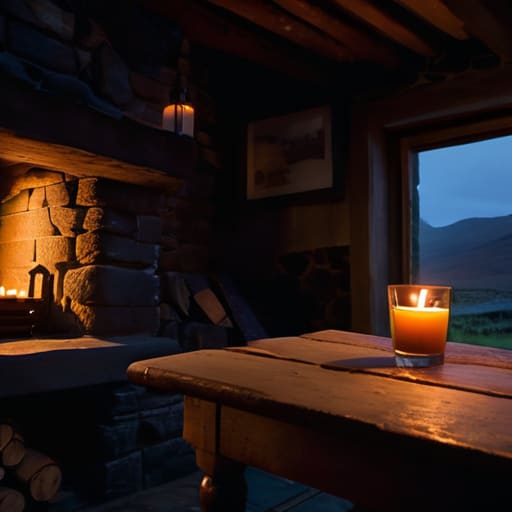
Sitting in a dim, low-ceilinged pub on the edge of Skye, I realized that the stories here aren’t just told; they are felt in the heavy silence between verses of traditional Scottish folk music. There is a specific kind of magic that happens when the fire crackles and the locals begin to recount the old tales. These aren’t the sanitized versions you find in gift shops. Instead, they are raw, winding threads of Gaelic mythology and legends that seem to seep out of the very stone walls, connecting the people to a landscape that feels ancient and slightly unpredictable.
I spent an evening listening to an elderly man describe how the seasons used to dictate the rhythm of life, moving between the dark stillness of winter and the sudden bloom of spring. He spoke of the transition between Samhain and Beltane celebrations not as mere dates on a calendar, but as profound shifts in the soul of the land. To hear these stories by a hearth, with the scent of peat smoke clinging to your sweater, is to understand that for the Highlands, the past isn’t something behind us—it’s something breathing right beside us.
The Rhythm of Highland Clan Customs and Folk Music
It wasn’t until I found myself in a drafty, wood-paneled pub in Inverness, tucked away from the main thoroughfare, that I truly understood the pulse of the north. The air was thick with the scent of damp wool and peat smoke, but it was the sound that anchored me. There was no polished stage or professional lighting; just a few locals gathered around a corner table, their voices rising in a way that felt less like a performance and more like a shared breath. This is where you find the soul of traditional Scottish folk music—not in a curated concert hall, but in the raw, unscripted melodies that seem to rise directly from the earth itself.
As the fiddle player leaned into a particularly mournful reel, I realized that these songs are the connective tissue of the Highlands. They carry the weight of Highland clan customs and the echoes of lineages long since moved or merged. You can feel it in the way a certain rhythm makes everyone in the room lean in closer, a collective recognition of a history that refuses to be silenced. It’s a rhythmic, living heartbeat that reminds you that culture isn’t something you look at through glass; it’s something you feel in your chest.
How to Listen to the Stories Between the Notes
- Skip the high-street souvenir shops. If you want to feel the pulse of a tradition, look for the local ceilidhs in village halls where the music isn’t a performance, but a way of breathing together.
- Carry a notebook, but not just for names. Notice how the scent of woodsmoke and damp wool changes when a community gathers; those sensory shifts are the invisible threads of Celtic connection.
- Eat with the seasons, just as they have for centuries. A heavy oatcake or a bowl of seasonal broth isn’t just fuel; it’s a direct link to the land and the ancient rhythms of the Highland calendar.
- Don’t be afraid of the quiet moments. Sometimes the most profound “tradition” isn’t a loud festival, but the way a local tells a story over a slow cup of tea in a dim, coastal kitchen.
- Respect the silence of the landscape. When you’re standing in a glen or by a loch, remember that for the people who lived here before us, these weren’t just views—they were sacred, living characters in their folklore.
Beyond the Museum Glass: What I’ve Learned
Real tradition isn’t found in a curated exhibit; it’s in the living, breathing connection between a story told by a fire and the communal meal that follows.
To understand the Highland spirit, you have to listen to the rhythm of the music and the shared history that binds a clan together through more than just blood.
Culture is sensory—it’s the smell of peat smoke, the taste of a hearty broth, and the way a landscape shapes the very ingredients people gather to eat.
The Living Language of the Table
You won’t find the soul of these traditions in a history book; you find it in the way a heavy wooden spoon hits the side of a pot, or the specific, earthy scent of oats and peat smoke that lingers in a kitchen long after the guests have gone.
Anouk Verhoeven
Beyond the Folklore: Carrying the Spirit Home
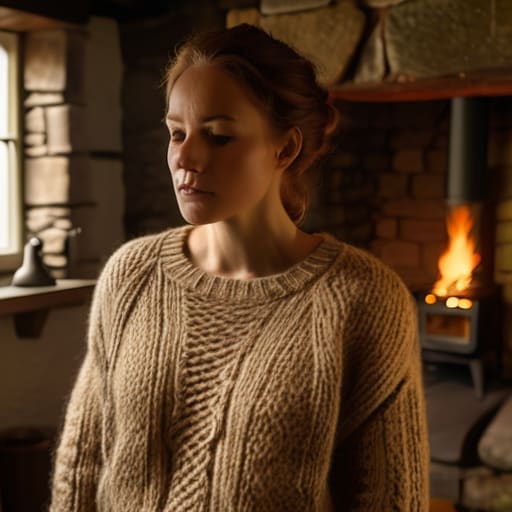
As I sit here in this small, drafty cottage, the smell of burning peat still clinging to my wool sweater, I realize that these traditions aren’t just dusty relics for a museum display. From the ancient echoes of Gaelic myths whispered around a dying fire to the fierce, rhythmic pulse of clan music that seems to vibrate in your very bones, these customs are the connective tissue of the Highlands. They remind us that culture isn’t something you simply observe from behind a glass case; it is something you inhale, taste, and feel in the shared warmth of a community gathered against the elements.
Traveling through these rugged landscapes has taught me that while the world feels increasingly fast and disconnected, there is a profound strength in holding onto the old ways. You don’t need to be a scholar of Celtic history to feel the weight of these stories; you only need to be willing to listen to the quiet spaces between the songs. My hope is that when you leave these hills, you don’t just take photos of the mist, but you carry a piece of that ancestral resilience with you. After all, the most meaningful journeys aren’t about the miles we cover, but the soulful connections we find in the most unexpected, ancient corners of the world.
Frequently Asked Questions
Beyond the big festivals, how can I find these traditions being practiced in small, local villages rather than just in tourist shows?
You have to look for the edges, not the center. Skip the Highland Games in the big towns and head toward the smaller coastal villages on a Tuesday, not a Saturday. Look for the local pub where the older generation gathers; if you hear a fiddle or a sudden hush for a story, stay. Often, it’s as simple as finding a village hall hosting a seasonal ceilidh or a small market where the recipes haven’t changed in decades.
Are there specific seasonal ingredients or dishes that I should look for to truly taste the history of these Celtic rituals?
If you want to taste the history, look for the seasonal shifts. In the autumn, seek out oatcakes and heavy, honey-sweetened porridges—they’re the backbone of old harvest rituals. As winter approaches, look for anything preserved with salt or smoke; it’s the flavor of survival. And if you find a small kitchen serving bannocks or stews rich with root vegetables and wild herbs, grab a seat. That’s where the ancient calendar actually lives.
How much of these customs are still a part of everyday life in the Highlands today, versus being things kept mostly for preservation?
It’s a delicate balance. You’ll see the “preserved” side in organized festivals or museum displays, but the real magic is more subtle. It’s not about grand ceremonies every day; it’s in the way a local might still offer a specific blessing at a ceilidh or the lingering respect for the land during a harvest. Much of it has shifted from survival to identity—it’s less about ritual necessity and more about a quiet, stubborn way of being.
