Author: Anouk Verhoeven

  • A Beginner Guide to Baking Bread

    A Beginner Guide to Baking Bread

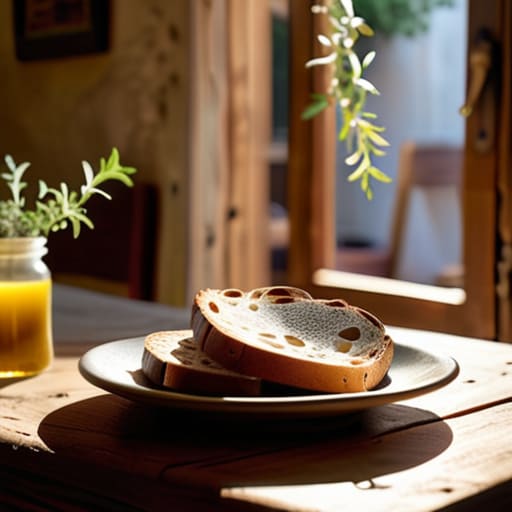
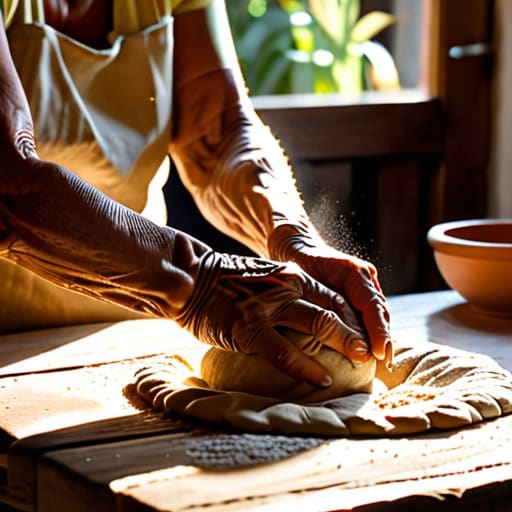
    I still remember sitting on a low wooden stool in a tiny, flour-dusted bakery in Lyon, watching an elderly woman work a piece of dough with nothing but her palms and a rhythmic, almost meditative patience. There were no digital scales, no expensive stand mixers, and certainly no complicated timers—just the scent of yeast blooming in the warm air and the heavy, comforting weight of the grain. It was in that moment I realized that most of the advice out there regarding baking bread for beginners is completely disconnected from the actual soul of the craft. We’ve been told we need precision instruments and a degree in chemistry just to get a decent crust, but that’s a lie that keeps people from ever actually starting.

    I’m not here to give you a list of high-tech gadgets or intimidating, scientific formulas that leave you feeling more like a lab technician than a cook. Instead, I want to strip everything back to the basics and show you how to find your own rhythm with the dough. My promise to you is a collection of honest, tactile lessons gathered from kitchens all over the world. We are going to focus on the feel of the flour and the patience of the rise, ensuring your journey into baking is less about perfection and more about connection.

    Table of Contents

    Essential Bread Making Equipment for Beginners and Simple Flour Choices

    I’ve spent a lot of time watching bakers in small, sun-drenched kitchens from Marseille to Mexico City, and if there’s one thing I’ve learned, it’s that you don’t need a professional laboratory to start. When looking for bread making equipment for beginners, please, don’t let the fancy gadgets in specialty stores intimidate you. All you really need is a heavy bowl, a sturdy spoon, and perhaps a digital scale—measuring by weight is much more reliable than those finicky measuring cups. If you’re feeling particularly adventurous, a Dutch oven can create that beautiful, thick crust I fell in love with during my time in rural France.

    As for the foundation of your loaf, the flour you choose matters more than you might think. While all-purpose flour works in a pinch, I always suggest experimenting with different types of bread flour to see how the protein content changes the texture. For those days when you’re feeling a bit overwhelmed, I highly recommend easy no-knead bread methods; they allow the flour and water to do the heavy lifting while you simply wait for the magic to happen. It’s less about precision and more about finding a rhythm with the ingredients.

    Learning How to Activate Dry Yeast Without Losing the Magic

    Learning How to Activate Dry Yeast Without Losing the Magic

    I remember sitting in a tiny, sun-drenched bakery in Marseille, watching the baker work. He didn’t use a timer or a digital scale; he just watched the yeast. To him, the yeast wasn’t just an ingredient; it was a living thing. When you’re starting out, it’s easy to treat a packet of granules like mere powder, but learning how to activate dry yeast is actually your first lesson in patience and observation.

    You want to create a little sanctuary for those microscopic organisms. I always use lukewarm water—never hot, or you’ll kill the magic instantly—and a tiny pinch of sugar to give them a head start. If you wait about five to ten minutes, you’ll see something beautiful happen: a thick, creamy foam will rise to the surface. That frothiness is your green light. If the water stays still and lifeless, don’t bother moving forward; it’s one of those common bread baking mistakes that can turn a hopeful morning into a heavy, flat disappointment. Treat the process with a bit of respect, and the dough will reward you.

    The Little Things That Change Everything

    The Little Things That Change Everything photograph.
    • Don’t rush the rise. I know it’s tempting to turn up the heat when the dough looks stubborn, but bread is a living thing that needs patience. I once watched an old baker in a small village in Provence wait hours for a single loaf, and he always said the flavor lives in the slow moments.
    • Get a digital scale and ditch the measuring cups. Flour is temperamental; a “cup” can weigh differently depending on how tightly you pack it. If you want that consistent, airy crumb, you have to treat your ingredients with a bit of scientific respect.
    • Trust your hands more than the recipe. There will come a moment when the dough feels tacky but not sticky, or elastic and strong. Instead of panicking because it doesn’t look like the photo in a cookbook, feel the texture. Your hands will tell you more about the dough than any timer ever could.
    • Watch the humidity of your kitchen. Since I move between cities so often, I’ve learned that a rainy afternoon in London requires a different approach than a dry morning in Madrid. If your kitchen feels damp, your flour might need a little extra dusting; if it’s dry, your dough might crave a bit more hydration.
    • Embrace the “ugly” loaves. Your first few attempts might be dense, or perhaps a bit lopsided, and that is perfectly okay. Even the most beautiful sourdough I’ve encountered in my travels started with a messy kitchen and a few failed experiments. The magic isn’t in perfection; it’s in the smell of that first warm crust hitting the air.

    Small Lessons from the Kitchen Counter

    Don’t let the gear intimidate you; a simple bowl, some flour, and a little patience are more important than any high-end gadget you’ll find in a boutique shop.

    Treat your yeast with respect—it’s a living thing, and giving it that warm, gentle start is the difference between a flat loaf and something truly soulful.

    Focus on the sensory details, like the way the flour feels between your fingers or the scent of the rising dough, rather than just following a rigid set of rules.

    The Rhythm of the Dough

    “Forget the obsession with perfect timing or expensive gadgets; baking bread is less about following a rigid recipe and more about learning to listen to the dough with your hands, finding that same quiet, grounding rhythm I’ve seen in village bakeries from Marseille to Mexico City.”

    Anouk Verhoeven

    The Quiet Magic of the First Loaf

    The Quiet Magic of the First Loaf.

    At the end of the day, baking bread isn’t about mastering a complex chemistry experiment or owning every gadget in the culinary aisle. It’s about understanding that the basics—the right flour, a bit of patience when waking up your yeast, and a few essential tools—are all you truly need to get started. You don’t need a professional kitchen to create something profound; you just need to trust the process and allow yourself the grace to make mistakes. Whether your first loaf comes out a bit lopsided or the crust isn’t quite as shatteringly crisp as you imagined, remember that you have successfully transformed raw, simple elements into something that nourishes the soul.

    As you pull that warm, fragrant loaf from your oven, I hope you take a moment to just sit with it. There is a specific kind of peace found in the scent of toasted grain filling a room, a feeling I’ve chased through countless small village bakeries across the globe. Don’t rush to slice it or serve it immediately; instead, embrace the stillness of the cooling process. Baking is a slow conversation between you and your ingredients, a way to ground yourself in the present moment. So, flour on your apron, a warm kitchen, and a fresh slice of bread—that is where the real story begins.

    Frequently Asked Questions

    How do I know if my dough has actually risen enough, or am I just being impatient?

    The Finger Poke Test: It’s my favorite way to stop second-guessing myself. Gently press your finger about half an inch into the dough. If it springs back quickly, it needs more time. If it stays indented or slowly fills back in, you’re golden. If it collapses, you might have over-proofed. Honestly, though? Trust your eyes. If the dough looks airy and has nearly doubled in size, it’s ready for the oven.

    Can I still make decent bread if I don't have a fancy Dutch oven or a professional kitchen?

    Honestly, please don’t let a lack of gear stop you. I’ve baked some of my favorite loaves in tiny, cramped studio kitchens with nothing but a battered baking sheet. If you don’t have a Dutch oven, try placing a shallow pan of water on the bottom rack of your oven; that burst of steam is the real secret to a crusty exterior. It’s about the rhythm of the dough, not the price of the pot.

    What should I do if my dough feels too sticky to handle—do I just keep adding flour until it's perfect?

    It’s so tempting to just keep dumping flour in until your hands feel clean, but please, resist that urge. I’ve seen so many people do this in small village bakeries, and it’s how you end up with a heavy, dense loaf that lacks soul. If it’s sticking, give it time. Often, a bit of extra kneading or a short rest will help the flour fully hydrate. Trust the process—and your hands.

  • The Benefits of Solo Travel

    The Benefits of Solo Travel

    I still remember sitting on a wobbly wooden stool in a narrow alleyway in Oaxaca, the air thick with the scent of charred chilies and toasted corn. I was surrounded by a cacophony of voices, yet I had never felt more entirely present. Most people think that when you travel solo, you’re essentially embarking on a lonely mission to prove how independent you are, or worse, they treat it like a high-stakes survivalist expedition. But for me, it was the exact opposite; it was the first time I actually had the space to listen to the rhythm of a city without the constant filter of a companion’s conversation.

    I’m not here to sell you on the “finding yourself” clichés or give you a list of expensive, Instagram-ready hostels. Instead, I want to talk about the real mechanics of moving through the world on your own terms. I’m going to share the unpolished, practical truths I’ve gathered from years of navigating crowded markets and quiet backstreets alone. We’re going to skip the hype and focus on how to actually inhabit a place, one small cafe and one honest meal at a time.

    Table of Contents

    Solo Female Travel Tips for Navigating Quiet Backstreets

    Solo Female Travel Tips for Navigating Quiet Backstreets

    There’s a specific kind of magic in the narrow, winding alleys that the guidebooks usually skip over, but that’s also where the sense of vulnerability can creep in. When I’m wandering through a new neighborhood, I’ve learned that my best defense is a mix of intuition and a bit of intentionality. I never walk with my head buried in a phone; instead, I keep my eyes up, observing the way the light hits the stone walls or noticing which small bakeries have a queue of locals. One of my favorite solo female travel tips is to always have a “destination” in mind—even if it’s just a specific fruit stall or a tiny bookstore—so you always look like you belong exactly where you are.

    If the silence of a backstreet starts to feel a bit heavy, I find that carrying a small, physical notebook helps me stay grounded. Instead of scrolling through social media to distract myself, I’ll sit on a stone step and jot down the scent of roasting coffee or the specific shade of blue on a shutter. It turns a moment of isolation into a moment of active observation. This shift in perspective makes the quiet parts of the journey feel less like being alone and more like finally having the space to breathe.

    Solo Travel Gear Essentials for Long Market Mornings

    Solo Travel Gear Essentials for Long Market Mornings

    When you spend your mornings weaving through the narrow aisles of a damp, bustling wet market, your gear needs to be as functional as it is discreet. I’ve learned the hard way that a bulky backpack is just a magnet for chaos in a crowded stall. Instead, I rely on a weatherproof crossbody bag—something small enough to tuck under my arm but sturdy enough to hold my camera and my notebook. My most prized possession, however, is my small, battered notebook. It’s where I jot down the scent of crushed coriander or the smoky aroma of street-side grills, capturing the sensory details that a digital photo simply misses.

    Beyond the bag, I always pack a lightweight, reusable canvas tote. It’s a small addition to my solo travel gear essentials, but it’s a lifesaver when a vendor offers me a handful of sun-warmed figs or a bag of local spices. Carrying your own bag is a quiet way to respect the local rhythm, signaling that you aren’t just a passing tourist, but someone actually intending to participate in the morning ritual.

    The Art of Being Alone (Without Being Lonely)

    • Learn to love the “third space.” Instead of retreating to your hotel room when you feel the weight of solitude, find a local bakery or a neighborhood park. Being a regular in a small space for just a few days makes you feel like a participant in the city rather than just a spectator.
    • Use your curiosity as a shield. When you’re navigating a new place alone, keep your head up and your eyes moving. If you look like a person searching for a specific scent or a certain type of spice, you look like a traveler with a purpose, not a target for scammers.
    • Master the “single diner” etiquette. Don’t be afraid to sit at the bar or a small communal table. Some of my best conversations with local chefs happened because I wasn’t tucked away in a private booth, and it’s often the best way to get a recommendation for the next day’s lunch.
    • Carry a physical notebook, not just a phone. There is something about the tactile act of writing—or even just sketching a fruit stall—that anchors you to your surroundings. It also gives you a reason to sit still in a bustling plaza without looking like you’re lost in a digital void.
    • Trust your gut, but verify with locals. If a street feels too quiet or a deal feels too good to be true, listen to that instinct. But if you’re unsure about a menu or a route, ask the person making the coffee. Real connection often starts with a simple, honest question.

    Finding Your Rhythm in the Quiet Moments

    Embrace the art of people-watching; sitting alone in a bustling market isn’t lonely, it’s your front-row seat to the true pulse of a city.

    Let your appetite be your compass, using the scent of spices and the hum of local kitchens to lead you away from the crowds and toward authenticity.

    Keep a small, physical notebook handy to capture the sensory details—the smells, the sounds, the textures—that a camera lens often misses.

    The Quiet Power of One

    Traveling solo isn’t about being alone; it’s about finally having enough silence to actually hear what a city is trying to tell you through the sizzle of a pan or the scent of rain on warm cobblestones.

    Anouk Verhoeven

    The Quiet Reward of Going Alone

    The Quiet Reward of Going Alone.

    At the end of the day, solo travel isn’t about checking off a list of landmarks or mastering the art of the perfect selfie. It’s about the small, logistical victories—knowing how to navigate a labyrinthine backstreet without a map, or having just the right gear to spend four hours tucked into a corner of a bustling market. When you strip away the noise of constant social negotiation, you’re left with something much more potent: the ability to truly listen to the rhythm of a new city. You learn that being alone doesn’t mean being lonely; it means being entirely present for the steam rising from a bowl of noodles or the specific, sharp scent of rain on cobblestones.

    If you’re feeling hesitant about that first solo trip, my advice is to stop waiting for a companion who matches your pace. The world is far too vast to put your curiosity on hold just because someone else isn’t ready to pack their bags. There is a profound, almost sacred kind of freedom found in sitting at a tiny cafe table, notebook in hand, realizing that you are the architect of your own experience. So, take the leap. Find that small, unnamed kitchen, order something you can’t pronounce, and discover that the most important connection you’ll make is the one between yourself and the world.

    Frequently Asked Questions

    How do you deal with the occasional loneliness when sitting down for a long, multi-course meal by yourself?

    I’ll be honest: there are evenings when the empty chair across from me feels heavy. When that happens, I lean into the observation. I pull out my notebook, not just to write, but to really look. I focus on the rhythm of the kitchen or the way the light hits the wine glass. Instead of fighting the solitude, I treat it as a private audience with the chef. It turns a meal into a meditation.

    Are there specific ways to meet locals in food markets without feeling like you're intruding on their daily routines?

    I’ve found that the trick is to be a student, not a spectator. Instead of hovering with a camera, I lean into the ritual. I’ll ask a vendor about a specific herb or how they choose their produce—people love sharing their expertise when they see genuine curiosity. If you buy something small, like a single piece of fruit or a coffee, you aren’t just a customer; you’re a temporary part of their morning rhythm.

    How do you manage to keep your camera gear and notebook safe while navigating crowded, narrow market stalls?

    I’ve learned the hard way that a loose camera strap is an invitation for trouble in a crowded souk. I always keep my camera tucked close to my body, using a cross-body strap that I can pull tight against my chest. As for my notebook, it lives in a zipped internal pocket of my bag—never the outer mesh. Keeping my most precious bits of observation physically connected to me keeps the anxiety at bay.

  • The Cultural Significance of the South African Braai

    The Cultural Significance of the South African Braai

    I can still smell it if I close my eyes: that heavy, intoxicating mix of woodsmoke, salt, and sun-warmed earth that clings to your skin long after the sun has gone down. I remember sitting on a low plastic chair in a dusty backyard outside of Stellenbosch, watching a man move with practiced, quiet grace around a pile of glowing embers. There were no fancy sous-vide machines or expensive kitchen gadgets in sight—just a cast-iron grid, some local spices, and the rhythmic crackle of kameeldoring wood. That was my first real introduction to the south african braai, and it taught me more about hospitality than any five-star dining experience ever could. It wasn’t about the spectacle; it was about the unhurried ritual of waiting for the coals to be just right.

    I’m not here to give you a sanitized, tourist-friendly version of how to cook over a fire. Instead, I want to pull back the curtain on what makes this tradition actually work. I’ll share the honest, unpolished essentials—from choosing the right wood to the social etiquette that you won’t find in a guidebook—so you can move past the hype and find the true heart of the flame.

    Table of Contents

    Charcoal vs Wood Braai Choosing the Scent of Home

    Charcoal vs Wood Braai Choosing the Scent of Home

    If you ask any local, you’ll quickly realize that the debate over charcoal vs wood braai isn’t just about convenience; it’s about the very soul of the fire. When I first sat around a pit in the Karoo, I realized that charcoal is the choice for the impatient or the urbanite—it’s predictable, clean, and provides a steady heat that’s perfect for quick searing. But there is a certain efficiency to it that lacks the poetry of the alternative.

    For me, nothing compares to the ritual of using hard wood. There is a specific, intoxicating aroma that clings to your clothes and hair when you cook over glowing embers of kameeldoring or sekelbos. It’s a slow, meditative process that dictates the pace of the entire evening. This patience is deeply woven into the south african social culture; you don’t just “cook” a meal, you inhabit the space around the flames. The wood doesn’t just heat the meat; it seasons the air, turning a simple dinner into a sensory memory that stays with you long after the embers have cooled.

    Braai Meat Types and the Art of South African Outdoor Cooking

    Braai Meat Types and the Art of South African Outdoor Cooking.

    When you finally get close enough to the heat, the sheer variety of braai meat types can feel a bit overwhelming if you aren’t prepared. It isn’t just about throwing whatever is in the fridge onto the grid; there is a specific rhythm to it. You’ll see thick, marbled steaks being seasoned heavily with coarse salt, alongside boerewors—that iconic, spiced farmer’s sausage that curls beautifully as it hits the coals. There is something deeply primal about watching a lamb chop sizzle while the fat drips into the embers, creating that specific scent I always try to capture in my notebook.

    But the meat is only half the story of south african outdoor cooking. To truly understand the meal, you have to look at what’s happening on the periphery. A real spread is anchored by traditional braai sides like pap en sous (a stiff maize porridge) or a tangy, creamy potato salad that cuts through the richness of the grilled proteins. It’s this balance of heavy, smoky flavors and bright, acidic accompaniments that makes the experience feel complete. It’s less of a meal and more of a sensory ritual shared among friends.

    The Unwritten Rules: Small Details That Make the Difference

    • Don’t rush the coals. A real braai isn’t about immediate gratification; it’s about patience. Wait until the embers are glowing a soft, even orange before you even think about touching the meat. If there are still dancing flames, you’re just going to scorch the outside and leave the middle raw.
    • Respect the hierarchy of the grill. In a true South African gathering, the person at the fire—the braaimaster—is a sacred role. It’s not just about cooking; it’s about timing the sides, the meat, and the conversation so everything hits the table at once.
    • Salt is your best friend, but use it early. I’ve learned that seasoning your meat well before it hits the heat allows those flavors to actually penetrate the fibers. A simple, coarse sea salt is often all you need to let the quality of the local beef or lamb speak for itself.
    • Keep the sides simple and seasonal. You don’t need a complex menu to impress. A crisp green salad, some garlic bread, or even just a bowl of sliced seasonal fruit is enough to balance out the heavy, smoky richness of the grilled meat.
    • Embrace the “braai side” conversation. The food is the centerpiece, but the magic happens in the gaps between bites. Never treat the braai as a chore to be finished quickly; treat it as the slow, rhythmic heartbeat of the afternoon.

    The Heart of the Braai

    It’s never just about the meat; the true magic lies in the slow, unhurried ritual of gathering around the fire with people you love.

    Mastering the flame is a sensory experience, where the choice between wood and charcoal dictates the entire mood and scent of the evening.

    To eat like a local, look past the fancy cuts and embrace the simplicity of well-seasoned, smoke-kissed food shared in a backyard setting.

    More Than Just a Meal

    Braai ritual is More Than Just a Meal.

    “You haven’t truly tasted South Africa until you’ve stood in the hazy, salt-tinged smoke of a backyard fire, realizing that a braai isn’t just about the meat on the grid—it’s the rhythmic heartbeat of the people gathered around it.”

    Anouk Verhoeven

    More Than Just a Meal

    At the end of the day, mastering the braai isn’t about following a strict recipe or having the most expensive cuts of meat. It’s about understanding that the ritual—from choosing the right hardwood for that specific scent to the patient wait for the coals to turn grey—is what defines the experience. Whether you’re experimenting with different marinades or sticking to the classic simplicity of salt and pepper, the goal is to honor the process. It’s a delicate balance of heat, timing, and intuition that transforms a simple outdoor cookout into something much deeper than just a way to satisfy hunger.

    As I sit here, notebook in hand, jotting down the scent of woodsmoke clinging to my sweater, I’m reminded why I travel in the first place. We don’t go to new places just to see monuments; we go to find the heartbeat of a community. In South Africa, that heartbeat is rhythmic, steady, and fueled by fire. A braai is a reminder that the best connections happen when we slow down, step away from the polished dining rooms, and gather around the embers. It’s in these smoky, unscripted moments that we truly begin to taste the soul of a culture.

    Frequently Asked Questions

    What are the essential side dishes, like pap or chakalaka, that turn a simple cookout into a proper feast?

    You can’t just have meat; you need the sides to balance the smoke. For me, it’s all about the textures. A warm, creamy bowl of pap is the ultimate comfort, especially when you top it with a spicy, vegetable-heavy chakalaka to cut through the richness of the meat. I also love a simple, tangy tomato and onion salad—it’s nothing fancy, just fresh, bright, and exactly what a heavy braai needs.

    How do I know when the coals are actually ready to cook without burning the meat?

    I’ve spent too many afternoons hovering over a grill, watching meat char too quickly because I was too impatient. My rule of thumb? Look for the glow. You aren’t looking for roaring flames; you want a steady, shimmering bed of grey ash covering bright orange coals. If you can hold your hand about six inches above the heat for only a few seconds before it’s too hot, you’ve hit that sweet spot.

    Is there a specific etiquette or social "unwritten rule" I should follow when I'm invited to someone's backyard braai?

    If you’re invited to a braai, the most important thing to remember is that you aren’t just a guest; you’re part of a communal rhythm. Never show up empty-handed—a bottle of wine or something for the fire is standard. Most importantly, don’t hover over the braai master like a critic. Let them work their magic. The real etiquette is found in the conversation and the shared plates, not in being the loudest person at the table.

  • Maintaining Different Types of Flooring

    Maintaining Different Types of Flooring

    I remember sitting on the cool, terracotta tiles of a small trattoria in Trastevere, watching an elderly woman sweep the entryway with a broom that looked older than she was. There was no heavy chemical scent of lemon-scented bleach, just the faint, earthy smell of stone and damp dust. It hit me then that most modern advice on floor care is completely disconnected from how we actually live. We’ve been sold this idea that maintaining a home requires a cabinet full of aggressive, neon-colored liquids and expensive, specialized machines that promise a “sterile” shine. But honestly? That clinical perfection feels soul-less, like a hotel lobby rather than a place where people actually eat, laugh, and spill a little too much red wine.

    I’m not here to sell you on a twelve-step ritual or a subscription to a boutique cleaning brand. Instead, I want to share what I’ve learned from living out of a suitcase and navigating the kitchens of a dozen different cultures. I’ll show you how to approach floor care through a lens of simplicity and sustainability, focusing on methods that respect your materials and your time. We’re going to strip away the marketing hype and get back to the basics of keeping your space feeling grounded, clean, and—most importantly—truly lived-in.

    Table of Contents

    Natural Floor Cleaning Solutions for a Gentler Home

    Natural Floor Cleaning Solutions for a Gentler Home

    When I was working in the museum archives, I learned how much the chemistry of our cleaning products matters. It’s not just about the shine; it’s about what we’re leaving behind in the spaces where we actually live. I’ve found that leaning into natural floor cleaning solutions—think simple white vinegar diluted in warm water or a splash of lemon—works wonders for wood and tile without filling my small rental with synthetic fumes. It feels much more aligned with the way I want to inhabit a space, treating the ground beneath my feet with a bit of respect rather than just scrubbing it into submission.

    Of course, going green doesn’t mean you can go easy on the effort. I’ve realized that a solid daily floor maintenance routine is actually more effective than any heavy-duty chemical intervention. It’s about the small, mindful actions: sweeping up the grit from the street before it settles, or using a soft microfiber mop to catch the dust. By keeping things simple and gentle, you aren’t just cleaning; you’re preserving the character of your home.

    A Daily Floor Maintenance Routine That Feels Like Living

    A Daily Floor Maintenance Routine That Feels Like Living

    I’ve realized that my apartment, much like the small studios I used to stay in while traveling through Marseille, only feels like home when I stop treating maintenance as a chore and start seeing it as a ritual. Instead of waiting for a massive buildup of dust to tackle on a frantic Saturday, I’ve adopted a simple daily floor maintenance routine that keeps the space feeling grounded. It usually starts with a quick sweep or a pass with a microfiber mop—something gentle that respects the material underfoot.

    It’s less about achieving a sterile, showroom shine and more about protecting the character of the wood or stone. I’ve learned that the most effective way of preventing floor scratches isn’t through heavy-duty chemicals, but through small, mindful habits, like being intentional about where I place my bags or keeping a small mat by the door to catch the grit of the city. When I take these few minutes each morning, the act of tidying feels less like a task and more like a way of settling into my own space, preparing it for the day’s stories.

    Small Rituals for a Grounded Home

    • Listen to your floors; if you notice a new creak or a dull patch in the light, it’s usually the house telling you it needs a little more love or a fresh layer of wax.
    • Keep a soft, dry cloth tucked away for those little moments—like wiping up a spill from a morning espresso—before it has a chance to settle into the grain.
    • Treat your entryway like a transition zone, using a heavy-duty mat to catch the grit of the outside world so your inner sanctuary stays calm and clean.
    • When the seasons shift and the light changes, take a moment to really look at your surfaces; it’s the best time to spot where dust is hiding in the corners.
    • Avoid the temptation of harsh, heavy chemicals that strip the soul out of wood; stick to the gentle methods that preserve the texture and the history of the material.

    The Heart of the Home Underfoot

    Treat floor care as a mindful ritual rather than a chore, using it as a quiet moment to reconnect with the space you inhabit.

    Prioritize gentle, natural ingredients that respect the materials of your home and the air you breathe.

    Focus on consistent, small maintenance habits to preserve the character and soul of your floors over time.

    The Ground Beneath Our Feet

    We spend so much time looking at the horizon when we travel, but there is a quiet, grounding intimacy in the way we care for the surfaces we walk on every day; a clean floor isn’t about clinical perfection, it’s about preparing a stage for the messy, beautiful life that happens upon it.

    Anouk Verhoeven

    The Foundation of a Lived-In Space

    The Foundation of a Lived-In Space.

    At the end of the day, caring for your floors isn’t about maintaining a showroom-perfect surface or chasing a sterile, untouched aesthetic. It’s about the small, intentional choices we make—like opting for gentle, natural cleaners that don’t overwhelm our senses, or establishing a simple routine that prevents the grit of daily life from taking its toll. By shifting our focus from perfection to preservation, we ensure that our homes remain healthy spaces where we can truly kick off our shoes and breathe. Whether you are working with reclaimed wood or cool stone, these practices are really just about respecting the materials that support our everyday movements.

    I often think about how the floors of a bustling family kitchen or a quiet seaside cottage tell a story of their own. They bear the scuffs of dancing, the spills of shared meals, and the soft tread of morning walks. Instead of viewing maintenance as a chore to be checked off a list, I try to see it as a way of tending to my sanctuary. When we take care of the ground beneath our feet, we are essentially honoring the space where our lives actually happen. So, don’t worry about every tiny scratch; just focus on keeping your home warm, grounded, and ready for whatever stories the next season brings.

    Frequently Asked Questions

    How do I protect my floors from the heavy grit and salt that come in with outdoor life without using harsh chemicals?

    It’s the inevitable trade-off of a life lived outdoors, isn’t it? That grit and salt can feel like an intruder. I’ve found that the best defense is a simple, low-impact ritual: a high-quality microfiber mat at every entrance to catch the heavy lifting. For the floors themselves, a quick damp mop with a touch of pH-neutral soap prevents salt buildup without stripping the finish. It’s about gentle, consistent care rather than a chemical battle.

    Are there specific natural cleaners I should avoid if I have delicate wood or stone surfaces?

    If you’re working with delicate wood or stone, please stay far away from vinegar or anything highly acidic, like lemon juice. I’ve seen too many beautiful, aged surfaces lose their luster because of a well-intentioned DIY spray. For stone, even those “natural” abrasive scrubs can leave tiny, permanent scars. Stick to pH-neutral, gentle soaps. It’s less about a deep scrub and more about protecting the character of the material itself.

    How can I tell if my cleaning routine is actually working, or if I’m just moving the dust around?

    It’s a feeling I know well—that frantic, circular cleaning that leaves you wondering if you’ve actually achieved anything. To know if you’re making progress, stop looking for a sterile shine and start looking for the light. When the dust is truly gone, sunlight hits the grain of the wood differently; it looks deeper, not muted. If the air feels lighter and your feet don’t catch on grit when you walk barefoot, you’re doing it right.

  • Exploring Travel Through Niche Interests

    Exploring Travel Through Niche Interests

    I was sitting on a damp stone step in a narrow alleyway in Oaxaca last spring, my notebook open and my fingers smelling faintly of roasted cacao and woodsmoke. I wasn’t looking for a guided tour or a curated “top ten” list; I was just watching an elderly woman hand a steaming tamale to a construction worker through a window no wider than my shoulders. This is where the real magic happens, far away from the polished itineraries that try to commodify niche travel interests into something safe and sterile. Most people think finding a unique way to travel requires a massive budget or a specialized degree, but I’ve learned that the most profound connections are often found in the unscripted gaps between the landmarks.

    I’m not here to sell you on expensive, boutique “experiences” that feel more like performances than reality. Instead, I want to show you how to cultivate your own curiosity so you can find the soul of a place through its smallest details. My goal is to share the practical, unfiltered ways you can lean into your own specific passions to transform a simple trip into a way of truly living.

    Table of Contents

    The Quiet Magic of Cultural Immersion Travel

    The Quiet Magic of Cultural Immersion Travel

    There’s a specific kind of loneliness that hits when you’re standing in front of a famous monument, surrounded by hundreds of people all holding up their phones in unison. It feels performative, like you’re watching a movie rather than living a life. For me, the shift happened when I stopped chasing the “must-see” lists and started leaning into cultural immersion travel. Instead of checking off landmarks, I began looking for the spaces in between—the tiny, family-run bakeries where the flour dust hangs in the morning light, or the communal tables where the conversation flows faster than the wine.

    This shift is part of a larger movement toward passion-driven itineraries, where the goal isn’t just to see a place, but to feel its rhythm. It’s about choosing a destination because you want to learn how to ferment kimchi in a Seoul alleyway, or because you heard a specific spice market in Marrakech holds the key to a certain kind of memory. When you travel with a specific curiosity, the world stops being a backdrop and starts becoming a teacher. You aren’t just a spectator anymore; you’re a participant in the quiet, unscripted magic of the everyday.

    Crafting Passion Driven Itineraries That Feel Like Home

    Crafting Passion Driven Itineraries That Feel Like Home

    I’ve learned the hard way that following a pre-packaged tour guide is the fastest way to feel like a stranger in a place you’ve traveled miles to see. Instead, I’ve started leaning into passion-driven itineraries that prioritize curiosity over checklists. For me, that means skipping the famous monuments to spend a Tuesday morning tracing the scent of roasted cardamom through a spice market. When you build a trip around what actually makes your heart beat faster—whether it’s hunting for vintage film cameras or finding the perfect sourdough—the travel stops feeling like a series of chores and starts feeling like living.

    This shift is part of a larger movement toward more intentional, tailor-made travel experiences that reject the “one size fits all” approach. I don’t want to see everything; I want to see the things that matter. It’s about finding that specific corner of the world that resonates with your own odd little obsessions. When you design your journey around these small, personal anchors, you aren’t just a spectator anymore. You become a participant in the local rhythm, finding a sense of belonging in the most unexpected, quiet corners.

    How to Find the Real Story (Without the Tourist Map)

    • Follow your nose, not the guidebook. I’ve learned that the most authentic cultural insights don’t come from a museum plaque, but from the scent of toasted spices or fermenting dough wafting through a back alley. If a street smells like history, walk toward it.
    • Learn the “language of the table.” You don’t need to be fluent to connect with people, but knowing how to order a coffee or thank a vendor in their local dialect opens doors that a translation app never will. It shows you’re there to listen, not just to consume.
    • Embrace the discomfort of the unknown. The best stories usually start when I realize I’m lost or when I’m sitting on a tiny, wobbly stool in a place where no one speaks English. If your itinerary feels too safe, you’re probably missing the soul of the destination.
    • Carry a physical notebook. There’s something about the tactile act of writing—recording the specific humidity of a market or the exact shade of a bruised peach—that keeps you grounded in the moment rather than viewing the world through a smartphone lens.
    • Look for the seasonal rhythm. Instead of chasing “top ten” lists, travel when the ingredients are at their peak. Understanding what a culture eats during its harvest or its leanest months tells you more about their resilience and joy than any landmark ever could.

    Lessons from the Road

    Stop chasing the “must-see” checklists and start following your senses; often, the most profound cultural connections happen when you follow the scent of a spice market or the sound of a local kitchen.

    Build your trips around what you love to do, not just what you’re “supposed” to see—if you’re a photographer, let the light dictate your schedule, not a tour bus.

    Real travel isn’t about the grand monuments, but the small, unscripted moments found in the quiet corners of a city where the locals actually live and eat.

    The Heart of the Matter

    “We spend so much time checking off landmarks like they’re items on a grocery list, but the real magic happens when you stop looking for the view and start looking for the flavor—the kind of travel that lives in the steam of a street vendor’s pot or the specific, dusty scent of an old spice market.”

    Anouk Verhoeven

    The Art of Wandering Intentionally

    The Art of Wandering Intentionally through culture.

    At the end of the day, moving away from the curated checklists and the “must-see” monuments isn’t just about seeing more things; it’s about feeling more deeply. Whether you are tracing the history of a spice route through a local market or spending an afternoon learning the rhythm of a village’s daily bread-making, these niche interests are the threads that weave a trip together. When we stop trying to check off boxes and start following our curiosities—be it through the lens of a camera, a kitchen, or a dusty archive—we transform from mere spectators into active participants in the world’s story.

    So, my advice for your next journey is simple: leave a little room for the unplanned. Don’t be afraid to let a scent from a street stall or a recommendation from a stranger dictate your afternoon. The most profound connections rarely happen at the top of a famous landmark; they happen in the quiet, unscripted gaps between the sights. Travel isn’t a performance to be captured for a feed, but a sensory dialogue between you and the unknown. Go find the small things, because that is where the real magic is always hiding.

    Frequently Asked Questions

    How do I figure out what my own "niche" interest is without it feeling forced or performative?

    Stop trying to “curate” a personality. Honestly, the most performative thing you can do is hunt for a niche that looks good on a grid. Instead, just pay attention to what you do when no one is watching. What’s that one thing you find yourself researching at 2 a.m.? Is it the history of salt? The way light hits old architecture? Follow your genuine curiosity; the “niche” will find you in the details.

    Is it actually possible to find these authentic, quiet moments in cities that are clearly built for mass tourism?

    It’s a fair question, and honestly, it’s the hardest part of the job. In cities like Venice or Bangkok, the “tourist veneer” is thick, but it’s never absolute. You just have to learn to look for the cracks. I usually find them by walking two streets away from the main plaza or following the scent of roasting coffee into a narrow alley. The magic isn’t gone; it’s just hiding behind the souvenir shops.

    How do I balance the desire for deep cultural immersion with the practicalities of traveling solo on a budget?

    It’s a delicate dance, isn’t it? I used to think deep immersion required a huge budget, but honestly, the most profound moments usually happen when you’re broke. I lean into slow travel—staying in one neighborhood longer to find that one specific bakery where the baker knows my face. Use hostels for the social connection, but eat at the street stalls where the locals congregate. It’s cheaper, and the flavors are always more honest.

  • Keeping Your Linen Closet Orderly

    Keeping Your Linen Closet Orderly

    I remember staying in a tiny, sun-drenched guest house in Provence last summer, where the linen closet was nothing more than a weathered wooden niche in the hallway. There were no color-coded baskets or expensive acrylic dividers, just the scent of dried lavender and the comforting weight of heavy, well-loved cotton. It struck me then how much we’ve been sold on the idea that linen closet organization requires a massive budget and a professional stylist. In reality, the frantic pursuit of a “Pinterest-perfect” aesthetic often strips the soul out of our homes, replacing functional comfort with a sterile, high-maintenance chore that nobody actually has time for.

    I’m not here to sell you on a lifestyle of unnecessary clutter-control gadgets or rigid systems that fall apart the moment you actually use a towel. Instead, I want to share a few grounded, practical methods I’ve gathered from living out of a suitcase and moving between small, lived-in spaces. We’re going to focus on creating a sense of order that feels quiet and intuitive, ensuring your linens are easy to find and even easier to care for, without the performative stress.

    Table of Contents

    Linen Closet Decluttering Tips for a Slower Pace

    Linen Closet Decluttering Tips for a Slower Pace

    When I’m moving between apartments, I’ve learned that clutter isn’t just a mess; it’s a kind of mental noise. To find that sense of calm, I start with a purge. I pull everything out—every stray pillowcase and mismatched sheet—and lay them on the floor. It feels a bit like clearing a workspace before a long writing session. As you sift through, ask yourself if these items actually serve your current rhythm. Most of the time, we hold onto seasonal bedding storage items that we haven’t touched in years, simply because we’re afraid of the empty space they leave behind.

    Once the excess is gone, the real work begins. I’ve found that maximizing vertical shelf space is the secret to keeping things from feeling cramped. Instead of stacking heavy towels in deep, dark piles that eventually collapse, I use small baskets to create distinct zones. I also swear by specific folding techniques for towels—keeping them uniform and compact—so I can actually see what I have at a glance. It turns a chore into a quiet, meditative ritual.

    Maximizing Vertical Shelf Space in Small Nooks

    Maximizing Vertical Shelf Space in Small Nooks

    When I moved into my current apartment, I realized that most storage spaces are designed for a life that doesn’t actually exist—one with endless, cavernous cupboards. In reality, we usually deal with narrow, awkward nooks that feel more like afterthoughts. To make sense of these tight spots, I’ve learned that maximizing vertical shelf space is less about brute force and more about rhythm. Instead of stacking heavy quilts in one massive, unstable tower, I prefer using slim, breathable fabric bins. This allows me to stack items higher without the whole pile collapsing every time I reach for a single pillowcase.

    It’s also where I’ve found the most success with specific folding techniques for towels. By rolling them tightly or using a precise file-fold method, I can turn a deep, dark shelf into a functional library of textiles. This approach keeps everything visible and accessible, rather than burying your favorite hand towels at the bottom of a mountain of cotton. When you treat your shelves like a curated collection rather than a dumping ground, even the smallest corner begins to feel intentional and calm.

    Small Rituals for a More Intentional Space

    • Grouping by texture and weight. I’ve found that there’s a certain peace in reaching for a heavy, waffle-weave cotton towel versus a light linen sheet; organizing them by how they feel against the skin makes the morning ritual feel more grounded.
    • The art of the uniform fold. It isn’t about perfection, but about creating a sense of visual quiet. When everything is folded to the same width, the chaos of a busy day stays outside the bedroom door.
    • Using baskets for the small things. Instead of letting pillowcases or extra sets of napkins drift into a messy pile, tucking them into a simple wicker or canvas basket keeps the shelves looking intentional rather than cluttered.
    • Seasonal rotation based on the light. Just as I move cities to follow the seasons, I move my heavy wool throws to the back of the closet when the air turns warm, keeping only the light, breathable fabrics at arm’s reach.
    • Scent as a wayfinder. I like to tuck a small sachet of dried lavender or cedar between the folded linens; it makes opening the closet feel like a small, sensory gift to yourself.

    Small Rituals for a Calmer Home

    Treat your linen closet like a well-stocked pantry; keep only what you actually use and love to touch, letting go of the faded, scratchy towels that no longer serve a purpose.

    Use natural textures, like wicker baskets or simple cotton wraps, to create a sense of visual quiet that makes reaching for a fresh sheet feel like a small, grounding luxury.

    Organize by frequency of use rather than just size, ensuring your daily essentials are always within easy reach, much like the way a chef keeps their most-used spices closest to the stove.

    The Texture of Order

    Organizing a linen closet isn’t really about the perfect stack of towels; it’s about creating a small, quiet sanctuary of tactile comfort that makes coming home feel like a soft landing.

    Anouk Verhoeven

    The Art of Living Simply

    Organized linen closet: The Art of Living Simply.

    At the end of the day, organizing a linen closet isn’t just about stacking towels or making sure every sheet set is tucked neatly into its assigned nook. It’s about the cumulative effect of those small decisions—decluttering the things that no longer serve us, utilizing every inch of vertical space, and creating a system that actually breathes with the rhythm of our daily lives. When we move away from the chaos of excess and toward a more intentional way of storing our essentials, we aren’t just tidying a cupboard; we are curating a sense of ease for our future selves.

    I’ve learned through years of moving between different cities and small apartments that our homes are most beautiful when they feel intentional rather than cluttered. There is a quiet, profound dignity in a well-kept space, much like the way a perfectly seasoned cast-iron skillet tells the story of a thousand meals. As you finish organizing your linens, I hope you realize that this isn’t a chore to be checked off a list, but a way to honor your environment. By tending to these small, domestic corners, we create the mental space necessary to truly inhabit our lives.

    Frequently Asked Questions

    How do you decide which old, worn-out towels are actually worth keeping and which ones should be repurposed for the kitchen?

    I usually follow a simple rule of thumb: if it still feels soft against my skin, it stays in the linen closet. But if a towel has lost that plushness—even if it’s still clean—it’s time for a demotion. I find that those slightly frayed cotton towels make the most honest kitchen rags. They absorb spills better than anything new, turning a moment of clutter into a small, functional ritual in the heart of the home.

    Is there a way to keep linen sheets smelling fresh without using those heavy, artificial-scented laundry boosters?

    I’ve always found that the most beautiful scents are the ones that don’t feel forced. Instead of those heavy, synthetic boosters, I tuck a few drops of pure lavender or cedarwood oil onto a cotton ball and tuck it into a small muslin bag between the folds. It’s subtle, like the scent of a herb garden after rain. You can also try dried eucalyptus tucked into a corner—it keeps things feeling airy and honest.

    How do you organize everything so it stays functional when you're constantly rotating seasonal bedding?

    The secret for me is treating my linen closet like a seasonal pantry. I use breathable cotton bins to group everything by weight: heavy wool and flannel in one, light linen and percale in another. When the weather shifts, I don’t just move things; I swap entire “kits.” Having a dedicated spot for each season means I’m not digging through piles, just reaching for the texture that matches the morning light outside.

  • Life and Culture in the Nepalaese Himalayas

    Life and Culture in the Nepalaese Himalayas

    The smell of woodsmoke and fermented radish always hits me before I even see the village. I remember sitting on a damp stone step in a small hamlet outside Manang, my fingers numb from the altitude, watching an elderly woman meticulously sort dried lentils by the light of a single butter lamp. Most people travel to the Himalayas thinking they are chasing grand vistas or spiritual enlightenment, but they often miss the actual heartbeat of nepal mountain culture. It isn’t found in the glossy trekking brochures or the high-altitude luxury lodges; it’s in the quiet, rhythmic labor of daily life and the steam rising from a communal pot of dal bhat.

    I’m not here to sell you on a curated, sanitized version of the mountains. Instead, I want to pull back the curtain on what it actually feels like to live—not just visit—in these high-altitude communities. I’ll be sharing the stories I’ve gathered from small kitchen tables and dusty trails, focusing on the authentic connections that happen when you stop rushing toward the next peak. This is about the food, the hospitality, and the unvarnished reality of life above the clouds.

    Table of Contents

    Sherpa Heritage and History More Than Just Climbing

    Sherpa Heritage and History More Than Just Climbing

    When people think of the Sherpa, their minds immediately drift to the summit of Everest or the adrenaline of high-altitude expeditions. But sitting in a small, smoke-scented kitchen in Khumjung, you realize that their identity isn’t defined by the peaks they help others conquer, but by the deep roots they’ve planted in the soil. To understand Sherpa heritage and history, you have to look past the climbing gear and toward the prayer flags fluttering against the wind. Their lineage is a beautiful, complex tapestry woven from centuries of migration and a profound spiritual connection to the land.

    Life here is shaped by the rhythms of Tibetan Buddhism in Nepal, which dictates everything from the architecture of the stone houses to the way a neighbor greets another. It isn’t just a religion; it’s a way of navigating a landscape that can be as unforgiving as it is beautiful. I’ve noticed how their mountain village customs prioritize a quiet, collective resilience—a necessity for anyone mastering a high altitude lifestyle. It’s in these small, unhurried moments, like watching a grandmother grind barley for tsampa, that you see the true strength of their history.

    Mountain Village Customs Found in a Steaming Cup of Tea

    Mountain Village Customs Found in a Steaming Cup of Tea

    In the high-altitude villages of the Solu-Khumbu, tea isn’t just a beverage; it’s a social contract. I remember sitting in a dim, smoke-filled kitchen in Namche, my fingers numbed by the wind, as a local woman handed me a wooden bowl of yak butter tea. The scent was heavy—salty, fatty, and earthy—a stark contrast to the crisp, thin air outside. This isn’t the delicate green tea you find in a city cafe; it’s a survival tool. For the various Himalayan ethnic groups navigating this terrain, the ritual of pouring tea is a way to slow down and acknowledge one another.

    As you sip, you notice the small, quiet ways Tibetan Buddhism in Nepal weaves into the domestic rhythm. A prayer wheel turns in the corner, and the steam from the pot seems to carry the silent intentions of the household. These mountain village customs aren’t performed for an audience; they are simply the fabric of a high-altitude lifestyle. To sit there, wrapped in a wool blanket and sharing a salty brew, is to realize that the most profound connections aren’t found at the summit, but in the warmth of a shared cup.

    How to move through the mountains with intention

    • Leave the itinerary behind and follow your nose; the most meaningful cultural exchanges happen when you wander into a village kitchen simply because the scent of toasted barley or simmering dal is too inviting to ignore.
    • Learn the rhythm of the tea; in the mountains, a cup of tea isn’t just a caffeine fix, it’s a social contract, so never rush your drink—sit, observe, and let the conversation unfold at its own pace.
    • Pack a small, meaningful gift that doesn’t feel like charity; instead of mass-produced trinkets, I’ve found that sharing high-quality tea leaves or a unique spice from your home country can open doors (and hearts) far more effectively.
    • Respect the sacred silence of the trails; when you pass a mani wall or a prayer flag, slow your pace and offer a quiet nod rather than rushing past with a camera lens clicking—the mountains demand a certain level of reverence.
    • Listen more than you speak; my anthropology background taught me that the best stories aren’t found in guidebooks, but in the quiet pauses between a local’s sentences as they describe their connection to the land.

    The Heartbeat of the Highlands

    Understanding Nepal means looking past the summit of Everest and instead focusing on the resilience and deep-rooted traditions of the people who call these slopes home.

    The true essence of mountain life isn’t found in a guidebook, but in the small, intentional rituals of hospitality—like the warmth of a shared cup of tea in a remote village.

    To connect with the culture, you have to slow down and listen to the stories told through food, heritage, and the quiet rhythms of everyday survival in the high altitudes.

    The Language of the Hearth

    “In the high Himalayas, culture isn’t something you find in a museum; it’s something you taste in the salt of a shared broth and feel in the quiet rhythm of a mountain kitchen, where every meal is a slow, deliberate act of survival and community.”

    Anouk Verhoeven

    Beyond the Horizon

    Himalayan village life Beyond the Horizon.

    As I pack my notebook away, the scent of juniper smoke still clinging to my jacket, I realize that Nepal is so much more than a backdrop for high-altitude conquest. It is a delicate tapestry woven from the resilience of the Sherpa people, the quiet rituals found in a shared cup of butter tea, and the deep-rooted traditions that pulse through every mountain village. To understand this landscape, you have to look past the summits and instead look toward the hearths—the places where history isn’t just remembered, but actively lived through every meal and every shared story. It is in these small, unscripted moments that the true heartbeat of the Himalayas reveals itself.

    If there is one thing my travels have taught me, it’s that we often search for greatness in the grandest views, when we should be looking for it in the simplest connections. The mountains don’t demand your awe; they invite your presence. So, when you finally find yourself navigating those winding, dusty trails, I urge you to slow down. Don’t just chase the peak; sit with the locals, listen to the rhythm of the village, and let the culture soak into your skin like the mountain mist. Because in the end, we don’t travel to see new landscapes, but to find new ways of belonging to the world.

    Frequently Asked Questions

    How can I visit these remote mountain villages without accidentally disrupting their daily rhythms or sacred traditions?

    The best thing you can do is slow down. When you arrive, don’t rush to snap photos; instead, sit, observe, and let the village rhythm find you. Always ask before pointing a lens at someone, and if you’re invited into a home, follow their lead—even if it means sitting on the floor or eating with your hands. Respect the silence of the prayer flags and the sanctity of the local shrines. Being a guest means listening more than you speak.

    Are there specific seasonal festivals in the high Himalayas that offer a glimpse into local spiritual life?

    If you time your trek right, the festivals are breathtaking. In the high valleys, the Losar celebrations mark the Tibetan New Year, turning entire villages into a kaleidoscope of prayer flags and ritual dances. But for me, nothing beats the masked dances during Mani Rimdu. Watching the monks move through the incense-heavy air is transformative; it’s not a performance for tourists, but a raw, rhythmic pulse of devotion that stays with you long after the drums fade.

    Beyond the tea houses, what are some of the most authentic ways to experience local mountain cuisine during a trek?

    To really taste the mountains, you have to look past the menus. I always try to find the small, family-run homestays where the kitchen is the heart of the house. There’s nothing quite like sitting on a floor mat while a local grandmother prepares dal bhat over a wood-burning stove. If you see a small group gathering around a communal pot in a village square, ask if you can join. That’s where the real magic happens.

  • Managing Stress During the Holidays

    Managing Stress During the Holidays

    I remember standing in a narrow alleyway in Lyon last December, the air thick with the scent of roasted chestnuts and woodsmoke, feeling a sudden, sharp wave of panic. It wasn’t the cold; it was the crushing weight of expectation—the need to find the perfect gift, the perfect meal, and the perfect version of myself to present to everyone else. We’ve been sold this lie that the festive season should be a seamless, glittering montage of joy, but for most of us, the reality of holiday stress feels much more like a cluttered kitchen after a massive dinner party: overwhelming, exhausting, and slightly chaotic.

    I’m not here to give you a list of expensive wellness retreats or tell you to “just breathe” while your life feels like it’s spinning out of control. Instead, I want to share what I’ve learned from years of navigating different cultures and their unique ways of slowing down. I’ll be offering some honest, practical strategies to help you strip away the performative nonsense and find the quiet, meaningful moments that actually matter. We’re going to focus on reclaiming your peace by simplifying the ritual, rather than just surviving the rush.

    Table of Contents

    Managing Seasonal Anxiety With Quiet Intentions

    Managing Seasonal Anxiety With Quiet Intentions.

    I’ve found that when the world starts feeling too loud—too many lights, too many expectations, too much noise—the only way through is to move with intention. For me, this means retreating into small, sensory rituals that ground me. Instead of trying to keep up with the frantic pace of every social obligation, I’ve started practicing holiday burnout prevention by carving out “analog hours.” I’ll sit in a corner of a quiet café, no phone in sight, just me and the smell of roasted cardamom and damp pavement. It’s about reclaiming those small, quiet pockets of time before they get swallowed by the rush.

    It also means being much more protective of my energy through setting boundaries with family. It’s not about being unkind; it’s about recognizing that I can’t show up fully for the people I love if I’m running on empty. I’ve learned to say no to the third dinner party or the marathon shopping trip if my gut tells me I need a night in with a book and a simple bowl of soup. Finding that balance is less about perfection and more about protecting your peace.

    Coping With Holiday Overwhelm in Crowded Spaces

    Coping With Holiday Overwhelm in Crowded Spaces.

    There is a specific kind of sensory overload that happens in the middle of a festive market or a packed shopping mall. It’s not just the noise; it’s the frantic energy of everyone trying to find the “perfect” thing, a heavy pressure that settles in your chest. I’ve found that coping with holiday overwhelm in these moments requires a bit of an anthropological approach—stepping back to observe the chaos rather than letting it swallow you whole. When the lights feel too bright and the crowds too thick, I make it a point to find a small, quiet side street or a single, empty bench. Just five minutes of breathing in the crisp air away from the crush can be the difference between feeling energized and feeling completely depleted.

    If you find yourself feeling pulled in a dozen directions, remember that holiday burnout prevention starts with recognizing your own limits before you hit a wall. It’s okay to step away from the center of the celebration to find a moment of stillness. Sometimes, the most radical thing you can do for your mental health during festivities is to simply excuse yourself from the noise.

    Small Anchors to Keep You Grounded

    • Curate your own sensory ritual. When the noise of the season gets too loud, I lean into something tactile—like the weight of a heavy ceramic mug or the specific, earthy scent of cinnamon and cloves. It’s a way to pull yourself out of your head and back into your body.
    • Learn the art of the “soft no.” We often feel this immense pressure to show up to every single gathering, but showing up exhausted and resentful doesn’t honor the occasion. It’s okay to skip the third party to stay in and read a book.
    • Find a pocket of stillness in the rush. Whether it’s five minutes in a quiet park or a slow walk through a local market before the crowds arrive, you need a moment where you aren’t performing or consuming.
    • Focus on the ingredients, not the perfection. I’ve found that the stress of hosting often stems from trying to create a flawless tableau. Instead, focus on one thing that feels real—a simple, seasonal dish or a shared bottle of wine—and let the rest be messy.
    • Unplug to reconnect. The digital hum of holiday sales and constant notifications can feel like a second layer of noise. Try putting the phone in a drawer for a few hours; the world won’t stop turning, and your nervous system will thank you.

    Finding Your Center Amidst the Festivities

    Learn to say no to the social “must-dos” that drain you; protecting your energy is more important than checking a box on a holiday itinerary.

    Seek out sensory anchors—the scent of pine, the weight of a heavy ceramic mug, or the quiet of a morning walk—to pull yourself back to the present moment when the rush feels too loud.

    Reframe the season as a series of small, intentional tastes rather than one giant, overwhelming event, allowing yourself to focus on single moments of connection instead of the entire spectacle.

    The Weight of Expectations

    We treat the holidays like a grand, choreographed feast where every plate must be perfect, but we forget that the most meaningful moments usually happen in the messy, unscripted gaps between the celebrations—the quiet breath taken in a side street, or the simple warmth of a single, honest meal.

    Anouk Verhoeven

    Finding the Rhythm Beneath the Rush

    Finding the Rhythm Beneath the Rush.

    At the end of the day, managing holiday stress isn’t about checking every single box on a frantic to-do list or perfecting a centerpiece. It’s about the small, intentional shifts we make to protect our own peace—whether that means setting a boundary with a demanding relative, finding a quiet corner to breathe amidst the seasonal noise, or simply choosing to step away from the crowd when the sensory overload becomes too much. We’ve talked about how to navigate the chaos of crowded markets and how to anchor ourselves with quiet intentions, but the real work lies in remembering that you are allowed to move at your own pace, regardless of how fast the rest of the world seems to be spinning.

    As I pack my bags for my next destination, I often find that the most profound connections aren’t made during the grandest celebrations, but in the soft, unhurried moments in between. The holidays don’t have to be a marathon of endurance; they can be a series of small, meaningful pauses. Instead of chasing the perfect holiday image, I hope you find the courage to seek out the genuine ones—the ones that smell like woodsmoke and cinnamon, feel like a warm kitchen, and leave you feeling nourished rather than depleted. May you find your own way to savor the season, one quiet breath at a time.

    Frequently Asked Questions

    How can I set boundaries with family during the holidays without feeling like I'm ruining the festive spirit?

    I used to think setting a boundary was the same as pulling the plug on the party, but I’ve realized that’s just not true. It’s more like deciding which ingredients actually belong in the recipe. You can say, “I’m going to skip the big dinner this year to rest, but I’d love to grab coffee next week,” without being the villain. Protecting your peace isn’t ruining the magic; it’s making sure you actually have enough energy to enjoy it.

    Are there ways to stay present during big family dinners when the noise and expectations start to feel overwhelming?

    I’ve learned that the secret isn’t in escaping the table, but in finding small, sensory anchors. When the conversation gets too loud or the expectations feel heavy, I focus on something tactile—the weight of a ceramic plate or the steam rising from a bowl of soup. I try to really taste the rosemary or the citrus. It pulls me out of my head and back into the room, one quiet bite at a time.

    How do I balance the desire to be "productive" with the need to actually rest and enjoy the season?

    I used to treat my travels like a checklist, racing from landmark to landmark just to say I’d “seen” it all. But you can’t taste a culture if you’re running too fast to sit down. I’ve learned to reframe rest as a form of presence. Instead of feeling guilty for a slow morning, I view it as an intentional way to actually absorb the atmosphere. Productivity isn’t about doing more; it’s about being fully there.

  • Ways to Use Miso in Your Cooking

    Ways to Use Miso in Your Cooking

    I still remember sitting on a low wooden stool in a cramped, steam-filled kitchen in Kanazawa, watching an elderly woman stir a dark, fragrant paste into a simple pot of dashi. There was no measuring spoon in sight, no heavy cookbook, just an intuitive sense of timing and a deep respect for the ferment. It was a far cry from the clinical, overly-sanitized tutorials you see online that treat how to use miso like a high-stakes chemistry experiment. I’ve realized that most people approach it with too much fear, thinking they need a specific degree or a pantry full of rare ingredients just to get it right.

    I’m not here to give you a list of complicated, fusion-style recipes that bury the ingredient’s natural character. Instead, I want to show you how to treat miso as the soul of your kitchen—a versatile, living thing that can elevate everything from a quick morning porridge to a roasted vegetable tray. We’re going to strip away the pretension and focus on the practical, everyday ways to incorporate this umami powerhouse into your life, using the kind of honest, sensory-driven methods I’ve picked up from markets and small cafes around the world.

    Table of Contents

    Decoding the Jar Miso Paste Types Explained

    Decoding the Jar Miso Paste Types Explained

    When I first started exploring markets in Japan, I thought all miso was the same—just a salty, fermented paste. I quickly learned that the color of the paste is often a map of its soul. You’ll generally find yourself choosing between white, red, and mixed varieties. White miso (shiro miso) is delicate and slightly sweet, making it perfect for when you want to brighten up a dressing without overpowering the ingredients. On the other end of the spectrum, red miso (aka miso) is aged longer, resulting in a much deeper, saltier punch that holds its own against hearty stews.

    Understanding these miso flavor profiles is the real secret to moving beyond basic recipes. If you’re looking for something subtle, stick to the lighter shades. But if you want to create a rich, umami-heavy base for a glaze, reach for the darker, fermented versions. It’s not just about saltiness; it’s about how the fermentation changes the texture and the way it hits your palate. Once you grasp these nuances, you’ll stop seeing it as a single ingredient and start seeing it as a palette of flavors waiting to be used.

    Finding the Soul in Miso Flavor Profiles

    Finding the Soul in Miso Flavor Profiles.

    When I first started exploring markets in Japan, I realized that miso isn’t just a single ingredient; it’s a spectrum of moods. If you’re looking for something light and airy to brighten a spring vegetable soup, a white miso is your best friend. It’s sweet, delicate, and almost floral. On the other hand, when the weather turns gray and I’m craving something that feels like a warm hug, I reach for the dark, aged varieties. These have a deep, funky complexity that can ground an entire dish. Understanding these different miso flavor profiles is really about learning how to match the intensity of the paste to the soul of your meal.

    I’ve found that the real magic happens when you stop treating it like a strict seasoning and start treating it like an accent. Instead of just making soup, try adding miso to sauces or even whisking a bit into a vinaigrette for roasted carrots. It adds a layer of “umami” that soy sauce simply can’t replicate—it’s more about depth than just salt. It’s that subtle, fermented hum that makes you pause and wonder why a dish suddenly feels so complete.

    Small Habits for Big Flavor: My Miso Essentials

    • Never boil the paste directly. If you’re making a soup, whisk the miso into a small amount of warm broth in a separate bowl first, then stir it back into the pot. High heat kills those delicate, living enzymes and can make the flavor turn unpleasantly bitter.
    • Think of it as a seasoning, not just a base. I often treat a teaspoon of white miso like a pinch of salt or a splash of soy sauce. A tiny bit stirred into a vinaigrette or even rubbed into roasted carrots can transform a simple dish into something much deeper.
    • Embrace the “umami bomb” in unexpected places. I’ve found that whisking a bit of miso into a pan of sautéed butter makes the most incredible sauce for steamed vegetables or even a piece of pan-seared fish. It adds a richness that salt alone just can’t touch.
    • Use the temperature of your ingredients to your advantage. When I’m making a quick glaze for salmon, I mix the miso with a little honey and rice vinegar at room temperature. This ensures the paste incorporates smoothly without clumping, giving you that perfect, even coat.
    • Keep your pantry ritual simple. Since I travel so much, I’ve learned that miso is one of the most forgiving ingredients to keep on hand. Even a small tub in your fridge can turn a lonely bowl of instant noodles or a handful of wilted greens into a meal that feels intentional and nourishing.

    The Miso Essentials

    Don’t overthink the labels; start with a basic white miso for lighter dishes and save the dark, funky varieties for when you’re craving something deeper and more complex.

    Treat miso like a seasoning rather than a main ingredient—a small spoonful stirred into a soup or a marinade can transform a dish without overwhelming it.

    To keep that living, probiotic magic alive, always use a clean spoon and store your jar in the fridge to preserve the delicate flavors that make it special.

    Beyond the Recipe

    Don’t treat miso like a strict ingredient that demands a recipe; treat it like a seasoning that understands your mood—a spoonful stirred into a late-night bowl of broth or whisked into butter can turn a lonely kitchen moment into something that feels deeply, soulfully grounded.

    Anouk Verhoeven

    Beyond the Jar

    Mastering miso flavors Beyond the Jar.

    At the end of the day, mastering miso isn’t about following a rigid set of rules or memorizing a complex culinary hierarchy. It’s about understanding that whether you’re reaching for a light, floral white miso to brighten a spring vegetable soup or a deep, funky red miso to anchor a slow-simmered stew, you are working with a living ingredient. Once you’ve learned to navigate the different types and recognized how their saltiness and sweetness can shift the entire mood of a dish, the kitchen becomes much less intimidating. Don’t be afraid to experiment; sometimes the most unexpected flavor pairings—like a smear of miso on roasted carrots or a dollop in a chocolate ganache—are the ones that stay with you long after the meal is over.

    I often think back to a tiny, steam-filled kitchen I visited in a side street of Kanazawa, where the scent of fermenting soybeans seemed to hang in the very air. That experience taught me that miso is more than just a condiment; it is a thread of continuity that connects generations of cooks to the land they inhabit. As you start incorporating these pastes into your own daily rhythms, I hope you find that same sense of grounding. Use it not just to add salt, but to add soul and intention to your cooking, turning even the simplest Tuesday night dinner into a quiet celebration of craft.

    Frequently Asked Questions

    Can I use miso in hot dishes without killing all that good, fermented magic?

    The short answer is yes, but treat it like a delicate ingredient, not a heavy hitter. If you boil miso vigorously, you’re essentially nuking those living probiotics and losing that complex, funky depth. My rule of thumb? Turn the heat down or kill the flame entirely before stirring it in. Think of it as a finishing touch—whisk it into your broth at the very last second to keep that fermented magic intact.

    How do I know if I've added too much miso and turned my whole meal into a salt bomb?

    It’s a classic mistake—I’ve definitely been there, staring at a pot of soup that suddenly tastes like a seawater bath. If you’ve overdone it, don’t panic. The quickest fix is to dilute. Add more unsalted stock, a splash of coconut milk, or even a bit of water to spread that saltiness out. If it’s still aggressive, a tiny squeeze of lime or a teaspoon of honey can help balance the sharp edges.

    Is there a way to use miso in things that aren't traditionally savory, like a dessert or a glaze?

    This is where things get really fun. I used to think miso was strictly for salty broths, but once you lean into that fermented depth, it changes everything. I love whisking a bit of white miso into salted caramel or a dark chocolate ganache—it cuts through the sugar in a way that feels incredibly sophisticated. Even a quick miso-maple glaze on roasted carrots or peaches brings this unexpected, earthy complexity that makes a simple dish feel alive.

  • Exploring Diverse Scenic Landscapes

    Exploring Diverse Scenic Landscapes

    I was standing on a windswept ridge in the Highlands last autumn, clutching a lukewarm thermos and watching a group of tourists scramble over a safety barrier just to snap the exact same photo they’d seen on a thousand Instagram feeds. It struck me then how much we’ve commodified the idea of scenic landscapes; we’ve turned them into mere backdrops for digital validation rather than places to actually be. We chase these curated, postcard-perfect views, often overlooking the quiet, unpolished beauty that exists just a few miles off the paved road.

    I’m not here to give you a list of the most “Instagrammable” spots or tell you which expensive viewpoints are worth the entry fee. Instead, I want to show you how to find the real soul of a place—the kind of views that make you put your camera away and just breathe. I’ll be sharing my personal maps to the overlooked corners and the quiet, sensory details that make a landscape feel like a home rather than a destination. We’re going to look past the hype and find the authentic connection between the land and the life it sustains.

    Table of Contents

    Seeking Breathtaking Mountain Vistas in Quiet Corners

    Seeking Breathtaking Mountain Vistas in Quiet Corners

    I’ve always found that the most profound sense of scale doesn’t come from standing at a crowded summit, but from the quiet moments spent navigating the approach. Last autumn, while wandering through a lesser-known stretch of the Dolomites, I realized that the best photography locations for landscapes aren’t the ones pinned on every influencer’s map. Instead, they are the tucked-away ridges where the air smells of damp pine and crushed stone. I spent an afternoon perched on a limestone ledge, far from the main tourist arteries, simply watching the light shift across the peaks.

    There is a specific kind of stillness you only find when you commit to true wilderness exploration. It’s not about checking a box or conquering a trail; it’s about the way the fog rolls through a valley, momentarily erasing the world below. When you finally break through the cloud line to find those breathtaking mountain vistas waiting for you, it feels less like a view and more like a conversation with the earth itself. I find myself reaching for my notebook, not to sketch the peaks, but to capture that sharp, biting scent of high-altitude snow.

    National Park Scenery Without the Crowds

    National Park Scenery Without the Crowds

    I’ve learned the hard way that the most famous entrance gates to our national parks are often where the magic starts to fade, replaced by idling engines and the hum of a thousand selfie sticks. If you’re looking for true national park scenery, my advice is to look for the “second-tier” parks or the lesser-known boundary zones. Last autumn, I found myself in a corner of a park that most people bypassed on their way to the main canyon, and the silence was almost deafening in the best way possible. There is something deeply grounding about standing in a vast space where the only thing competing for your attention is the wind through the pines.

    For those of us who treat wilderness exploration as a way to reset, the goal isn’t just to see a view, but to feel the scale of it. I often find that the best photography locations for landscapes aren’t the ones with the most Instagram tags, but the ones that require a bit of extra grit to reach. I’d much rather spend an hour navigating a dusty, unmapped trail than wait in a queue for a paved overlook. It’s in those quiet, unscripted moments—when you’re miles from the nearest gift shop—that the landscape actually starts to speak to you.

    How to actually see the view (without the selfie sticks)

    • Pack a small, dedicated notebook—not just for sketches, but to jot down the specific scent of the air, like damp pine or sun-baked salt. It anchors the visual memory in something much deeper.
    • Forget the “Top 10” lists on TripAdvisor. I’ve found that the most honest landscapes are usually found by following a local’s suggestion of a “nice walk” rather than a designated lookout point.
    • Time your arrivals for the “in-between” hours. There’s a specific, quiet magic in a landscape just before the morning mist burns off, or right as the light turns heavy and golden before dusk.
    • Bring an analog camera if you can. The process of slowing down to frame a shot, rather than mindlessly snapping fifty digital photos, forces you to actually observe the textures of the earth.
    • Always look for the edges. The most interesting perspectives aren’t always at the center of the vista; sometimes the real character of a place is found in the way the scrubland meets the cliffside or how a river bends through a valley.

    Finding the Soul Beyond the View

    The most profound landscapes aren’t found at the crowded viewpoints, but in the quiet, overlooked spaces where you can actually hear yourself think.

    True connection to a place comes from slowing down; a single, unhurried hour in a remote valley often tells a better story than a dozen rushed photos at a famous landmark.

    Look for the edges—the places where the well-trodden paths end and the real, unscripted character of the land begins to show.

    The Texture of a View

    A landscape isn’t just a pretty picture to be checked off a list; it’s the way the air changes temperature as you climb, the scent of damp pine needles underfoot, and that heavy, beautiful silence you can only find when you stop looking for the view and start actually feeling the place.

    Anouk Verhoeven

    The View Beyond the Frame

    The View Beyond the Frame landscape.

    Looking back on the trails we’ve traced, it becomes clear that the most profound landscapes aren’t always the ones that make it onto a glossy travel brochure. Whether it was finding that unexpected stillness in a high-altitude mountain pass or stumbling upon a hidden corner of a national park that felt entirely my own, the lesson remains the same: the magic happens when you step off the paved path. We’ve talked about seeking out those quiet vistas and avoiding the heavy foot traffic of the main attractions, but more importantly, we’ve explored how these spaces allow us to breathe. It’s about finding that specific, uninterrupted silence that tells you you’re exactly where you need to be.

    As I pack my notebook and clean my lenses for the next destination, I’m reminded that a landscape is more than just a visual feast; it’s a sensory experience that anchors us to the earth. Don’t just chase the perfect shot or the most famous summit. Instead, let yourself get lost in the scent of damp pine needles or the way the light shifts across a valley just before dusk. The real beauty of travel isn’t found in checking a landmark off a list, but in the quiet, fleeting moments where the world feels vast, ancient, and entirely real. Go find your own corner of the world, and let it change you.

    Frequently Asked Questions

    How do you find these quieter spots without getting lost or ending up somewhere completely inaccessible?

    I’ve learned the hard way that “off the beaten path” can quickly turn into “lost in the woods.” I usually rely on topographical maps—the paper kind, if I can find one—alongside offline GPS apps like Gaia. But my real secret? I talk to the locals. I’ll find a small bakery or a corner shop and ask where they go for a weekend walk. They know the paths that don’t show up on Google.

    Are there specific times of year when these landscapes are most beautiful but least crowded?

    It really depends on the latitude, but I’ve found that the “shoulder seasons”—late spring and early autumn—are where the magic happens. In the fall, the air turns crisp and the light becomes softer, which is a dream for my analog film. You avoid the summer heat and the heavy crowds, and there’s this quiet, melancholic beauty in the shifting colors. It feels less like a tourist destination and more like a living, breathing place.

    Do you have any tips for capturing these views on film without needing a massive, professional setup?

    Honestly, I’ve learned to embrace the limitations. I never lug around heavy tripods; they just make me feel like an outsider. Instead, I rely on a sturdy, vintage folding tripod or even just a flat rock to steady my camera. The real secret is patience. I wait for that specific, soft light—usually just after sunrise—and let the natural textures do the work. Sometimes, the most honest shots come from a slightly imperfect, handheld moment.