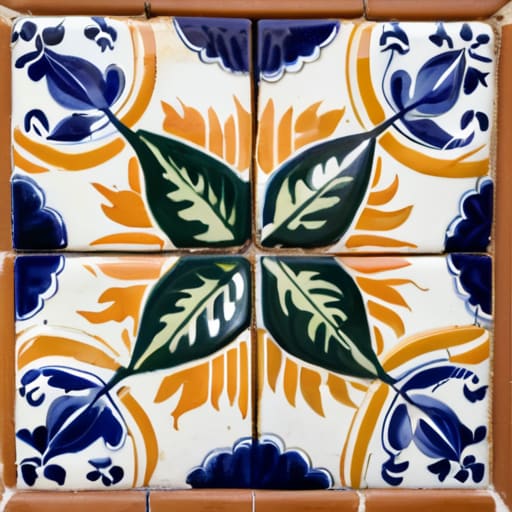
I was sitting in a cramped, salt-scented café in Alfama last Tuesday, nursing a lukewarm espresso, when I watched a tour group shuffle past. They were all clutching glossy guidebooks, pointing at the most famous monuments as if they were checking items off a grocery list. It struck me how much we miss when we treat culture like a museum exhibit rather than a living, breathing thing. People tend to talk about portuguese azulejos as if they are just decorative relics meant for high-end galleries or pristine palace walls, but that’s a total misconception. To me, the real magic isn’t in the untouched masterpieces; it’s in the chipped, sun-faded tiles clinging to the side of a neighborhood laundry shop or a crumbling corner bodega.
I’m not here to give you a dry history lesson or a list of the most expensive museums to visit. Instead, I want to show you how to actually see these patterns in the wild. I’ll share what I’ve learned from wandering through backstreets and quiet plazas, helping you find the stories hidden in the glaze. My goal is to help you skip the curated hype and find the authentic soul of the city through its streets.
Table of Contents
Tracing the Blue and White Azulejos History in Quiet Courtyards
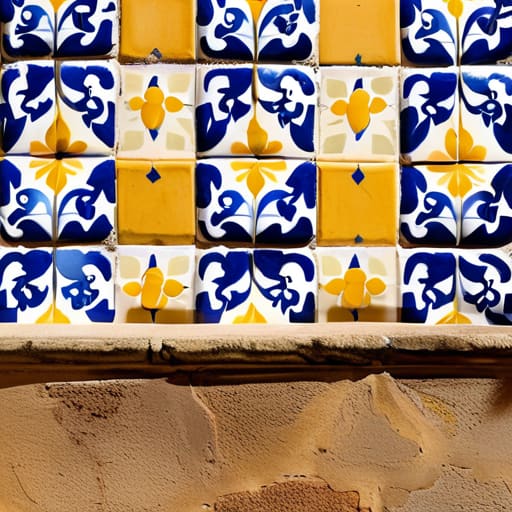
I spent most of yesterday morning ducking in and out of heavy wooden doors, looking for those narrow, shaded courtyards where the city’s noise finally fades away. It’s in these hidden spaces that the history of azulejos in Portugal feels less like a textbook lesson and more like a living, breathing thing. I found myself sitting on a stone bench in a small courtyard in Alfama, watching the light shift across a wall of hand-painted ceramic tiles. There was something so grounding about seeing the slight imperfections in the glaze—the tiny bumps and uneven edges that tell you a human hand, not a machine, guided the brush.
As I sat there, sketching a few shapes in my notebook, I realized how these patterns act as a visual language for the neighborhoods. You see the shift from the intricate, Moorish-inspired geometric shapes to the more fluid, narrative scenes that became popular later on. These aren’t just decorations; they are the silent storytellers of the streets. Whether it’s a grand manor or a crumbling corner shop, the tiles bind the architecture to the people who have lived behind them for centuries.
The Human Touch in Every Hand Painted Ceramic Tiles Detail
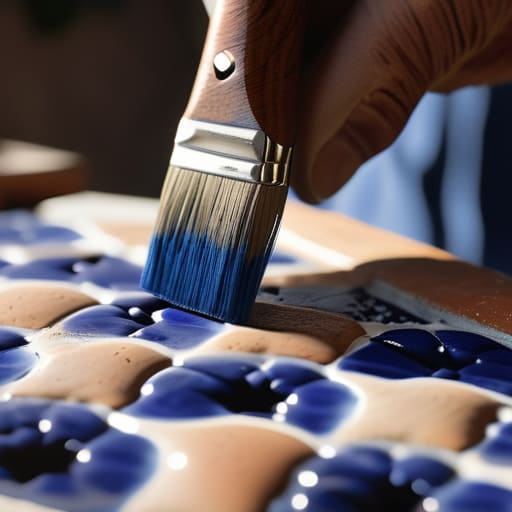
Sitting in a small workshop in Alfama last Tuesday, I watched an artisan’s hand move with a rhythmic, almost meditative precision. There is a specific kind of magic in hand-painted ceramic tiles that a factory-made print can never replicate. You can see it if you look closely enough—the slight tremor in a line, the way the cobalt pigment pools a little deeper in one corner than another, or a tiny, unintentional smudge where a thumb rested too long. These aren’t mistakes to me; they are the fingerprints of the person behind the craft.
When I trace the intricate loops of traditional portuguese tile patterns, I don’t just see geometry; I see a lineage of movement passed down through generations. It’s easy to get lost in the grand scale of a cathedral, but I find more meaning in the imperfections of a single, weathered tile tucked into a kitchen backsplash. These small variations remind me that culture isn’t a static museum piece—it is something living, breathing, and deeply human, shaped by hands that have been doing this same dance for centuries.
How to Spot the Real Stories Behind the Tiles
- Look for the imperfections. When you’re walking through a neighborhood like Alfama, don’t just look for the pristine, museum-quality displays. The real magic is in the slightly uneven glaze or the tiny crack in a tile that’s been weathered by decades of Atlantic salt air; that’s where the history actually lives.
- Follow the scent of sourdough and espresso. I’ve found that the most stunning, uncurated tilework isn’t in the grand plazas, but on the walls of the tiny, family-run bakeries and corner cafes. If a shop looks like it’s been there for generations, the tiles usually have a story to tell.
- Pay attention to the color shifts. While the blue and white patterns are iconic, keep an eye out for the warmer, earthy tones of the earlier eras. Seeing how the palette shifts from one street to the next is like reading a visual map of how the city’s tastes evolved over centuries.
- Get close, but stay quiet. If you’re lucky enough to find a courtyard with intact patterns, take a moment to just sit. Instead of snapping a dozen photos, try to observe how the sunlight hits the ceramic surfaces at different times of day—it changes the entire mood of the space.
- Seek out the “living” walls. Avoid the souvenir shops selling mass-produced replicas. Instead, look for the tiles that are integrated into the actual fabric of the buildings—the ones that serve as part of a doorway or a staircase. Those are the tiles that make the city feel like a home rather than a museum.
What the Tiles Taught Me
Beyond the aesthetics, azulejos are a living archive; they aren’t just decorations, but a way for a city to wear its history on its skin.
There is a profound beauty in the imperfections—the slight wobbles in a hand-painted line or a chipped edge tell you a real person was there, creating something meant to last.
To truly see these patterns, you have to slow down and wander away from the main squares, finding them in the quiet, sun-bleached corners where the locals actually live.
More Than Just Decoration
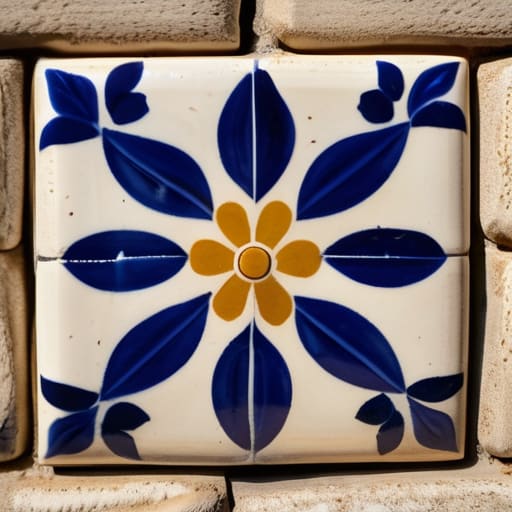
“When I run my fingers over the uneven glaze of an old tile, I’m not just touching ceramic; I’m touching the rhythm of a craftsman’s hand from a century ago, a quiet reminder that even in our rush to move forward, some stories are meant to be etched in clay and left to weather the sun.”
Anouk Verhoeven
More Than Just Decoration
As I pack my notebook away and prepare to catch my train, I can’t help but think about how these tiles are so much more than just architectural accents. From the sweeping historical narratives etched into the grander pieces to the imperfect, hand-painted charm of a single tile tucked behind a neighborhood café, they serve as a visual diary of Portugal. We’ve traced the evolution of these patterns through quiet courtyards and felt the pulse of the artisans who poured their lives into the glaze. It’s a reminder that even the most rigid ceramic can carry the fluidity of human history, evolving alongside the very streets they adorn.
Ultimately, my time spent chasing these patterns has taught me that beauty isn’t always found in the pristine or the polished. It’s in the cracks, the faded cobalt, and the way the sunlight hits a weathered wall at dusk. I hope that the next time you find yourself wandering through a labyrinthine alleyway, you’ll take a moment to look up. Don’t just see a wall; look for the story hidden in the glaze. When we stop rushing toward the next landmark and actually observe the small, ceramic details of a place, we begin to truly live within its culture rather than just passing through it.
Frequently Asked Questions
How can I tell the difference between an authentic, hand-painted tile and the mass-produced ones sold in souvenir shops?
I usually start by running my fingers over the surface. Mass-produced tiles are unnervingly perfect—flat, glassy, and repetitive. Authentic ones have a slight, tactile unevenness; you can feel the brushstrokes and the subtle ridges where the glaze pooled. Look closely at the patterns, too. If every tile is a carbon copy, it’s factory-made. In a real piece, there’s a tiny, beautiful imperfection in the pigment that tells you a human hand was actually there.
Are there specific neighborhoods or hidden spots in Lisbon where the tilework feels more intimate and less like a tourist attraction?
If you want to escape the crowds, skip the main plazas and head toward Graça or the quieter corners of Mouraria. I love wandering up the steep, narrow residential streets there; the tiles aren’t polished for show, they’re part of the lived-in fabric of the homes. You’ll find them on crumbling staircases or tucked behind a laundry line. It’s in those weathered, uncurated spots that the patterns actually feel like they belong to the neighborhood.
If I wanted to bring a piece of this culture home, what should I look for in terms of quality and traditional craftsmanship?
If you’re looking to bring a piece of this home, skip the mass-produced souvenir stalls near the tram lines. Look for the slight, beautiful imperfections—a tiny wobble in the glaze or a hand-painted line that isn’t perfectly straight. That’s where the soul lives. Seek out small, family-run workshops where you can actually see the kiln or smell the damp clay. Authentic tiles should feel substantial and heavy, not like thin, printed ceramic.
