
I was sitting in a cramped, dimly lit bistro in Marseille last autumn, the kind of place where the tablecloths are paper and the scent of garlic and sea salt clings to your clothes like a second skin. Around me, the room was a chaotic symphony of clinking glasses and overlapping laughter, yet I felt a strange, hollow ache in my chest. It’s a biting irony: you can be surrounded by people in a vibrant, living city and still feel completely disconnected. We often mistake being seen in public for true social wellness, but there is a massive difference between merely occupying the same space as others and actually feeling the warmth of a shared moment.
I’m not here to suggest you join a networking mixer or download another app designed to gamify your friendships. Instead, I want to talk about the unfiltered reality of building meaningful connections through the things that actually matter—like the ritual of a slow meal or the vulnerability of a long walk. I’ll be sharing what I’ve learned from years of traveling solo and eating in crowded markets: how to find genuine belonging in a world that often feels increasingly transactional and loud.
Table of Contents
Combating Social Isolation in the Quiet Corners of Life

There is a specific kind of loneliness that settles in when you’re traveling solo, even in a city teeming with life. I’ve felt it most acutely in the sterile silence of hotel rooms or while eating a quick sandwich on a park bench, watching the world move past without me. It’s a subtle ache, but it’s a reminder of how much we rely on the impact of social connection on mental health to stay grounded. To me, combating social isolation doesn’t require a grand gesture or a massive social circle; it happens in the small, intentional choices we make to step out of our own heads.
I’ve found that the best way to break that shell is to seek out “third places”—those little pockets of life like a neighborhood bakery or a community garden where people naturally congregate. It’s about building community engagement through the simplest of interactions, like asking the florist about their morning or sharing a heavy wooden table at a crowded market. These tiny, unscripted moments of human contact act as an anchor, reminding us that even when we are drifting, we are still part of a larger, breathing whole.
The Impact of Social Connection on Mental Health
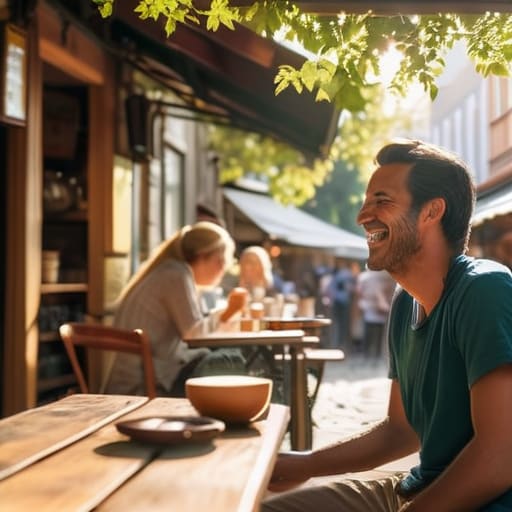
I’ve noticed that when I’m traveling alone, my mood tends to mirror the architecture of my surroundings. In a sterile, quiet hotel room, my thoughts can become heavy and circular. It’s during these stretches that I truly feel the impact of social connection on mental health. There is a physiological shift that happens when you move from the internal monologue of solitude into a shared space. Whether it’s a brief, meaningful exchange with a vendor or a long conversation over coffee, these moments act as an anchor, pulling us out of our own heads and back into the rhythm of the world.
Building these small, consistent threads of interaction helps strengthen our social support networks, even when we are halfway across the globe. It isn’t about having a massive circle of friends; it’s about the subtle, restorative power of being seen and heard. When we engage with others, we aren’t just passing time—we are practicing a form of emotional regulation that keeps us grounded. It turns the vast, sometimes overwhelming world into something that feels much more manageable and, ultimately, much more kind.
Small Rituals for Staying Tethered to the World
- Seek out the “third place”—that little corner cafe or neighborhood library where the staff knows your order. It’s not about making a best friend every time; it’s about the quiet comfort of being a recognized part of a landscape.
- Practice the art of the slow meal. Whether you’re eating alone or with a companion, put the phone away. Notice the textures, the scents, and the rhythm of the room. Presence is the first step toward connection.
- Lean into micro-interactions. A brief, genuine exchange with a vendor at a local market or a nod to a regular at the flower stall might seem trivial, but these tiny threads of recognition keep the feeling of isolation at bay.
- Host something low-stakes. You don’t need a formal dinner party or a perfectly set table. Sometimes, just inviting a neighbor over for tea or a simple bowl of pasta is enough to break the silence of a solitary week.
- Join a community based on shared sensory experiences. Whether it’s a local cooking class or a walking group, finding people who are looking at the same world you are makes the act of belonging feel much more natural.
Small Connections, Big Shifts
Social wellness isn’t about having a massive circle of friends or being the life of the party; it’s found in the small, consistent rhythms of showing up for others and being present in your community.
We have to be intentional about stepping away from our screens and into shared spaces—like a local market or a neighborhood cafe—to find the organic, unscripted interactions that actually nourish us.
Prioritizing connection is a form of self-care that goes beyond the individual, reminding us that our mental well-being is deeply tied to the strength of the invisible threads connecting us to the people around us.
The Shared Table
We spend so much time trying to optimize our lives for productivity, but I’ve learned that true wellness isn’t found in a solo routine; it’s found in the messy, unscripted magic of a shared meal, where the conversation flows as easily as the wine and you finally feel like you belong to the world again.
Anouk Verhoeven
Finding Our Way Back to Each Other

At the end of the day, social wellness isn’t about the number of followers we have or how many parties we attend; it is about the quality of our presence in the small, unscripted moments. We’ve looked at how intentional connection can act as a buffer against the creeping isolation of modern life and how deeply our mental health relies on feeling truly seen by another person. Whether it is through the shared silence of a long walk or the loud, messy joy of a communal dinner, these connections are the threads that keep us tethered to the world when things feel heavy.
As I pack my bags for my next destination, I am reminded that the most profound sense of belonging rarely comes from a guidebook or a landmark. It comes from the willingness to sit down at a stranger’s table and listen. I hope you take a moment today to seek out that genuine human spark—not in a curated space, but in the real, unfiltered corners of your own life. After all, we aren’t meant to navigate this beautiful, complicated world entirely on our own.
Frequently Asked Questions
How do you find meaningful connection when you're traveling solo and don't speak the local language?
I’ve learned that when the words fail, the senses take over. I rely on the universal language of a shared table. I’ll find a tiny, crowded stall, sit on a stool, and just observe. There’s a profound connection in nodding to a stranger over a steaming bowl of noodles or sharing a smile with a vendor. You don’t need perfect grammar to acknowledge someone’s humanity; sometimes, a shared moment of quiet appreciation is enough.
Is it possible to maintain social wellness when your lifestyle—like my constant moving—makes it hard to build long-term roots?
It’s a question I ask myself every time I unpack a new suitcase. When you’re always moving, “roots” look different. You stop looking for lifelong neighbors and start looking for micro-connections—the regular nod from the baker, or a meaningful hour spent over coffee with a stranger. Social wellness isn’t always about deep, decade-long history; sometimes, it’s about the intentionality of showing up, even if only for a season.
How can we tell the difference between "performing" social life for others and actually feeling a sense of community?
It’s the difference between taking a photo of your plate to show people you’re out, and actually forgetting your phone exists because the conversation is too good. Performance feels like a chore—it’s exhausting, curated, and leaves you feeling lonelier than when you started. Real community is messy. It’s the unpolished, unrecorded moments where you feel seen, not just observed. If you’re constantly checking how you look to the world, you aren’t actually there.
