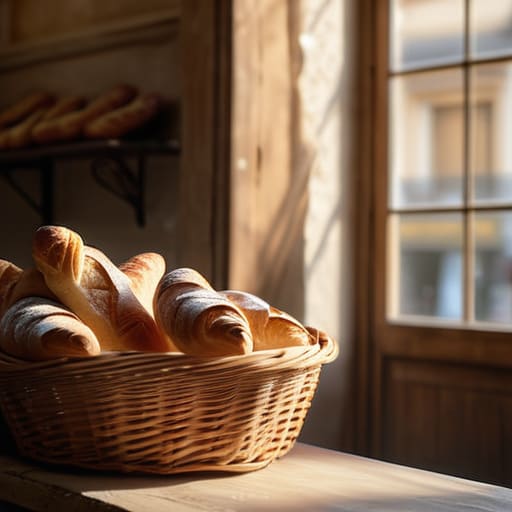
I was standing on a damp street corner in Lyon last Tuesday, clutching my notebook and trying to ignore the overwhelming scent of yeast and burnt sugar, when I realized something. Most guidebooks will point you toward the gold-leafed patisseries with the long queues of tourists, but that isn’t where you actually find the heartbeat of french bakery culture. The real magic doesn’t happen under crystal chandeliers; it happens in the quiet, flour-dusted chaos of a neighborhood boulangerie at 6:45 AM, where the only thing more important than the crust is the unspoken respect between the baker and the regular who shows up every single morning.
I’m not here to give you a curated list of the most “Instagrammable” croissants in Paris. Instead, I want to pull back the curtain on what it actually feels like to live alongside these ovens. I’ll be sharing the honest, unpolished reality of how to navigate local bakeries, how to spot a truly artisanal loaf, and how to find those small, unassuming corners where the bread tells a better story than any luxury dessert ever could.
Table of Contents
The Morning Ritual Decoding Traditional Baguette Standards
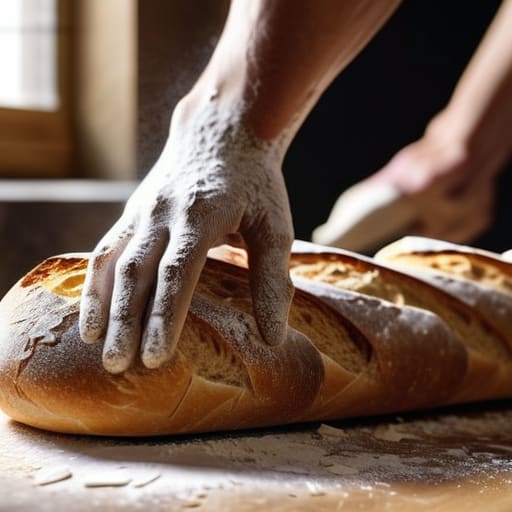
To understand a proper baguette, you have to look past the golden crust and listen to the sound it makes when it’s broken. There is a specific, musical crackle—the chant du pain—that tells you everything you need to know about the quality of the bake. In the small neighborhood boulangeries I frequent, the obsession with traditional baguette standards isn’t just about aesthetics; it’s about the science of the crust and the airy, honeycomb structure of the crumb. You aren’t just buying a loaf; you are witnessing the result of a very specific, disciplined rhythm.
I’ve learned that the best loaves often come from those who prioritize a slow levain fermentation process over the convenience of commercial yeast. When I sit in a sun-drenched cafe, watching a local tear into a warm baguette, I see a ritual that has remained largely unchanged for decades. It’s rarely about elaborate spreads; it’s often just a slab of salted butter and a moment of quiet before the city wakes up. This simplicity is where the real soul of the morning resides.
Patisserie vs Boulangerie Finding Where the Real Stories Live
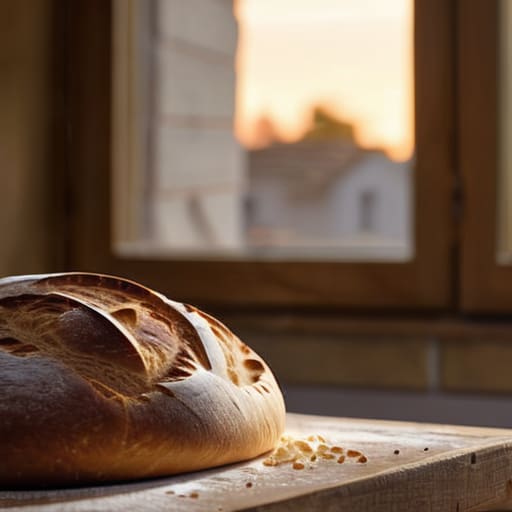
I used to get these two confused when I first started traveling, thinking they were just different names for the same floury heaven. But once you spend enough mornings watching the rhythm of a neighborhood, you realize the distinction is everything. A boulangerie is the heartbeat of the street; it’s where the focus remains on the crust, the crumb, and the slow, patient magic of the levain fermentation process. It’s a place of necessity, where people grab their daily loaf and exchange quick nods with the baker.
A patisserie, on the other hand, feels more like a gallery. This is where the delicate, sugar-dusted artistry of french pastry history comes to life. While the boulangerie feeds your hunger, the patisserie feeds your sense of wonder. If you’re looking for the soul of a city, don’t just choose one. I find that the best way to truly understand a local community is to sit in a tiny boulangerie for a simple tartine in the morning, then wander into a patisserie later to witness the meticulous precision of a mille-feuille. It’s in that balance between sustenance and indulgence that the real story unfolds.
How to Navigate the Boulangerie Without Feeling Like a Tourist
- Learn the difference between a tradition and a standard baguette. If you see “Baguette de Tradition” on the sign, grab it. It means they aren’t using additives or frozen dough; it’s just flour, water, salt, and yeast, baked with actual intention.
- Don’t be afraid of the early hours. The best bread isn’t found at noon when the shelves are picked over; it’s found at 7:00 AM when the crust is still singing—that little crackling sound a loaf makes as it cools.
- Follow the locals, not the crowds. If you see a line of people in work clothes or school uniforms snaking out a side door, get in it. That’s your signal that the quality is consistent and the price is honest.
- Master the “Bonjour” ritual. In a French bakery, the greeting is just as important as the transaction. A warm, sincere “Bonjour, Madame/Monsieur” before you even look at the display case changes the entire energy of the interaction.
- Embrace the crumbs. If you’re buying a pastry, don’t worry about being neat. The best pains au chocolat are the ones that leave a trail of flaky, buttery debris on your shirt—it’s the mark of a pastry worth eating.
Lessons from the Flour-Dusted Countertop
Look past the glossy window displays; the most authentic flavors are usually found in the unassuming shops where the locals form their daily queues.
Learn to respect the rhythm of the bake—there is a profound, quiet dignity in a process that refuses to be rushed by modern convenience.
Don’t just eat the bread; observe the ritual, smell the fermentation, and realize that a simple crust is often the most honest map of a city’s soul.
The Scent of Authenticity
You can tell a lot about a neighborhood by the way the air changes at 6:00 AM; it isn’t just the smell of yeast and toasted grain, but the quiet, rhythmic pulse of a community waking up to the same crusty loaf that has anchored their mornings for generations.
Anouk Verhoeven
Beyond the Crust
At the end of the day, navigating French bakery culture isn’t about mastering a checklist of pastries or knowing which shop has the highest rating on a map. It’s about understanding that a baguette isn’t just bread, and a patisserie isn’t just a dessert shop; they are the rhythmic heartbeats of the neighborhood. Whether you are deciphering the crust of a traditional loaf or choosing between the specialized craft of a boulangerie and the delicate art of a patisserie, you are participating in a centuries-old conversation. When you stop looking for the most Instagrammable window and start looking for the flour-dusted counters and the locals leaning against the wood, you finally start to see the real France.
So, the next time you find yourself wandering a cobblestone street in a town you can barely pronounce, do me a favor: put the guidebook away. Follow the scent of yeast and caramelized sugar instead. Find that tiny, unassuming doorway where the light is dim and the air smells of toasted grain, and just sit for a moment. The most profound cultural insights won’t come from a museum tour, but from the quiet, shared ritual of breaking bread in a corner cafe. It is in these small, unscripted bites that we truly find the soul of a place.
Frequently Asked Questions
How can I tell if a bakery is actually a "boulangerie" (making their own bread) or just a shop that resells frozen dough?
It’s a question I ask myself every time I step into a new neighborhood. The easiest giveaway? Look for the flour. A true boulangerie is a working kitchen, not just a storefront. You should see bakers moving in the early hours, the scent of yeast heavy in the air, and—most importantly—the crusts should have that irregular, rustic character that only comes from hand-shaping. If everything looks too perfect, too uniform, or arrives in plastic-wrapped trays, walk away.
Is there a specific time of day I should visit to avoid the crowds and get the freshest batches?
If you want the best of everything, aim for the “sweet spot” between 7:00 and 8:30 AM. It’s when the first warm batches hit the counter, but before the local commuters descend for their daily fix. If you’re a late riser like me, try mid-morning around 10:30 AM. The initial rush has faded, the shop is quieter, and you might actually get a moment to breathe and watch the neighborhood wake up.
What are the unspoken etiquette rules when ordering at a busy local counter so I don't stand out as a tourist?
The most important thing? Patience. When the line is long and the counter is frantic, don’t rush the person in front of you. Wait for a natural lull, make eye contact, and start with a polite “Bonjour.” Even if you’re struggling with the French, that one word changes everything. Avoid pointing aggressively at pastries; instead, use your words. And please, keep your phone in your bag. Being present is the ultimate sign of respect.
