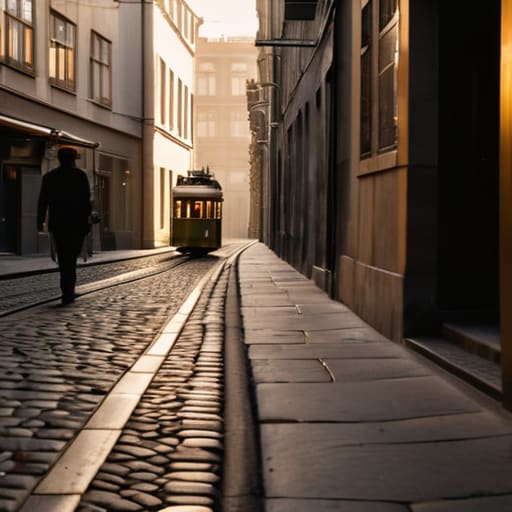
The smell of roasted coffee and damp cobblestones always hits me before I even lift my Leica. Last Tuesday, tucked into a corner of a narrow alley in Marseille, I watched an elderly man meticulously peel an orange, his hands stained with juice and time. It wasn’t a “perfect” shot—the lighting was messy and a scooter was blurring past in the background—but it felt honest. That is the trap people fall into with street photography: they chase the cinematic, high-contrast perfection you see on polished Instagram feeds, forgetting that the real soul of a city is often found in the unscripted, slightly grainy, and beautifully imperfect moments.
I’m not here to sell you on expensive lenses or complex technical manuals that make you feel like you need a degree just to take a photo. Instead, I want to share how I use my camera to document the human connection I find in the world’s most vibrant corners. We’re going to move past the gear obsession and focus on how to actually see—to find the quiet stories hidden in plain sight without feeling like an intruder.
Table of Contents
Capturing Urban Moments in the Quietest Corners
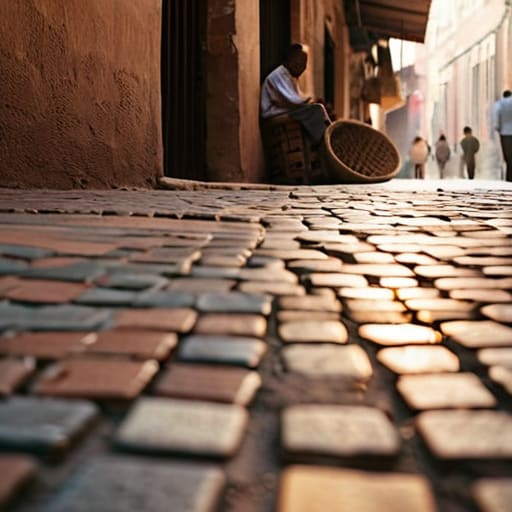
I’ve learned that the best shots rarely happen when you’re standing in the middle of a tourist thoroughfare, waiting for something “iconic” to happen. Instead, I find myself drifting toward the edges—the narrow alleyway behind a spice market or the shadowed corner of a quiet plaza where the light hits just right. It’s in these pockets of stillness that you truly begin capturing urban moments that feel earned rather than staged. I often find that if I sit still long enough in one spot, the city eventually reveals its rhythm to me.
When I’m working in these calmer spaces, I tend to lean into black and white street photography to strip away the visual noise of neon signs or colorful storefronts. Without the distraction of hue, I can focus entirely on the geometry of a shadow or the weary expression of a vendor closing up shop for the day. It’s less about technical perfection and more about the emotional texture of the scene. I don’t need a massive kit to do this; usually, just my small film camera and a sense of patience are enough to catch the soul of a place.
Mastering Composition in Street Photography Without the Noise
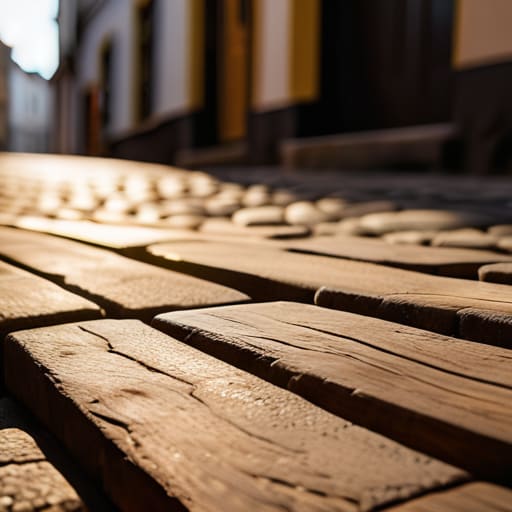
When I’m wandering through a dense market or a narrow alleyway, it’s easy to get overwhelmed by the visual clutter. My instinct is often to capture everything, but I’ve learned that the most impactful shots come from what you leave out. Instead of trying to frame the entire chaos, I look for leading lines—the way a weathered wooden table directs the eye, or how a shadow stretches across a cobblestone path. By focusing on composition in street photography, you can turn a messy intersection into a structured, intentional story.
I’ve also found that leaning into black and white street photography helps strip away the distractions of neon signs and colorful storefronts. When you remove color, you’re forced to rely on light, texture, and shape to convey emotion. It’s a bit like how I approach a new city’s food scene; I’m not looking for the bright, flashy displays, but for the subtle textures of a hand-kneaded dough or the way steam rises from a vendor’s pot. It’s about finding the rhythm within the rush.
Small Adjustments for a More Honest Lens
- Ditch the zoom and lean into the closeness; there’s a certain vulnerability in being physically present that a long lens just can’t replicate.
- Look for the light, not just the subject—the way a single afternoon sunbeam hits a vegetable stall can tell a better story than the stall itself.
- Practice the art of waiting; sometimes the best shot isn’t about moving through the crowd, but finding a good patch of light and letting the world walk into your frame.
- Keep your gear minimal so you don’t feel like an intruder; a small, unassuming camera helps you blend into the background of a busy market rather than standing out like a tourist.
- Focus on the hands—the way a vendor wraps a parcel or a child grips a piece of fruit often captures more character than a posed portrait ever could.
Lessons from the Sidewalk
Stop chasing the spectacle; the most honest stories are usually found in the stillness of a side street or the way light hits a vendor’s stall.
Composition isn’t about following rigid rules, but about finding a sense of balance amidst the urban chaos to make a fleeting moment feel permanent.
Put down the heavy gear and lean into intuition—sometimes the best way to capture a soul is to simply be present enough to notice it.
The Unseen Rhythm
Street photography isn’t about hunting for the loudest spectacle; it’s about leaning in close enough to catch the quiet, unscripted exhale of a city—the way light hits a vendor’s hands or the shared glance between strangers in a crowded market.
Anouk Verhoeven
Finding the Rhythm of the Street
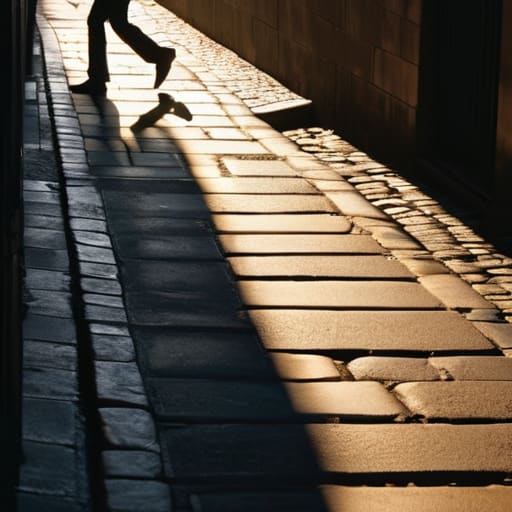
At the end of the day, street photography isn’t about chasing the loudest spectacle or the most obvious landmark. It’s about the discipline of looking closer—finding that perfect balance between intentional composition and the beautiful chaos of the unplanned. We’ve talked about stepping away from the main thoroughfares to find those quiet, unscripted corners and how mastering the negative space can actually make a single, fleeting moment feel monumental. By focusing on the subtle interplay of light and shadow rather than the frantic energy of the crowd, you learn to see the city not as a backdrop, but as a living, breathing entity that reveals its secrets only to those who are patient enough to wait.
As I sit in a small cafe tonight, scrolling through my film scans and smelling the faint scent of roasted cardamom from the market next door, I’m reminded that every photo is a fragment of a larger story. Your camera is simply a tool to help you document the human connection that exists in the most mundane spaces. Don’t worry about being perfect or capturing a masterpiece every time you step outside. Just keep walking, keep observing, and remember that the most profound stories are often found in the quietest of gestures.
Frequently Asked Questions
How do you manage to stay inconspicuous enough to capture these moments without making people feel like they're being watched?
Honestly, it’s all about the “slow approach.” I never rush in with my camera raised like I’m hunting for a trophy. Instead, I find a spot—a bench near a market stall or a corner cafe—and just exist there. I let the scene unfold around me. Once people stop seeing me as a stranger and start seeing me as just another person waiting for coffee, that’s when the real, unscripted magic happens.
Do you find that certain times of day or specific weather conditions change the way you approach the composition of a street scene?
Honestly, weather dictates my entire mood. On bright, harsh afternoons, I’m hunting for high-contrast shadows to hide the clutter. But my favorite moments? Overcast, drizzly mornings. The light is soft and forgiving, making everything feel a bit more intimate and cinematic. When it rains, the streets reflect the neon signs and street lamps, turning a simple sidewalk into something moody and layered. It forces me to slow down and really look.
When you're out shooting, how do you decide which fleeting interaction is worth documenting and which is just background noise?
I usually wait for a sense of friction or a sudden shift in rhythm. It’s rarely about a grand gesture; it’s the way a vendor’s hands pause mid-motion, or the specific, heavy silence between two people sharing a bench. If a moment makes me stop breathing for a second—or if it triggers a memory of a scent or a feeling—I know it’s worth documenting. If it doesn’t feel human, it’s just noise.
