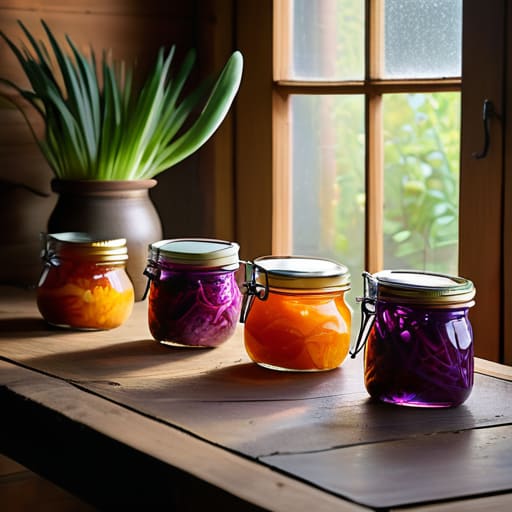
I still remember the heavy, vinegary scent of a tiny basement workshop in Copenhagen, where the air felt thick with the life of a thousand bubbling jars. I wasn’t there for a wellness seminar or a curated supermarket shelf; I was there because I wanted to understand why that specific, sharp tang made the local rye bread taste like history. Most people approach a fermented foods guide by looking for the most expensive probiotic pills or the trendiest “superfood” powders, but that’s not where the magic lives. Real fermentation isn’t a luxury lifestyle trend you buy in a plastic bottle; it is a living, breathing dialogue between a cook and their environment.
I’m not here to sell you on a complicated regimen or a list of overpriced supplements. Instead, I want to share what I’ve learned from crowded markets and quiet village kitchens about how to actually bring these flavors into your own life. This isn’t a clinical manual, but a practical, experience-based way to navigate the world of microbes. My goal is to help you find the soul in the jar, moving past the hype to discover how these ancient traditions can turn a simple meal into something deeply nourishing and profoundly human.
Table of Contents
Tracing Natural Probiotic Sources in Local Markets
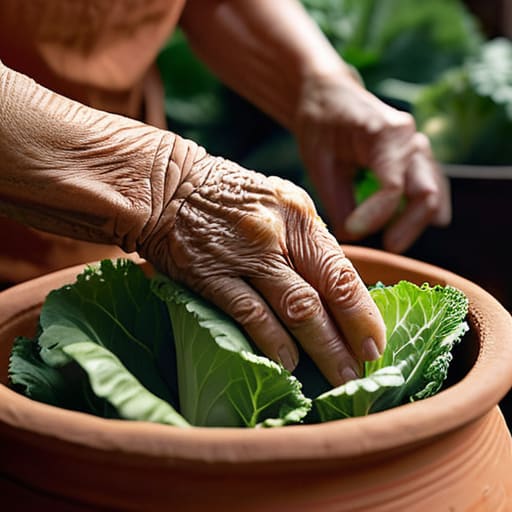
Whenever I find myself in a new city, my first instinct isn’t to check a map, but to follow my nose toward the nearest open-air market. There is a specific, sharp tang that cuts through the humid air of a morning market—a scent that signals something alive is happening in those jars and crocks. I remember wandering through a small village in the mountains of Georgia, where the air smelled heavily of brine and wild herbs. It was there, watching an elderly woman carefully pack cabbage into heavy clay vessels, that I truly understood the benefits of lacto-fermentation. It isn’t just a preservation method; it’s a slow, rhythmic conversation between the seasons and the soil.
Searching for natural probiotic sources in these settings feels much more intimate than browsing a sterile pharmacy aisle. You aren’t just looking for a pill; you’re looking for the bubbling, cloudy liquid in a jar of homemade pickles or the pungent, creamy depth of a local cultured cheese. These market finds offer a complexity that a capsule simply cannot replicate, connecting our digestive health and fermentation practices directly to the geography of the place.
The Quiet Magic of Lacto Fermentation Traditions
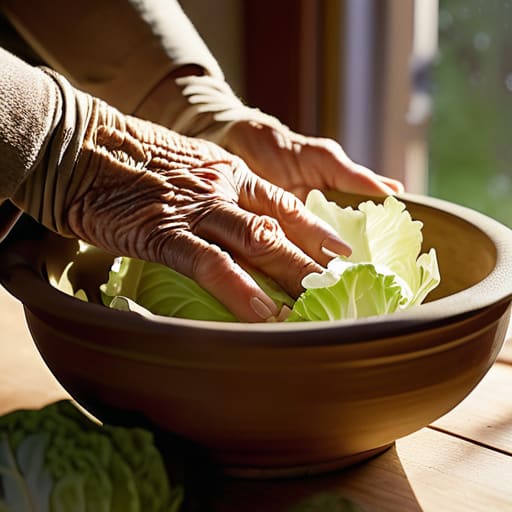
There is a specific kind of stillness that comes with watching a jar of vegetables transform over a week. It’s not the loud, fast-paced energy of a bustling market, but something more rhythmic. In many of the rural villages I’ve stayed in, fermentation isn’t a “wellness trend”—it’s just how you keep the harvest alive. I remember sitting in a sun-drenched kitchen in Eastern Europe, watching an elderly woman pack cabbage into heavy stoneware crocks. There was no measuring, just an intuitive sense of salt and weight. This is where the true benefits of lacto-fermentation reside: in that slow, microscopic dance that turns simple ingredients into something deeply complex.
When I compare the experience of eating a crisp, brine-soaked radish to taking a pill, the difference is visceral. While many people focus on the science of gut microbiome health benefits, I find myself more drawn to the sensory connection. There is a tang, a slight effervescence on the tongue, and a depth of flavor that a capsule simply cannot replicate. It’s a reminder that food is a living thing, and when we respect that process, we nourish more than just our bodies.
Small Rituals for Your Own Fermentation Journey
- Don’t fear the funk. When I first tried making my own sauerkraut in a tiny kitchen in Berlin, the smell was intimidating, but that sharp, acidic tang is exactly where the life is. If it smells like vinegar or yeast, you’re on the right track; if it smells truly putrid, trust your gut and let it go.
- Follow the salt, not just the recipe. I’ve learned from many a market vendor that salt is the gatekeeper. It’s not just for flavor; it’s what keeps the “bad” bacteria at bay while the good ones do their work. A precise salt-to-vegetable ratio is the difference between a crisp ferment and a mushy mess.
- Embrace the imperfections of hand-me-down cultures. Whether it’s a sourdough starter passed down through a family or a jar of kombucha SCOBY, these living things have personalities. They react to the humidity in your kitchen and the season outside your window. Treat them like roommates, not just ingredients.
- Keep your eyes (and nose) on the bubbles. Fermentation is a slow, quiet conversation. When you see those tiny, energetic bubbles rising to the surface, it’s a sign that the microbes are busy at work. It’s a small, beautiful reminder that even in stillness, there is immense activity.
- Prioritize seasonal, local produce. A fermented carrot tastes infinitely better when it’s been harvested from a nearby farm at the height of its sweetness. The sugars in fresh, seasonal vegetables provide the best fuel for the fermentation process, making the end result much more complex.
Lessons from the Jar
Stop looking for “superfoods” in a grocery aisle and start looking for them in the local market’s rhythm; true probiotics are found in the seasonal, living foods that a community has perfected over generations.
Respect the slow process; fermentation is a lesson in patience that reminds us that the most profound cultural flavors can’t be rushed or manufactured, only nurtured.
Eat with intention and curiosity; every jar of kraut or bowl of miso is a map of a specific place and its people, offering a way to taste a landscape long after you’ve left it.
The Living History in a Jar
“A jar of ferment isn’t just a recipe; it’s a living, breathing record of a place—the specific salt from its coast, the wild yeasts in its air, and the quiet patience of a culture that knows some things simply cannot be rushed.”
Anouk Verhoeven
Beyond the Jar
As I pack my notebook and prepare for my next train, I find myself thinking back to those bubbling crocks and sun-drenched market stalls. We’ve looked at how to spot real probiotic treasures in the chaos of a local market and how the patient, slow rhythm of lacto-fermentation acts as a living history of a community. Whether it’s a sharp, spicy kraut or a mellow, funky miso, these foods are more than just gut health trends; they are the tangible results of human patience and the clever ways our ancestors learned to dance with the seasons.
Ultimately, I hope you don’t just see fermentation as a way to improve your digestion, but as a way to reconnect with the world. The next time you find yourself in a new city, skip the polished supermarket aisles and look for the small, unassuming jars in the corner of a family-run deli. Listen to the stories behind the brine. When we embrace these fermented traditions, we aren’t just eating; we are participating in a global, ancient conversation that has been happening in kitchens for thousands of years. Slow down, taste the complexity, and let the flavors tell you where you really are.
Frequently Asked Questions
How can I tell if a fermented food in a local market is actually safe to eat versus just being spoiled?
It’s a valid fear—I’ve stood in front of many a jar, wondering if I was looking at a culinary treasure or a science experiment gone wrong. Generally, look for a pleasant, tangy aroma, like sourdough or pickles. If it smells putrid, sulfurous, or just “off,” walk away. Avoid anything with fuzzy, colorful mold (white or blue is okay in some contexts, but when in doubt, skip it) or a slimy, unappealing texture. Trust your nose; it’s your best guide.
Are there certain types of fermented foods that are easier for beginners to incorporate into a daily routine without feeling overwhelmed?
I used to think fermentation meant a jar of something pungent sitting on my counter, which felt intimidating. If you’re starting out, don’t aim for the heavy stuff. I usually begin with something mild, like a spoonful of creamy kefir in my morning oats or a bit of miso stirred into a warm broth. They’re gentle on the palate and easy to slip into a routine without feeling like you’re performing a culinary experiment.
How do I balance exploring these traditional, heavy fermented flavors with my own modern dietary needs?
I used to struggle with this, especially when a heavy, salty miso or a pungent kraut felt a bit much for my stomach. Now, I treat fermentation like a seasoning rather than a main event. I’ll add a small spoonful of a potent local ferment to a simple bowl of grains or roasted vegetables. It honors the tradition without overwhelming my palate or my digestion—it’s about finding that gentle, living balance.
