Category: Culture

  • The History and Emotion of Spanish Flamenco

    The History and Emotion of Spanish Flamenco

    I was sitting in a cramped, dimly lit tavern in the backstreets of Triana, the kind of place where the floor is perpetually sticky and the air smells of spilled Sherry and old wood, when I realized I’d finally found it. For years, I had been dodging those polished, overpriced “tablaos” that feel more like staged theater for tourists than anything resembling real culture. There is a specific, raw tension in true spanish flamenco that you simply cannot buy with a VIP ticket; it’s in the sudden, sharp crack of a heel against stone and the way a singer’s voice seems to break under the weight of a story they aren’t quite ready to tell.

    I’m not here to give you a polished itinerary or a list of the most Instagrammable venues in Seville. Instead, I want to pull back the curtain on how to actually find the soul of this art form without falling into the tourist traps. I’ll share what I’ve learned about seeking out the unfiltered rhythm of the barrio, focusing on the small, dusty corners where the music actually lives. Consider this your guide to finding the real heartbeat of Spain, one quiet, intense moment at a time.

    Table of Contents

    The Raw Ache of the Cante Jondo Singing Style

    The Raw Ache of the Cante Jondo Singing Style

    It wasn’t until I was sitting in a cramped, dimly lit tavern in Triana that I truly understood the weight of the music. It wasn’t the polished, stage-ready spectacle I had seen in brochures; it was something much more primal. When the singer finally leaned into the microphone, the room seemed to shrink. This was the cante jondo singing style in its purest, most unvarnished form—a deep, guttural cry that felt less like a song and more like a physical ache being pulled from the chest.

    There is a specific kind of vulnerability in those notes that makes you want to look away, yet you can’t. It’s a raw expression of grief and survival that is woven into the very fabric of Andalusian cultural heritage. As the singer’s voice cracked under the pressure of the melody, I found myself reaching for my notebook, not to write down words, but to try and capture that specific scent of old wood, spilled sherry, and heavy emotion. It felt less like a performance and more like a shared moment of human endurance.

    Tracing Flamenco Dance History in Quiet Andalusian Squares

    Tracing Flamenco Dance History in Quiet Andalusian Squares

    I spent a Tuesday afternoon wandering through the labyrinthine alleys of the Albaicín, far from the neon lights of the main plazas. It was in one of these quiet, sun-drenched squares—where the only sound was the distant clatter of ceramic plates—that I began to truly grasp the weight of flamenco dance history. You don’t find the real roots in a choreographed stage show; you find them in the way an elderly woman’s hands move as she gestures to her neighbor, or in the rhythmic, percussive tapping of a cane against cobblestones.

    There is a profound sense of continuity here, a living thread of Andalusian cultural heritage that refuses to be polished for a postcard. I sat on a low stone wall, notebook in hand, watching a small group gather near a crumbling fountain. There was no stage, just a wooden crate serving as a seat and the steady, grounding pulse of traditional cajón rhythms echoing off the whitewashed walls. It wasn’t a spectacle; it was a conversation, a way for the community to breathe together through movement and sound.

    How to Listen with More Than Just Your Ears

    • Skip the flashy dinner shows in the main plazas; they’re often choreographed for a crowd. Instead, look for a “peña”—a local flamenco club. It’s usually a small, dimly lit room where the audience stays quiet because they aren’t just watching a show, they’re witnessing a ritual.
    • Pay attention to the silence between the notes. In a real tablao, the tension lives in those breathless pauses where the singer holds a note or the dancer pauses mid-strike. That’s when you can actually feel the weight of the music.
    • Don’t be afraid to let yourself feel the discomfort. Flamenco isn’t meant to be “pretty” in the way a pop song is; it’s often heavy, dark, and deeply visceral. If it makes your chest feel a little tight, you’re probably experiencing it correctly.
    • Watch the hands as much as the feet. While the footwork (zapateado) provides the heartbeat, the movement of the fingers and arms carries the emotion. It’s a subtle language of grace and tension that tells a story all its own.
    • Follow the scent of sherry and fried fish. Often, the most authentic flamenco happens in the back rooms of tapas bars near the docks or in old neighborhoods. If the air smells of salt and aged wood, you’re likely in the right place to find something real.

    Beyond the Stage: What Flamenco Really Teaches Us

    Flamenco isn’t a performance for an audience; it’s a visceral, often painful release of emotion that demands you stop being a spectator and start being a witness.

    To find the true heartbeat of the art form, you have to step away from the polished theaters and look for it in the unscripted, grit-filled corners of local neighborhood bars.

    Understanding the music requires more than just listening—it’s about feeling the connection between the history of the people and the raw, rhythmic storytelling that survives in every stomp and song.

    Beyond the Stage Lights

    “I’ve learned that you don’t truly hear flamenco in a polished theater; you find it in the sudden, heavy silence of a tapas bar when a guitarist begins to play, a sound that feels less like music and more like a shared, exhaled secret.”

    Anouk Verhoeven

    The Echo in the Bone

    Flamenco music, The Echo in the Bone.

    Looking back on these dusty streets and the heavy, beautiful weight of the cante jondo, I realize that flamenco isn’t something you simply watch; it is something that happens to you. It’s not found in the polished, choreographed shows designed for cruise ship crowds, but in the way a singer’s voice cracks under the pressure of a lifetime of sorrow, or how a dancer’s feet strike the floor with a rhythm that feels more like a heartbeat than a melody. From the historical echoes in the quiet Andalusian squares to the raw, unvarnished emotion of the music itself, flamenco remains a living, breathing testament to human resilience.

    As I pack my notebook and prepare for my next stop, I find myself thinking about how much we miss when we only look at the surface of a place. To truly understand a culture, you have to be willing to sit in the dim light, listen to the uncomfortable truths, and let the rhythm settle into your own skin. Don’t just chase the landmarks; chase the unspoken stories tucked away in the corners of the world. Because in the end, the most profound connections aren’t found in a guidebook, but in the shared vulnerability of a single, perfect note.

    Frequently Asked Questions

    Beyond the big shows in Seville, where can I find those small, intimate tablaos that feel more like a community gathering than a performance?

    To find that intimacy, you have to steer clear of the polished venues with neon signs. Instead, wander into the deeper alleys of Triana in Seville or the smaller, dimly lit caves in Sacromonte, Granada. Look for the places where the floor is worn down and the “tablao” is just a makeshift space in a family-run bodega. It’s less about a ticket and more about being invited into a shared, breathing moment.

    How much of the music is improvised in the moment versus following a set structure?

    It’s a delicate, breathing tension between the two. There’s a rigid skeletal structure—the compás—that acts as the heartbeat; if you lose that rhythm, the whole thing collapses. But within those strict boundaries, there’s immense freedom. I’ve watched guitarists weave unexpected, soulful melodies mid-performance, reacting to a singer’s sudden intake of breath or a dancer’s sharp heel-strike. It’s less like a rehearsed play and more like a conversation where everyone knows the grammar but no one knows the exact words.

    Are there specific regional differences in the rhythm or style if I travel from Andalusia up toward Madrid?

    It’s a shift in energy, really. In Andalusia, the rhythm feels more tied to the earth—it’s heavy, soulful, and often feels like a private conversation in a dim tavern. As you head north toward Madrid, the atmosphere shifts. Madrid is where flamenco goes to perform; it becomes more polished, theatrical, and fast-paced. It loses some of that raw, dusty grit but gains a sophisticated, electric intensity that’s uniquely urban.

  • The Influence of Swahili Culture in Tanzania

    The Influence of Swahili Culture in Tanzania

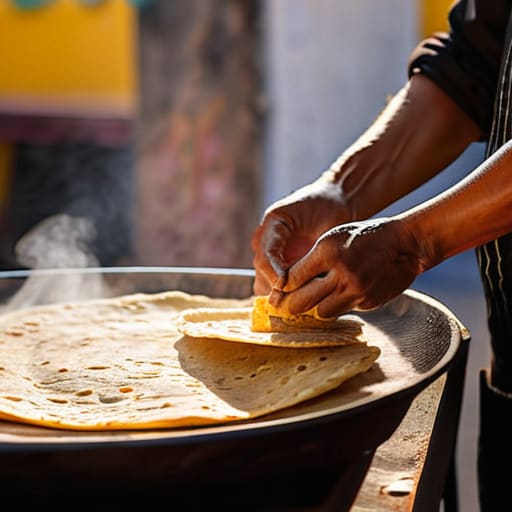
    The humidity in Stone Town doesn’t just sit on your skin; it carries the weight of a thousand years of trade, thick with the scent of cloves and drying seaweed. I remember sitting on a rickety plastic chair in a narrow alleyway last July, my notebook open and my fingers stained yellow from turmeric, watching an elderly woman expertly fold chapati with a rhythmic, practiced grace. Most guidebooks will try to sell you a sanitized, postcard version of tanzanian swahili culture, focusing on the grand architecture or the high-end spice tours that cost more than a week’s rent. But they miss the real pulse of the coast—the way life actually unfolds in the steam of a roadside kitchen or the shared laughter over a communal plate of pilau.

    I’m not here to give you a list of monuments or a checklist of “must-see” sights that feel more like museum exhibits than living traditions. Instead, I want to take you into the narrowest streets and the loudest markets to find the authentic heartbeat of this place. I’ll share the stories told through flavors and the quiet, everyday rituals that define the Swahili way of life, ensuring you skip the tourist traps and find the soul of the coast.

    Table of Contents

    Spices and Stories Exploring Swahili Culinary Traditions

    Spices and Stories Exploring Swahili Culinary Traditions

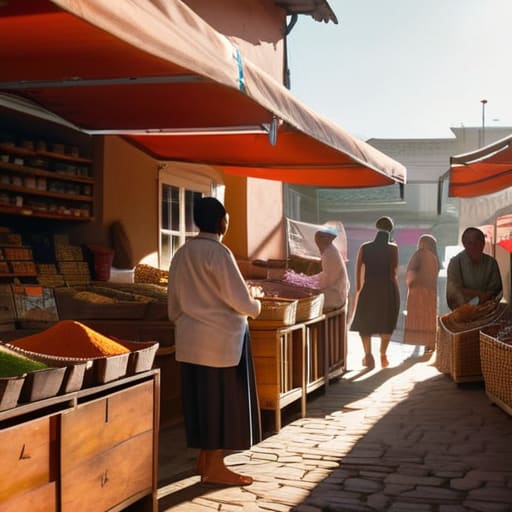
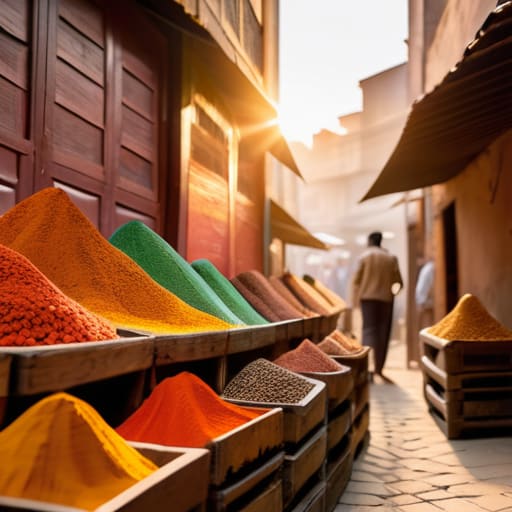
    I pulled my notebook from my bag, the pages already slightly damp from the humidity, and tried to capture the scent of the spice stalls in Stone Town. It’s an intoxicating, heavy layer of cloves, cardamom, and cinnamon that seems to hang in the air like a physical presence. This isn’t just seasoning; it is the sensory map of Swahili coastal heritage. As I watched a vendor toss handfuls of peppercorns into a scale, I realized that every dish here tells a story of movement—of people, goods, and ideas crossing the Indian Ocean.

    To taste a proper Swahili pilau is to understand the complex Bantu and Arab influences in Tanzania without ever opening a history book. You can taste the depth of the spices that arrived on dhows centuries ago, layered over local ingredients that have sustained families for generations. It’s a slow, deliberate kind of cooking that mirrors the rhythm of life here. In these kitchens, food isn’t just fuel; it is the primary way that East African social customs are practiced and passed down, one shared plate at a time.

    Bantu and Arab Influences in Tanzanias Coastal Kitchens

    Bantu and Arab Influences in Tanzanias Coastal Kitchens.

    To understand the flavors of the coast, you have to understand the history that simmered in the pots long before I arrived. The food here isn’t just a recipe; it’s a map of migrations. You can taste the deep, grounded roots of the Bantu people in the staples—the heavy reliance on coconut milk, tubers, and hearty grains that form the foundation of every meal. But then, there’s that sudden, aromatic shift. As you move through the narrow alleys of Stone Town, the scent of cloves and cardamom pulls you toward a different era, a reminder of the centuries of trade that brought Persian and Arab merchants to these shores.

    This intersection of Bantu and Arab influences in Tanzania is what makes the cuisine so layered. It’s in the way a simple fish curry uses local techniques but is elevated by spices that traveled across the Indian Ocean. It’s a culinary dialogue that mirrors the Swahili coastal heritage itself—a blend of indigenous strength and foreign elegance. When I sit down at a small family-run stall, I’m not just eating; I’m tasting the result of a thousand years of people meeting, trading, and eventually, sharing a table.

    How to Navigate the Coast Without Losing the Soul of the Experience

    • Leave the hotel buffet behind. If you want to actually understand the rhythm of Swahili life, head to the local mama lishe stalls. These are the women cooking incredible, home-style meals in small roadside setups; it’s where the real flavor—and the real community—lives.
    • Learn the art of the slow greeting. In Swahili culture, rushing into a transaction or a question is incredibly jarring. Take a moment to exchange a proper Habari (how are you) and let the conversation breathe before you get to the point. It’s about respect, not efficiency.
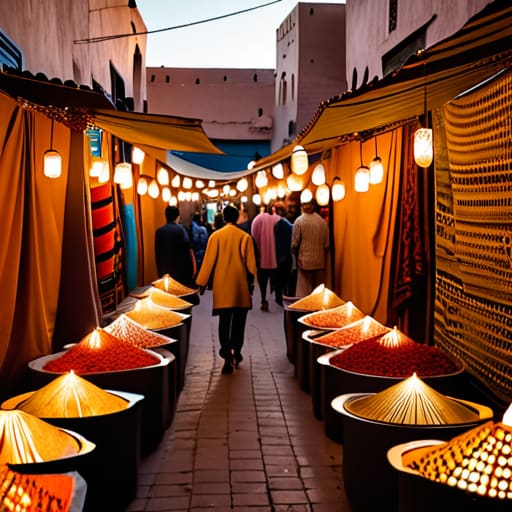
    • Follow your nose to the night markets. The best way to experience the sensory overlap of culture and food is to wander through the evening markets. The scent of charcoal-grilled mahamri and cloves hanging in the humid air tells a better story than any guidebook ever could.
    • Respect the communal nature of the table. Food here is rarely a solitary act. If you’re invited to share a meal, embrace the slow pace. It’s an invitation into a social fabric that values connection over convenience, so put your phone away and just be present.
    • Dress with intention and modesty. When you’re navigating the narrow, winding streets of Stone Town or coastal villages, remember that you’re a guest in a deeply traditional space. Keeping your shoulders and knees covered isn’t just about etiquette; it’s a way to signal that you respect the local way of life.

    The Heart of the Swahili Experience

    To truly understand Swahili culture, look past the grand monuments and find it in the sensory details—the scent of cloves in a coastal breeze or the communal rhythm of a busy market stall.

    The cuisine is a living map of history, where every pinch of cardamom and every grain of rice tells the story of centuries of Bantu, Arab, and Indian migration.

    Authentic connection happens in the quiet, unscripted moments, like sharing a meal on a low wooden stool rather than sitting in a polished hotel dining room.

    The Language of the Spice Trade

    “You can read all the history books you want, but you won’t truly understand the Swahili coast until you’re standing in the humid haze of a morning market, breathing in the scent of cloves and cardamom, and realizing that every spice in that bowl is a map of a thousand years of arrivals and departures.”

    Anouk Verhoeven

    More Than Just a Meal

    Swahili culture is More Than Just a Meal.

    Looking back at everything we’ve uncovered, it’s clear that Swahili culture isn’t something you can simply observe from a distance; it’s something you have to taste and feel. From the complex layering of spices that trace centuries of Arab and Bantu migration to the way a simple plate of pilau acts as a bridge between neighbors, the coastal kitchen is a living archive. It’s in the steam rising from a street vendor’s pot and the shared laughter over a communal meal that the true history of the Tanzanian coast reveals itself. To understand this place, you have to move past the guidebooks and embrace the sensory chaos of the market.

    As I sit here packing my notebook, thinking about the scents of cloves and cardamom that seem to cling to my clothes, I’m reminded why I travel in the first place. It’s never about checking a landmark off a list; it’s about those fleeting, quiet connections found in the middle of a crowded room. Swahili culture teaches us that hospitality is a universal language, and food is its most eloquent dialect. So, the next time you find yourself wandering a new city, don’t just look for the sights—look for the kitchen. That is where you will find the soul of the people.

    Frequently Asked Questions

    How can I find these authentic street food experiences without accidentally ending up in a tourist trap?

    It’s easy to get lost in the neon lights of the main drags, but my rule is simple: follow the steam and the crowds. If you see a stall where the menu isn’t written in English and the locals are standing around waiting for their food, you’ve found gold. Don’t be afraid to look a little lost; just find a spot with high turnover. If the ingredients look fresh and the rhythm feels real, sit down.

    Are there specific etiquette rules I should know before sitting down to share a meal in a local Swahili home?

    If you’re lucky enough to be invited into a Swahili home, remember that the meal is a sacred ritual of connection. Always use your right hand—the left is traditionally considered unclean. Even if you’re eating pilau with your fingers, stick to the right. Also, don’t rush to finish; lingering over your plate shows respect for the host’s hospitality. It’s less about the etiquette and more about the shared rhythm of the table.

    Beyond the food, what are the best ways to observe the daily rhythms of Swahili life in a way that feels respectful rather than intrusive?

    The best way to observe without intruding is to simply exist in the same spaces as the locals, but at a slower pace. Skip the guided tours and instead, find a corner in a neighborhood cafe or sit on a bench near a bustling market. Let the rhythms come to you. If you’re curious about something, ask a simple, open-ended question—maybe about a specific ingredient or a local craft—and listen more than you speak.

  • Understanding Canadian Multiculturalism

    Understanding Canadian Multiculturalism

    I was sitting in a cramped, steam-filled basement kitchen in Scarborough last Tuesday, the air thick with the scent of fermented chilies and toasted sesame oil, when it hit me. Most people talk about canadian multiculturalism as this grand, polished concept you see in government brochures or glossy tourism ads, but that’s not where the truth lives. The real story isn’t found in a textbook or a formal ceremony; it’s found in the clash of aromas between a dim sum parlor and a bakery selling sourdough on the same street corner. It’s messy, it’s loud, and it’s infinitely more beautiful than the sanitized version we’re often sold.

    I’m not here to give you a lecture on sociology or a list of polite platitudes. Instead, I want to take you past the monuments and into the actual neighborhoods where people are living their truths through food and tradition. I’ll be sharing the quiet, unscripted moments I’ve encountered while traveling through this country—the small cafes and crowded markets that actually define what it means to belong here. We’re going to look at the real, unfiltered heartbeat of a nation, one kitchen at a time.

    Table of Contents

    The Cultural Mosaic vs Melting Pot a Taste of Difference

    The Cultural Mosaic vs Melting Pot a Taste of Difference

    I remember sitting in a tiny, steam-filled dumpling house in Richmond, watching how the different generations interacted. It struck me then that Canada doesn’t try to blend everyone into a single, uniform flavor. While the American “melting pot” concept suggests melting everything down until you can’t tell the ingredients apart, Canada operates more like a cultural mosaic. Here, the individual pieces—the spices, the traditions, the specific ways of preparing a meal—remain distinct, even as they sit together on the same plate.

    This isn’t an accident; it’s the result of a deliberate multiculturalism act history that encourages people to hold onto their roots rather than shedding them to fit in. You see it most clearly in the way ethnic diversity in urban centers manifests through food. In a single city block, you can move from a scent of toasted cumin to the sweet aroma of baklava without feeling like you’ve left the neighborhood. It’s a fragile, beautiful balance that allows us to experience the world without ever having to board a plane.

    How Immigration Policy Impact Canadas Local Flavors

    How Immigration Policy Impact Canadas Local Flavors

    It’s easy to think of food as something that just happens, but when I sit in a dim kitchen in Brampton or a bustling deli in Montreal, I’m actually tasting the direct results of decades of legislation. The way a neighborhood is shaped isn’t accidental; the immigration policy impact in Canada is written in the very ingredients you find at your local grocer. Because the country has historically leaned into policies that encourage newcomers to maintain their heritage rather than shedding it, we see entire blocks dedicated to specific culinary traditions.

    This isn’t just about variety; it’s about the structural permission to exist as you are. Unlike the pressure to blend in, Canada’s approach fosters a unique kind of ethnic diversity in urban centers, where a single street might offer a seamless transition from Lebanese manakish to Vietnamese pho. When the laws support the preservation of identity, the kitchen becomes a sanctuary for those traditions. To me, a grocery store stocked with specific, hard-to-find spices isn’t just a convenience—it’s a quiet testament to a society that chooses to build its identity around many stories rather than just one.

    How to Taste the Real Canada (Beyond the Tourist Brochures)

    • Seek out the “ethnic” grocery stores in residential neighborhoods; that’s where the true history of a community is written in the aisles, from specific heirloom tomatoes to the exact brand of spices a grandmother would recognize.
    • Follow the scent of street food in immigrant-heavy hubs, because a steaming paper tray of dumplings or a spicy jerk chicken skewer often holds more cultural truth than any museum exhibit.
    • Look for the “third spaces”—the small, family-run cafes where multiple languages overlap—as these are the living rooms of Canada’s multicultural mosaic.
    • Eat seasonally, but pay attention to how different communities adapt those seasons; seeing how a newcomer’s traditional recipe meets a Canadian winter tells you everything about the process of belonging.
    • Skip the big, flashy festivals if you want intimacy; instead, find the small, neighborhood-level celebrations where the food is shared among neighbors rather than sold to crowds.

    What I’ve Learned from the Kitchens

    Multiculturalism isn’t just a policy concept; it’s a living, breathing reality you can taste in the way a single street corner in Toronto can offer everything from dim sum to samosas without losing its soul.

    The “mosaic” approach is what keeps local flavors from washing out, allowing immigrant communities to preserve their culinary heritage rather than being forced to blend into a bland, singular identity.

    To truly understand Canada’s social fabric, you have to look past the official narratives and listen to the stories being told over shared meals in the neighborhood markets and small, family-run eateries.

    The Kitchen as a Living Map

    “You can study all the policy papers you want, but if you really want to see how Canada’s multiculturalism breathes, you have to step into a crowded market in Brampton or a dim sum parlor in Richmond; it’s in the steam of a shared meal and the collision of unfamiliar scents that the true, unscripted story of this country is told.”

    Anouk Verhoeven

    Beyond the Plate

    Exploring Canadian multiculturalism Beyond the Plate.

    Looking back at how these layers come together, it’s clear that Canadian multiculturalism isn’t just a policy written in a government office; it is a living, breathing thing found in the steam of a dim sum basket or the spice stalls of a suburban grocery store. We’ve seen how the choice to preserve distinct identities—rather than forcing them into a single mold—has allowed these unique culinary traditions to flourish side-by-side. By understanding how immigration shifts and historical policies shape our local menus, we begin to see that the cultural mosaic is much more than a metaphor. It is a complex, beautiful, and sometimes messy reality that we experience every time we sit down to eat.

    Ultimately, my time spent wandering through these diverse neighborhoods has taught me that the true strength of a nation isn’t found in its grand monuments, but in its ability to hold space for everyone’s story. When we embrace the different flavors, scents, and traditions that others bring to our tables, we aren’t just tasting something new; we are participating in a larger conversation about belonging. So, the next time you find yourself in a new part of town, skip the chain restaurants and follow your nose toward the small, crowded kitchens. That is where you will find the real heart of the country, one shared meal at a time.

    Frequently Asked Questions

    How can we tell if a neighborhood's food scene is genuinely multicultural or just a curated version for tourists?

    You have to look past the polished signage. If a street is lined with restaurants that all have English-only menus and “authentic” written in neon, it’s likely a stage set. I look for the places where the menu is handwritten, where the smells of heavy spices don’t feel curated, and where the locals are actually sitting. Real multiculturalism isn’t a performance; it’s the messy, unpolished overlap of people eating exactly what they grew up with.

    Beyond the big cities, how does the immigrant experience shape the food culture in smaller, rural Canadian towns?

    It’s easy to get lost in the neon glow of Toronto’s food scene, but the real magic happens in the quiet corners. I recently sat in a tiny diner in rural Manitoba where the menu was a strange, beautiful collision: classic poutine sitting alongside handmade samosas. In these smaller towns, food isn’t just a trend; it’s how new neighbors introduce themselves. It’s a slow, delicious integration that happens one shared recipe at a time.

    As neighborhoods change and gentrification moves in, what happens to the small, family-run kitchens that define a community's identity?

    It’s a heartbreak I see too often. As rents climb, those tiny, steam-filled kitchens—the ones where the recipe is a family secret and the owner knows your name—get pushed out for minimalist espresso bars. When a family-run spot closes, a piece of the neighborhood’s soul goes with it. We lose more than a meal; we lose the living history of that street. It makes me realize how much we must fight to protect these culinary anchors.

  • The Significance of Indigenous Art Forms

    The Significance of Indigenous Art Forms

    I was sitting in a cramped, humid workshop in the highlands last summer, the air thick with the scent of damp earth and woodsmoke, when I realized I’d been looking at it all wrong. I had spent years in museums staring at polished, glass-encased pieces, but seeing a weaver’s hands move with such rhythmic, muscle-memory precision made the “museum version” feel strangely hollow. We often treat indigenous art as something static—a finished product to be hung on a white wall or sold as a high-end souvenir—but when you’re actually there, you realize it’s a living conversation between the maker, the land, and the ancestors.

    I’m not here to give you a lecture on art history or a list of overpriced galleries to visit. Instead, I want to pull back the curtain on how to actually connect with these works without falling into the trap of performative tourism. I’ll share what I’ve learned about spotting the real stories behind the patterns and how to support the communities that keep these traditions breathing. My goal is to help you move past the aesthetic and find the soul behind the craft.

    Table of Contents

    Decoding the Sacred Language of Indigenous Symbolism and Meaning

    Decoding the Sacred Language of Indigenous Symbolism and Meaning.

    I remember sitting in a sun-drenched courtyard in Oaxaca, watching a woman weave intricate patterns into a textile. To a passing tourist, it might have looked like mere decoration, but as I watched her hands move, I realized I was witnessing a complex form of indigenous visual storytelling techniques. Every line and color choice wasn’t accidental; they were glyphs, a way of recording lineage and the natural world without a single written word.

    Understanding these motifs requires more than just an eye for aesthetics; it requires a willingness to listen. When we look at indigenous symbolism and meaning, we aren’t just looking at “patterns”—we are reading a living history. A specific jagged line might represent the path of a river that sustains a village, or a certain shade of ochre might signal a connection to ancestral spirits. It’s a language that lives in the tension between the hand and the medium. To truly appreciate it, we have to move past the desire to simply “collect” and instead focus on honoring the intention behind every stroke and stitch.

    The Quiet Power of Traditional Indigenous Art Forms

    The Quiet Power of Traditional Indigenous Art Forms.

    I remember sitting in a small workshop in the highlands, the air thick with the scent of cedar and damp earth. There was no grand presentation, just the rhythmic, steady sound of a chisel meeting wood. It struck me then that traditional indigenous art forms aren’t meant to be static objects frozen behind museum glass; they are living, breathing extensions of the people who make them. There is a profound, quiet strength in watching a weaver’s fingers dance across a loom, or seeing how a carver breathes life into a piece of timber. It isn’t just about the finished product, but the continuity of the motion itself.

    When we engage with these works, we aren’t just consumers of aesthetics. We are witnessing a survival strategy. Many of these native community art practices serve as a way of anchoring a culture to its land, especially when the world around them is changing too fast. I’ve learned that if you want to truly honor these creators, you have to look past the souvenir stalls. It’s about finding those ethical ways to support indigenous artists directly, ensuring that the hands creating the magic are the ones being sustained by it.

    How to Honor the Stories Behind the Craft

    • Look for the maker, not just the object. I’ve learned that a piece loses its soul when it’s stripped of its origin, so I always try to find the artist’s name or the specific community they represent.
    • Skip the gift shops for the local markets. The mass-produced trinkets in the city centers rarely carry the weight of tradition; the real magic happens in those small, dusty stalls where you can actually see the texture of the materials.
    • Ask questions, but listen more. Instead of just snapping a photo, I like to ask about the meaning behind a specific pattern or pigment. It turns a transaction into a conversation and helps me understand the “why” behind the beauty.
    • Respect the sacredness of certain motifs. Not everything is meant for decoration, and some symbols are deeply tied to ceremony or lineage. If a piece feels heavy with significance, treat it with the reverence it deserves.
    • Buy directly from the source whenever possible. Whether it’s a weaver in a mountain village or a carver by the coast, ensuring your money goes straight to the hands that created the work is the best way to keep these living traditions breathing.

    Finding the Heart Beneath the Surface

    True connection comes from looking past the aesthetic; it’s about recognizing that every pattern and pigment is a living vessel for a community’s history and spiritual identity.

    Respecting the art means respecting the process—understanding that the slow, intentional creation of these pieces is just as significant as the final object itself.

    To truly honor indigenous creators, we must move away from seeing their work as mere souvenirs and start seeing it as a profound, ongoing conversation with the land.

    More Than Just Ornament

    “When I look at these pieces, I don’t see mere decoration; I see a living, breathing map of a people’s history, where every line and pigment acts as a vessel for stories that were never meant to be written down, only felt.”

    Anouk Verhoeven

    More Than Just an Artifact

    Indigenous art: More Than Just an Artifact.

    As I sit here in a small, sun-drenched cafe, flipping through my notebook of sketches and observations, I realize that indigenous art is never truly finished or static. It isn’t just a collection of symbols to be decoded or beautiful objects to be hung on a sterile gallery wall; it is a living, breathing vessel for history. We’ve looked at how every pattern carries a sacred language and how the very act of creation serves as a quiet, powerful form of resistance and continuity. To see these works is to witness a culture refusing to be silenced, ensuring that their ancestral heartbeat remains audible in a rapidly changing world.

    Moving forward, I hope you carry more than just a sense of aesthetic appreciation when you encounter these pieces. Whether you stumble upon a hand-woven textile in a bustling mountain market or a carved totem in a quiet forest clearing, try to listen with more than just your eyes. Look for the human connection—the calloused hands, the intentionality of the maker, and the stories that refuse to be erased. When we approach art with this kind of reverence, we stop being mere tourists and start becoming witnesses to the profound, beautiful truth of the human experience.
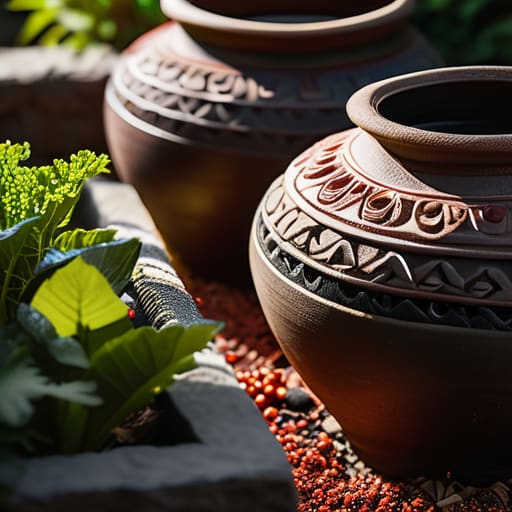
    Frequently Asked Questions

    How can I tell the difference between authentic indigenous pieces and mass-produced souvenirs made for tourists?

    It’s a question I get asked constantly, and honestly, it’s a tricky one. I’ve learned to look for the “soul” in the details. Mass-produced pieces often feel too perfect—symmetrical, glossy, and lacking weight. I look for the slight irregularities: a thumbprint in the clay or a variation in the dye. Most importantly, I ask about the process. If a maker can tell you the story of the material or the lineage of the pattern, you’re likely holding something real.

    Are there specific protocols or ways I should approach local artists when I want to learn about their work in person?

    It’s a delicate dance, honestly. I never just walk up and start snapping photos or asking heavy questions. I usually start by just being present—sitting in a market or a communal space, letting the rhythm of the place settle. If I see an artist working, I’ll ask permission first, often through a local guide who understands the nuances. It’s about showing respect for their time and their stories before you even reach for your notebook.

    How do these traditional art forms evolve when artists start incorporating modern materials or contemporary themes?

    It’s a delicate dance, isn’t it? I’ve sat in studios where I watched artists swap traditional ochre for acrylics, or weave synthetic fibers into ancestral patterns. It’s not a loss of soul; it’s a survival tactic. By using modern materials to tackle contemporary themes—like climate change or urban identity—they aren’t just preserving a museum piece; they’re keeping the conversation alive, ensuring their culture remains a living, breathing force rather than a relic of the past.

  • The Beauty of Portuguese Azulejos Tiles

    The Beauty of Portuguese Azulejos Tiles

    I was sitting in a cramped, salt-scented café in Alfama last Tuesday, nursing a lukewarm espresso, when I watched a tour group shuffle past. They were all clutching glossy guidebooks, pointing at the most famous monuments as if they were checking items off a grocery list. It struck me how much we miss when we treat culture like a museum exhibit rather than a living, breathing thing. People tend to talk about portuguese azulejos as if they are just decorative relics meant for high-end galleries or pristine palace walls, but that’s a total misconception. To me, the real magic isn’t in the untouched masterpieces; it’s in the chipped, sun-faded tiles clinging to the side of a neighborhood laundry shop or a crumbling corner bodega.

    I’m not here to give you a dry history lesson or a list of the most expensive museums to visit. Instead, I want to show you how to actually see these patterns in the wild. I’ll share what I’ve learned from wandering through backstreets and quiet plazas, helping you find the stories hidden in the glaze. My goal is to help you skip the curated hype and find the authentic soul of the city through its streets.

    Table of Contents

    Tracing the Blue and White Azulejos History in Quiet Courtyards

    Tracing the Blue and White Azulejos History in Quiet Courtyards.

    I spent most of yesterday morning ducking in and out of heavy wooden doors, looking for those narrow, shaded courtyards where the city’s noise finally fades away. It’s in these hidden spaces that the history of azulejos in Portugal feels less like a textbook lesson and more like a living, breathing thing. I found myself sitting on a stone bench in a small courtyard in Alfama, watching the light shift across a wall of hand-painted ceramic tiles. There was something so grounding about seeing the slight imperfections in the glaze—the tiny bumps and uneven edges that tell you a human hand, not a machine, guided the brush.

    As I sat there, sketching a few shapes in my notebook, I realized how these patterns act as a visual language for the neighborhoods. You see the shift from the intricate, Moorish-inspired geometric shapes to the more fluid, narrative scenes that became popular later on. These aren’t just decorations; they are the silent storytellers of the streets. Whether it’s a grand manor or a crumbling corner shop, the tiles bind the architecture to the people who have lived behind them for centuries.

    The Human Touch in Every Hand Painted Ceramic Tiles Detail

    The Human Touch in Every Hand Painted Ceramic Tiles Detail

    Sitting in a small workshop in Alfama last Tuesday, I watched an artisan’s hand move with a rhythmic, almost meditative precision. There is a specific kind of magic in hand-painted ceramic tiles that a factory-made print can never replicate. You can see it if you look closely enough—the slight tremor in a line, the way the cobalt pigment pools a little deeper in one corner than another, or a tiny, unintentional smudge where a thumb rested too long. These aren’t mistakes to me; they are the fingerprints of the person behind the craft.

    When I trace the intricate loops of traditional portuguese tile patterns, I don’t just see geometry; I see a lineage of movement passed down through generations. It’s easy to get lost in the grand scale of a cathedral, but I find more meaning in the imperfections of a single, weathered tile tucked into a kitchen backsplash. These small variations remind me that culture isn’t a static museum piece—it is something living, breathing, and deeply human, shaped by hands that have been doing this same dance for centuries.

    How to Spot the Real Stories Behind the Tiles

    • Look for the imperfections. When you’re walking through a neighborhood like Alfama, don’t just look for the pristine, museum-quality displays. The real magic is in the slightly uneven glaze or the tiny crack in a tile that’s been weathered by decades of Atlantic salt air; that’s where the history actually lives.
    • Follow the scent of sourdough and espresso. I’ve found that the most stunning, uncurated tilework isn’t in the grand plazas, but on the walls of the tiny, family-run bakeries and corner cafes. If a shop looks like it’s been there for generations, the tiles usually have a story to tell.
    • Pay attention to the color shifts. While the blue and white patterns are iconic, keep an eye out for the warmer, earthy tones of the earlier eras. Seeing how the palette shifts from one street to the next is like reading a visual map of how the city’s tastes evolved over centuries.
    • Get close, but stay quiet. If you’re lucky enough to find a courtyard with intact patterns, take a moment to just sit. Instead of snapping a dozen photos, try to observe how the sunlight hits the ceramic surfaces at different times of day—it changes the entire mood of the space.
    • Seek out the “living” walls. Avoid the souvenir shops selling mass-produced replicas. Instead, look for the tiles that are integrated into the actual fabric of the buildings—the ones that serve as part of a doorway or a staircase. Those are the tiles that make the city feel like a home rather than a museum.

    What the Tiles Taught Me

    Beyond the aesthetics, azulejos are a living archive; they aren’t just decorations, but a way for a city to wear its history on its skin.

    There is a profound beauty in the imperfections—the slight wobbles in a hand-painted line or a chipped edge tell you a real person was there, creating something meant to last.

    To truly see these patterns, you have to slow down and wander away from the main squares, finding them in the quiet, sun-bleached corners where the locals actually live.

    More Than Just Decoration

    Portuguese tiles: More Than Just Decoration.

    “When I run my fingers over the uneven glaze of an old tile, I’m not just touching ceramic; I’m touching the rhythm of a craftsman’s hand from a century ago, a quiet reminder that even in our rush to move forward, some stories are meant to be etched in clay and left to weather the sun.”

    Anouk Verhoeven

    More Than Just Decoration

    As I pack my notebook away and prepare to catch my train, I can’t help but think about how these tiles are so much more than just architectural accents. From the sweeping historical narratives etched into the grander pieces to the imperfect, hand-painted charm of a single tile tucked behind a neighborhood café, they serve as a visual diary of Portugal. We’ve traced the evolution of these patterns through quiet courtyards and felt the pulse of the artisans who poured their lives into the glaze. It’s a reminder that even the most rigid ceramic can carry the fluidity of human history, evolving alongside the very streets they adorn.

    Ultimately, my time spent chasing these patterns has taught me that beauty isn’t always found in the pristine or the polished. It’s in the cracks, the faded cobalt, and the way the sunlight hits a weathered wall at dusk. I hope that the next time you find yourself wandering through a labyrinthine alleyway, you’ll take a moment to look up. Don’t just see a wall; look for the story hidden in the glaze. When we stop rushing toward the next landmark and actually observe the small, ceramic details of a place, we begin to truly live within its culture rather than just passing through it.

    Frequently Asked Questions

    How can I tell the difference between an authentic, hand-painted tile and the mass-produced ones sold in souvenir shops?

    I usually start by running my fingers over the surface. Mass-produced tiles are unnervingly perfect—flat, glassy, and repetitive. Authentic ones have a slight, tactile unevenness; you can feel the brushstrokes and the subtle ridges where the glaze pooled. Look closely at the patterns, too. If every tile is a carbon copy, it’s factory-made. In a real piece, there’s a tiny, beautiful imperfection in the pigment that tells you a human hand was actually there.

    Are there specific neighborhoods or hidden spots in Lisbon where the tilework feels more intimate and less like a tourist attraction?

    If you want to escape the crowds, skip the main plazas and head toward Graça or the quieter corners of Mouraria. I love wandering up the steep, narrow residential streets there; the tiles aren’t polished for show, they’re part of the lived-in fabric of the homes. You’ll find them on crumbling staircases or tucked behind a laundry line. It’s in those weathered, uncurated spots that the patterns actually feel like they belong to the neighborhood.

    If I wanted to bring a piece of this culture home, what should I look for in terms of quality and traditional craftsmanship?

    If you’re looking to bring a piece of this home, skip the mass-produced souvenir stalls near the tram lines. Look for the slight, beautiful imperfections—a tiny wobble in the glaze or a hand-painted line that isn’t perfectly straight. That’s where the soul lives. Seek out small, family-run workshops where you can actually see the kiln or smell the damp clay. Authentic tiles should feel substantial and heavy, not like thin, printed ceramic.

  • The Ancient Traditions of Turkish Bath Culture

    The Ancient Traditions of Turkish Bath Culture

    I can still smell it if I close my eyes: the thick, heavy scent of eucalyptus and the damp, mineral tang of wet marble. I remember sitting on a heated stone in a dim corner of a neighborhood hamam in Istanbul, feeling completely stripped of my traveler’s ego. Most guidebooks will try to sell you on these ultra-luxury, gold-plated spa experiences that feel more like a sterile hotel lobby than a living tradition. But that’s not where the heartbeat of turkish bath culture actually lives. The real magic isn’t in the overpriced rose-water scrubs; it’s in the rhythmic slap of soap suds and the low hum of local gossip echoing against high, domed ceilings.

    I’m not here to give you a polished brochure or a list of “must-visit” tourist traps that drain your wallet. Instead, I want to take you into the steam. I’ll share what it’s actually like to navigate a local bathhouse, from the etiquette of the massage to finding those quiet, unassuming spots where the community actually gathers. This is about understanding the ritual, not just the relaxation.

    Table of Contents

    Tracing the Historical Significance of Turkish Baths

    Tracing the Historical Significance of Turkish Baths.

    To understand why these marble halls feel so heavy with importance, you have to look past the steam. These aren’t just places to wash; they are the architectural remnants of an empire. When I walk into an older bathhouse, I can almost feel the weight of the traditional ottoman bathing rituals that have played out on these same heated stones for centuries. In the Ottoman era, the hammam was the heartbeat of the community—a place where social hierarchies blurred under a thick layer of mist.

    It’s fascinating how the design itself dictates the rhythm of your visit. The transition from the cold room to the warm, and finally the hot chamber, mirrors a slow, intentional descent into stillness. This wasn’t just about hygiene; it was about a spiritual purification that shaped the very fabric of urban life. Even today, when you see the intricate tilework or the way the light filters through the dome’s eyelets, you realize the historical significance of turkish baths lies in their ability to turn a mundane necessity into a communal art form.

    Traditional Ottoman Bathing Rituals Beyond the Tourist Path

    Traditional Ottoman Bathing Rituals Beyond the Tourist Path

    While the polished marble of the high-end hotels is tempting, I’ve always found that the true heart of the experience lies in the neighborhood hamams where the steam is thicker and the pace is slower. There is a specific rhythm to the traditional ottoman bathing rituals that you won’t find in a brochure. It starts with the slow acclimation to the heat, followed by the intense, rhythmic application of kese and sabun massage techniques. As the attendant works the coarse mitt against your skin, you realize this isn’t just about cleanliness; it’s a physical shedding of the city’s grit and your own mental clutter.

    There is also a subtle social choreography at play that most visitors miss. Learning the unspoken turkish bath etiquette for travelers—like knowing when to offer a quiet nod to a stranger or how to navigate the shared warmth of the heated stone—makes you feel less like an observer and more like a participant. In these spaces, the distinction between “tourist” and “local” blurs under a layer of soap suds, leaving you with nothing but a profound sense of being truly present.

    How to Not Feel Like a Total Outsider: My Little Hamam Survival Guide

    • Leave your phone in your bag—and honestly, just leave it in your locker. There’s something incredibly jarring about seeing a glowing screen against the ancient marble. This is a place for sensory reset, not for scrolling.
    • Embrace the nudity, but keep it dignified. Most traditional places provide a peştemal (a thin, fringed towel) to wrap around you. Use it. It’s the universal uniform of the bath, and it helps you feel less exposed while you’re navigating the steam.
    • Don’t rush the scrub. The kese (exfoliation) can feel a bit intense if you’re not used to it, but resist the urge to flinch. Let the attendant do their work; it’s a deep, honest kind of clean that you just can’t replicate in a hotel shower.
    • Listen to the acoustics. The way sound bounces off the high, domed ceilings is mesmerizing. Instead of bringing headphones, just sit in the warmth and listen to the muffled echoes of splashing water and low conversations. It’s the heartbeat of the building.
    • Follow the tea ritual. Once you’re finished and feeling that heavy, post-steam lethargy, don’t just bolt for the exit. Sit in the lounge area and sip some hot tea. It’s the bridge between the ritual and returning to the real world, and it’s where the quietest observations happen.

    What I’ve Learned from the Steam

    The true value of a hamam isn’t in the luxury of the marble, but in the slow, shared rhythm of a space where everyone—regardless of status—is stripped down to their simplest self.

    To find the authentic heart of the ritual, you have to step away from the polished hotel spas and look for the neighborhood spots where the scent of olive oil soap and the sound of local chatter feel more like home than a destination.

    Understanding the bath is about more than just hygiene; it’s about recognizing how water and heat have acted as a social glue for centuries, turning a simple cleanse into a profound act of community.

    More Than Just Steam

    “You realize pretty quickly that a hamam isn’t just about the scrub or the heat; it’s about that rare, suspended moment where the frantic pace of the city outside just stops, and you’re left with nothing but the scent of eucalyptus and the quiet rhythm of people simply being human together.”

    Anouk Verhoeven

    More Than Just a Soak

    Turkish bath: More Than Just a Soak.

    As I sit here in a small cafe near the Sultanahmet, the scent of eucalyptus still clinging to my skin, I realize that a Turkish bath is never just about the physical cleaning. It is a layered experience that weaves together centuries of Ottoman history, the meticulous rhythm of traditional rituals, and the simple, unhurried pace of local life. From the grand, domed architecture that demands your silence to the steam-filled corners where strangers share a quiet moment of repose, these spaces serve as a living bridge between the past and the present. When you step away from the polished hotel spas and into these weathered, stone sanctuaries, you aren’t just a tourist; you are participating in a deeply human ritual of renewal that has survived the test of time.

    Ultimately, traveling isn’t about checking monuments off a list; it’s about these sensory, slow-motion encounters that ground us. The next time you find yourself in a new city, I hope you resist the urge to rush. Seek out the places where the air is heavy with steam and the only requirement is to simply exist. Whether it’s a bustling market or a neighborhood hamam, the most profound stories are often found in the quietest spaces. Let the world wash over you, and remember that sometimes, the best way to find yourself is to get lost in the steam.

    Frequently Asked Questions

    How do I know if a local hamam is a respectful place to visit or just a setup for tourists?

    Look for the lack of English menus and polished marketing. If you see families chatting in corners or older men playing backgammon in the lounge, you’re in the right place. A real hamam isn’t a “spa experience”; it’s a communal rhythm. If the air smells of simple olive oil soap rather than expensive lavender oils, and the staff treats you with a sort of polite indifference rather than eager service, you’ve found a sanctuary, not a trap.

    Is there a specific etiquette I should follow regarding clothing or how to interact with the attendants?

    It’s less about strict rules and more about a quiet, shared respect. Most people bring a peştemal—a thin, fringed cotton towel—but the hamams usually provide them. I always pack my own just to feel a bit more grounded. As for the attendants, a simple, polite nod goes a long way. They aren’t there to perform; they’re there to work. Just follow their lead, keep your movements calm, and let the rhythm of the room guide you.

    What should I actually expect to happen during a traditional scrub—is it as intense as it sounds?

    Honestly? It’s a bit of a shock to the system. You’ll be wrapped in a warm, damp cloth, and then comes the kese—that coarse mitt. It’s not a gentle spa massage; it’s an intense, rhythmic exfoliation that feels like it’s peeling away layers of your very soul. You’ll see dead skin rolling off in clumps, which is slightly mortifying, but once the soap suds follow, you feel lighter than air.

  • The History and Meaning of the Hawaiian Luau

    The History and Meaning of the Hawaiian Luau

    I still remember the smell of singed coconut and damp earth from a small, makeshift gathering in a backyard in Hilo—the kind of place where the smoke from the imu clings to your clothes and the laughter feels unscripted. It was a stark contrast to the polished, neon-lit version of a hawaiian luau I’d seen in glossy travel brochures, where the food feels secondary to the choreographed spectacle. I realized then that when you chase the big-name productions, you often end up paying a premium to watch a performance rather than participating in a culture.

    I’m not here to give you a list of the most Instagrammable resorts or the most expensive buffet lines in Waikiki. Instead, I want to help you find the authentic pulse of these gatherings, whether that’s through understanding the traditional methods of slow-cooking in the earth or knowing how to spot a meal that actually honors the land. My goal is to guide you toward the quiet, delicious moments that make a hawaiian luau feel less like a tourist checkbox and more like a genuine connection to the islands.

    Table of Contents

    The Earth Oven Magic of Traditional Kalua Pig Preparation

    The Earth Oven Magic of Traditional Kalua Pig Preparation.

    There is a specific scent that lingers in the air when an imu is being prepared—a heavy, intoxicating mix of damp earth, scorched wood, and sea salt. It isn’t the polished aroma of a restaurant kitchen; it’s something much more primal. I watched as the locals lined a pit with volcanic stones, heating them until they glowed, before layering banana leaves to create a steaming sanctuary for the pork. This part of the traditional kalua pig preparation is less about a recipe and more about a profound respect for the elements.

    As the meat slow-cooks underground for hours, the smoke infuses every fiber, transforming the pig into something incredibly tender and deeply soulful. It’s a slow, meditative process that stands in stark contrast to the frantic pace of modern life. To see a community gather around the pit, waiting for the earth to yield its gift, is to witness the very essence of island hospitality customs. It’s a quiet, rhythmic ritual that reminds you that the best things in life—and the most meaningful flavors—simply cannot be rushed.

    Honoring Oceanic Heritage Festivities Through Shared Stories

    Honoring Oceanic Heritage Festivities Through Shared Stories

    Sitting around a low table, long after the main courses have been cleared, you realize that these gatherings aren’t just about the food on the plate. As the evening settles, the conversation shifts from the flavors of the meal to the lineage of the people sitting beside you. I’ve learned that oceanic heritage festivities are less about the spectacle and more about the continuity of storytelling. Whether it’s an elder recounting a voyage or a younger generation learning the nuance of a specific chant, there is a profound sense of belonging that transcends the transient nature of travel.

    It’s in these quiet interludes—perhaps punctuated by the rhythmic grace of hula dance performances in the distance—that you truly feel the weight of the history being honored. These aren’t just performances for an audience; they are living vessels of memory. To witness these moments is to understand that the meal is merely the invitation to sit, listen, and connect with a culture that views hospitality as a sacred duty rather than a service.

    How to Find the Heart of the Feast (And Avoid the Tourist Traps)

    • Follow the smoke, not the brochures. The most authentic luau experiences aren’t found in glossy hotel pamphlets, but in the scent of woodsmoke drifting from smaller, community-focused gatherings where the food is prepared with patience rather than for speed.
    • Look for the hands, not the stage. Instead of focusing on the polished choreography of a big show, watch the people preparing the food. There is a profound, quiet beauty in seeing the elders work the poi or tend the imu; that’s where the real culture lives.
    • Ask about the lineage of the ingredients. A real meal tells a story of the land. If you can, ask where the taro was sourced or how the fish was caught. Understanding the connection between the plate and the Pacific is what turns a meal into an experience.
    • Embrace the slow pace. A traditional luau isn’t a buffet line to be rushed through; it’s a rhythm of eating and waiting. Let the meal unfold naturally, much like the way the tide moves, rather than trying to check every dish off a list.
    • Respect the sacredness of the meal. Remember that for many, these dishes are more than just flavors—they are ancestral connections. Approach the table with the same reverence you’d bring to a museum exhibit, listening more than you speak.

    What I’ve Learned About the True Spirit of a Luau

    Real connection isn’t found in a buffet line; it’s found in the patience of the slow-cooked, earth-oven process and the shared anticipation of a meal prepared with intention.

    To understand Hawaiian culture, you have to look past the spectacle and listen to the stories that weave the community together around the food.

    The most meaningful culinary experiences happen when you step away from the resort stage and seek out the quiet, rhythmic traditions that have sustained these islands for generations.

    More Than Just a Feast

    “A true luau isn’t about the spectacle or the polished presentation; it’s found in the scent of woodsmoke clinging to your clothes and that heavy, sacred silence that falls when a community finally sits down to share a meal that was pulled straight from the earth.”

    Anouk Verhoeven

    The Heartbeat of the Feast

    The Heartbeat of the Feast: Hawaiian Luau.

    As I sit here, notebook in hand, trying to capture the lingering scent of charred koa wood and sweet sea salt, I realize that a true luau is so much more than a meal. It isn’t just about the smoky, tender perfection of the kalua pig pulled from the underground imu, nor is it merely the rhythm of the drums or the spectacle of the dance. It is the intentionality behind it all—the way the earth is used to cook, the way stories are passed down through generations, and the way a single table can bridge the gap between a stranger and a neighbor. To experience a luau is to witness the living history of the islands, served one plate at a time.

    If you find yourself planning a trip to Hawaii, I urge you to look past the polished brochures and the manicured resort lawns. Seek out the places where the laughter feels unscripted and the food tastes of the soil and the sea. Travel isn’t about checking landmarks off a list; it’s about these quiet, sensory connections that ground us in a place we’ve never been. When you finally sit down at a local feast, don’t just eat—listen. You might find that the most important ingredient in any kitchen isn’t a spice, but the shared humanity found around the fire.

    Frequently Asked Questions

    How can I tell the difference between a commercial tourist luau and an authentic community gathering?

    Look for the noise—or rather, the lack of it. Commercial luaus feel like a production; the timing is too perfect, the lighting too staged. If you see a buffet line stretching out the door with generic tropical punch, walk away. An authentic gathering feels organic. It’s messy, loud, and centered around a shared fire rather than a spotlight. If the food is served with a side of unscripted laughter instead of a rehearsed speech, you’ve found it.

    What are the must-try side dishes beyond the kalua pig that actually represent local flavors?

    If you’re looking for the real soul of a luau, look past the pig to the poi. It’s a fermented taro paste—earthy, slightly tangy, and something you have to experience to truly understand. I also always reach for the lomi salmon; the saltiness of the fish against the crispness of the diced tomatoes is incredible. And don’t skip the haupia. That coconut milk pudding is simple, creamy, and tastes like pure island sunshine.

    Is there a specific etiquette or way to approach these feasts if I'm visiting a smaller, more traditional village setting?

    If you find yourself invited into a village setting, remember that you’re a guest in someone’s home, not a customer at a resort. I always try to arrive with a small, thoughtful gift—maybe some local fruit or even just a sincere, “Mahalo” for the invitation. Most importantly, watch the elders. If they wait a moment before eating, do the same. It’s less about rigid rules and more about moving with the natural, respectful rhythm of the community.

  • Exploring Scottish Highlands Traditions and Folklore

    Exploring Scottish Highlands Traditions and Folklore

    The rain was coming down in sheets, blurring the line between the grey sky and the dark hills, but I didn’t care. I was huddled in a corner of a stone cottage near Ullapool, my notebook open, trying to capture the heavy, comforting scent of damp wool and toasted oats drifting from the hearth. Most people come to Scotland looking for the cinematic version of the Highlands—the sweeping, polished imagery you see on postcards—but they often miss the actual pulse of the place. To me, the true essence of scottish highlands traditions isn’t found in a staged museum display or a pricey tourist performance; it’s found in the quiet, rhythmic way a community gathers around a shared meal to ward off the mist.

    I’m not here to give you a checklist of things to see or a guide to the most expensive gift shops in Inverness. Instead, I want to take you into the kitchens and the small, wind-swept villages where these customs actually live. I promise to share the stories that don’t make it into the glossy brochures—the unfiltered, honest moments of connection that happen when you stop looking for a spectacle and start looking for the soul of the Highlands.

    Table of Contents

    Whispers of the Past Highland Clan History and Ancient Crests

    Whispers of the Past Highland Clan History and Ancient Crests

    I spent a rainy afternoon in a small, wood-paneled library near Glencoe, tracing my fingers over the faded ink of old family trees. There is something heavy in the air there—not just the dampness of the hills, but the weight of centuries of lineage. To understand the Highlands, you have to look past the sweeping landscapes and into the intricate web of tartan and clan crests that define who belongs to which glen. It isn’t just about a pattern of wool; it’s a visual language of survival and identity that has been passed down through generations.

    As I sat there, a local historian mentioned how even the smallest knot in a weave could signal a person’s entire history. This connection to the past is deeply woven into traditional Celtic folklore, where every mountain peak and loch seems to hold a memory of a specific family’s struggle or triumph. It’s a reminder that these hills aren’t just scenery; they are the living, breathing archives of a people who refused to be forgotten.

    The Rhythm of the Glens Bagpipe Musical Heritage and Folklore

    The Rhythm of the Glens Bagpipe Musical Heritage and Folklore.

    I remember standing on a windswept ridge near Glencoe, the air so damp it felt like it was clinging to my skin, when the first notes of a drone drifted up from the valley. It wasn’t the polished, cinematic music you hear in travel documentaries; it was raw, piercing, and strangely intimate. This bagpipe musical heritage isn’t just about performance; it’s a sonic map of the landscape itself. The sound seems to climb the crags, echoing the old stories that have lived in these glens for centuries.

    As I sat there, notebook in hand, I realized that the music acts as a bridge to the traditional Celtic folklore that still pulses through the Highlands. It’s a language of its own, one that carries the weight of both celebration and mourning. Whether it’s the thunderous cadence heard during the Scottish Highland Games or a solitary lament played in a quiet village square, the music feels less like a hobby and more like a heartbeat. It’s a constant, rhythmic reminder that even as the world changes, some echoes are too deep to ever truly fade.

    Beyond the Tartan: How to Truly Connect with Highland Traditions

    • Skip the gift shops in the main squares. If you want to understand the real weight of Highland history, find the small, family-run museums or local community centers where the stories aren’t polished for tourists, but kept alive by the people who actually live there.
    • Listen for the silence between the songs. When you hear bagpipes, don’t just listen to the melody; try to notice how the sound interacts with the landscape. In the glens, the music feels less like a performance and more like a conversation with the wind and the hills.
    • Look for the communal table. Highland culture is deeply rooted in the idea of sharing—whether it’s a bowl of hearty soup in a local cafe or a dram of whisky in a quiet pub. Don’t be afraid to sit at a communal table; that’s usually where the best stories (and the most honest history) are told.
    • Follow the scent of the hearth. Much of Highland tradition is tied to the land and the seasons. Pay attention to what’s being cooked in small village kitchens—the use of oats, local game, or smoked fish—as these ingredients are the edible map of their ancestral survival.
    • Respect the local pace. Traditions here aren’t rushed, and neither should your observation. Instead of checking off a list of landmarks, allow yourself the luxury of sitting still in a single glen or village for a few days. You’ll find that the culture reveals itself much more slowly, and much more beautifully, when you aren’t in a hurry.

    What the Highlands Taught Me

    Tradition isn’t just found in museums or history books; it lives in the small, sensory details, like the specific scent of peat smoke or the way a melody can change the energy of a room.

    To truly understand the Highland spirit, you have to look past the grand, sweeping legends and find the connection between the land, the people, and the rituals that keep them grounded.

    The real heart of Scotland isn’t found in a gift shop, but in the quiet moments of shared heritage—whether that’s through a song or the way a community gathers around a common history.

    More Than Just a Pattern

    You can see the history in the tartans, sure, but you really feel it when you’re sitting in a drafty stone cottage, watching how a single shared pot of porridge or a heavy dram of whisky acts as the invisible thread holding a community together.

    Anouk Verhoeven

    The Living Breath of the Highlands

    The Living Breath of the Highlands landscape.

    As I pack my notebook away, the echoes of the bagpipes still seem to linger in the crisp air, and the weight of clan history feels less like a textbook lesson and more like a living, breathing presence. We’ve traced the lines of ancient crests and felt the rhythmic pulse of music that has survived centuries of change. But more than the grand symbols or the loud melodies, it is the quiet persistence of these traditions—the way they anchor a person to their landscape—that truly defines the Highlands. It isn’t just about preserving the past; it’s about how those ancestral threads continue to weave themselves into the fabric of the modern day.

    If there is one thing I’ve learned from wandering these glens, it’s that you don’t find the soul of a place by checking items off a list. You find it when you stop rushing and start listening to the stories told in the silence between the hills. Whether it’s a shared meal by a peat fire or the way a local speaks of their kin, the real magic lies in the connection between the land and the people who call it home. So, when you find yourself here, don’t just look at the scenery—let it settle into you. Travel not to see, but to belong, even if only for a moment.

    Frequently Asked Questions

    Beyond the formal ceremonies, how do local families actually keep these clan traditions alive in their everyday lives?

    It’s rarely about the grand ceremonies for most people I meet. Instead, it’s in the small, unscripted things—like a grandmother teaching her grandson the specific way to fold a certain pattern of tartan, or the way a local pub feels more like a living room when the clan history is brought up over a dram. It’s tucked into the recipes passed down through generations and the quiet pride of knowing exactly which glen your name belongs to.

    Are there specific seasonal festivals or gatherings where I can experience the traditional music and folklore without it feeling like a staged performance for tourists?

    To find the real thing, you have to time your travels around the local ceilidhs and seasonal shifts. Instead of the big, polished festivals, look for village hall gatherings during Samhain or local Burns Night celebrations. I remember stumbling into a small community hall in Skye during a local feast; there was no stage, just fiddle players in the corner and people dancing until their feet ached. That’s where the folklore actually breathes.

    How has the modern Highland diet evolved from its traditional roots, and are there still small, local eateries serving authentic, old-world recipes?

    The diet has definitely shifted; you see more global influences in the bigger towns, but the soul of the Highlands remains in its rugged simplicity. While modern convenience has crept in, I still find magic in small, family-run bothies that prioritize local oats, venison, and whatever fish was pulled from the loch that morning. It’s less about fancy plating and more about that honest, heavy warmth that keeps the damp chill at bay.

  • The Cultural Impact of Brazilian Carnival

    The Cultural Impact of Brazilian Carnival

    I remember standing on a corner in Salvador, the humidity sticking my shirt to my back, as the scent of acarajé frying in palm oil drifted through a thick cloud of percussion. Everyone tells you that Brazilian Carnival is about the massive, glitter-drenched parades you see on television, but they’re selling you a polished, expensive version of the truth. The real magic isn’t found in a VIP lounge or a pre-packaged tourist excursion; it’s in the salt on your skin and the way the rhythm of a neighborhood drum circle makes the very pavement feel alive under your feet.

    I’m not here to give you a glossy brochure or a list of overpriced hotels. Instead, I want to take you into the unscripted heart of the celebration—the narrow streets, the local kitchens, and the communal energy that actually defines the season. I’ll show you how to navigate the chaos without losing your soul (or your budget), focusing on the small, sensory details that make the experience feel like living, rather than just spectating.

    Table of Contents

    Finding Heart in the Rio De Janeiro Parade Traditions

    Finding Heart in the Rio De Janeiro Parade Traditions.

    While the sheer scale of the Sambadrome can feel overwhelming, there is a specific, rhythmic gravity to the samba school competition that goes far beyond the spectacle. I found myself sitting near the edge of the arena, watching the dancers prepare. It isn’t just about the glitter; it’s about the months of communal labor poured into every stitch of the carnival costumes and floats. You can feel the tension and the pride vibrating through the concrete. It is a high-stakes ritual where entire neighborhoods stake their reputation on a single night of movement.

    However, if you want to see how these traditions actually breathe, you have to look at the exhaustion and the joy in the eyes of the performers once the music stops. The sambadrome experience is a sensory overload of neon and percussion, but the true heart lies in the shared history of the songs. These aren’t just melodies; they are oral histories being sung at the top of lungs. It is a heavy, beautiful weight to witness—the way an entire community can turn a competition into a profound act of cultural survival.

    The Soul Behind the Samba School Competition

    The Soul Behind the Samba School Competition.

    It’s easy to get lost in the sheer scale of the Sambadrome, but if you sit still for a moment, you realize the spectacle isn’t just about the glitter. The true weight of the samba school competition lies in the year-long labor of entire neighborhoods. I spent an afternoon wandering near one of the community workshops, and the air was thick with the scent of sawdust and industrial glue. Seeing the artisans meticulously hand-stitching intricate carnival costumes and floats reminded me that this isn’t just a show; it’s a massive, collective act of cultural preservation.

    For these communities, the parade is a chance to claim space and tell their specific history to the world. There is a profound, almost spiritual tension in the air as the drums begin to sync. It isn’t just about the rhythm; it’s about the pride of a thousand people moving as one. When you witness that level of dedication, the sambadrome experience shifts from a tourist spectacle to something much more raw and deeply human. It’s the heartbeat of a city that refuses to be silent.

    Beyond the Spectacle: How to Navigate Carnival Without Losing Your Way

    • Skip the VIP bleachers for at least one night. While the Sambadrome is a marvel of engineering and costume, there is a specific, unscripted magic in the blocos—the street parties that wind through the neighborhoods. It’s messy, it’s loud, and it’s where you’ll actually feel the city breathing.
    • Follow your nose to the street vendors. You’ll see them everywhere, selling everything from chilled coconut water to pastel. Don’t overthink it; if you see a crowd of locals gathered around a small cart, that’s your cue. It’s the best way to fuel up between dancing.
    • Learn the rhythm of the “quiet” hours. The energy of Carnival is a marathon, not a sprint. I’ve learned that the best way to avoid burnout is to find a small, shaded café in Santa Teresa during the mid-afternoon lull to reset before the evening madness begins.
    • Pack for utility, not just aesthetics. You’ll want lightweight, breathable fabrics and, most importantly, shoes you don’t mind getting a bit dusty. A pair of sturdy sandals is much better than anything that looks pretty but won’t survive six hours of cobblestone walking.
    • Embrace the unplanned. My best stories—and my favorite smells—never come from the scheduled tours. If a side street suddenly erupts in drumbeats, follow it. The real soul of the festival isn’t on the itinerary; it’s in the spontaneous moments where the music finds you.

    Beyond the Spectacle: What Carnival Really Leaves You With

    Real connection isn’t found in the grandstand seats, but in the small, rhythmic moments—the shared street food, the neighborhood drum circles, and the way a city breathes together when the music starts.

    Understanding the samba schools is less about the costumes and more about the year-round community and the deep-rooted pride that fuels every single stitch and beat.

    To truly experience Carnival, you have to look past the televised glitter and follow the scent of the street markets and the sound of the local percussion into the heart of the community.

    Beyond the Glitter

    “People think Carnival is a spectacle meant to be watched, but when you’re standing in a humid side street in Salvador, you realize it’s actually a conversation—a rhythmic, sweat-soaked dialogue between a community and its history that no televised parade could ever truly capture.”

    Anouk Verhoeven

    Beyond the Glitter and the Noise

    Beyond the Glitter and the Noise.

    As I sit in a small, dimly lit cafe a few blocks away from the main parade route, my notebook is filled with more than just dates and locations; it’s filled with the scent of fried pastéis and the lingering vibration of the drums. We’ve looked at the grand spectacle of the Rio parades and the intense, communal discipline of the samba schools, but the true essence of Carnival isn’t found in a single trophy or a televised moment. It is woven into the interconnected threads of community, history, and the sheer, unadulterated joy of people reclaiming their streets. To truly understand Brazil, you have to look past the sequins and see the humanity driving the rhythm.

    If you ever find yourself caught in the middle of the madness, don’t try to map it out or follow a strict itinerary. Let the music pull you toward the side streets and the smaller neighborhood gatherings where the celebration feels less like a show and more like a homecoming. Travel isn’t about checking a massive festival off a bucket list; it’s about those fleeting, quiet connections that happen when you stop being an observer and start being a participant. Carnival reminds us that even in a world that feels increasingly fractured, there is still a universal language in the dance.

    Frequently Asked Questions

    How can I find those smaller, neighborhood-led street parties (blocos) without getting lost in the massive tourist crowds?

    To find the real magic, you have to step away from the main avenues. I usually skip the big social media announcements and instead, I wander into the residential side streets of neighborhoods like Santa Teresa or Botafogo. Look for where the locals are gathering around a portable speaker or a small corner bar. If you follow the sound of a local brass band and the smell of roasting meat, you’ll find the best blocos.

    What should I look for in a local market to find the best seasonal ingredients that define the festive flavors of the season?

    Don’t head for the polished stalls near the main squares. Instead, look for the vendors with the most weathered hands and the smallest, most chaotic displays. I always hunt for the seasonal shifts: the heavy, fragrant mangoes or the specific peppers that signal a festival is approaching. If a stall is crowded with locals rather than people with cameras, you’ve found it. Follow the scent of bruised herbs and ripe fruit—that’s where the real flavor lives.

    Is there a way to experience the music and dancing in a more intimate setting that doesn't involve a massive stadium ticket?

    If you want to escape the stadium lights, look for the blocos. These are street parties that weave through neighborhoods, and they are where the real magic happens. You’ll find yourself dancing alongside locals in narrow streets, fueled by nothing but a portable sound system and pure energy. It’s loud, it’s sweaty, and it’s completely unscripted. Just follow the rhythm and the scent of frying acarajé—that’s usually where the best dancing is.

  • Living With the Principles of Japanese Minimalism

    Living With the Principles of Japanese Minimalism

    I remember sitting on a worn tatami mat in a tiny apartment in Kanazawa, the air smelling faintly of cedar and toasted rice. I had spent the previous hour watching an elderly woman meticulously arrange a single ceramic bowl on a wooden table, and it hit me: most people completely misunderstand japanese minimalism. We’ve been conditioned to think it’s about those sterile, cold, all-white showrooms you see in high-end design magazines—spaces that look beautiful but feel utterly lifeless. To me, that isn’t minimalism; it’s just an expensive kind of emptiness that lacks a soul.

    I’m not here to sell you on a lifestyle of deprivation or a checklist of aesthetic items you need to buy to “achieve” a certain look. Instead, I want to share what I’ve learned from living out of a suitcase and observing how intentionality actually works in a home. We’re going to look past the Instagram filters to explore how japanese minimalism can actually help you make room for what matters, focusing on the quiet connection between our surroundings and our daily rituals.

    Table of Contents

    Embracing Wabi Sabi Aesthetic Principles in Daily Life

    Embracing Wabi Sabi Aesthetic Principles in Daily Life

    During my time in Kanazawa, I spent an afternoon watching an elderly potter repair a cracked tea bowl with gold lacquer. It wasn’t about hiding the flaw, but celebrating it. This is the heart of wabi-sabi aesthetic principles: finding beauty in the imperfect, the impermanent, and the incomplete. In my own life, I’ve started applying this to my small rental spaces. Instead of chasing that sterile, showroom perfection we see on social media, I’ve begun to cherish the chipped ceramic mug I bought at a roadside stall or the way the light hits a weathered wooden table. It’s a shift from seeking “new” to seeking meaningful.

    Integrating this into a modern routine doesn’t require a total overhaul. For me, it’s about intentional living practices that prioritize quality over quantity. It means choosing a single, well-crafted linen cloth for my kitchen rather than a drawer full of cheap disposables. By embracing these subtle imperfections, we stop fighting against the natural aging of our belongings and start seeing them as part of our own evolving story.

    The Ma Concept in Design Creating Space to Breathe

    The Ma Concept in Design Creating Space to Breathe.

    While wandering through the narrow alleys of Kanazawa, I realized that the most striking thing wasn’t what was on display, but what wasn’t. In the West, we tend to view empty space as a void that needs to be filled—a gap to be corrected with a shelf or a plant. But in Japan, there is a profound appreciation for the ma concept in design. It isn’t just “empty space”; it is a purposeful pause, a moment of silence between two notes of music that allows the melody to actually make sense.

    Applying this to my own nomadic life has been a lesson in intentional living practices. Instead of seeing a bare corner of a room as a lack of decor, I’ve started seeing it as a place for my mind to rest. When I’m setting up my small workspace in a new city, I don’t look for ways to fill every inch of the desk. Instead, I look for the gaps. By honoring the ma concept in design, I’m not just organizing objects; I’m creating a sense of rhythm that allows me to actually breathe within my own surroundings.

    Small Shifts for a More Intentional Home

    • Start with your morning ritual. Instead of a cluttered countertop of gadgets, I’ve learned to keep only the single, beautiful ceramic mug I use every day. It’s about choosing one object that feels right in your hands rather than a dozen that just take up space.
    • Curate your sensory environment. Minimalism isn’t just what you see; it’s what you experience. I try to clear the visual noise so I can actually notice the scent of cedar or the way the afternoon light hits a bare wooden table.
    • Practice the art of the “single purpose” item. In my travels, I’ve noticed that Japanese homes rarely have “junk drawers.” Every object seems to have a home and a reason for existing. If an item doesn’t serve a function or bring a genuine sense of calm, it’s likely just heavy lifting for your spirit.
    • Bring the outside in, but keep it subtle. You don’t need a jungle in your living room. A single, well-placed branch in a vase can provide more connection to nature than a shelf full of plastic plants. It’s about quality of connection, not quantity of decor.
    • Audit your textures. When you have fewer things, the materials themselves become the stars. I’ve found that swapping synthetic fabrics for linen, cotton, or raw wood changes the entire “temperature” of a room, making it feel grounded rather than just empty.

    Bringing the Quiet Home

    Stop chasing perfection and start noticing the beauty in the cracks; whether it’s a chipped ceramic bowl or a worn wooden table, there is a deep, grounding comfort in things that show they have been lived in.

    Learn to value the “empty” spaces in your home just as much as the objects; by letting a room breathe, you create a mental clearing that allows you to actually focus on the things you choose to keep.

    Curate your surroundings based on intention rather than impulse, choosing items that serve a purpose or hold a memory, much like how I select my travel gear—only what is essential, functional, and truly meaningful.

    ## More Than Just Empty Space

    “I used to think minimalism was about what you strip away, but after watching an elderly woman carefully arrange a single ceramic bowl on a wooden table in Kanazawa, I realized it’s actually about what you choose to honor.”

    Anouk Verhoeven

    Finding the Soul in the Simplicity

    Finding the Soul in the Simplicity.

    Looking back on everything we’ve discussed—from the imperfect beauty of wabi-sabi to the intentional breathing room found in the concept of ma—it becomes clear that Japanese minimalism isn’t a set of rigid rules or a way to empty your home. Instead, it’s a framework for intentionality. It’s about stripping away the excess noise so you can finally hear the quiet hum of your own life. By embracing the beauty of the weathered and the importance of empty space, we stop collecting things just to fill voids and start curating a life that actually reflects our values.

    As I sit here in a small cafe, watching the steam rise from my matcha, I’m reminded that this way of living is a practice, not a destination. You don’t need to move to Kyoto to find this stillness; you just need to start noticing the small, meaningful details in your own kitchen or your own morning routine. Minimalism, at its heart, is a way to make room for what matters most. So, I encourage you to look around your own space today—not to see what you can throw away, but to see what you want to keep.

    Frequently Asked Questions

    How do you practice minimalism in a kitchen without losing the warmth and soul of cooking?

    It’s a delicate balance, isn’t it? I used to think minimalism meant empty counters, but that felt sterile—like a showroom, not a home. Now, I keep only what I use daily within reach. The soul comes from the things that carry history: a well-worn wooden spoon, a ceramic bowl from a local potter, or the scent of toasted sesame. Minimalism isn’t about emptiness; it’s about clearing the clutter so the ingredients—and the ritual—can actually breathe.

    Can I incorporate these principles into a small, cluttered apartment if I'm not living in Japan?

    Absolutely. I’ve spent plenty of nights in cramped, one-room apartments where the clutter felt like it was closing in on me. You don’t need a Zen temple to practice this; it’s more about intention than square footage. Start by looking at your belongings through a wabi-sabi lens—keep the things that have a story or a soul, and let go of the rest. It’s about creating those tiny pockets of ma, even if it’s just a clear corner of a desk.

    Is there a way to balance the "less is more" mindset with the joy of collecting meaningful, tactile objects?

    I think about this constantly. My suitcase is a constant battle between my love for minimalism and my tendency to pick up hand-thrown ceramics or vintage film cameras. For me, it’s about curation over collection. Instead of gathering things that just fill space, I look for objects with a soul—pieces that tell a story or carry the weight of a memory. If an object doesn’t invite you to slow down or connect, it probably doesn’t belong.