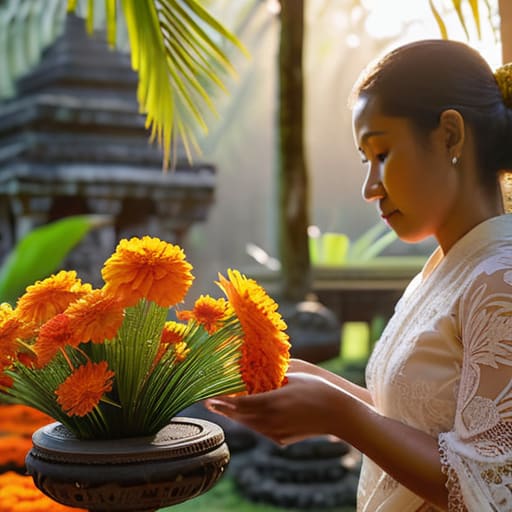
I was sitting on a damp stone step in Ubud, my notebook open to a fresh page, when the smell of burnt incense and bruised jasmine hit me so hard it felt almost physical. It wasn’t the polished, curated “zen” you see in the glossy wellness brochures or the expensive retreats that promise instant enlightenment for a hefty fee. Instead, it was the scent of a real, messy, beautiful moment: a woman in a faded sarong placing a tiny canang sari on a cracked sidewalk, her movements as rhythmic and natural as breathing. To me, balinese spirituality isn’t found in a high-priced yoga sanctuary; it’s woven into the very fabric of the everyday, tucked into the corners of street markets and the steam rising from a roadside food stall.
I’m not here to sell you a spiritual makeover or a guide to finding your third eye. My goal is much simpler: I want to show you how this profound way of life actually functions in the quiet, unscripted moments of the island. We’re going to look past the tourist-friendly rituals to understand the true heartbeat of the culture through the lens of its people, its food, and its traditions.
Table of Contents
Canang Sari Finding Devotion in Small Daily Offerings
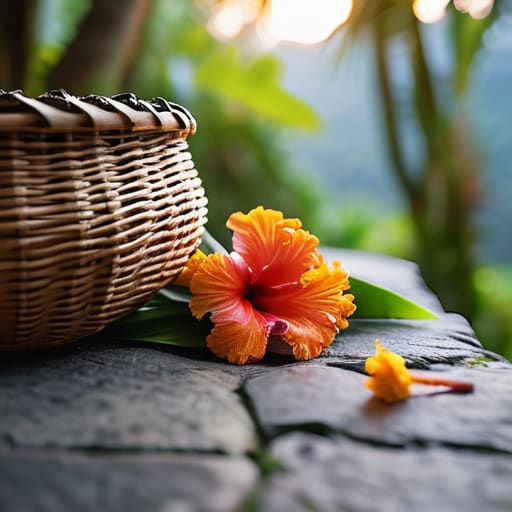
Every morning, before the heat of the day settles over the village, I watch the local women move through the streets with a quiet, rhythmic grace. They aren’t heading to a temple or a grand ceremony; they are simply tending to the small, woven palm-leaf baskets placed on doorsteps and sidewalks. These daily offerings, known as Canang Sari, are more than just pretty decorations of marigolds and jasmine. To me, they feel like a physical manifestation of a constant, whispered conversation with the divine.
As I sit on my porch, notebook in hand, I notice how the scent of burning incense drifts through the air, mingling with the damp earth. It’s a sensory reminder of the Tri Hita Karana philosophy—the delicate balance between humans, nature, and the spirit world. There is something deeply grounding about seeing devotion expressed in such small, repetitive acts. It isn’t about the scale of the ritual, but the intention behind it. In these tiny baskets, I see a community that finds meaning not in the monumental, but in the consistent, quiet moments of gratitude that anchor their entire world.
Tri Hita Karana Philosophy and the Harmony of Life
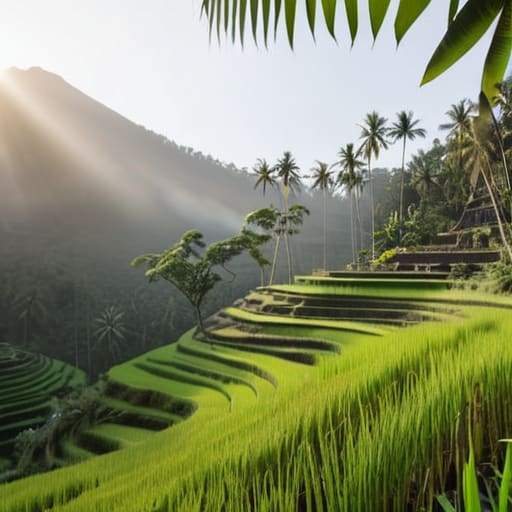
It wasn’t until I spent a week in a small village near Sidemen that I truly grasped the weight of the Tri Hita Karana philosophy. It’s not just an abstract concept you read about in a guidebook; it’s a living, breathing rhythm. I watched a local farmer meticulously tending to his rice paddies, then pause to offer a quick prayer toward the mountains, and finally share a meal with his family. There is this profound, unspoken understanding that life only works when we maintain balance between the divine, the human community, and the natural world.
Everything here, even the way a house is built, seems to follow this blueprint. I noticed how the sacred Balinese architecture of the family temples always dictates the flow of the home, creating a physical space for that connection to exist. It’s a constant, gentle tug toward harmony. You feel it in the way people treat the land—not as something to be conquered, but as a partner in a much larger, more delicate dance of existence.
How to Move Through Bali with Intention and Respect
- Watch your step on the pavement. Those beautiful little palm-leaf baskets, the Canang Sari, aren’t just decorations; they are active prayers. I’ve learned to scan the ground before I walk, especially near doorways, so I don’t accidentally step on someone’s morning offering.
- Dress for the temple, not just the heat. It’s not just about modesty; it’s about the energy of the space. I always keep a lightweight sarong tucked into my bag. Wrapping yourself in fabric feels like a quiet way of saying, “I recognize that this place is sacred.”
- Listen more than you speak. In the markets or at a small warung, the spirituality isn’t always in a grand ceremony; it’s in the way people interact. Instead of rushing to take a photo, I try to sit, observe the rhythm of the morning, and let the atmosphere settle in before I reach for my camera.
- Respect the quiet boundaries. When you see a ceremony in progress, it’s tempting to lean in for a better angle, but true connection comes from giving people their space. I find that the most profound moments happen when I’m just a quiet observer in the periphery, rather than a centerpiece of the scene.
- Look for the sacred in the everyday. Balinese spirituality isn’t tucked away in a museum; it’s in the steam rising from a communal rice pot and the way a vendor pauses to light incense. To truly “get” it, you have to stop looking for the spectacle and start looking at the small, repetitive gestures of devotion.
The Heart of the Matter: What I Carried Away From the Temples
Spirituality in Bali isn’t a scheduled event or a grand spectacle; it’s a quiet, rhythmic pulse found in the small, intentional acts of daily life, like the placement of a single flower.
True connection comes from understanding Tri Hita Karana—the delicate, necessary balance between people, nature, and the divine that dictates how a community lives and eats.
To truly experience the island, you have to look past the polished tourist facades and find the sacred in the messy, beautiful, and everyday moments that happen in the shadows of the shrines.
The Scent of Devotion
“Spirituality here isn’t something you find in a grand temple or a heavy book; it’s in the way the air smells of sandalwood and damp earth after a morning offering is placed, a quiet reminder that the sacred exists in the smallest, most repetitive acts of care.”
Anouk Verhoeven
The Quiet Rhythm of the Island
As I sit here in a small cafe in Ubud, watching the morning light filter through the palm fronds, I realize that Balinese spirituality isn’t something found only in the grand, soaring spires of a temple. It is much more intimate than that. It’s woven into the delicate geometry of a Canang Sari placed on a doorstep and lived out through the Tri Hita Karana philosophy, which reminds us that we are never truly separate from the earth, our ancestors, or each other. To understand Bali, you have to look past the postcard-perfect landscapes and notice how these small, intentional acts of devotion create a seamless thread of connection between the mundane and the divine.
Traveling often makes us feel like spectators, watching a culture from behind a lens or a menu. But the true magic of Bali happens when you stop trying to “see” everything and simply start noticing. It’s in the scent of incense drifting through a crowded market or the way a stranger offers a nod of respect to the spirits of the trees. I hope that when you visit, you don’t just chase the monuments, but instead, you seek the quiet rhythms that make this island breathe. After all, the most profound spiritual journeys rarely require a map; they only require us to be truly present in the small, everyday moments.
Frequently Asked Questions
How do these daily offerings and rituals actually shape the way people interact with each other in the local markets or small villages?
It’s in the pauses. In the markets, you’ll see a vendor carefully place a canang sari on their stall before even greeting a customer. It creates this shared, rhythmic respect. There’s no rush; you learn to move around the offerings, not over them. It turns a simple transaction into something more intentional. In the villages, these rituals act as a social glue, reminding everyone that they aren’t just neighbors, but part of a larger, sacred balance.
Is it possible to respectfully observe these spiritual practices as a visitor without feeling like I'm intruding on something private?
It’s a question I’ve asked myself a dozen times, usually while clutching my camera and feeling like a bit of an interloper. The key is to move slowly. Instead of rushing to snap a photo, I try to just be there first. Observe the rhythm. If you’re at a temple, dress modestly and keep your voice low. Most of the time, if you approach with quiet curiosity rather than a checklist, the local community welcomes your presence.
Beyond the beautiful ceremonies, how does the philosophy of Tri Hita Karana influence the way Balinese people approach modern life and the environment?
It’s not just about the big ceremonies; it’s in the way they navigate the friction of modern life. I’ve seen it in the way farmers manage their water through the subak system, treating irrigation as a sacred communal duty rather than just engineering. Even in busier towns, there’s this conscious effort to weave greenery into architecture. It’s a constant, quiet negotiation to ensure that progress doesn’t sever the ties to the land or the community.
